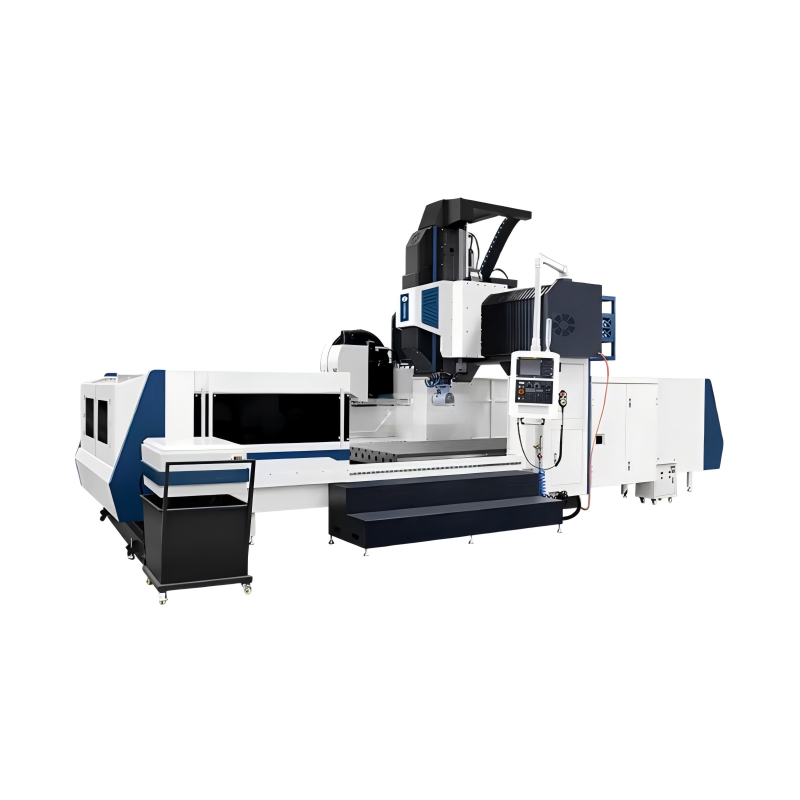
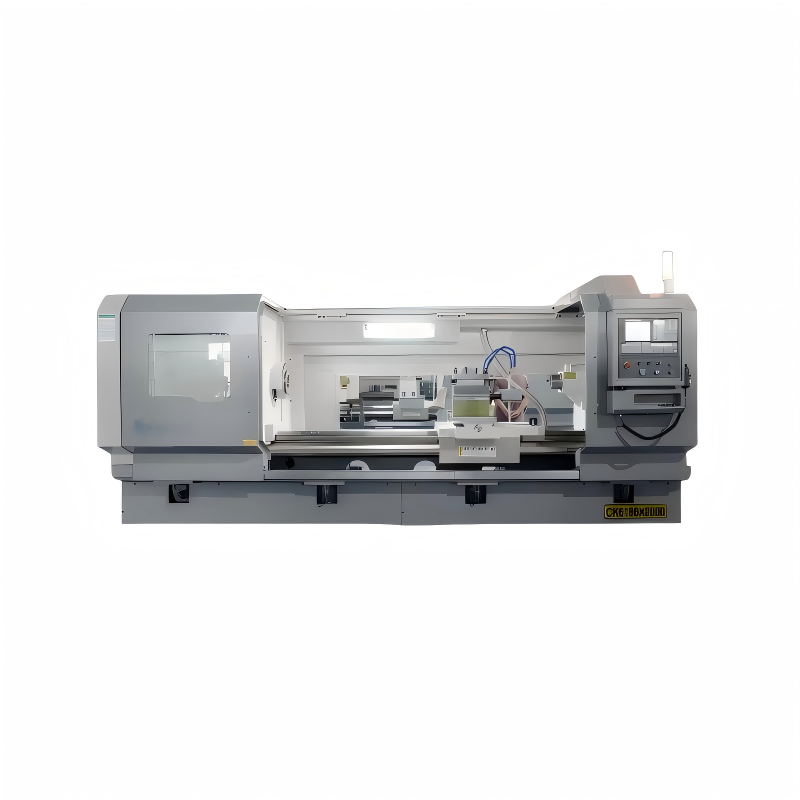
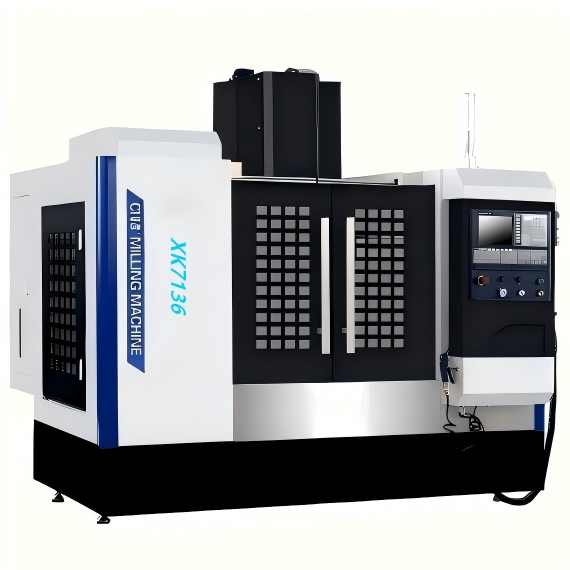
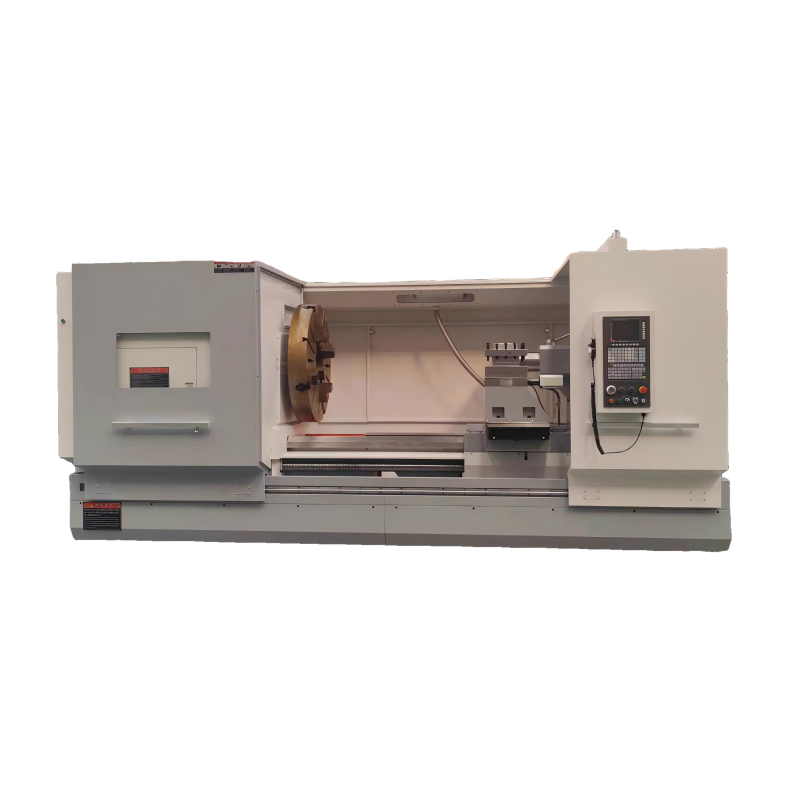
In the ever-evolving landscape of modern manufacturing, the 2-Axis CNC Turning Center has emerged as a pivotal tool for precision and efficiency. This technical report delves into the critical role that 2-Axis CNC Turning Centers play in contemporary manufacturing processes, exploring their capabilities, applications, and the advantages they bring to the industry.
Computer Numerical Control (CNC) technology has revolutionized the manufacturing sector since its inception. The 2-Axis CNC Turning Center is a prime example of how this technology has evolved to meet the demands of modern production. Unlike traditional manual lathes, which require skilled operators to control the cutting process, 2-Axis CNC Turning Centers are automated and controlled by computer programs. This automation not only increases productivity but also ensures consistent quality and precision in the final products.
The 2-Axis CNC Turning Center operates on two axes: the X-axis (horizontal) and the Z-axis (vertical). These axes allow for the precise control of the cutting tool, enabling the machine to perform complex operations with high accuracy. The evolution of CNC technology has led to the development of more advanced features, such as automatic tool changers and integrated software, which further enhance the capabilities of 2-Axis CNC Turning Centers.
The versatility of 2-Axis CNC Turning Centers makes them indispensable in a wide range of industries. In the automotive sector, these machines are used to produce high-precision components such as engine parts, gears, and shafts. The aerospace industry relies on 2-Axis CNC Turning Centers to manufacture critical components that require extreme precision and reliability, such as turbine blades and structural parts.
Beyond these high-tech sectors, 2-Axis CNC Turning Centers are also widely used in the medical, electronics, and consumer goods industries. In the medical field, they are employed to produce intricate surgical instruments and implants. In the electronics industry, these machines are used to create small, precise components for devices such as smartphones and computers. The consumer goods sector benefits from 2-Axis CNC Turning Centers in the production of items like kitchen appliances, tools, and decorative items.
The ability of 2-Axis CNC Turning Centers to handle a variety of materials, including metals, plastics, and composites, further enhances their applicability across different industries. This versatility, combined with their precision and efficiency, makes them a valuable asset in modern manufacturing.
One of the key advantages of 2-Axis CNC Turning Centers is their ability to achieve high levels of precision. The automated nature of these machines eliminates the variability introduced by human error, ensuring that each part is manufactured to exact specifications. This consistency is crucial in industries where even the slightest deviation can have significant consequences, such as in the aerospace and medical fields.
In addition to precision, 2-Axis CNC Turning Centers offer significant improvements in efficiency. The automation of the machining process reduces the need for manual intervention, allowing for continuous operation and increased throughput. This is particularly beneficial in high-volume production environments where speed and efficiency are paramount. The integration of advanced software and tooling systems further enhances the efficiency of these machines, enabling them to perform multiple operations in a single setup.
Another advantage of 2-Axis CNC Turning Centers is their cost-effectiveness. While the initial investment in these machines can be substantial, the long-term savings in labor costs, reduced material waste, and improved product quality make them a worthwhile investment. The ability to program and reprogram these machines for different tasks also provides flexibility, allowing manufacturers to adapt to changing market demands and production requirements.
The concept of Industry 4.0, or the Fourth Industrial Revolution, emphasizes the integration of advanced technologies such as the Internet of Things (IoT), artificial intelligence (AI), and data analytics into manufacturing processes. 2-Axis CNC Turning Centers are well-positioned to benefit from and contribute to this transformation. By connecting these machines to IoT platforms, manufacturers can collect and analyze real-time data on machine performance, production metrics, and maintenance needs.
This data-driven approach enables predictive maintenance, reducing downtime and extending the lifespan of the machinery. Additionally, AI and machine learning algorithms can be used to optimize the machining process, improving efficiency and reducing waste. The integration of 2-Axis CNC Turning Centers with Industry 4.0 technologies not only enhances their capabilities but also positions them at the forefront of the next generation of manufacturing.
Furthermore, the use of cloud-based software and remote monitoring systems allows for greater flexibility and accessibility. Manufacturers can remotely monitor and control their 2-Axis CNC Turning Centers, making it easier to manage production across multiple locations and respond to changes in demand. This level of connectivity and data sharing is a key component of Industry 4.0 and is transforming the way manufacturing is conducted.
The 2-Axis CNC Turning Center plays a vital role in modern manufacturing, offering unparalleled precision, efficiency, and versatility. As the manufacturing industry continues to evolve, the integration of these machines with advanced technologies such as Industry 4.0 will further enhance their capabilities and contributions. By embracing the 2-Axis CNC Turning Center, manufacturers can stay competitive, improve product quality, and drive innovation in their respective fields.
 25/06/2026
Understanding the Core Components of a 2-Axis CNC Turning Center A 2-Axis CNC (Computer Numerical Control) turning center is a highly specialized machine designed for precision machining. It operates on two axes, typically the X-axis and Z-axis, enabling
Read More25/06/2026When it comes to precision machining, the 2-Axis CNC Turning Center is a cornerstone of modern manufacturing. These machines are designed to provide high-precision and efficient turning operations, making them indispensable in various industries. However,
Read More25/06/2026In the realm of automotive manufacturing, the introduction and continuous evolution of technologies like the 2-Axis CNC Turning Center have significantly transformed production processes. These advanced machines play a crucial role in shaping the efficien
Read More24/06/2026Choosing the right 2-Axis CNC Turning Center for your specific needs can be a daunting task, especially with the plethora of options available on the market. A 2-Axis CNC Turning Center is a critical piece of equipment in many manufacturing and engineerin
Read More24/06/2026In the modern manufacturing landscape, 2-Axis CNC Turning Centers have become indispensable tools for achieving high-volume production with precision and efficiency. These machines are designed to handle a wide range of materials and can produce complex p
Read More24/06/2026In the realm of precision manufacturing, the role of 2-Axis CNC Turning Centers cannot be overstated. These advanced machines are pivotal in producing high-accuracy components for a wide range of industries, from automotive to aerospace. This report delve
Read More24/06/2026The evolution of manufacturing technology has led to the development of advanced machinery that can produce high-precision parts with minimal human intervention. One such machine is the 2-Axis CNC Turning Center, which plays a crucial role in modern manuf
Read More23/06/2026In the realm of modern manufacturing, precision and efficiency are paramount. A 2-Axis CNC Turning Center is a critical tool that allows manufacturers to achieve these goals with unparalleled accuracy. This technical report delves into the intricacies of
Read More23/06/2026In the realm of precision machining, the 2-Axis CNC Turning Center stands out as a versatile and efficient solution for a wide range of manufacturing applications. This technology has revolutionized the way parts are produced, offering numerous advantages
Read More23/06/2026The manufacturing industry has witnessed a remarkable transformation over the past few decades, with advancements in technology playing a pivotal role. One such technological marvel that has significantly impacted the sector is the 2-Axis CNC Turning Cent
Read More23/06/2026Understanding the Basics of 2-Axis CNC Turning CentersThe advent of Computer Numerical Control (CNC) technology has revolutionized the manufacturing industry, enabling greater precision, efficiency, and flexibility in production processes. Among the vario
Read More22/06/2026In the world of precision manufacturing, the 2-Axis CNC Turning Center stands out as a versatile and indispensable tool. This technology has revolutionized the production processes for many industries, offering an efficient and accurate method to shape ma
Read More22/06/2026In the realm of precision machining, the 2-Axis CNC Turning Center stands out as a powerful tool for enhancing productivity and efficiency. This report delves into the capabilities, advantages, and applications of the 2-Axis CNC Turning Center, providing
Read More22/06/2026Introduction to 2-Axis CNC Turning CentersA 2-Axis CNC (Computer Numerical Control) turning center is a type of machine tool used for shaping metal, plastic, and other materials. This device operates along two axes, the X-axis and the Z-axis, which are cr
Read More22/06/2026In the realm of precision machining, 2-Axis CNC Turning Centers stand out as versatile and efficient tools for producing high-quality parts. This report delves into the capabilities of these machines, exploring their advantages, applications, and the tech
Read MoreOur professional sales team is always ready to assist you.