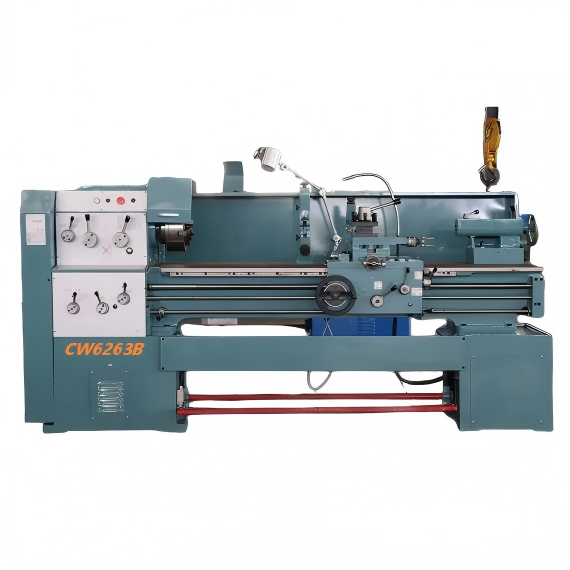
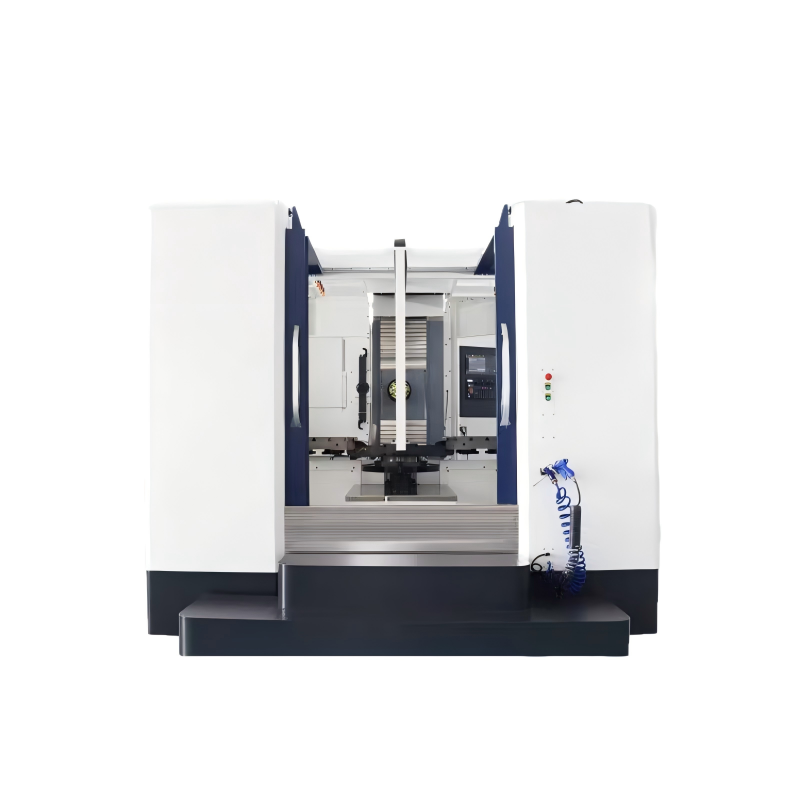
When it comes to precision machining, the 2-Axis CNC Turning Center is a cornerstone of modern manufacturing. These machines are designed to provide high-precision and efficient turning operations, making them indispensable in various industries. However, choosing the right 2-Axis CNC Turning Center for your specific needs can be a daunting task. This report aims to guide you through the key considerations and factors that will help you make an informed decision.
A 2-Axis CNC Turning Center operates on two primary axes: the X-axis (horizontal) and the Z-axis (vertical). The X-axis controls the movement of the tool from side to side, while the Z-axis manages the movement along the length of the workpiece. This configuration allows for precise and efficient turning, drilling, and other machining operations. Understanding these basics is crucial as it forms the foundation for evaluating different models and their capabilities.
These centers are typically used for producing cylindrical parts, such as shafts, pins, and bushings, and they are capable of performing a wide range of operations, including facing, grooving, threading, and more. The versatility and precision of 2-Axis CNC Turning Centers make them a popular choice in industries such as automotive, aerospace, and medical device manufacturing.
One of the most critical aspects of choosing the right 2-Axis CNC Turning Center is assessing its performance and capabilities. Key factors to consider include spindle speed, feed rate, and power. Spindle speed, measured in revolutions per minute (RPM), determines how fast the tool can rotate, which directly affects the surface finish and material removal rate. A higher RPM is generally better for achieving smoother finishes and faster cutting, but it also depends on the material being machined.
Feed rate, measured in inches per minute (IPM) or millimeters per minute (mm/min), indicates how quickly the tool moves along the workpiece. A higher feed rate can increase productivity, but it must be balanced with the material properties and tool life. Power, typically measured in horsepower (HP), is another essential factor. Higher power allows for more robust cutting, especially when working with harder materials like stainless steel or titanium.
Additionally, the machine's accuracy and repeatability are vital. Accuracy refers to how closely the machine can achieve the desired dimensions, while repeatability measures the consistency of these dimensions over multiple operations. High-precision components, such as linear guides and ball screws, contribute significantly to both accuracy and repeatability. It is advisable to review the manufacturer's specifications and, if possible, conduct a test run to evaluate the machine's performance in real-world conditions.
Automation and integration features are becoming increasingly important in modern manufacturing. A 2-Axis CNC Turning Center with advanced automation capabilities can significantly enhance productivity and reduce labor costs. Some common automation features include automatic tool changers, bar feeders, and part catchers. An automatic tool changer allows the machine to switch between different tools without manual intervention, reducing setup time and increasing efficiency.
Bar feeders automatically load raw material into the machine, enabling continuous operation and minimizing downtime. Part catchers, on the other hand, collect finished parts, ensuring a smooth workflow and preventing damage to the finished products. These features not only improve productivity but also contribute to a safer working environment by reducing the need for manual handling.
Integration with other systems, such as CAD/CAM software and data management systems, is another crucial aspect. Modern 2-Axis CNC Turning Centers often come with built-in interfaces that allow seamless communication with design and production planning systems. This integration enables better control over the entire manufacturing process, from design to final inspection, and can lead to significant improvements in quality and efficiency.
Maintenance and support are often overlooked but are critical factors in the long-term success of any 2-Axis CNC Turning Center. Regular maintenance is essential to ensure the machine operates at peak performance and to prevent unexpected breakdowns. Key maintenance tasks include lubrication, cleaning, and inspection of critical components such as bearings, belts, and electrical connections.
It is also important to consider the availability of spare parts and the responsiveness of the manufacturer's support services. A reliable supplier with a strong track record of customer support can make a significant difference in minimizing downtime and keeping your operations running smoothly. Additionally, training for operators and maintenance personnel is crucial. Many manufacturers offer comprehensive training programs to ensure that your team is well-equipped to operate and maintain the machine effectively.
Finally, consider the warranty and service agreements offered by the manufacturer. A comprehensive warranty can provide peace of mind, knowing that any defects or issues will be addressed promptly. Service agreements, which may include regular maintenance visits and priority support, can further enhance the reliability and longevity of your 2-Axis CNC Turning Center.
Selecting the right 2-Axis CNC Turning Center for your needs involves a thorough evaluation of several key factors, including the machine's performance and capabilities, automation and integration features, and maintenance and support requirements. By carefully considering these aspects, you can ensure that the 2-Axis CNC Turning Center you choose will meet your specific needs and contribute to the overall success of your manufacturing operations.
Remember to consult with industry experts and conduct a detailed analysis of your production requirements before making a final decision. Investing in a high-quality 2-Axis CNC Turning Center is a significant step towards enhancing your manufacturing capabilities and achieving greater efficiency and precision in your operations.
 25/06/2026
In the ever-evolving landscape of modern manufacturing, the 2-Axis CNC Turning Center has emerged as a pivotal tool for precision and efficiency. This technical report delves into the critical role that 2-Axis CNC Turning Centers play in contemporary manu
Read More25/06/2026Understanding the Core Components of a 2-Axis CNC Turning Center A 2-Axis CNC (Computer Numerical Control) turning center is a highly specialized machine designed for precision machining. It operates on two axes, typically the X-axis and Z-axis, enabling
Read More25/06/2026In the realm of automotive manufacturing, the introduction and continuous evolution of technologies like the 2-Axis CNC Turning Center have significantly transformed production processes. These advanced machines play a crucial role in shaping the efficien
Read More24/06/2026Choosing the right 2-Axis CNC Turning Center for your specific needs can be a daunting task, especially with the plethora of options available on the market. A 2-Axis CNC Turning Center is a critical piece of equipment in many manufacturing and engineerin
Read More24/06/2026In the modern manufacturing landscape, 2-Axis CNC Turning Centers have become indispensable tools for achieving high-volume production with precision and efficiency. These machines are designed to handle a wide range of materials and can produce complex p
Read More24/06/2026In the realm of precision manufacturing, the role of 2-Axis CNC Turning Centers cannot be overstated. These advanced machines are pivotal in producing high-accuracy components for a wide range of industries, from automotive to aerospace. This report delve
Read More24/06/2026The evolution of manufacturing technology has led to the development of advanced machinery that can produce high-precision parts with minimal human intervention. One such machine is the 2-Axis CNC Turning Center, which plays a crucial role in modern manuf
Read More23/06/2026In the realm of modern manufacturing, precision and efficiency are paramount. A 2-Axis CNC Turning Center is a critical tool that allows manufacturers to achieve these goals with unparalleled accuracy. This technical report delves into the intricacies of
Read More23/06/2026In the realm of precision machining, the 2-Axis CNC Turning Center stands out as a versatile and efficient solution for a wide range of manufacturing applications. This technology has revolutionized the way parts are produced, offering numerous advantages
Read More23/06/2026The manufacturing industry has witnessed a remarkable transformation over the past few decades, with advancements in technology playing a pivotal role. One such technological marvel that has significantly impacted the sector is the 2-Axis CNC Turning Cent
Read More23/06/2026Understanding the Basics of 2-Axis CNC Turning CentersThe advent of Computer Numerical Control (CNC) technology has revolutionized the manufacturing industry, enabling greater precision, efficiency, and flexibility in production processes. Among the vario
Read More22/06/2026In the world of precision manufacturing, the 2-Axis CNC Turning Center stands out as a versatile and indispensable tool. This technology has revolutionized the production processes for many industries, offering an efficient and accurate method to shape ma
Read More22/06/2026In the realm of precision machining, the 2-Axis CNC Turning Center stands out as a powerful tool for enhancing productivity and efficiency. This report delves into the capabilities, advantages, and applications of the 2-Axis CNC Turning Center, providing
Read More22/06/2026Introduction to 2-Axis CNC Turning CentersA 2-Axis CNC (Computer Numerical Control) turning center is a type of machine tool used for shaping metal, plastic, and other materials. This device operates along two axes, the X-axis and the Z-axis, which are cr
Read More22/06/2026In the realm of precision machining, 2-Axis CNC Turning Centers stand out as versatile and efficient tools for producing high-quality parts. This report delves into the capabilities of these machines, exploring their advantages, applications, and the tech
Read MoreOur professional sales team is always ready to assist you.