In the realm of manufacturing, especially when it comes to long shaft production, the conventional lathe has remained a cornerstone despite the advancements in technology. This article explores the reasons behind the enduring popularity of conventional lathes in this specific area, while also touching upon the role of Precision Milling Machines in modern manufacturing processes.
Operational Flexibility and Adaptability
The ability of conventional lathes to handle a wide range of materials and sizes is one of the primary reasons for their continued use in long shaft manufacturing. Unlike some specialized machinery, which may be limited to certain types of metals or dimensions, lathes can be adjusted to accommodate different workpieces. This flexibility not only saves on the cost of purchasing additional equipment but also allows manufacturers to take on a broader spectrum of projects without significant downtime for setup changes. Moreover, the manual control provided by these machines enables operators to make real-time adjustments based on the material's response during processing, ensuring high-quality output even with less predictable materials.
Cost-Effectiveness Over Time
While initial investment costs for advanced CNC (Computer Numerical Control) systems might seem attractive due to their efficiency and automation capabilities, the total cost of ownership over time often makes conventional lathes a more economical choice, particularly for small to medium-sized enterprises. Conventional lathes typically require lower maintenance costs compared to their CNC counterparts, as they have fewer electronic components that could fail or need replacement. Additionally, the skill set required to operate a traditional lathe is generally more accessible than that needed for programming and operating a CNC machine, reducing training expenses and increasing workforce flexibility. In scenarios where the volume of production does not justify the expense of a fully automated system, the operational savings from using a conventional lathe become even more pronounced.
Quality and Customization Capabilities
One cannot overlook the level of customization and detail achievable through the use of conventional lathes, especially when it comes to crafting long shafts. These machines offer an unparalleled degree of control over the machining process, allowing for intricate designs and precise modifications that are sometimes challenging to achieve with automated systems. For instance, in applications requiring high levels of accuracy and surface finish, such as in aerospace or medical device manufacturing, the hands-on approach enabled by a conventional lathe ensures that each piece meets the exact specifications. Furthermore, the operator's expertise plays a crucial role in achieving optimal results, as they can adapt their technique according to the unique characteristics of each project. This human element contributes significantly to the quality and reliability of the final product, making conventional lathes indispensable in industries where precision is paramount.
Role of Precision Milling Machines in Modern Manufacturing
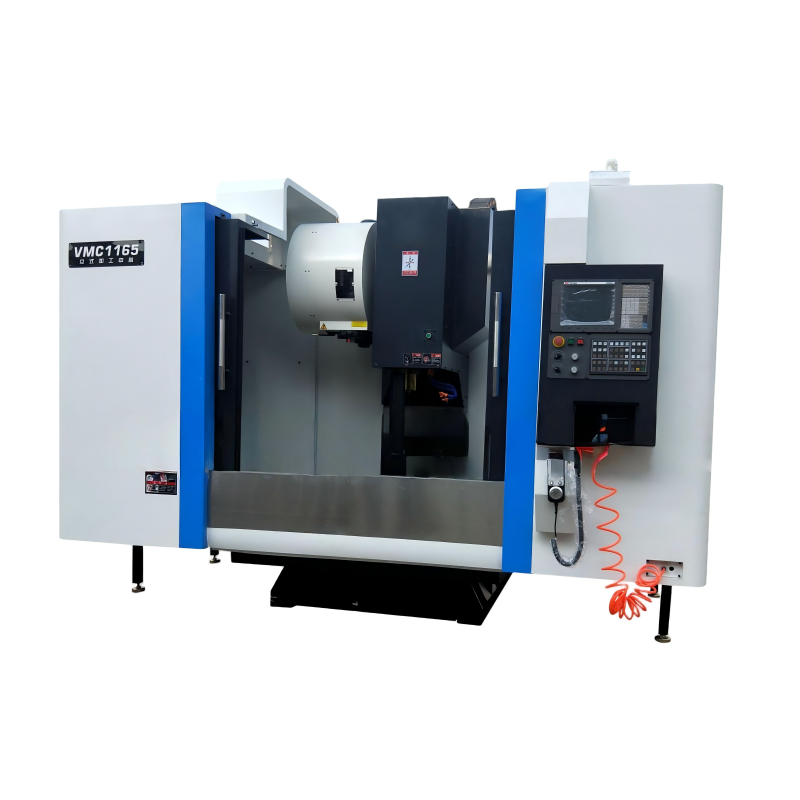
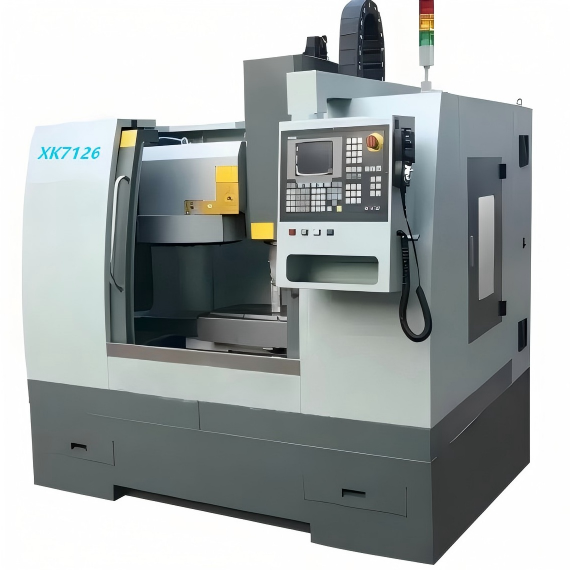
Although this discussion centers around the advantages of conventional lathes, it is important to acknowledge the complementary role played by precision milling machines in today's manufacturing landscape. Precision milling machines, equipped with advanced CNC technology, excel in producing complex geometries and performing operations that go beyond the capabilities of a lathe. They are particularly useful in situations demanding high-volume, high-precision component production, where consistency and speed are critical. By integrating both conventional lathes and precision milling machines into their workflow, manufacturers can leverage the strengths of each tool, thereby enhancing overall productivity and product quality. The synergy between these two types of machinery exemplifies how traditional and modern technologies can coexist and complement each other within a single manufacturing environment.
To conclude, the conventional lathe continues to hold its ground in the field of long shaft manufacturing due to its operational flexibility, cost-effectiveness, and superior customization capabilities. While the advent of new technologies like precision milling machines offers exciting possibilities, the value proposition of conventional lathes remains strong, especially for businesses seeking a balance between performance and affordability. As the manufacturing industry evolves, understanding the unique benefits of various tools and technologies will be key to staying competitive and meeting the diverse needs of customers.


 30/06/2026



