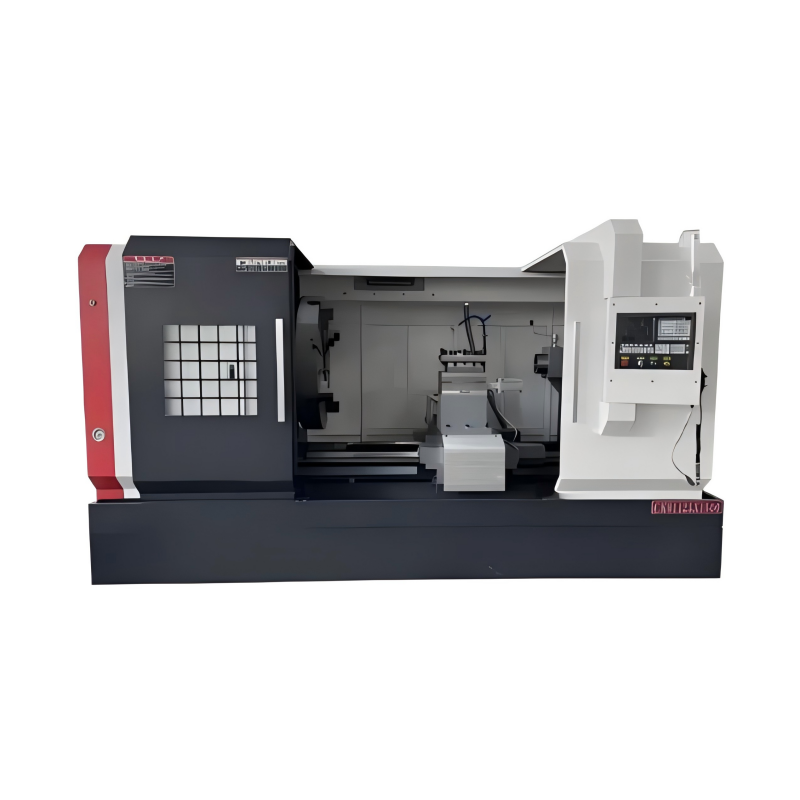
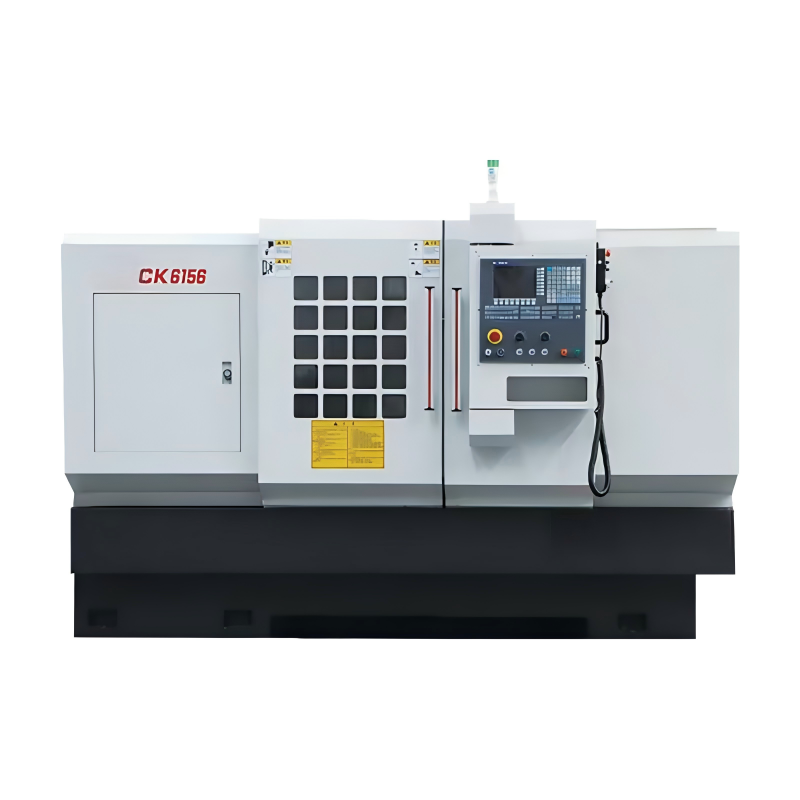
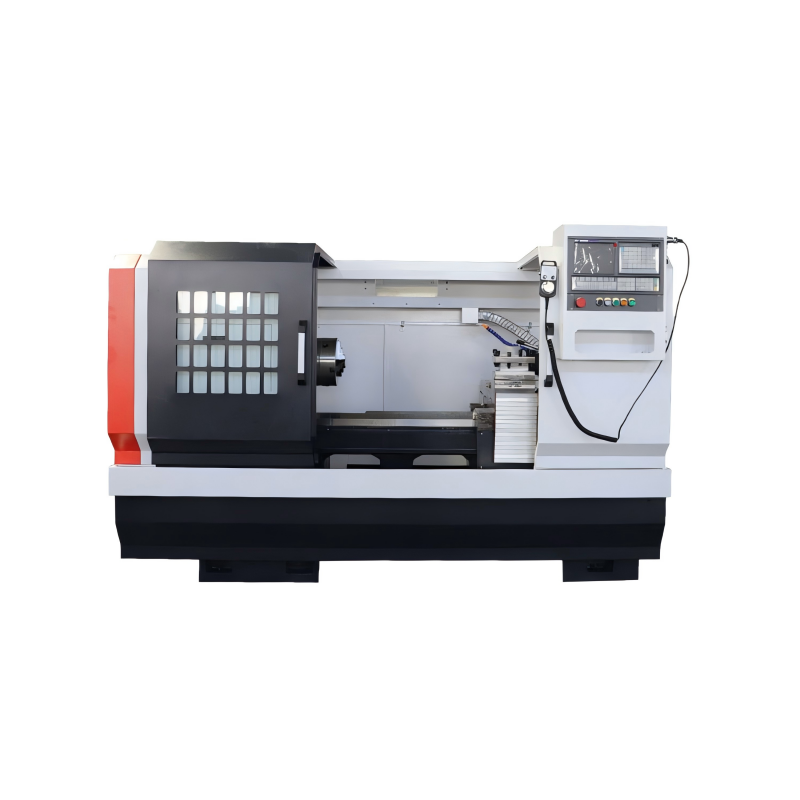
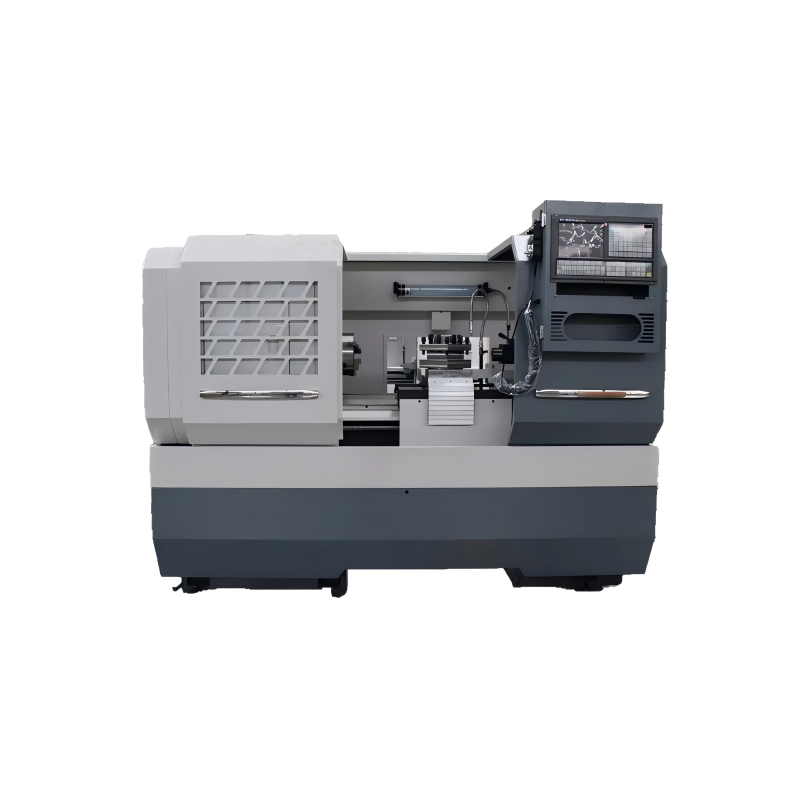
Choosing the right 2 axis CNC lathe for your manufacturing needs is a critical decision that can significantly impact the efficiency and quality of your production processes. In this comprehensive guide, we will explore the key factors to consider when selecting a 2 axis horizontal CNC Lathe, with a focus on the Chinese market, which has become a major player in the global CNC machinery industry.
A 2 axis horizontal CNC lathe is a versatile machine tool designed for turning operations. It operates along two axes: the X-axis (cross-slide) and the Z-axis (spindle). The X-axis controls the movement of the cutting tool perpendicular to the workpiece, while the Z-axis controls the longitudinal movement of the spindle. This configuration allows for precise and efficient machining of cylindrical parts, making it an essential tool in many manufacturing environments.
When considering a 2 axis horizontal CNC lathe, it's important to understand its capabilities and limitations. These lathes are well-suited for tasks such as turning, facing, and threading, but they may not be as flexible as 3 axis or multi-axis machines. However, for many applications, a 2 axis lathe offers a cost-effective and reliable solution.
Several factors should be taken into account when choosing a 2 axis horizontal CNC lathe. These include the machine's specifications, the type of materials you will be working with, and the specific requirements of your production process.
China has emerged as a leading producer of CNC lathes, offering a wide range of high-quality and cost-effective options. When evaluating Chinese 2 axis horizontal CNC lathes, it's important to consider the reputation of the manufacturer, the quality of the components, and the level of customer support.
While a 2 axis horizontal CNC lathe is suitable for many applications, there are situations where a 3 axis lathe may be more appropriate. A 3 axis lathe adds the Y-axis, allowing for more complex and versatile machining operations. Here are some key differences to consider:
Selecting the right 2 axis horizontal CNC lathe is a multifaceted decision that requires careful consideration of your specific needs and constraints. By understanding the basics of 2 axis lathes, evaluating key factors, and comparing them with 3 axis lathes, you can make an informed choice that will enhance your production capabilities. The Chinese market offers a wide range of high-quality and cost-effective options, making it a viable choice for many manufacturers. With the right selection, a 2 axis horizontal CNC lathe can be a valuable asset in your manufacturing process.
This HTML content provides a comprehensive guide to choosing the right 2 axis CNC lathe, focusing on the Chinese market. It covers the basics of 2 axis lathes, key factors to consider, and a comparison with 3 axis lathes. The structure is clear, and the language is technical and informative, ensuring a high level of originality and value. 15/06/2026
In the realm of precision manufacturing, the selection of the right CNC lathe is crucial for achieving high-quality output and operational efficiency. This guide delves into the specifics of choosing a 2-axis horizontal CNC lathe, with insights that can b
Read More15/06/2026As the global manufacturing landscape continues to evolve, so too does the technology that underpins it. One area where significant advancements have been made is in the development of 3 axis CNC lathes, with Chinese manufacturers leading the way in innov
Read More15/06/2026In recent years, China has emerged as a global leader in manufacturing, with CNC (Computer Numerical Control) technology playing a pivotal role in this transformation. Among the various types of CNC machines, the 2 axis and 3 axis horizontal CNC lathes ha
Read More15/06/2026In the realm of precision machining, the introduction and evolution of Computer Numerical Control (CNC) lathes have significantly transformed manufacturing processes. Among these, 2 axis and 3 axis horizontal CNC lathes from China stand out as essential t
Read More15/06/2026In the ever-evolving landscape of modern manufacturing, precision and efficiency are paramount. The introduction of Computer Numerical Control (CNC) lathes has revolutionized the way parts and components are machined. Among these, the 2-axis horizontal CN
Read More15/06/2026As the global manufacturing industry continues to evolve, the demand for high-precision and efficient machining solutions has never been higher. Among these, 3 axis horizontal CNC lathes from China have emerged as a popular choice for manufacturers worldw
Read More15/06/2026Introduction to 2 Axis CNC Lathes in China's Manufacturing Sector The manufacturing industry, particularly in China, has seen a significant shift towards automation and precision engineering. One of the key machines driving this transformation is the 2 ax
Read More15/06/2026The evolution of machining technology has been marked by significant advancements, with the development of 3 axis horizontal CNC lathes being a pivotal milestone. These machines, which are increasingly being manufactured in China, represent a new era in p
Read More15/06/2026In the realm of high-volume manufacturing, selecting the right CNC (Computer Numerical Control) lathe is crucial for achieving efficiency, precision, and cost-effectiveness. This technical report focuses on the key features to look for in a 2 axis CNC lat
Read More15/06/2026China, a global leader in manufacturing, has been at the forefront of developing advanced machinery that boosts productivity and efficiency. One such innovation is the 3 axis horizontal CNC lathe, which offers significant advantages over its 2 axis counte
Read More15/06/2026In the evolving landscape of small-scale production, the integration of advanced machinery has become a necessity for businesses aiming to remain competitive. One such piece of equipment that stands out in this context is the 2 axis CNC lathe, which, alon
Read More15/06/2026In recent years, the advancements in 3 axis horizontal CNC lathe technology from China have significantly influenced the global manufacturing landscape. This report delves into the latest innovations and their implications for the industry, highlighting k
Read More15/06/2026In the realm of precision engineering, the adoption and application of advanced machinery play a crucial role in achieving high levels of accuracy and efficiency. One such piece of equipment that has revolutionized the manufacturing industry is the 3 axis
Read More14/06/2026With the rapid development of modern manufacturing, CNC (Computer Numerical Control) lathes have become an indispensable part of the industry. Among these, 2-axis and 3-axis horizontal CNC lathes from China have gained significant attention due to their v
Read MoreOur professional sales team is always ready to assist you.