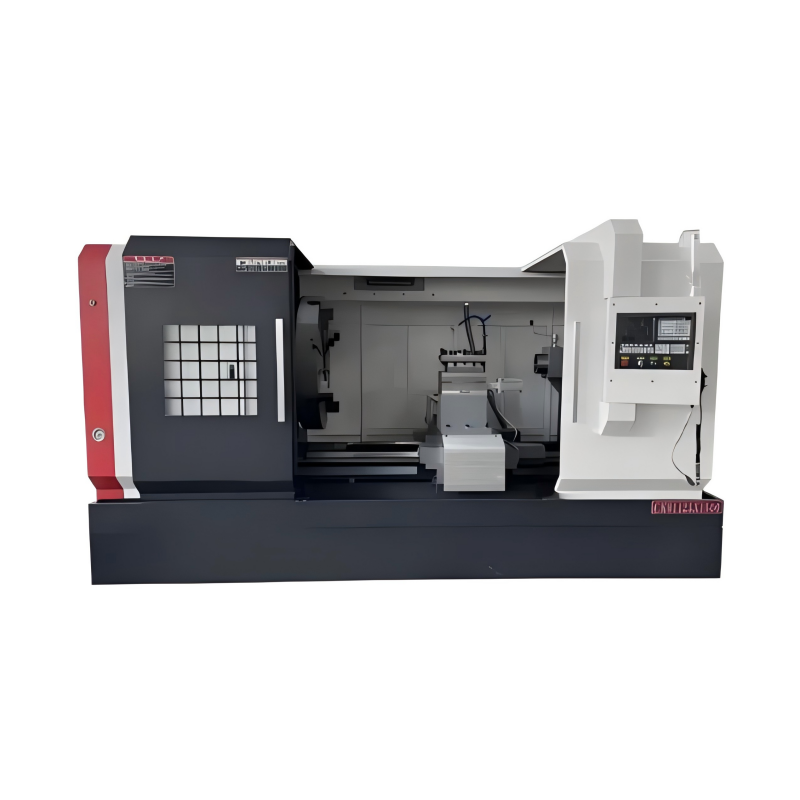
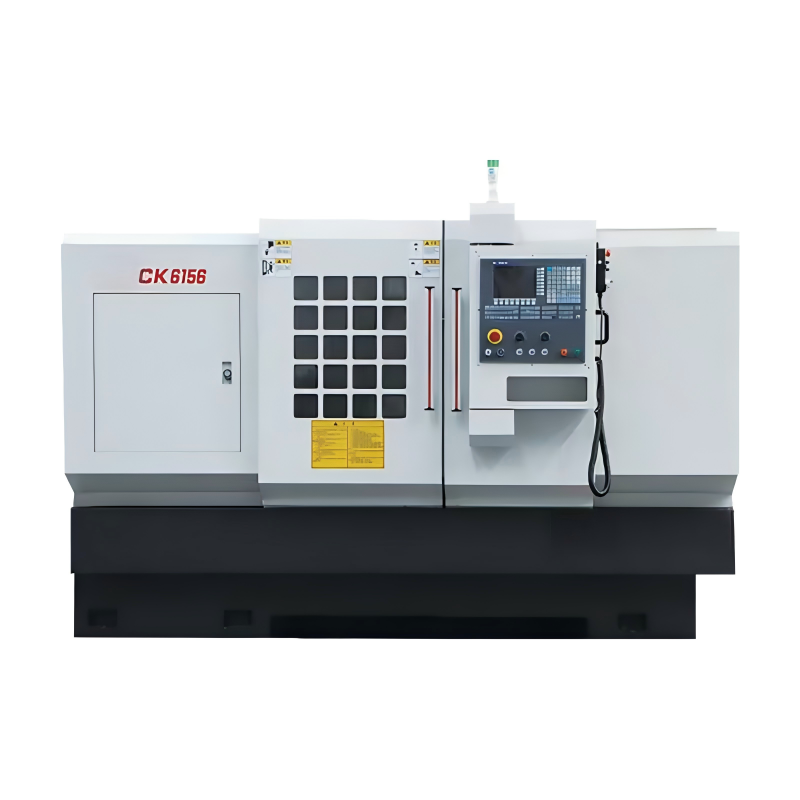
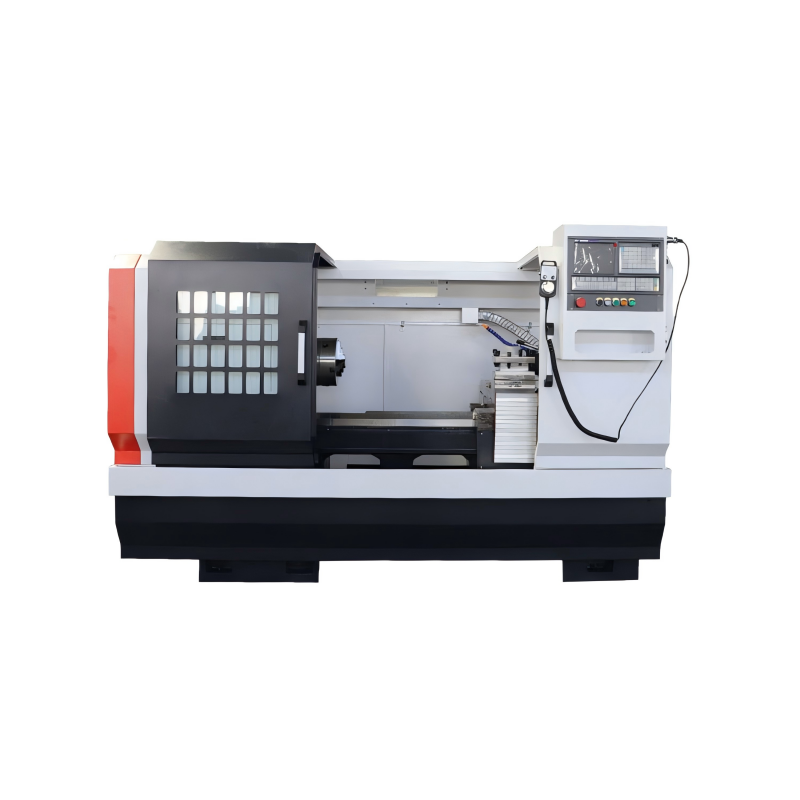
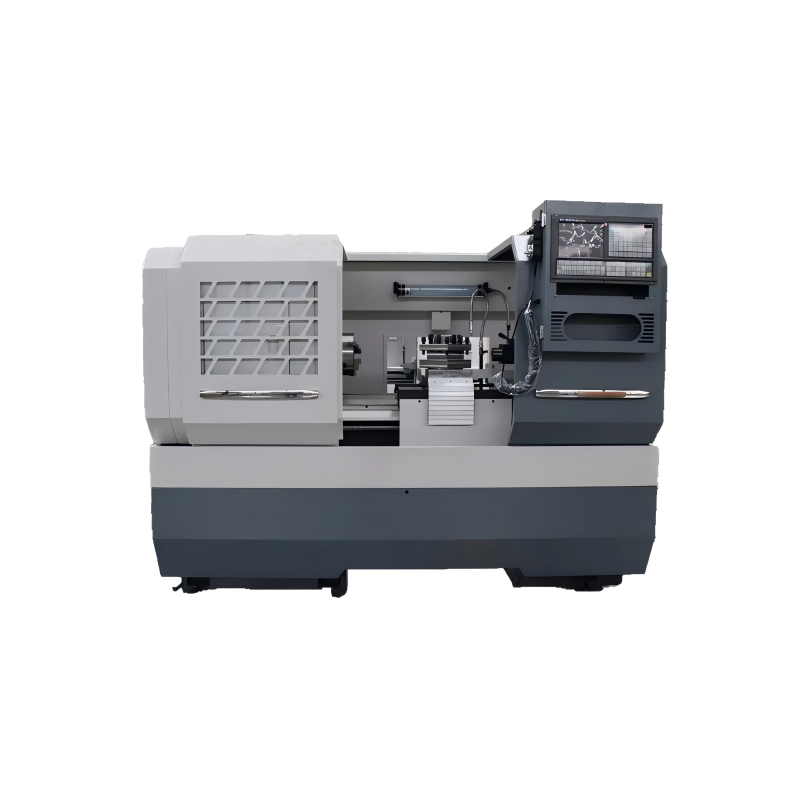
In the ever-evolving landscape of modern manufacturing, precision and efficiency are paramount. The introduction of Computer Numerical Control (CNC) lathes has revolutionized the way parts and components are machined. Among these, the 2-axis horizontal CNC Lathe stands out as a versatile and reliable tool for a wide range of applications. This technical report explores the advantages of 2-axis horizontal CNC lathes in modern manufacturing, highlighting their key features, benefits, and the role they play in enhancing productivity and quality.
The 2-axis horizontal CNC lathe is designed to deliver exceptional precision and consistency in machining operations. Unlike manual lathes, which rely on the skill and experience of the operator, CNC lathes are programmed to follow specific instructions with high accuracy. This results in parts that meet exact specifications, reducing the likelihood of human error. The 2-axis design allows for precise control over the X and Z axes, ensuring that the cutting tool follows the intended path with minimal deviation. This level of precision is particularly important in industries such as aerospace, automotive, and medical, where even the slightest variation can affect the performance and safety of the final product.
Moreover, the repeatability of CNC lathes ensures that each part produced is identical to the last. This consistency is crucial for large-scale production, where maintaining uniformity across thousands or even millions of parts is essential. The 2-axis horizontal CNC lathe China, for example, is known for its robust construction and advanced control systems, making it a preferred choice for manufacturers who demand high precision and reliability.
One of the most significant advantages of 2-axis horizontal CNC lathes is their ability to increase productivity and efficiency in the manufacturing process. These machines can operate continuously without the need for frequent stops or adjustments, allowing for uninterrupted production. The automated nature of CNC lathes means that once the program is set, the machine can run unattended, freeing up operators to perform other tasks or oversee multiple machines simultaneously.
Additionally, the 2-axis horizontal CNC lathe is capable of performing complex operations with speed and accuracy. It can handle a variety of materials, from metals like aluminum and steel to plastics and composites, making it a versatile tool for different applications. The ability to switch between different programs and tools quickly also contributes to increased efficiency, as the machine can adapt to different job requirements with minimal downtime. This flexibility is particularly valuable in industries where rapid prototyping and short production runs are common.
While the initial investment in a 2-axis horizontal CNC lathe may be higher compared to traditional manual lathes, the long-term cost savings and return on investment (ROI) make it a worthwhile investment. The precision and consistency of CNC lathes reduce the need for rework and scrap, leading to lower material costs and less waste. Additionally, the reduced labor requirements and increased productivity contribute to lower operational costs over time.
Furthermore, the 2-axis horizontal CNC lathe requires less maintenance compared to more complex 3-axis or multi-axis machines. The simpler design and fewer moving parts mean that there are fewer components that can wear out or fail, resulting in lower maintenance and repair costs. This makes the 2-axis horizontal CNC lathe an attractive option for small and medium-sized enterprises (SMEs) looking to improve their manufacturing capabilities without breaking the bank.
Moreover, the 2-axis horizontal CNC lathe China offers a competitive edge in terms of pricing and support. Many Chinese manufacturers provide comprehensive after-sales services, including training, technical support, and spare parts, ensuring that customers can maximize the value of their investment. The combination of affordability, quality, and support makes the 2-axis horizontal CNC lathe a cost-effective solution for modern manufacturing.
Safety is a critical concern in any manufacturing environment, and the 2-axis horizontal CNC lathe offers several features that enhance workplace safety. The enclosed design of many CNC lathes reduces the risk of accidents by keeping the cutting area isolated from the operator. This not only protects the operator from flying debris and sharp edges but also minimizes the exposure to noise and dust, creating a safer working environment.
Additionally, the automation and programmability of CNC lathes reduce the physical strain on operators. Manual lathes often require the operator to manually adjust the workpiece and cutting tool, which can be physically demanding and lead to fatigue. With a 2-axis horizontal CNC lathe, the operator can set the parameters and let the machine do the work, reducing the risk of repetitive strain injuries and improving overall ergonomics.
Furthermore, the 2-axis horizontal CNC lathe China often comes with advanced safety features, such as emergency stop buttons, interlocks, and safety guards. These features ensure that the machine can be quickly and safely shut down in case of an emergency, providing an additional layer of protection for the operator and the equipment.
The 2-axis horizontal CNC lathe is a powerful and versatile tool that offers numerous advantages in modern manufacturing. Its enhanced precision and consistency, increased productivity and efficiency, cost-effectiveness, and improved safety and ergonomics make it an indispensable asset for manufacturers across various industries. As the demand for high-quality, precisely machined parts continues to grow, the 2-axis horizontal CNC lathe will remain a key player in the manufacturing landscape, driving innovation and excellence in production processes.
 15/06/2026
In the realm of precision manufacturing, the selection of the right CNC lathe is crucial for achieving high-quality output and operational efficiency. This guide delves into the specifics of choosing a 2-axis horizontal CNC lathe, with insights that can b
Read More15/06/2026As the global manufacturing landscape continues to evolve, so too does the technology that underpins it. One area where significant advancements have been made is in the development of 3 axis CNC lathes, with Chinese manufacturers leading the way in innov
Read More15/06/2026In recent years, China has emerged as a global leader in manufacturing, with CNC (Computer Numerical Control) technology playing a pivotal role in this transformation. Among the various types of CNC machines, the 2 axis and 3 axis horizontal CNC lathes ha
Read More15/06/2026In the realm of precision machining, the introduction and evolution of Computer Numerical Control (CNC) lathes have significantly transformed manufacturing processes. Among these, 2 axis and 3 axis horizontal CNC lathes from China stand out as essential t
Read More15/06/2026As the global manufacturing industry continues to evolve, the demand for high-precision and efficient machining solutions has never been higher. Among these, 3 axis horizontal CNC lathes from China have emerged as a popular choice for manufacturers worldw
Read More15/06/2026Introduction to 2 Axis CNC Lathes in China's Manufacturing Sector The manufacturing industry, particularly in China, has seen a significant shift towards automation and precision engineering. One of the key machines driving this transformation is the 2 ax
Read More15/06/2026The evolution of machining technology has been marked by significant advancements, with the development of 3 axis horizontal CNC lathes being a pivotal milestone. These machines, which are increasingly being manufactured in China, represent a new era in p
Read More15/06/2026In the realm of high-volume manufacturing, selecting the right CNC (Computer Numerical Control) lathe is crucial for achieving efficiency, precision, and cost-effectiveness. This technical report focuses on the key features to look for in a 2 axis CNC lat
Read More15/06/2026China, a global leader in manufacturing, has been at the forefront of developing advanced machinery that boosts productivity and efficiency. One such innovation is the 3 axis horizontal CNC lathe, which offers significant advantages over its 2 axis counte
Read More15/06/2026In the evolving landscape of small-scale production, the integration of advanced machinery has become a necessity for businesses aiming to remain competitive. One such piece of equipment that stands out in this context is the 2 axis CNC lathe, which, alon
Read More15/06/2026In recent years, the advancements in 3 axis horizontal CNC lathe technology from China have significantly influenced the global manufacturing landscape. This report delves into the latest innovations and their implications for the industry, highlighting k
Read More15/06/2026Choosing the right 2 axis CNC lathe for your manufacturing needs is a critical decision that can significantly impact the efficiency and quality of your production processes. In this comprehensive guide, we will explore the key factors to consider when se
Read More15/06/2026In the realm of precision engineering, the adoption and application of advanced machinery play a crucial role in achieving high levels of accuracy and efficiency. One such piece of equipment that has revolutionized the manufacturing industry is the 3 axis
Read More14/06/2026With the rapid development of modern manufacturing, CNC (Computer Numerical Control) lathes have become an indispensable part of the industry. Among these, 2-axis and 3-axis horizontal CNC lathes from China have gained significant attention due to their v
Read MoreOur professional sales team is always ready to assist you.