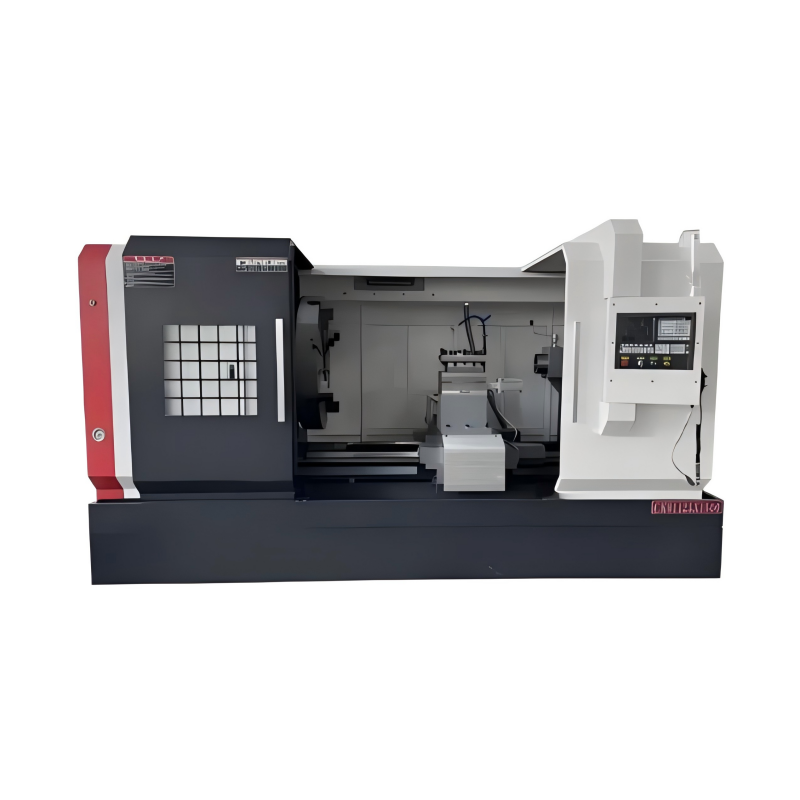
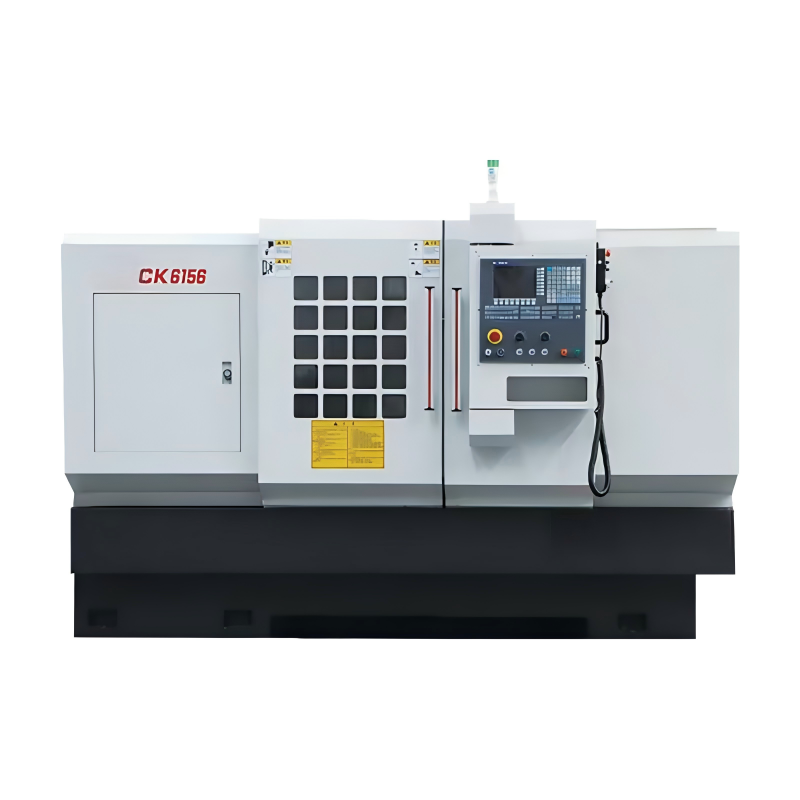
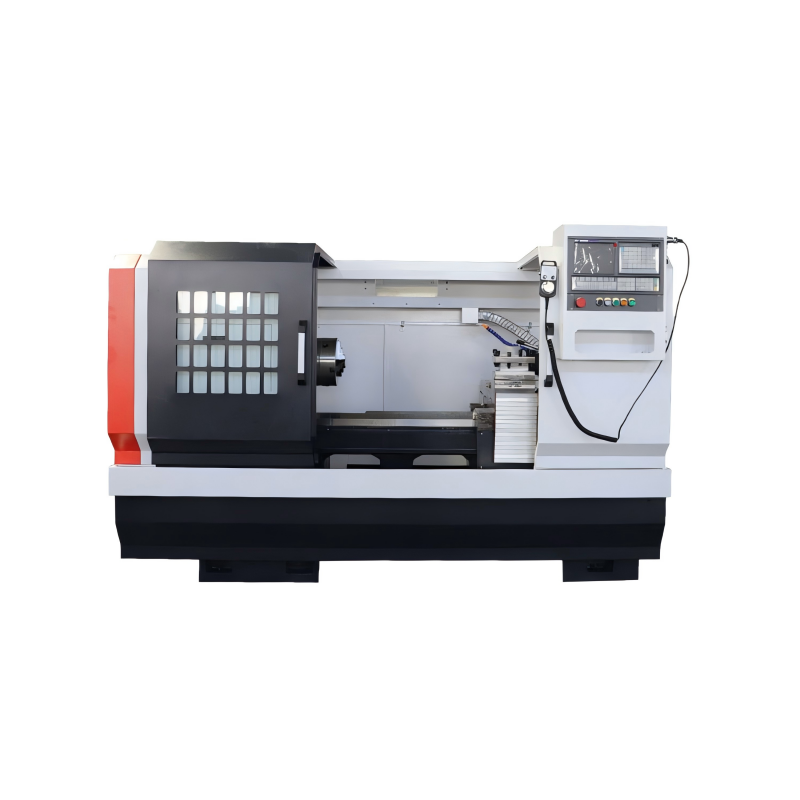
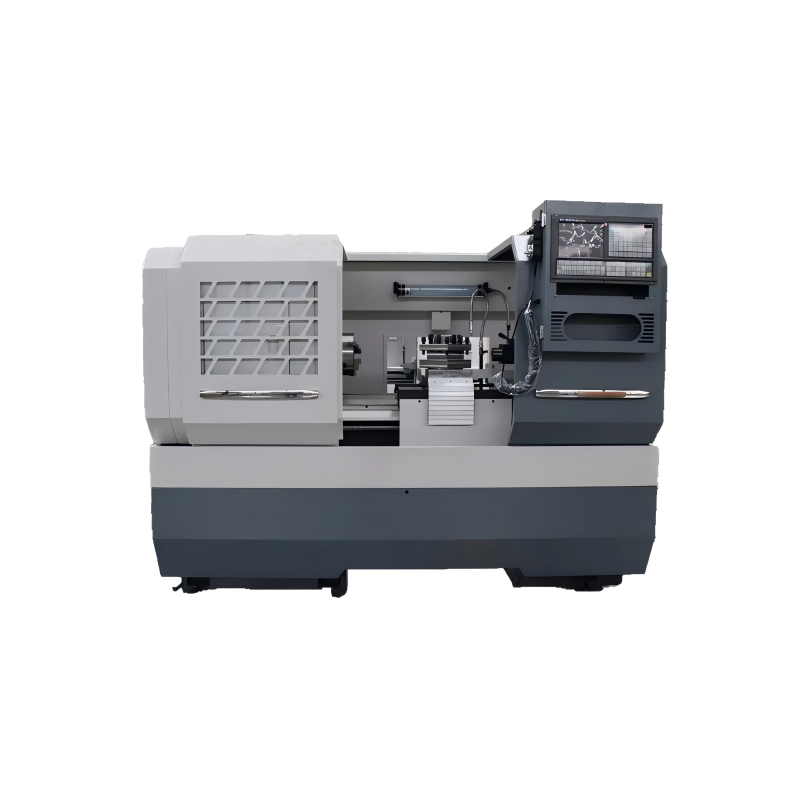
In the realm of precision engineering, the adoption and application of advanced machinery play a crucial role in achieving high levels of accuracy and efficiency. One such piece of equipment that has revolutionized the manufacturing industry is the 3 axis horizontal CNC lathe. This article delves into the significance of 3 axis horizontal CNC Lathes, particularly those manufactured in China, and their pivotal role in precision engineering. By exploring various aspects including design, capabilities, and practical applications, this report aims to provide a comprehensive understanding of how these machines are shaping modern industrial practices.
A 3 axis horizontal CNC (Computer Numerical Control) lathe is an advanced machining tool designed for cutting, drilling, and shaping materials with high precision. Unlike its 2 axis counterpart, which primarily operates along two axes (X and Z), the 3 axis version adds an additional Y-axis, allowing for more complex operations and greater flexibility. The inclusion of the Y-axis enables the machine to perform off-centerline work, making it ideal for tasks requiring intricate detailing or asymmetrical components. In China, manufacturers have been at the forefront of developing innovative 3 axis horizontal CNC lathes, integrating state-of-the-art technology to meet global standards and demands.
The incorporation of sophisticated software and hardware in 3 axis horizontal CNC lathes from China significantly enhances both the precision and efficiency of production processes. These machines utilize advanced control systems that allow for precise programming and execution of tasks. High-resolution encoders and servomotors ensure smooth and accurate movements, while robust construction guarantees stability during operation. Additionally, many models come equipped with features like automatic tool changers and coolant systems, further streamlining the manufacturing process and reducing downtime. Such advancements not only improve the quality of the final product but also increase productivity, making 3 axis horizontal CNC lathes indispensable tools in precision engineering.
One of the key advantages of 3 axis horizontal CNC lathes is their versatility in processing a wide range of materials. From metals like aluminum, steel, and titanium to plastics and composites, these machines can handle diverse substrates with ease. This adaptability makes them suitable for numerous industries, including automotive, aerospace, medical, and electronics. For instance, in the automotive sector, 3 axis horizontal CNC lathes are used to manufacture engine parts, transmission components, and other critical elements that require tight tolerances. Similarly, in the aerospace industry, they are employed in the production of turbine blades, landing gear components, and structural parts. The ability to work with different materials and produce complex geometries positions 3 axis horizontal CNC lathes as versatile solutions for precision engineering challenges across multiple sectors.
While the initial investment in a 3 axis horizontal CNC lathe may be higher compared to traditional lathes, the long-term benefits often outweigh the costs. These machines offer significant savings in terms of labor, time, and material waste. The automation and precision provided by 3 axis horizontal CNC lathes reduce the need for manual intervention, thereby minimizing human error and increasing overall efficiency. Furthermore, the ability to perform multiple operations in a single setup reduces setup times and eliminates the need for additional machines, leading to lower operational costs. Chinese manufacturers have also made efforts to make these machines more affordable without compromising on quality, making them accessible to a broader range of businesses. As a result, 3 axis horizontal CNC lathes represent a cost-effective and strategic investment for companies looking to enhance their manufacturing capabilities and stay competitive in the global market.
The landscape of 3 axis horizontal CNC lathes is continuously evolving, driven by technological advancements and changing industry needs. Future trends in this field include the integration of artificial intelligence (AI) and machine learning (ML) to optimize performance and predictive maintenance. AI algorithms can analyze data from sensors and other sources to detect potential issues before they become critical, ensuring minimal downtime and maximizing productivity. Additionally, there is a growing focus on sustainability, with manufacturers developing energy-efficient models and using eco-friendly materials. As the demand for precision engineering continues to rise, 3 axis horizontal CNC lathes will likely see further innovations, enabling even more complex and precise manufacturing processes. Chinese manufacturers are well-positioned to lead these advancements, contributing to the global advancement of precision engineering technologies.
In conclusion, 3 axis horizontal CNC lathes, especially those produced in China, are essential tools in the field of precision engineering. Their enhanced precision, efficiency, and flexibility make them invaluable assets for a wide range of industries. By investing in these advanced machines, businesses can achieve higher quality products, reduce costs, and stay ahead in a competitive market. As technology continues to advance, the role of 3 axis horizontal CNC lathes in precision engineering will only become more significant, driving innovation and excellence in manufacturing.
 15/06/2026
In the realm of precision manufacturing, the selection of the right CNC lathe is crucial for achieving high-quality output and operational efficiency. This guide delves into the specifics of choosing a 2-axis horizontal CNC lathe, with insights that can b
Read More15/06/2026As the global manufacturing landscape continues to evolve, so too does the technology that underpins it. One area where significant advancements have been made is in the development of 3 axis CNC lathes, with Chinese manufacturers leading the way in innov
Read More15/06/2026In recent years, China has emerged as a global leader in manufacturing, with CNC (Computer Numerical Control) technology playing a pivotal role in this transformation. Among the various types of CNC machines, the 2 axis and 3 axis horizontal CNC lathes ha
Read More15/06/2026In the realm of precision machining, the introduction and evolution of Computer Numerical Control (CNC) lathes have significantly transformed manufacturing processes. Among these, 2 axis and 3 axis horizontal CNC lathes from China stand out as essential t
Read More15/06/2026In the ever-evolving landscape of modern manufacturing, precision and efficiency are paramount. The introduction of Computer Numerical Control (CNC) lathes has revolutionized the way parts and components are machined. Among these, the 2-axis horizontal CN
Read More15/06/2026As the global manufacturing industry continues to evolve, the demand for high-precision and efficient machining solutions has never been higher. Among these, 3 axis horizontal CNC lathes from China have emerged as a popular choice for manufacturers worldw
Read More15/06/2026Introduction to 2 Axis CNC Lathes in China's Manufacturing Sector The manufacturing industry, particularly in China, has seen a significant shift towards automation and precision engineering. One of the key machines driving this transformation is the 2 ax
Read More15/06/2026The evolution of machining technology has been marked by significant advancements, with the development of 3 axis horizontal CNC lathes being a pivotal milestone. These machines, which are increasingly being manufactured in China, represent a new era in p
Read More15/06/2026In the realm of high-volume manufacturing, selecting the right CNC (Computer Numerical Control) lathe is crucial for achieving efficiency, precision, and cost-effectiveness. This technical report focuses on the key features to look for in a 2 axis CNC lat
Read More15/06/2026China, a global leader in manufacturing, has been at the forefront of developing advanced machinery that boosts productivity and efficiency. One such innovation is the 3 axis horizontal CNC lathe, which offers significant advantages over its 2 axis counte
Read More15/06/2026In the evolving landscape of small-scale production, the integration of advanced machinery has become a necessity for businesses aiming to remain competitive. One such piece of equipment that stands out in this context is the 2 axis CNC lathe, which, alon
Read More15/06/2026In recent years, the advancements in 3 axis horizontal CNC lathe technology from China have significantly influenced the global manufacturing landscape. This report delves into the latest innovations and their implications for the industry, highlighting k
Read More15/06/2026Choosing the right 2 axis CNC lathe for your manufacturing needs is a critical decision that can significantly impact the efficiency and quality of your production processes. In this comprehensive guide, we will explore the key factors to consider when se
Read More14/06/2026With the rapid development of modern manufacturing, CNC (Computer Numerical Control) lathes have become an indispensable part of the industry. Among these, 2-axis and 3-axis horizontal CNC lathes from China have gained significant attention due to their v
Read MoreOur professional sales team is always ready to assist you.