Introduction to 2 Axis CNC Lathes in China's Manufacturing Sector
The manufacturing industry, particularly in China, has seen a significant shift towards automation and precision engineering. One of the key machines driving this transformation is the 2 axis CNC Lathe. This type of machine tool plays a crucial role in producing cylindrical parts with high accuracy and efficiency. In contrast to its more complex cousins, like the 3 axis horizontal CNC lathe, the 2 axis variant offers a cost-effective solution for many applications, making it an attractive option for both small and large-scale manufacturers.
Understanding the Operational Mechanics of 2 Axis CNC Lathes
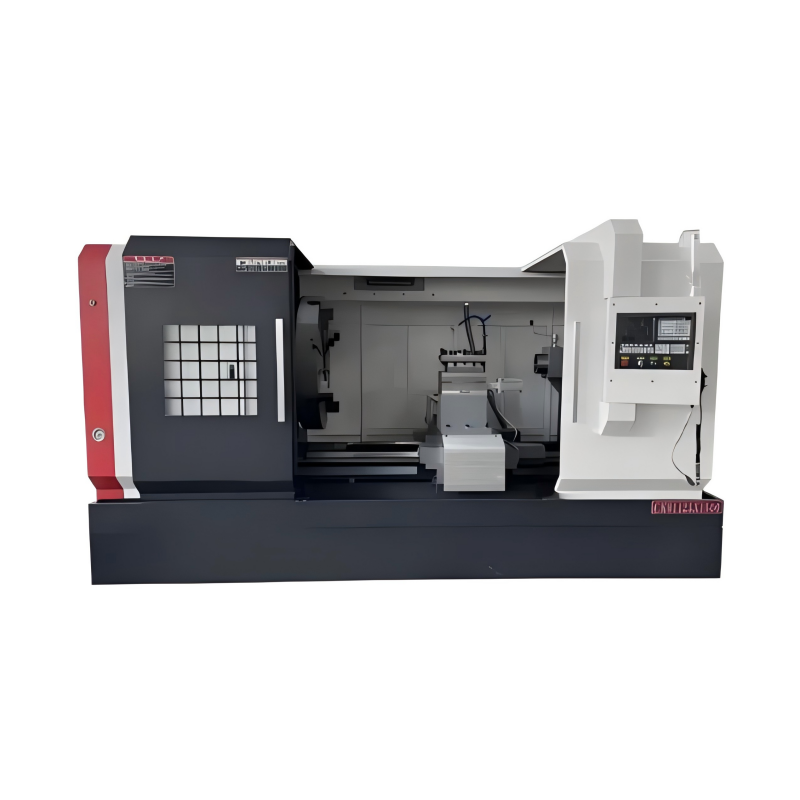
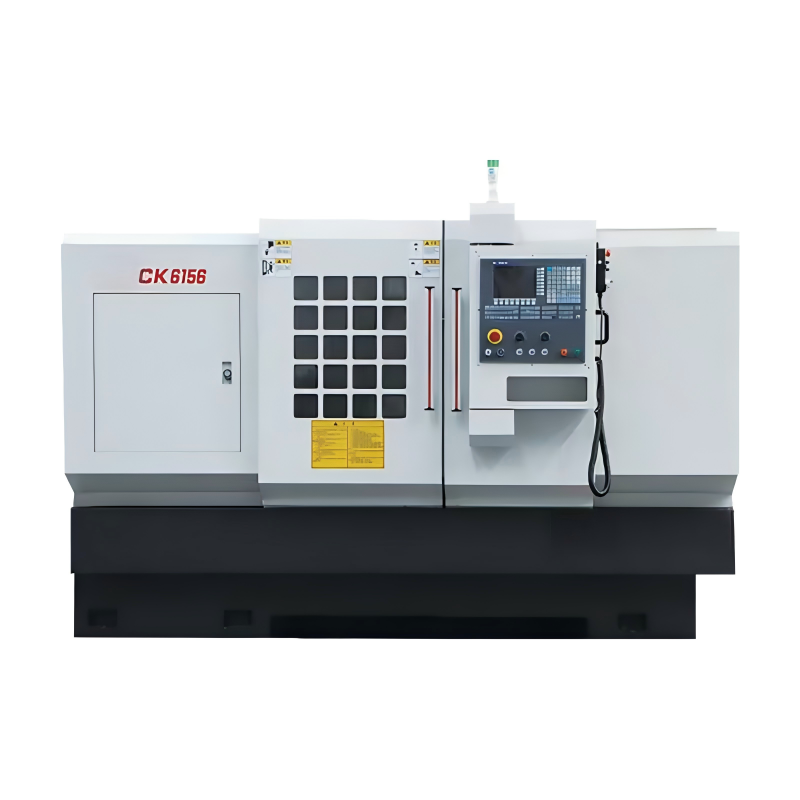
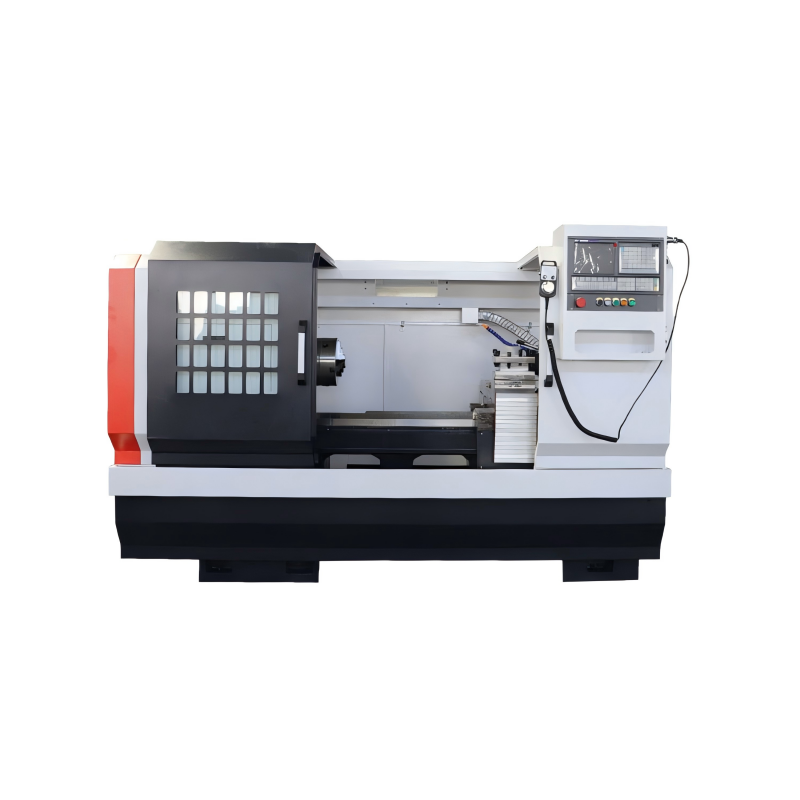
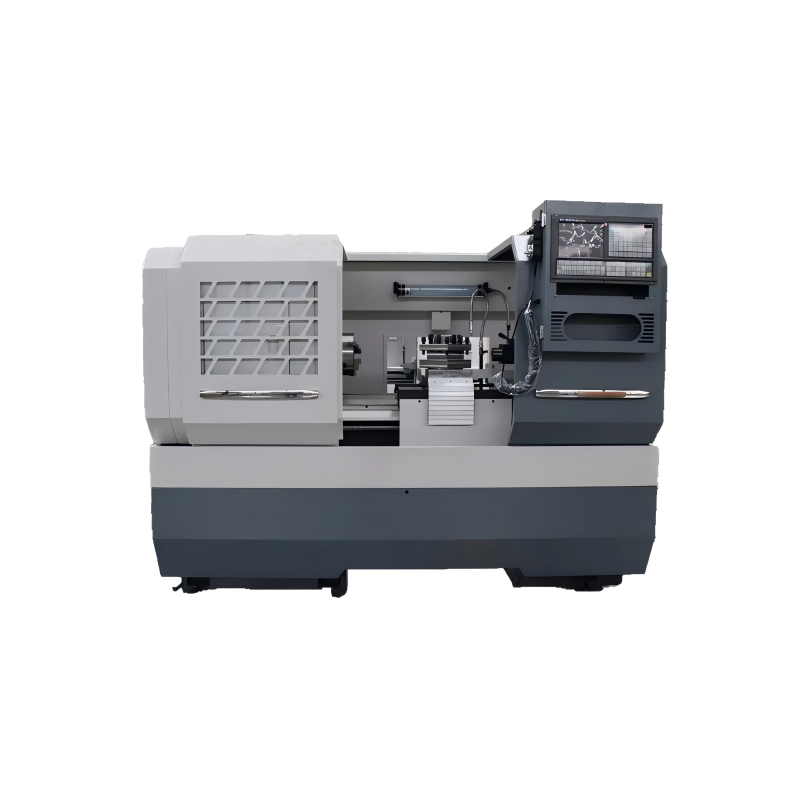
A 2 axis CNC lathe operates on two principal axes: the X-axis, which controls the cross slide movement, and the Z-axis, responsible for spindle head positioning. This dual-axis system allows for the creation of intricate shapes and surfaces by rotating the workpiece against a stationary cutting tool or vice versa. The simplicity of this design makes these lathes easy to operate and maintain, contributing to their widespread adoption across various industries in China and beyond. However, it also means that certain complex operations, such as those requiring angular cuts or multi-sided machining, cannot be performed without additional setup or manual intervention, highlighting one of the limitations of 2 axis CNC lathes compared to their 3 axis counterparts.
Advantages of Using 2 Axis CNC Lathes in Production
One of the primary advantages of 2 axis CNC lathes is their ability to produce highly accurate parts at a relatively low cost. These machines are ideal for turning operations, where the material is removed from the workpiece through a rotational motion. By utilizing advanced software and control systems, 2 axis CNC lathes can achieve tight tolerances, ensuring that each part meets the required specifications. Additionally, the straightforward design of these lathes reduces the learning curve for operators, allowing for faster integration into existing production lines. Moreover, maintenance costs are generally lower than for more complex machines, such as 3 axis horizontal CNC lathes, due to fewer moving parts and simpler mechanical structures.
Limitations and Challenges Faced by 2 Axis CNC Lathe Operators
Despite their numerous benefits, 2 axis CNC lathes do have some limitations that can impact their suitability for certain projects. For instance, they lack the Y-axis functionality found in 3 axis horizontal CNC lathes, which limits their ability to perform milling operations or create features that require off-center cutting. This constraint necessitates either manual adjustment or the use of additional equipment, potentially increasing production time and costs. Furthermore, while 2 axis lathes excel in simple turning tasks, they may struggle with more complex geometries or when working with harder materials, areas where 3 axis models often outperform. Understanding these limitations is crucial for manufacturers to make informed decisions about the most appropriate machinery for their specific needs.
Innovation and Future Trends in 2 Axis CNC Technology
As technology continues to evolve, so too does the capabilities of 2 axis CNC lathes. Advances in software, such as improved CAM (Computer-Aided Manufacturing) programs, enable better optimization of tool paths and machining strategies, thereby enhancing productivity and reducing waste. Furthermore, there is a growing trend towards integrating Industry 4.0 technologies, including IoT (Internet of Things), AI (Artificial Intelligence), and machine learning, into CNC machining processes. These innovations promise to further streamline operations, improve predictive maintenance, and increase overall efficiency. While 2 axis CNC lathes may not offer the same level of versatility as 3 axis horizontal CNC lathes, ongoing technological advancements continue to expand their potential, ensuring they remain a vital component of China’s dynamic manufacturing landscape.
 15/06/2026



