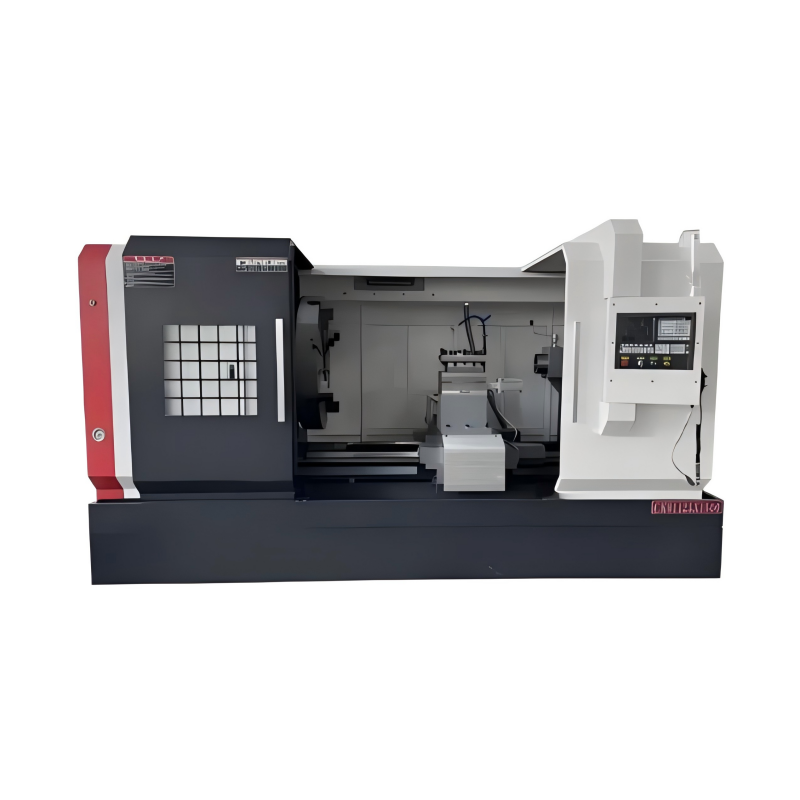
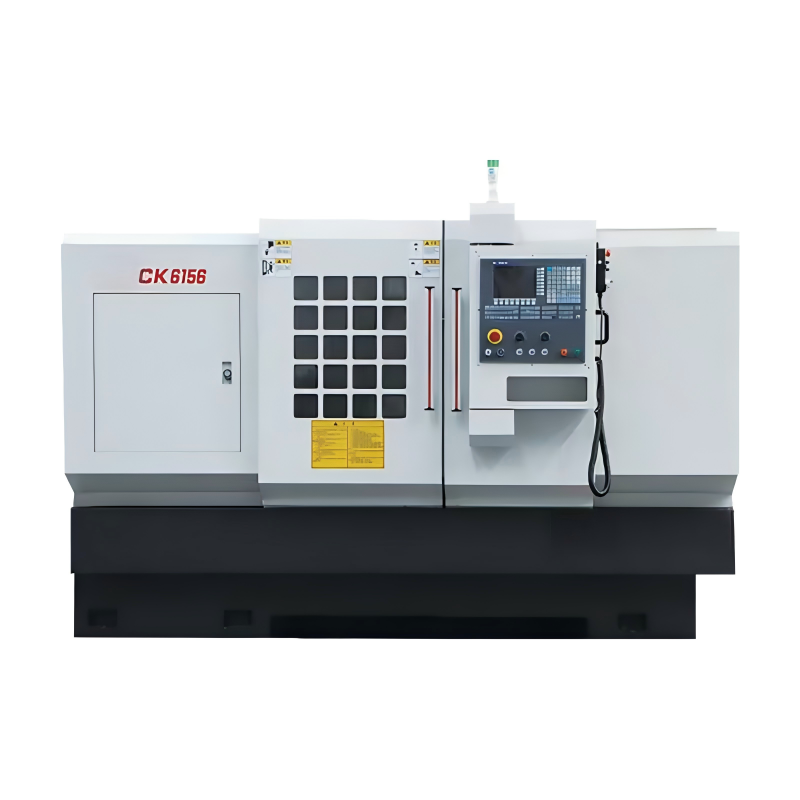
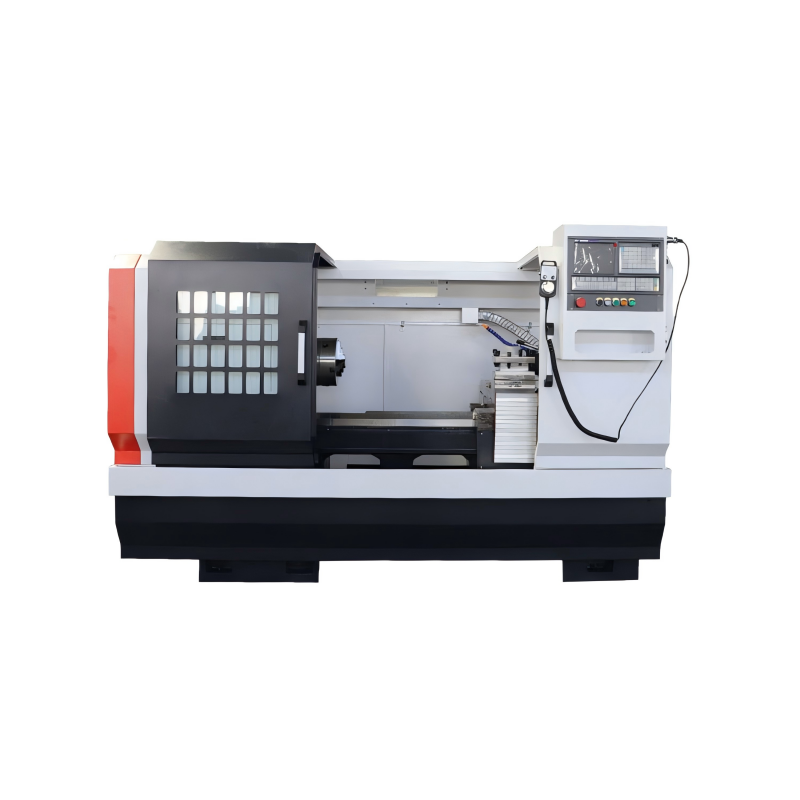
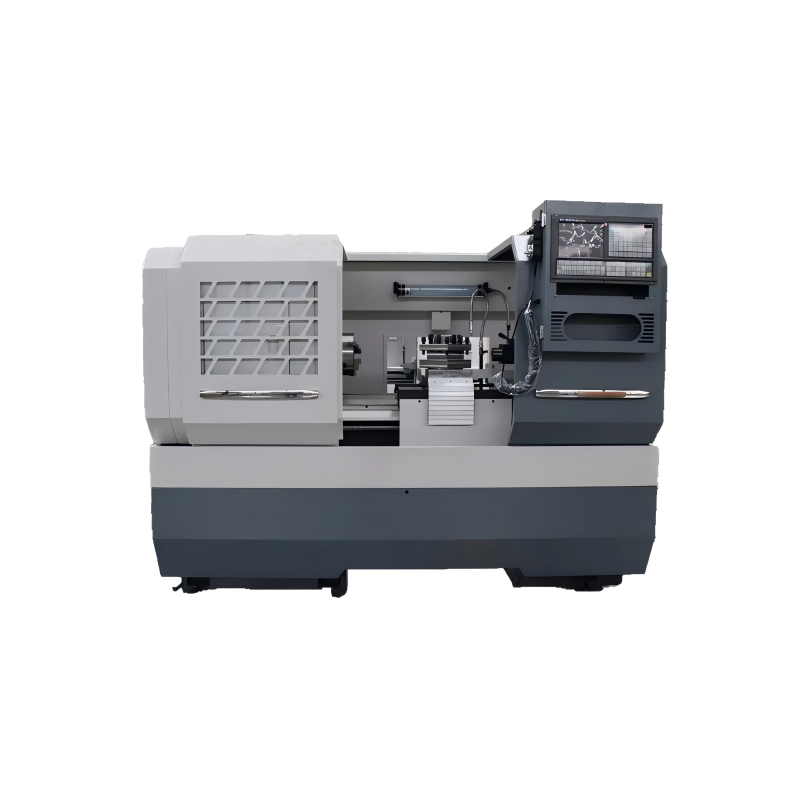
In the evolving landscape of small-scale production, the integration of advanced machinery has become a necessity for businesses aiming to remain competitive. One such piece of equipment that stands out in this context is the 2 axis CNC lathe, which, along with its more versatile cousin, the 3 axis horizontal CNC Lathe, is transforming how manufacturers in China and around the world approach their operations. This report delves into the transformative impact of 2 axis CNC lathes on small-scale production, exploring their benefits, applications, and the technological advancements driving their adoption.
The primary advantage of adopting 2 axis CNC lathes in small-scale production environments is the significant improvement in precision and efficiency. These machines are designed to perform highly accurate cuts and shapes, thanks to their computer-controlled movements. In contrast to traditional manual lathes, where human error can lead to inconsistencies, 2 axis CNC lathes ensure that every piece produced meets the exact specifications required. This level of precision is particularly beneficial for industries such as aerospace, automotive, and medical device manufacturing, where even the slightest deviation from the design can have serious consequences. Moreover, the automation provided by these lathes allows for faster turnaround times, increasing the overall productivity of the production line without compromising on quality.
Another key factor contributing to the growing popularity of 2 axis CNC lathes among small-scale producers is their cost-effectiveness and scalability. Initially, the investment in a CNC lathe may seem substantial; however, when considering the long-term benefits, it becomes clear that these machines offer a good return on investment. The ability to produce high-quality parts consistently reduces waste, thereby lowering material costs. Additionally, the reduced need for skilled labor, due to the automated nature of the process, helps in managing operational expenses. For startups or small enterprises looking to scale up their operations, the flexibility offered by 2 axis CNC lathes, and even more so by 3 axis horizontal CNC lathes, provides an excellent foundation for growth. As demand increases, these machines can easily be adapted to handle larger volumes, making them a smart choice for businesses with expansion plans.
The rapid pace of technological advancement is another driver behind the widespread adoption of 2 axis CNC lathes. Modern CNC lathes come equipped with sophisticated software that not only controls the cutting process but also integrates seamlessly with other systems within the production environment. This connectivity enables real-time monitoring and adjustments, ensuring optimal performance at all times. Furthermore, developments in machine learning and artificial intelligence (AI) are being leveraged to predict maintenance needs, prevent downtime, and optimize production schedules. Such innovations make 2 axis CNC lathes, and indeed 3 axis horizontal CNC lathes, indispensable tools for manufacturers seeking to stay ahead in a competitive market. In China, where the manufacturing sector is rapidly modernizing, these technologies play a crucial role in maintaining the country's position as a global leader in industrial production.
In conclusion, the advent of 2 axis CNC lathes represents a significant leap forward in the capabilities of small-scale production facilities. By offering unparalleled precision, enhancing cost-efficiency, and benefiting from ongoing technological advancements, these machines are revolutionizing the way products are made. Whether it's a simple 2 axis setup or a more complex 3 axis horizontal CNC lathe, the future of small-scale manufacturing looks bright, promising increased competitiveness and sustainability for businesses across various sectors.
 15/06/2026
In the realm of precision manufacturing, the selection of the right CNC lathe is crucial for achieving high-quality output and operational efficiency. This guide delves into the specifics of choosing a 2-axis horizontal CNC lathe, with insights that can b
Read More15/06/2026As the global manufacturing landscape continues to evolve, so too does the technology that underpins it. One area where significant advancements have been made is in the development of 3 axis CNC lathes, with Chinese manufacturers leading the way in innov
Read More15/06/2026In recent years, China has emerged as a global leader in manufacturing, with CNC (Computer Numerical Control) technology playing a pivotal role in this transformation. Among the various types of CNC machines, the 2 axis and 3 axis horizontal CNC lathes ha
Read More15/06/2026In the realm of precision machining, the introduction and evolution of Computer Numerical Control (CNC) lathes have significantly transformed manufacturing processes. Among these, 2 axis and 3 axis horizontal CNC lathes from China stand out as essential t
Read More15/06/2026In the ever-evolving landscape of modern manufacturing, precision and efficiency are paramount. The introduction of Computer Numerical Control (CNC) lathes has revolutionized the way parts and components are machined. Among these, the 2-axis horizontal CN
Read More15/06/2026As the global manufacturing industry continues to evolve, the demand for high-precision and efficient machining solutions has never been higher. Among these, 3 axis horizontal CNC lathes from China have emerged as a popular choice for manufacturers worldw
Read More15/06/2026Introduction to 2 Axis CNC Lathes in China's Manufacturing Sector The manufacturing industry, particularly in China, has seen a significant shift towards automation and precision engineering. One of the key machines driving this transformation is the 2 ax
Read More15/06/2026The evolution of machining technology has been marked by significant advancements, with the development of 3 axis horizontal CNC lathes being a pivotal milestone. These machines, which are increasingly being manufactured in China, represent a new era in p
Read More15/06/2026In the realm of high-volume manufacturing, selecting the right CNC (Computer Numerical Control) lathe is crucial for achieving efficiency, precision, and cost-effectiveness. This technical report focuses on the key features to look for in a 2 axis CNC lat
Read More15/06/2026China, a global leader in manufacturing, has been at the forefront of developing advanced machinery that boosts productivity and efficiency. One such innovation is the 3 axis horizontal CNC lathe, which offers significant advantages over its 2 axis counte
Read More15/06/2026In recent years, the advancements in 3 axis horizontal CNC lathe technology from China have significantly influenced the global manufacturing landscape. This report delves into the latest innovations and their implications for the industry, highlighting k
Read More15/06/2026Choosing the right 2 axis CNC lathe for your manufacturing needs is a critical decision that can significantly impact the efficiency and quality of your production processes. In this comprehensive guide, we will explore the key factors to consider when se
Read More15/06/2026In the realm of precision engineering, the adoption and application of advanced machinery play a crucial role in achieving high levels of accuracy and efficiency. One such piece of equipment that has revolutionized the manufacturing industry is the 3 axis
Read More14/06/2026With the rapid development of modern manufacturing, CNC (Computer Numerical Control) lathes have become an indispensable part of the industry. Among these, 2-axis and 3-axis horizontal CNC lathes from China have gained significant attention due to their v
Read MoreOur professional sales team is always ready to assist you.