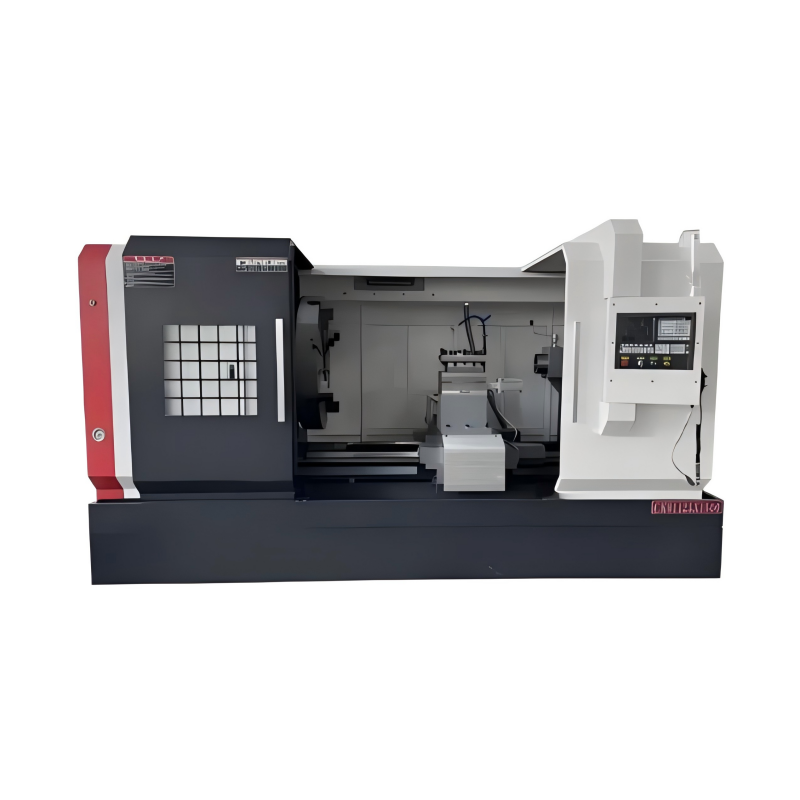
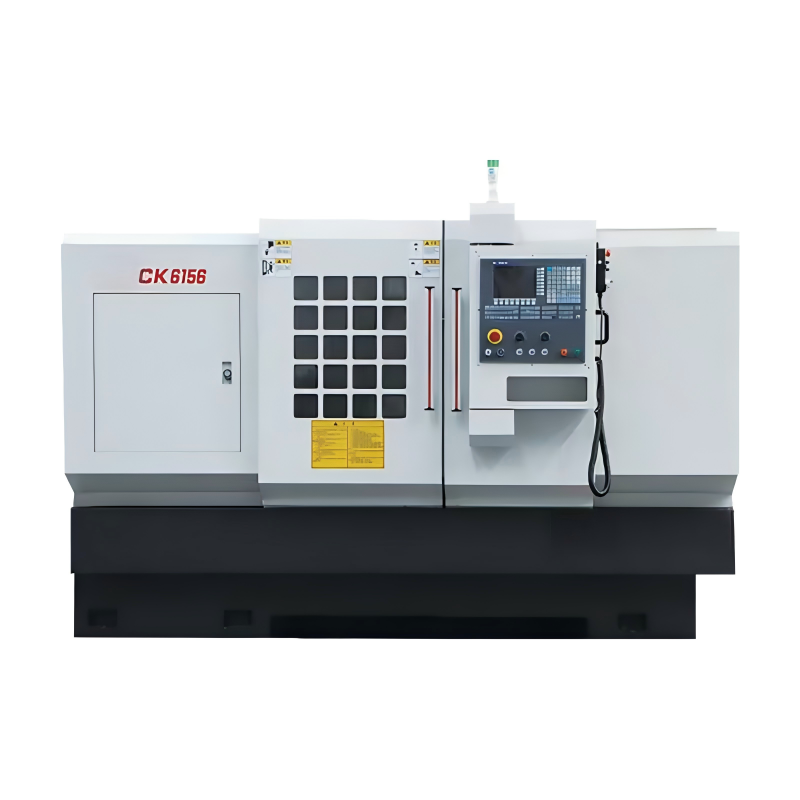
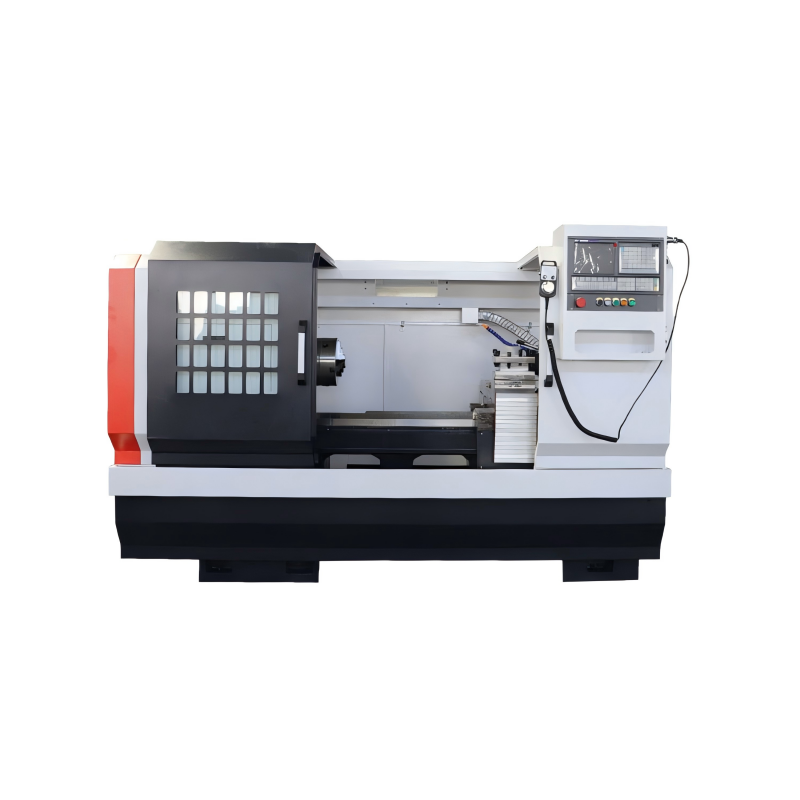
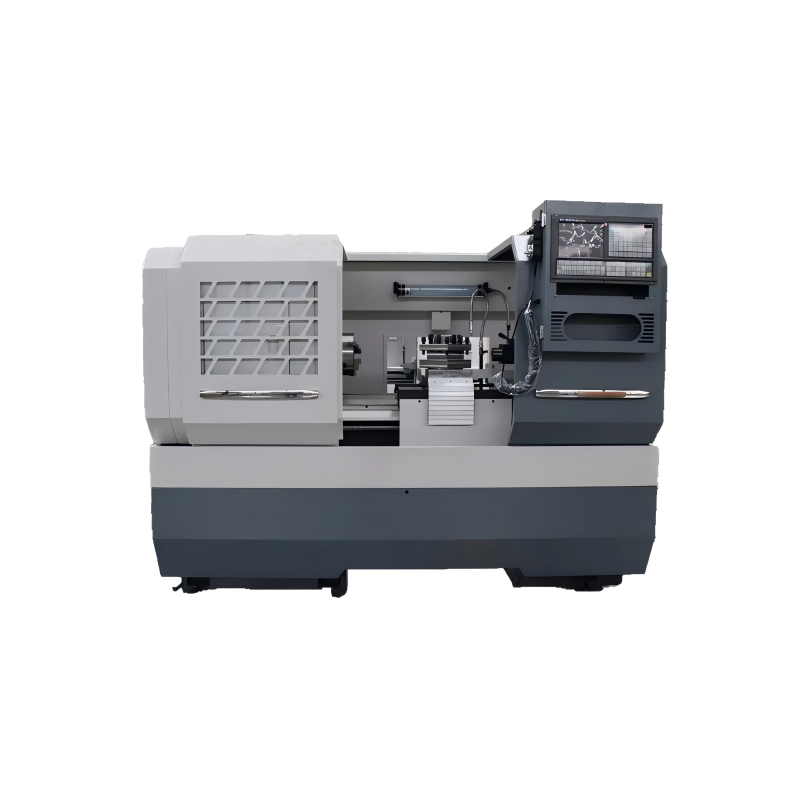
In the realm of high-volume manufacturing, selecting the right CNC (Computer Numerical Control) lathe is crucial for achieving efficiency, precision, and cost-effectiveness. This technical report focuses on the key features to look for in a 2 axis CNC Lathe, particularly those manufactured in China, which are increasingly popular due to their competitive pricing and robust performance. Additionally, we will touch upon the advantages of 3 axis horizontal CNC lathes, providing a comprehensive overview for manufacturers looking to upgrade or expand their machining capabilities.
One of the most critical factors in choosing a 2 axis CNC lathe is its ability to deliver high precision and accuracy. In high-volume manufacturing, even the slightest deviation can lead to significant quality issues and increased scrap rates. A 2 axis CNC lathe from China should be equipped with advanced control systems and high-resolution encoders to ensure that the machine can maintain tight tolerances over long production runs. Additionally, the use of high-quality materials and components, such as pre-tensioned ball screws and linear guides, can further enhance the machine's precision and repeatability. It is essential to verify the machine's specifications and performance data, such as positional accuracy and repeatability, to ensure it meets the required standards.
A 2 axis CNC lathe must be built to withstand the rigors of high-volume manufacturing. The construction of the machine should be robust, using high-strength materials and heavy-duty components to ensure durability and longevity. Key features to look for include a solid cast iron bed, which provides excellent stability and vibration damping, and a rigid spindle design that can handle high cutting forces without deflection. Additionally, the machine should have a well-designed chip evacuation system to prevent the accumulation of chips, which can cause wear and damage to the machine. Regular maintenance and proper operating conditions are also crucial for extending the lifespan of the 2 axis CNC lathe and ensuring consistent performance.
In high-volume manufacturing, automation is key to maximizing productivity and reducing labor costs. A 2 axis CNC lathe should be designed with automation in mind, offering features such as automatic tool changers, bar feeders, and part catchers. These features allow for continuous, unattended operation, significantly increasing the machine's throughput and efficiency. Furthermore, the 2 axis CNC lathe should be easily integrable into existing production lines and compatible with various software and control systems. This integration capability ensures seamless communication between the lathe and other machines, enabling efficient data exchange and process optimization. For manufacturers looking to future-proof their operations, investing in a 2 axis CNC lathe with advanced automation and integration capabilities is a wise choice.
While a 2 axis CNC lathe is primarily designed for turning operations, it is important to consider its flexibility and versatility. Some 2 axis lathes may offer additional features, such as live tooling or Y-axis capabilities, which can expand their functionality and enable more complex machining operations. However, if more advanced capabilities are required, a 3 axis horizontal CNC lathe may be a better option. 3 axis lathes provide an additional axis of movement, allowing for more intricate and multi-faceted machining, such as milling and drilling, in a single setup. This can be particularly beneficial for manufacturers who need to produce parts with multiple features or require high levels of customization. When evaluating a 2 axis CNC lathe, it is important to consider the specific requirements of your production processes and whether the machine's capabilities align with your needs.
To ensure smooth and efficient operation, a 2 axis CNC lathe should have a user-friendly interface and be easy to operate. The control panel should be intuitive, with clear and well-organized menus and controls. Modern CNC lathes often come with touch-screen interfaces, which provide a more interactive and user-friendly experience. Additionally, the machine should support common programming languages, such as G-code, and offer features like program simulation and error detection to help operators identify and correct issues before they become costly mistakes. Training and support from the manufacturer are also crucial, as they can help operators quickly learn how to use the machine and troubleshoot any problems that may arise. A 2 axis CNC lathe that is easy to operate and maintain can significantly reduce downtime and improve overall productivity.
In conclusion, when selecting a 2 axis CNC lathe for high-volume manufacturing, it is essential to consider key features such as high precision and accuracy, robust construction and durability, automation and integration capabilities, flexibility and versatility, and a user-friendly interface. By carefully evaluating these features, manufacturers can ensure that they invest in a machine that will meet their production needs and deliver reliable, high-quality results. Additionally, considering the advantages of 3 axis horizontal CNC lathes can provide further insights into the best solution for your specific manufacturing requirements.
 15/06/2026
In the realm of precision manufacturing, the selection of the right CNC lathe is crucial for achieving high-quality output and operational efficiency. This guide delves into the specifics of choosing a 2-axis horizontal CNC lathe, with insights that can b
Read More15/06/2026As the global manufacturing landscape continues to evolve, so too does the technology that underpins it. One area where significant advancements have been made is in the development of 3 axis CNC lathes, with Chinese manufacturers leading the way in innov
Read More15/06/2026In recent years, China has emerged as a global leader in manufacturing, with CNC (Computer Numerical Control) technology playing a pivotal role in this transformation. Among the various types of CNC machines, the 2 axis and 3 axis horizontal CNC lathes ha
Read More15/06/2026In the realm of precision machining, the introduction and evolution of Computer Numerical Control (CNC) lathes have significantly transformed manufacturing processes. Among these, 2 axis and 3 axis horizontal CNC lathes from China stand out as essential t
Read More15/06/2026In the ever-evolving landscape of modern manufacturing, precision and efficiency are paramount. The introduction of Computer Numerical Control (CNC) lathes has revolutionized the way parts and components are machined. Among these, the 2-axis horizontal CN
Read More15/06/2026As the global manufacturing industry continues to evolve, the demand for high-precision and efficient machining solutions has never been higher. Among these, 3 axis horizontal CNC lathes from China have emerged as a popular choice for manufacturers worldw
Read More15/06/2026Introduction to 2 Axis CNC Lathes in China's Manufacturing Sector The manufacturing industry, particularly in China, has seen a significant shift towards automation and precision engineering. One of the key machines driving this transformation is the 2 ax
Read More15/06/2026The evolution of machining technology has been marked by significant advancements, with the development of 3 axis horizontal CNC lathes being a pivotal milestone. These machines, which are increasingly being manufactured in China, represent a new era in p
Read More15/06/2026China, a global leader in manufacturing, has been at the forefront of developing advanced machinery that boosts productivity and efficiency. One such innovation is the 3 axis horizontal CNC lathe, which offers significant advantages over its 2 axis counte
Read More15/06/2026In the evolving landscape of small-scale production, the integration of advanced machinery has become a necessity for businesses aiming to remain competitive. One such piece of equipment that stands out in this context is the 2 axis CNC lathe, which, alon
Read More15/06/2026In recent years, the advancements in 3 axis horizontal CNC lathe technology from China have significantly influenced the global manufacturing landscape. This report delves into the latest innovations and their implications for the industry, highlighting k
Read More15/06/2026Choosing the right 2 axis CNC lathe for your manufacturing needs is a critical decision that can significantly impact the efficiency and quality of your production processes. In this comprehensive guide, we will explore the key factors to consider when se
Read More15/06/2026In the realm of precision engineering, the adoption and application of advanced machinery play a crucial role in achieving high levels of accuracy and efficiency. One such piece of equipment that has revolutionized the manufacturing industry is the 3 axis
Read More14/06/2026With the rapid development of modern manufacturing, CNC (Computer Numerical Control) lathes have become an indispensable part of the industry. Among these, 2-axis and 3-axis horizontal CNC lathes from China have gained significant attention due to their v
Read MoreOur professional sales team is always ready to assist you.