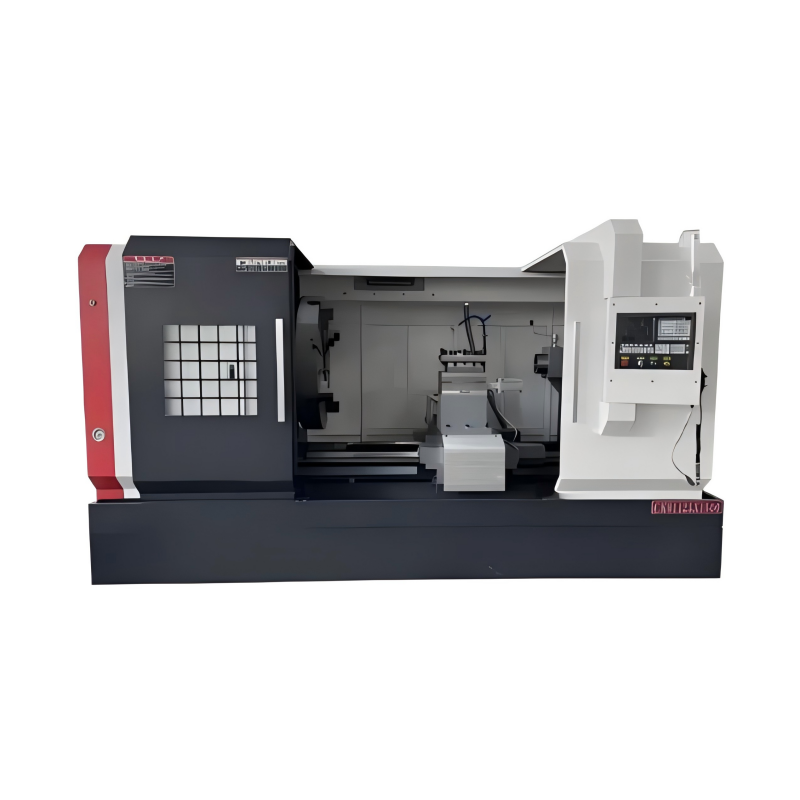
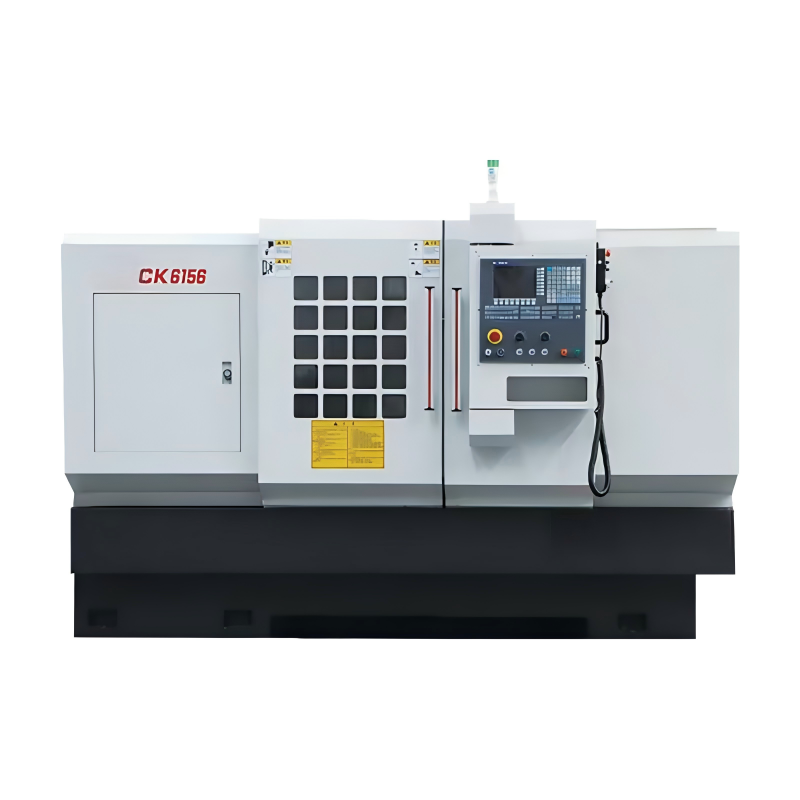
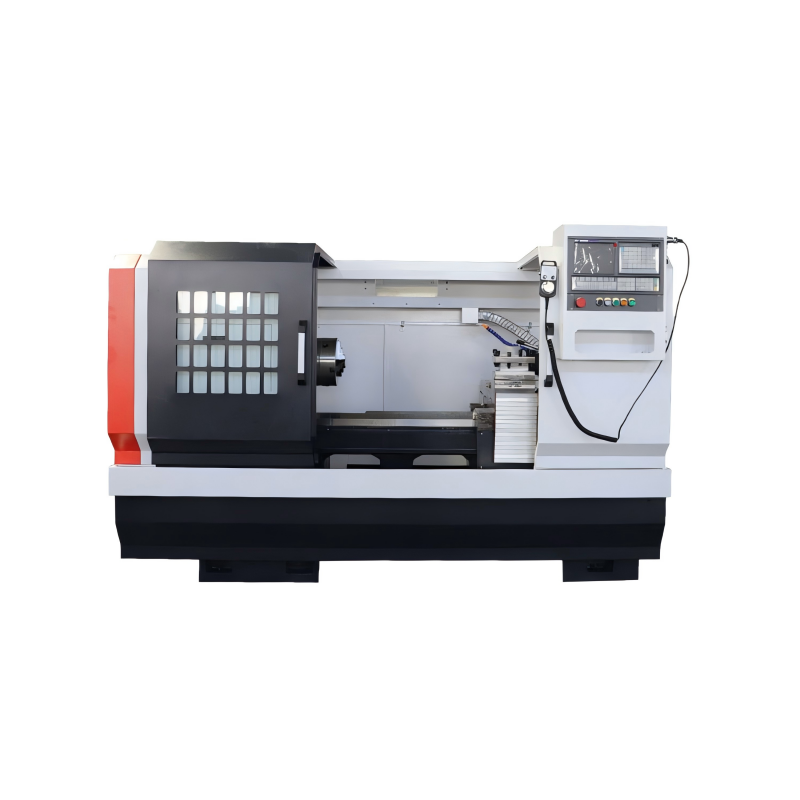
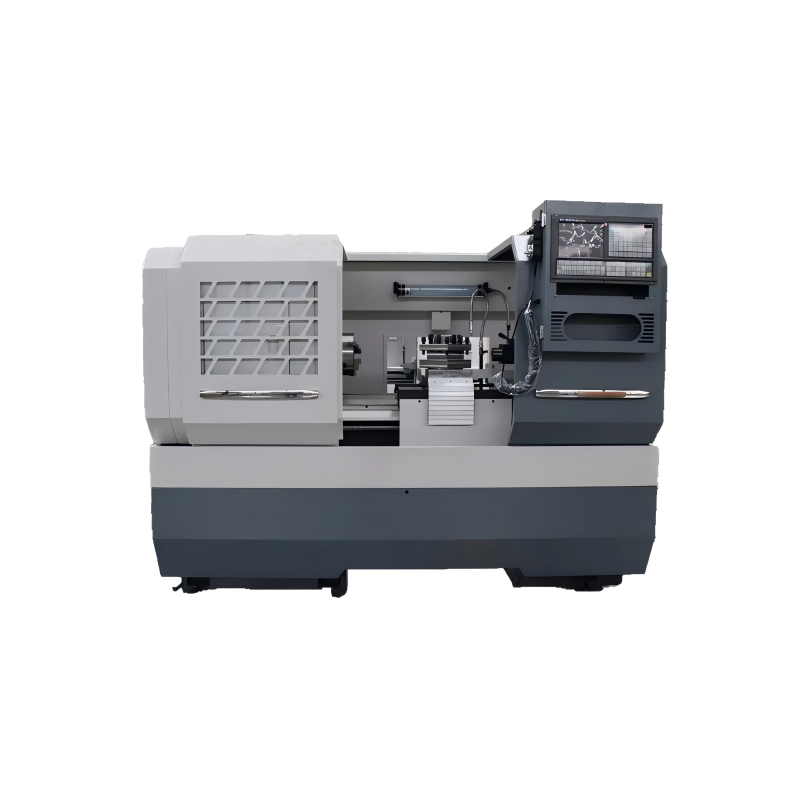
In the realm of precision manufacturing, the selection of the right CNC lathe is crucial for achieving high-quality output and operational efficiency. This guide delves into the specifics of choosing a 2-axis horizontal CNC Lathe, with insights that can be applied to a broader range of machinery, including 3 axis horizontal CNC lathe China options. Understanding the nuances between these machines and their applications will help you make an informed decision.
A 2-axis horizontal CNC lathe operates along two axes: the X-axis (crosswise) and the Z-axis (longitudinal). These machines are ideal for turning operations where parts need to be machined from one or both ends. The primary function of a 2-axis lathe is to remove material from a workpiece, shaping it into the desired form. They are particularly useful for cylindrical components, such as shafts, pins, and bushings. In contrast, a 3 axis horizontal CNC lathe China offers additional capabilities, allowing for more complex machining operations, but this guide focuses on the 2-axis variant.
Before selecting a 2-axis horizontal CNC lathe, it is essential to evaluate your production requirements. Consider the following factors:
By carefully evaluating these factors, you can ensure that the 2-axis horizontal CNC lathe you select aligns with your production goals and enhances your manufacturing process.
When selecting a 2-axis horizontal CNC lathe, several key features should be considered to ensure optimal performance and longevity. These include:
These features collectively contribute to the overall performance and reliability of the 2-axis horizontal CNC lathe, making it a valuable asset in your manufacturing setup.
The cost of a 2-axis horizontal CNC lathe is a significant factor in the decision-making process. However, it is important to consider not just the initial purchase price but also the long-term costs and potential return on investment (ROI). Key cost considerations include:
By balancing these cost considerations, you can make a financially sound decision that maximizes the value of your 2-axis horizontal CNC lathe.
Selecting the right 2-axis horizontal CNC lathe involves a thorough evaluation of your production needs, an understanding of the key features, and a careful consideration of the costs and ROI. While a 3 axis horizontal CNC lathe China may offer additional capabilities, a 2-axis lathe can be a cost-effective and efficient solution for many manufacturing operations. By following this comprehensive guide, you can make an informed decision that enhances your production capabilities and drives your business forward.
 15/06/2026
As the global manufacturing landscape continues to evolve, so too does the technology that underpins it. One area where significant advancements have been made is in the development of 3 axis CNC lathes, with Chinese manufacturers leading the way in innov
Read More15/06/2026In recent years, China has emerged as a global leader in manufacturing, with CNC (Computer Numerical Control) technology playing a pivotal role in this transformation. Among the various types of CNC machines, the 2 axis and 3 axis horizontal CNC lathes ha
Read More15/06/2026In the realm of precision machining, the introduction and evolution of Computer Numerical Control (CNC) lathes have significantly transformed manufacturing processes. Among these, 2 axis and 3 axis horizontal CNC lathes from China stand out as essential t
Read More15/06/2026In the ever-evolving landscape of modern manufacturing, precision and efficiency are paramount. The introduction of Computer Numerical Control (CNC) lathes has revolutionized the way parts and components are machined. Among these, the 2-axis horizontal CN
Read More15/06/2026As the global manufacturing industry continues to evolve, the demand for high-precision and efficient machining solutions has never been higher. Among these, 3 axis horizontal CNC lathes from China have emerged as a popular choice for manufacturers worldw
Read More15/06/2026Introduction to 2 Axis CNC Lathes in China's Manufacturing Sector The manufacturing industry, particularly in China, has seen a significant shift towards automation and precision engineering. One of the key machines driving this transformation is the 2 ax
Read More15/06/2026The evolution of machining technology has been marked by significant advancements, with the development of 3 axis horizontal CNC lathes being a pivotal milestone. These machines, which are increasingly being manufactured in China, represent a new era in p
Read More15/06/2026In the realm of high-volume manufacturing, selecting the right CNC (Computer Numerical Control) lathe is crucial for achieving efficiency, precision, and cost-effectiveness. This technical report focuses on the key features to look for in a 2 axis CNC lat
Read More15/06/2026China, a global leader in manufacturing, has been at the forefront of developing advanced machinery that boosts productivity and efficiency. One such innovation is the 3 axis horizontal CNC lathe, which offers significant advantages over its 2 axis counte
Read More15/06/2026In the evolving landscape of small-scale production, the integration of advanced machinery has become a necessity for businesses aiming to remain competitive. One such piece of equipment that stands out in this context is the 2 axis CNC lathe, which, alon
Read More15/06/2026In recent years, the advancements in 3 axis horizontal CNC lathe technology from China have significantly influenced the global manufacturing landscape. This report delves into the latest innovations and their implications for the industry, highlighting k
Read More15/06/2026Choosing the right 2 axis CNC lathe for your manufacturing needs is a critical decision that can significantly impact the efficiency and quality of your production processes. In this comprehensive guide, we will explore the key factors to consider when se
Read More15/06/2026In the realm of precision engineering, the adoption and application of advanced machinery play a crucial role in achieving high levels of accuracy and efficiency. One such piece of equipment that has revolutionized the manufacturing industry is the 3 axis
Read More14/06/2026With the rapid development of modern manufacturing, CNC (Computer Numerical Control) lathes have become an indispensable part of the industry. Among these, 2-axis and 3-axis horizontal CNC lathes from China have gained significant attention due to their v
Read MoreOur professional sales team is always ready to assist you.