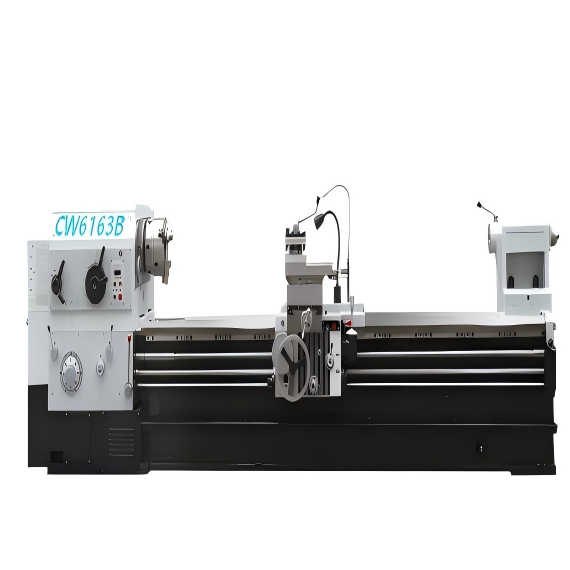
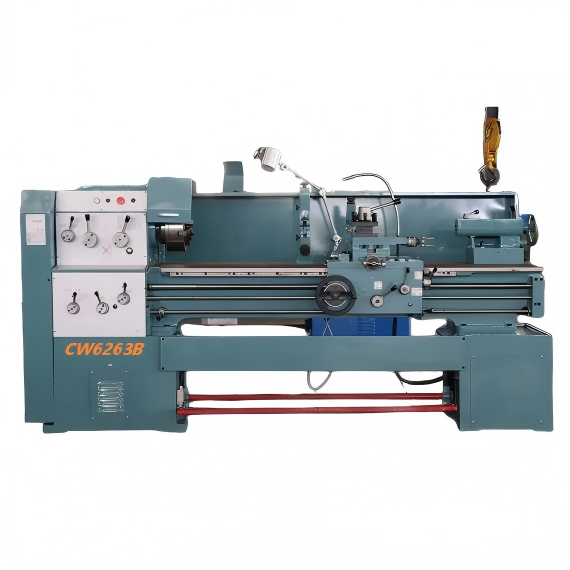
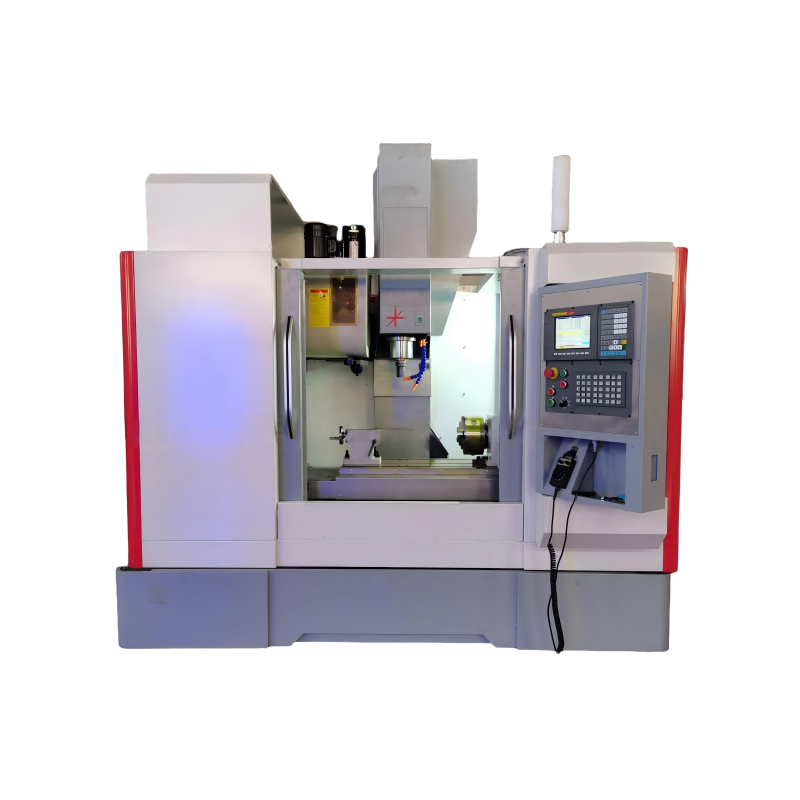
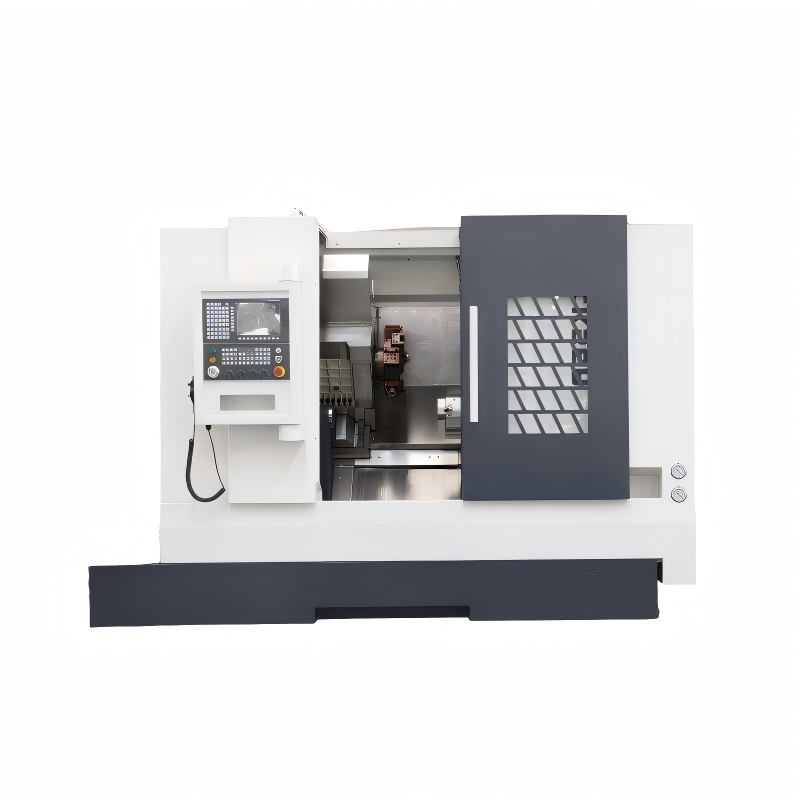
Horizontal lathes, also known as engine lathes, are versatile machines used for turning, facing, and boring operations. When it comes to choosing the right economic Horizontal Lathe Machine, several factors must be considered to ensure that the investment meets both the current and future needs of your manufacturing process. This guide aims to provide a comprehensive overview of the key considerations and steps involved in selecting an appropriate horizontal CNC lathe.
The first step in choosing the right Horizontal Lathe Machine is to have a clear understanding of your production requirements. This includes the types of materials you will be working with, the size and complexity of the parts, and the volume of production. For instance, if your work involves high-precision components, you may need a machine with advanced features such as automatic tool changers and high-resolution encoders. On the other hand, if you are dealing with large, heavy parts, a machine with a robust structure and high torque capabilities would be more suitable.
Additionally, consider the material properties of the workpieces. Different materials require different cutting speeds and feeds, which can affect the choice of the spindle speed and power. For example, machining aluminum requires higher speeds and lower forces compared to steel or cast iron. Understanding these requirements will help you narrow down the options and select a machine that can handle your specific needs efficiently.
Once you have a clear understanding of your production requirements, the next step is to evaluate the specifications of the Horizontal Lathe Machine. Key specifications to consider include:
By carefully evaluating these specifications, you can ensure that the Horizontal Lathe Machine you choose is well-suited to your production needs and can deliver the required performance and efficiency.
When investing in a Horizontal Lathe Machine, it is important to consider not only the initial purchase price but also the total cost of ownership (TCO). The TCO includes all the costs associated with owning and operating the machine over its lifetime, such as maintenance, energy consumption, and downtime. Here are some key factors to consider:
By considering the TCO, you can make a more informed decision and choose a Horizontal Lathe Machine that offers the best value for your investment.
The reputation and reliability of the manufacturer and supplier are critical factors in choosing the right Horizontal Lathe Machine. A reputable manufacturer will not only provide a high-quality machine but also offer excellent after-sales support, including training, maintenance, and technical assistance. Here are some key points to consider when assessing the manufacturer and supplier:
By carefully assessing the manufacturer and supplier, you can ensure that you are not only getting a high-quality Horizontal Lathe Machine but also the necessary support to maximize its performance and longevity.
Choosing the right economic Horizontal Lathe Machine is a critical decision that can significantly impact the efficiency and profitability of your manufacturing operations. By understanding your production requirements, evaluating the machine specifications, considering the total cost of ownership, and assessing the manufacturer and supplier, you can make an informed decision that aligns with your business goals. Remember that the right machine is not just about the initial purchase price but also about the long-term value it brings to your operations. With careful consideration and thorough research, you can select a Horizontal Lathe Machine that will meet your needs and provide a solid return on investment.
 24/06/2026
In the realm of mechanical engineering and manufacturing, the Horizontal Lathe Machine stands out as a pivotal piece of equipment. This versatile tool is indispensable for turning, facing, threading, and drilling operations. By incorporating a horizontal
Read More22/06/2026In the realm of modern manufacturing, the quest for efficiency and precision has never been more critical. Among the tools that stand out in this pursuit is the Horizontal Lathe Machine, particularly when it comes with the advanced capabilities of a CNC (
Read More17/06/2026The world of precision machining is constantly evolving, with new technologies and machinery being introduced to meet the increasing demands for accuracy, efficiency, and versatility. Among these, the Horizontal Lathe Machine stands out as a cornerstone i
Read More16/06/2026In the ever-evolving landscape of manufacturing, the advent of advanced machinery like the Horizontal Lathe Machine and the Turning Hard Rail CNC Lathe has revolutionized precision engineering. This report delves into the future of precision machining, fo
Read More16/06/2026In the realm of precision machining, where every micron counts, the Horizontal Lathe Machine stands as a cornerstone of modern manufacturing. This report delves into the advancements brought about by TCK, a leader in CNC Lathe Technology, highlighting key
Read More16/06/2026Understanding the Core Components of a Horizontal Lathe MachineA Horizontal Lathe Machine, also known as a turning center, is a critical piece of machinery in manufacturing processes. It plays an essential role in shaping and machining cylindrical parts.
Read More15/06/2026Understanding the CW61 Series Universal Turning LatheThe CW61 series universal turning lathe is a robust and versatile machine, designed to meet the diverse needs of modern manufacturing. This section will provide an overview of its features, capabilities
Read More15/06/2026IntroductionThe Horizontal Lathe Machine is an essential tool in the manufacturing industry, known for its ability to produce highly precise components. This equipment, through its unique design and operational principles, offers manufacturers a reliable
Read More15/06/2026The role of conventional lathes, particularly the Horizontal Lathe Machine, in industrial production, especially for the machining of long shafts, is a subject of significant importance. This technical report aims to explore the various aspects and contri
Read More09/06/2026The evolution of machining technologies has led to significant advancements in the design and functionality of horizontal lathes. These machines, known for their precision and versatility, have become an indispensable part of manufacturing processes acros
Read More09/06/2026Understanding the Basics of Horizontal Lathe Machines A horizontal lathe machine is a fundamental tool in any workshop, used for shaping and machining metal, wood, or other materials. It operates by rotating the workpiece on its axis while a cutting tool
Read More09/06/2026In the realm of manufacturing, the efficiency and precision of machining processes are paramount. One of the most versatile and widely used machines in this field is the Horizontal Lathe Machine. These machines have been a cornerstone in the industry for
Read More09/06/2026Horizontal Lathe Machine technology has seen significant advancements over the past few years, with China emerging as a key player in the global market. This report delves into the top trends that are shaping the future of Horizontal Lathe Machines from C
Read More09/06/2026The advancements in manufacturing technology have led to significant improvements in the efficiency, precision, and versatility of machining processes. One such innovation that stands out is the Horizontal Lathe Machine, which has become a cornerstone in
Read More09/06/2026The Evolution of Horizontal Lathe Machines: A Technological JourneyHorizontal lathe machines have been a cornerstone in the manufacturing industry for over a century, but their capabilities and functionalities have evolved significantly. Originally design
Read More09/06/2026The evolution of manufacturing technologies has witnessed significant advancements, with the horizontal lathe machine standing out as a pivotal tool in modern production environments. This report delves into the advantages that make horizontal lathes indi
Read More05/06/2026In today's fast-paced manufacturing environment, the integration of advanced machinery like the Horizontal Lathe Machine and the Industrial Gantry Router Unit is crucial for optimizing production efficiency. This technical report delves into how an Indust
Read More05/06/2026Horizontal Lathe Machines, a cornerstone in the manufacturing industry, have seen significant advancements with the integration of Computer Numerical Control (CNC) technology. This report delves into the advanced features of CNC lathes that enhance produc
Read More05/06/2026Horizontal Lathe Machines are essential tools in the manufacturing industry, known for their precision and versatility. This report delves into advanced techniques that can be employed to maximize the efficiency of a Horizontal Lathe Machine. By optimizin
Read More05/06/2026In the realm of precision engineering, the Horizontal Lathe Machine plays a crucial role in achieving high-precision machining. This machine is designed to handle a wide range of materials and is capable of producing intricate and complex parts with excep
Read More05/06/2026In the realm of modern manufacturing, Horizontal Lathe Machines have emerged as a versatile and indispensable tool. These machines, designed to shape and cut materials with precision, are used across various industries, from automotive to aerospace. This
Read More04/06/2026This comprehensive guide aims to provide an in-depth understanding of operating a Horizontal Lathe Machine, which is essential for anyone involved in machining processes. From the basics of setting up and preparing the machine, through to executing variou
Read More04/06/2026Horizontal Lathe Machines, an essential tool in the manufacturing and machining industry, have been a cornerstone of precision engineering for decades. These machines are designed to shape metal or other rigid materials by rotating them against a cutting
Read More04/06/2026Choosing the right China lathe manufacturer for precision work, especially when it comes to a Horizontal Lathe Machine, is a critical decision that can significantly impact the quality and efficiency of your manufacturing processes. This technical report
Read More04/06/2026Horizontal lathe machines have become an indispensable part of modern manufacturing, playing a crucial role in the production of precision components. This report delves into the significance of horizontal lathe machines, exploring their versatility, effi
Read MoreOur professional sales team is always ready to assist you.