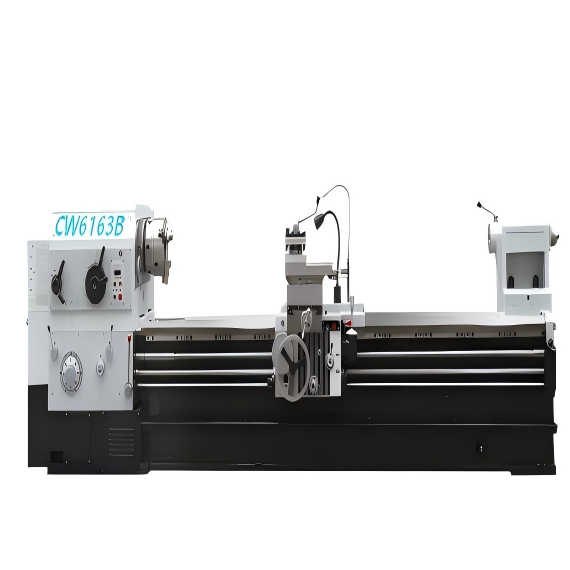
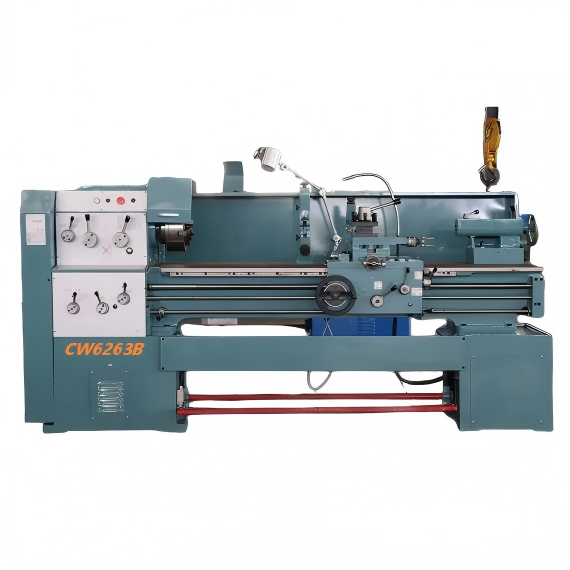
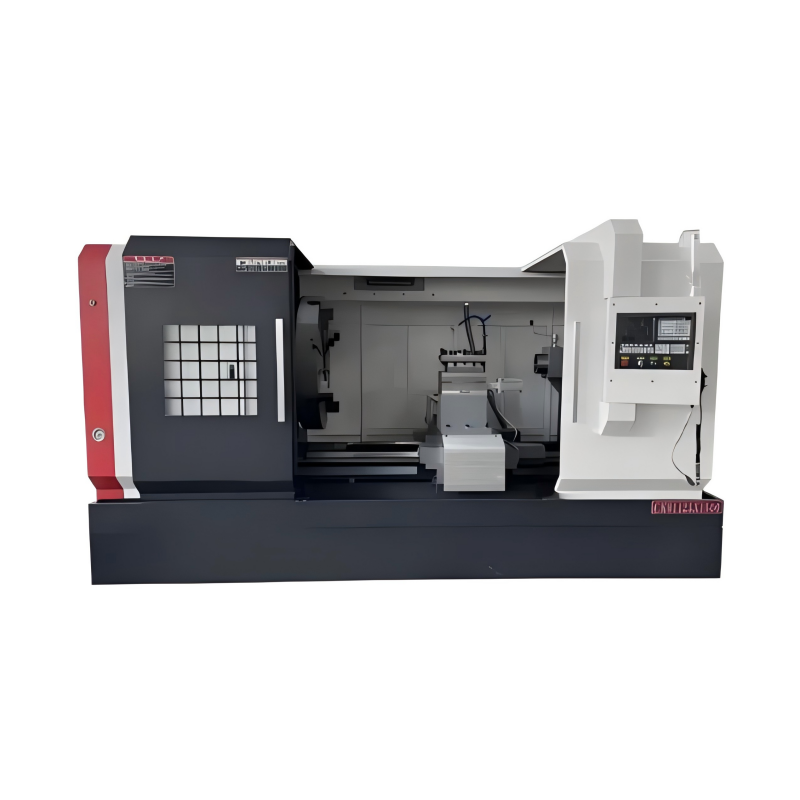
In the realm of mechanical engineering and manufacturing, the Horizontal Lathe Machine stands out as a pivotal piece of equipment. This versatile tool is indispensable for turning, facing, threading, and drilling operations. By incorporating a horizontal lathe into your workshop, you not only enhance productivity but also improve the precision and quality of your work. In this report, we will explore several key aspects that highlight the importance and benefits of integrating a horizontal lathe machine into your operations.
A horizontal lathe machine operates on the principle of rotating the workpiece on its axis while a cutting tool is applied to shape it. The machine's design features a spindle that holds the workpiece horizontally, allowing for various operations such as turning, facing, and threading. The horizontal orientation provides stability and balance, making it ideal for processing long and heavy workpieces. Additionally, the machine's robust construction ensures durability and reliability, even under heavy-duty conditions.
The mechanics of a horizontal lathe are relatively straightforward. The workpiece is clamped onto the spindle, which is driven by an electric motor. The speed of the spindle can be adjusted to suit different materials and machining requirements. The cutting tool, mounted on a cross slide, moves along the X and Z axes to perform the desired operations. Modern horizontal lathes often come equipped with advanced control systems, such as CNC (Computer Numerical Control), which allow for precise and automated machining processes.
Integrating a horizontal lathe machine into your workshop offers numerous advantages, making it a worthwhile investment for any manufacturing operation. One of the primary benefits is the versatility of the machine. A horizontal lathe can handle a wide range of tasks, from simple turning and facing to more complex operations like threading and taper turning. This versatility allows you to consolidate multiple machines into one, saving space and reducing costs.
Another significant advantage is the precision and accuracy of the machine. Horizontal lathes are designed to deliver consistent and high-quality results, even when working with tight tolerances. The ability to make fine adjustments and the stability of the horizontal orientation contribute to the machine's precision. This is particularly important in industries where accuracy is critical, such as aerospace, automotive, and medical device manufacturing.
Furthermore, horizontal lathes are known for their efficiency and productivity. The machine's design allows for quick setup and changeover times, enabling you to switch between different jobs seamlessly. The use of automated controls and programmable settings further enhances productivity by minimizing human error and maximizing output. With a horizontal lathe, you can achieve higher production rates without compromising on quality.
When choosing a horizontal lathe machine for your workshop, there are several key features to consider to ensure you select the right model for your needs. One of the most important factors is the machine's capacity. The size of the workpiece you plan to process will determine the required spindle diameter and the maximum length of the bed. It is essential to choose a machine that can accommodate the largest workpieces you intend to work with, as well as those that may be smaller but require high precision.
Another crucial feature is the type of control system. Traditional manual lathes are suitable for small-scale operations and simple tasks, but for more complex and high-precision work, a CNC-controlled lathe is recommended. CNC Lathes offer advanced programming capabilities, allowing for the automation of intricate processes and the execution of multiple operations in a single setup. They also provide better repeatability and consistency, which is vital for maintaining high standards of quality.
The power and speed of the spindle are also important considerations. The horsepower of the motor and the range of spindle speeds determine the machine's capability to handle different materials and operations. A higher horsepower motor and a wider range of spindle speeds enable the lathe to process a broader variety of materials, from soft metals like aluminum to harder materials like stainless steel and titanium. Additionally, the availability of accessories and tooling options should be considered, as these can expand the machine's functionality and adaptability to various tasks.
To ensure that your horizontal lathe machine continues to operate at its best, regular maintenance and care are essential. Proper maintenance not only extends the lifespan of the machine but also maintains its precision and reliability. One of the most critical aspects of maintenance is keeping the machine clean. Regularly cleaning the machine, especially the moving parts and the bed, prevents the accumulation of debris and chips, which can affect the machine's performance and accuracy.
Lubrication is another crucial aspect of maintenance. The moving parts of the lathe, such as the spindle, ways, and lead screws, should be regularly lubricated to reduce friction and wear. Using the correct type and amount of lubricant is important, as improper lubrication can lead to premature wear and damage. Additionally, checking and adjusting the alignment of the machine is essential to maintain its precision. Over time, the alignment can shift due to usage and environmental factors, so periodic checks and adjustments are necessary to ensure accurate and consistent results.
Regular inspections and preventive maintenance are also important. This includes checking for any signs of wear or damage, such as worn-out bearings or loose components. Replacing worn parts and tightening loose components can prevent more significant issues and downtime. Additionally, following the manufacturer's guidelines for maintenance and using genuine replacement parts ensures that the machine remains in optimal condition. By investing in regular maintenance, you can maximize the performance and longevity of your horizontal lathe machine.
Incorporating a Horizontal Lathe Machine into your workshop can significantly enhance your manufacturing capabilities. The versatility, precision, and efficiency of these machines make them an invaluable asset for a wide range of applications. By understanding the mechanics of horizontal lathes, recognizing their advantages, and considering key features when selecting a model, you can make an informed decision that aligns with your operational needs. Additionally, proper maintenance and care will ensure that your horizontal lathe continues to deliver high-quality results, contributing to the success and growth of your workshop.
 22/06/2026
In the realm of modern manufacturing, the quest for efficiency and precision has never been more critical. Among the tools that stand out in this pursuit is the Horizontal Lathe Machine, particularly when it comes with the advanced capabilities of a CNC (
Read More17/06/2026The world of precision machining is constantly evolving, with new technologies and machinery being introduced to meet the increasing demands for accuracy, efficiency, and versatility. Among these, the Horizontal Lathe Machine stands out as a cornerstone i
Read More16/06/2026In the ever-evolving landscape of manufacturing, the advent of advanced machinery like the Horizontal Lathe Machine and the Turning Hard Rail CNC Lathe has revolutionized precision engineering. This report delves into the future of precision machining, fo
Read More16/06/2026In the realm of precision machining, where every micron counts, the Horizontal Lathe Machine stands as a cornerstone of modern manufacturing. This report delves into the advancements brought about by TCK, a leader in CNC Lathe Technology, highlighting key
Read More16/06/2026Understanding the Core Components of a Horizontal Lathe MachineA Horizontal Lathe Machine, also known as a turning center, is a critical piece of machinery in manufacturing processes. It plays an essential role in shaping and machining cylindrical parts.
Read More15/06/2026Understanding the CW61 Series Universal Turning LatheThe CW61 series universal turning lathe is a robust and versatile machine, designed to meet the diverse needs of modern manufacturing. This section will provide an overview of its features, capabilities
Read More15/06/2026IntroductionThe Horizontal Lathe Machine is an essential tool in the manufacturing industry, known for its ability to produce highly precise components. This equipment, through its unique design and operational principles, offers manufacturers a reliable
Read More15/06/2026The role of conventional lathes, particularly the Horizontal Lathe Machine, in industrial production, especially for the machining of long shafts, is a subject of significant importance. This technical report aims to explore the various aspects and contri
Read More09/06/2026The evolution of machining technologies has led to significant advancements in the design and functionality of horizontal lathes. These machines, known for their precision and versatility, have become an indispensable part of manufacturing processes acros
Read More09/06/2026Understanding the Basics of Horizontal Lathe Machines A horizontal lathe machine is a fundamental tool in any workshop, used for shaping and machining metal, wood, or other materials. It operates by rotating the workpiece on its axis while a cutting tool
Read More09/06/2026In the realm of manufacturing, the efficiency and precision of machining processes are paramount. One of the most versatile and widely used machines in this field is the Horizontal Lathe Machine. These machines have been a cornerstone in the industry for
Read More09/06/2026Horizontal Lathe Machine technology has seen significant advancements over the past few years, with China emerging as a key player in the global market. This report delves into the top trends that are shaping the future of Horizontal Lathe Machines from C
Read More09/06/2026The advancements in manufacturing technology have led to significant improvements in the efficiency, precision, and versatility of machining processes. One such innovation that stands out is the Horizontal Lathe Machine, which has become a cornerstone in
Read More09/06/2026The Evolution of Horizontal Lathe Machines: A Technological JourneyHorizontal lathe machines have been a cornerstone in the manufacturing industry for over a century, but their capabilities and functionalities have evolved significantly. Originally design
Read More09/06/2026The evolution of manufacturing technologies has witnessed significant advancements, with the horizontal lathe machine standing out as a pivotal tool in modern production environments. This report delves into the advantages that make horizontal lathes indi
Read More05/06/2026In today's fast-paced manufacturing environment, the integration of advanced machinery like the Horizontal Lathe Machine and the Industrial Gantry Router Unit is crucial for optimizing production efficiency. This technical report delves into how an Indust
Read More05/06/2026Horizontal Lathe Machines, a cornerstone in the manufacturing industry, have seen significant advancements with the integration of Computer Numerical Control (CNC) technology. This report delves into the advanced features of CNC lathes that enhance produc
Read More05/06/2026Horizontal Lathe Machines are essential tools in the manufacturing industry, known for their precision and versatility. This report delves into advanced techniques that can be employed to maximize the efficiency of a Horizontal Lathe Machine. By optimizin
Read More05/06/2026In the realm of precision engineering, the Horizontal Lathe Machine plays a crucial role in achieving high-precision machining. This machine is designed to handle a wide range of materials and is capable of producing intricate and complex parts with excep
Read More05/06/2026In the realm of modern manufacturing, Horizontal Lathe Machines have emerged as a versatile and indispensable tool. These machines, designed to shape and cut materials with precision, are used across various industries, from automotive to aerospace. This
Read More04/06/2026This comprehensive guide aims to provide an in-depth understanding of operating a Horizontal Lathe Machine, which is essential for anyone involved in machining processes. From the basics of setting up and preparing the machine, through to executing variou
Read More04/06/2026Horizontal Lathe Machines, an essential tool in the manufacturing and machining industry, have been a cornerstone of precision engineering for decades. These machines are designed to shape metal or other rigid materials by rotating them against a cutting
Read More04/06/2026Choosing the right China lathe manufacturer for precision work, especially when it comes to a Horizontal Lathe Machine, is a critical decision that can significantly impact the quality and efficiency of your manufacturing processes. This technical report
Read More04/06/2026Horizontal lathe machines have become an indispensable part of modern manufacturing, playing a crucial role in the production of precision components. This report delves into the significance of horizontal lathe machines, exploring their versatility, effi
Read MoreOur professional sales team is always ready to assist you.