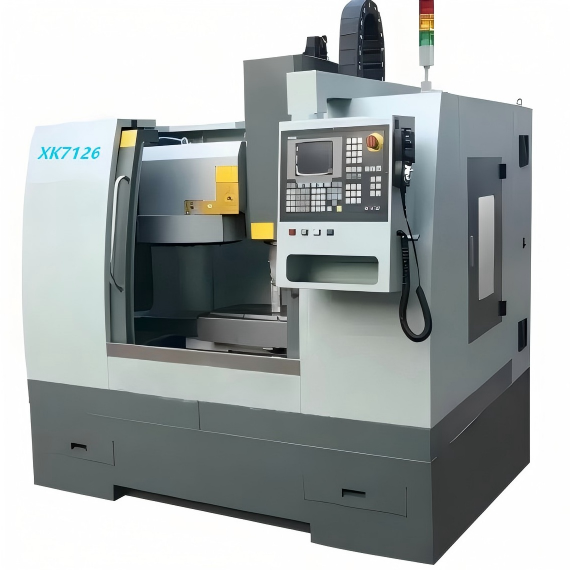
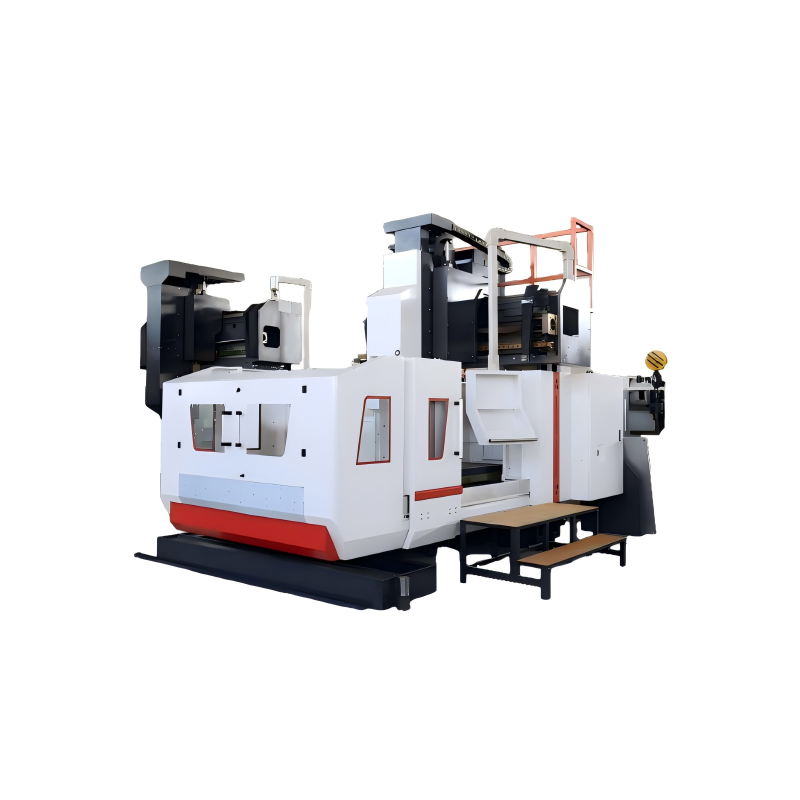
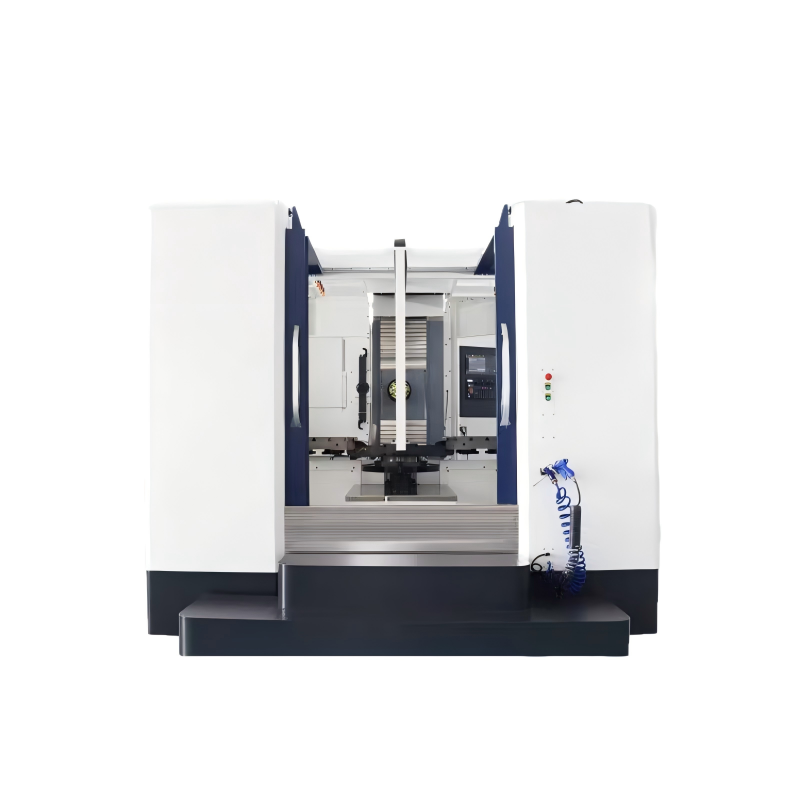
In the rapidly evolving world of manufacturing, the capabilities of multi-axis CNC workcells have become increasingly critical for handling complex projects. These advanced machines are designed to provide unparalleled precision, efficiency, and flexibility, making them indispensable in a wide range of applications. One specific area where these machines excel is in the production of pipe threads, a task that demands high accuracy and consistency. This report explores the capabilities of a multi-axis CNC workcell, particularly in the context of producing pipe threads, and how it can be leveraged for complex projects.
Enhanced Precision and Consistency
The primary advantage of using a multi-axis CNC workcell for pipe thread production is the enhanced precision and consistency it offers. Traditional methods, such as manual lathes, often struggle to maintain the same level of accuracy, especially when dealing with intricate or custom designs. A multi-axis CNC workcell, on the other hand, utilizes computer-controlled movements to ensure that each thread is machined to exact specifications. This precision is crucial for applications where even minor deviations can lead to significant issues, such as leaks or structural failures.
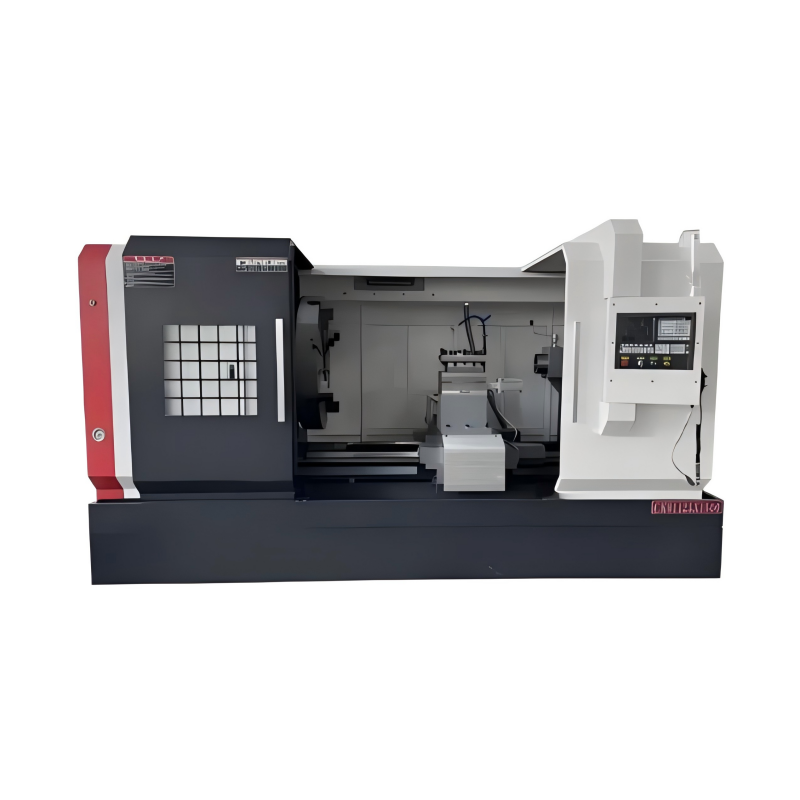
For example, in the oil and gas industry, pipe threads must be precisely manufactured to withstand high pressures and corrosive environments. A Pipe Thread Lathe, integrated into a multi-axis CNC workcell, can produce threads that meet the stringent standards required by these industries. The use of advanced software and real-time monitoring systems further enhances the ability to detect and correct any deviations, ensuring that every part produced is of the highest quality.
Increased Flexibility and Versatility
Another key benefit of a multi-axis CNC workcell is its increased flexibility and versatility. Unlike single-purpose machines, a multi-axis CNC workcell can be easily reprogrammed to handle a variety of tasks, from simple threading operations to more complex machining processes. This adaptability is particularly valuable in industries where product designs frequently change or where a wide range of parts need to be produced.
For instance, in the automotive industry, a multi-axis CNC workcell can be used to produce not only pipe threads but also other components such as gears, shafts, and housings. The ability to switch between different tasks with minimal downtime significantly improves overall productivity and reduces the need for multiple specialized machines. Additionally, the integration of a Pipe Thread Lathe within the workcell allows for seamless transitions between threading and other machining operations, further enhancing the machine's versatility.
Improved Efficiency and Productivity
Multi-axis CNC workcells are designed to maximize efficiency and productivity, which is essential for complex projects with tight deadlines. By automating the entire machining process, these workcells can operate continuously with minimal human intervention, reducing the risk of errors and increasing output. Advanced features such as automatic tool changers, in-process inspection, and adaptive control systems contribute to this efficiency.
For example, in the aerospace industry, where precision and reliability are paramount, a multi-axis CNC workcell can be used to produce high-precision pipe threads for hydraulic and pneumatic systems. The integration of a Pipe Thread Lathe ensures that the threads are machined to the exact tolerances required, while the automated nature of the workcell allows for continuous operation and high throughput. This not only speeds up the production process but also reduces labor costs and minimizes the potential for human error.
Cost-Effectiveness and Long-Term Value
While the initial investment in a multi-axis CNC workcell may be higher than that of traditional machinery, the long-term cost-effectiveness and value it provides make it a worthwhile investment. The ability to produce high-quality parts with greater precision, flexibility, and efficiency translates into lower scrap rates, reduced rework, and increased overall profitability. Additionally, the extended lifespan and reliability of these machines, combined with their low maintenance requirements, further enhance their value.
For example, in the construction industry, where large quantities of pipe threads are needed for plumbing and HVAC systems, a multi-axis CNC workcell can significantly reduce the cost per unit. The integration of a Pipe Thread Lathe ensures that the threads are consistently accurate, reducing the need for quality control checks and rework. Over time, the savings in labor, materials, and time can far outweigh the initial investment, making the workcell a cost-effective solution for complex projects.
Conclusion
The capabilities of a multi-axis CNC workcell, particularly when equipped with a Pipe Thread Lathe, make it an invaluable tool for handling complex projects. The enhanced precision, increased flexibility, improved efficiency, and long-term cost-effectiveness of these machines provide significant advantages over traditional methods. As technology continues to advance, the role of multi-axis CNC workcells in manufacturing will only become more prominent, driving innovation and excellence in a wide range of industries.
 23/06/2026



