A Comprehensive Guide to Maintenance for Two-Axis CNC Lathes
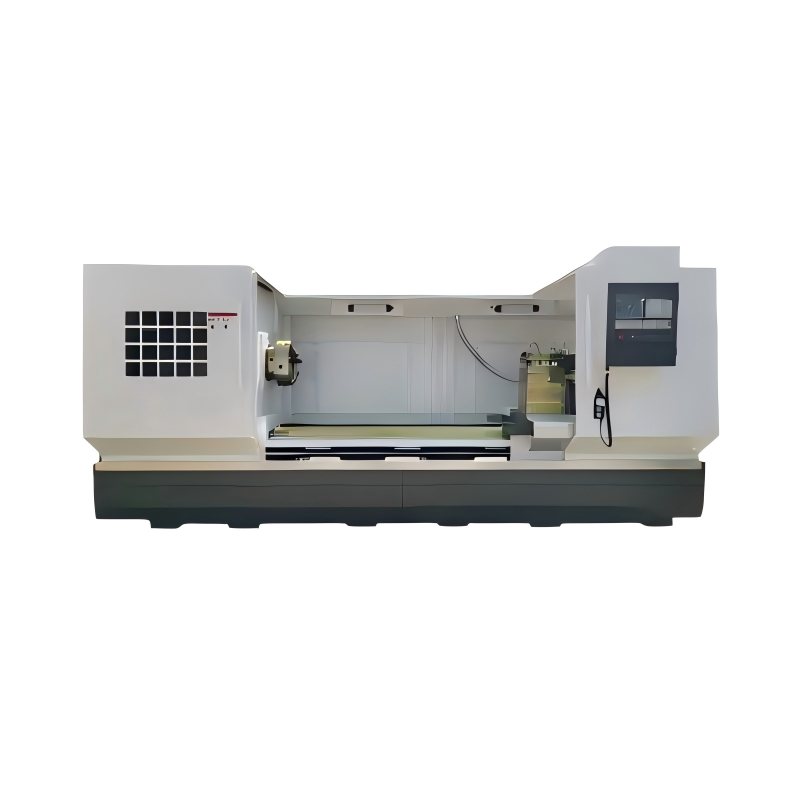
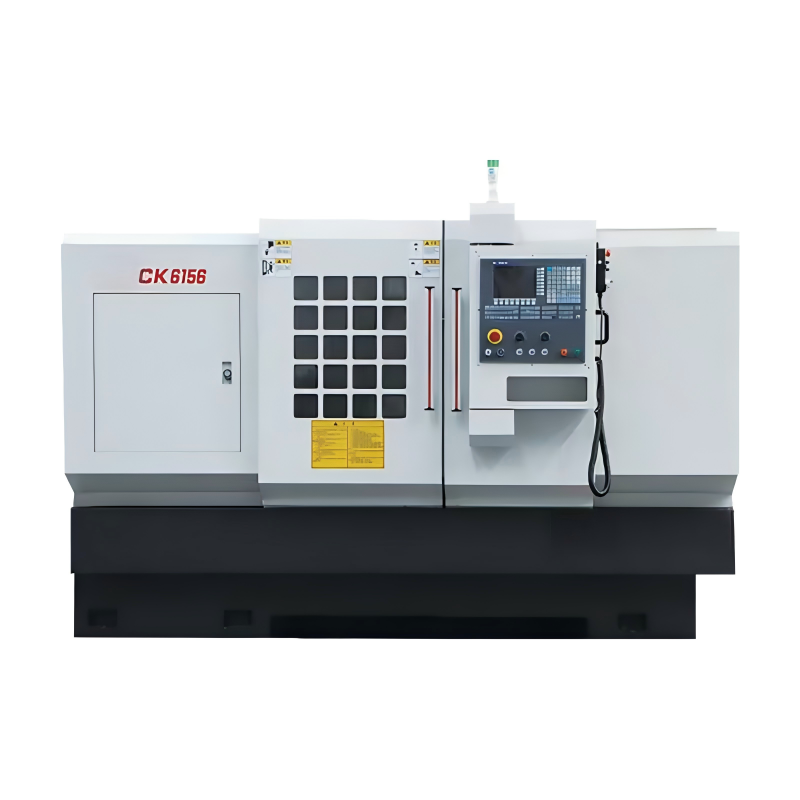
The foundation of effective maintenance begins with a thorough understanding of the equipment in question. A Two-Axis CNC Lathe is a precision machine that operates on two axes, X and Z, allowing it to perform a wide range of cutting and shaping operations. The X-axis typically controls the movement of the tool post or carriage, while the Z-axis governs the spindle's motion, which holds the workpiece. This dual-axis capability makes these lathes highly versatile and efficient in manufacturing processes, from simple turning to complex threading and tapering.
Before delving into the specifics of maintenance, it’s crucial to recognize the importance of regular upkeep. Proper maintenance not only extends the lifespan of the machine but also ensures consistent performance, reduces downtime, and minimizes repair costs. Operators and maintenance personnel should be familiar with the machine’s components, including the spindle, chuck, tool holder, and control system, as well as the software that drives the CNC (Computer Numerical Control) functions.
One of the most critical aspects of maintaining a two-axis CNC lathe is regular inspection and cleaning. Dust, debris, and metal shavings can accumulate over time, leading to mechanical wear and potential malfunctions. A clean machine is a more reliable machine, and this principle applies to all components, from the exterior surfaces to the internal mechanisms.
Inspection should be conducted at least once a week, focusing on key areas such as the spindle, bearings, and guideways. Look for signs of wear, such as unusual noises, vibrations, or visible damage. Lubrication points should be checked and re-lubricated as necessary, using the manufacturer’s recommended lubricants. Additionally, the coolant system should be inspected and cleaned regularly to prevent contamination and ensure optimal cooling and chip removal.
Cleaning the machine involves more than just wiping down the exterior. Use compressed air to blow out dust and debris from tight spaces, and apply a suitable cleaning solution to remove built-up grime. Pay special attention to the tool holder and chuck, as these components are in direct contact with the workpiece and can affect the accuracy of the machining process.
The software and control system of a two-axis CNC lathe are just as important as the mechanical components. These systems are responsible for translating the operator’s commands into precise movements of the machine. Regular updates and checks are essential to ensure that the software remains compatible with the hardware and that all features function correctly.
One of the first steps in maintaining the control system is to back up the current settings and programs. This ensures that, in the event of a system failure or upgrade, you can quickly restore the machine to its previous state. Regularly check for firmware and software updates provided by the manufacturer, and install them as needed. These updates often include bug fixes, performance improvements, and new features that can enhance the machine’s capabilities.
Additionally, it’s important to monitor the machine’s performance and log any errors or issues that arise. This data can be invaluable for troubleshooting and identifying trends that may indicate a need for further maintenance or repairs. Consider implementing a preventive maintenance schedule that includes regular checks of the control system, such as verifying the integrity of cables and connectors, and testing the response times of the machine’s inputs and outputs.
Preventive maintenance is a proactive approach to ensuring the longevity and reliability of a two-axis CNC lathe. By following a structured maintenance schedule, operators can address potential issues before they become major problems. This section will outline the key elements of a preventive maintenance plan and provide best practices for implementation.
First, establish a comprehensive maintenance checklist that covers all critical components of the machine. This should include items such as checking and replacing filters, inspecting and adjusting belts and pulleys, and verifying the alignment of the spindle and guideways. Schedule these tasks based on the manufacturer’s recommendations and the specific operating conditions of your machine.
Second, train your maintenance personnel on the proper procedures for each task. This includes not only the technical aspects but also safety protocols. Ensure that all team members are aware of the importance of following the maintenance schedule and understand the consequences of neglecting it.
Finally, keep detailed records of all maintenance activities. This documentation should include dates, descriptions of the work performed, and any observations or issues noted. These records can be used to track the machine’s performance over time, identify patterns, and make informed decisions about future maintenance needs.
Despite the best efforts at maintenance, issues can still arise with a two-axis CNC lathe. Being able to identify and resolve these problems quickly is crucial for minimizing downtime and maintaining productivity. This section will cover some of the most common issues encountered with these machines and provide guidance on how to troubleshoot and resolve them.
One common issue is excessive vibration during operation. This can be caused by a variety of factors, including misaligned components, worn bearings, or loose bolts. To diagnose the problem, start by checking the alignment of the spindle and guideways. If these are in good condition, inspect the bearings and other moving parts for signs of wear. Tighten any loose bolts and ensure that all components are securely fastened.
Another frequent problem is poor surface finish on machined parts. This can be due to dull or damaged cutting tools, incorrect tool settings, or improper coolant flow. Begin by inspecting the cutting tools and replacing them if necessary. Verify that the tool settings are correct and that the coolant is being applied properly. Adjust the coolant flow rate and direction as needed to ensure that the cutting area is adequately cooled and chips are effectively removed.
Electrical and control system issues can also occur, such as unexpected shutdowns or erratic behavior. In these cases, start by checking the power supply and connections. Ensure that all cables and connectors are secure and free from damage. If the problem persists, consult the machine’s diagnostic logs and error codes. These can provide valuable information about the source of the issue and guide you in making the necessary repairs.
Maintaining a two-axis CNC lathe is a multifaceted process that requires a combination of regular inspections, cleaning, software updates, and preventive maintenance. By following the guidelines outlined in this article, operators and maintenance personnel can ensure that their machines remain in top condition, delivering consistent and high-quality results. Remember that the key to successful maintenance is a proactive approach, regular monitoring, and a commitment to addressing issues promptly. With the right care and attention, a two-axis CNC lathe can serve as a reliable and efficient tool in any manufacturing environment.
 24/06/2026
Two-Axis CNC Lathes have become an indispensable part of modern machining processes, revolutionizing the way we manufacture parts and components. This report aims to explore the critical role of two-axis CNC lathes in contemporary manufacturing, highlight
Read More24/06/2026In the realm of modern manufacturing, Two-Axis CNC Lathes stand out as powerful tools for precision machining. These machines are not only capable of producing highly accurate parts but also offer a range of features that make them indispensable in variou
Read More23/06/2026Understanding the Basics of a Two-Axis CNC LatheIn the realm of modern manufacturing, precision and efficiency are paramount. A Two-Axis CNC Lathe represents a significant advancement in machining technology, enabling manufacturers to achieve higher level
Read More23/06/2026In the realm of precision manufacturing, two-axis CNC lathes play a crucial role in producing high-quality components with tight tolerances. These machines are indispensable for industries ranging from automotive to aerospace, where accuracy and repeatabi
Read More23/06/2026In the rapidly evolving landscape of manufacturing, the adoption of advanced machinery plays a pivotal role in enhancing productivity and efficiency. Among these, the Two-Axis CNC Lathe stands out as a versatile tool that can significantly impact producti
Read More22/06/2026Choosing the right tools for your Two-Axis CNC Lathe is a critical step in ensuring both the efficiency and quality of your machining processes. A well-equipped lathe can significantly enhance productivity, reduce downtime, and produce high-precision part
Read More22/06/2026In the realm of precision machining, Two-Axis CNC Lathes play a pivotal role in transforming raw materials into intricate and accurate components. This report aims to provide an in-depth understanding of the basics of Two-Axis CNC Lathe operations, highli
Read MoreOur professional sales team is always ready to assist you.