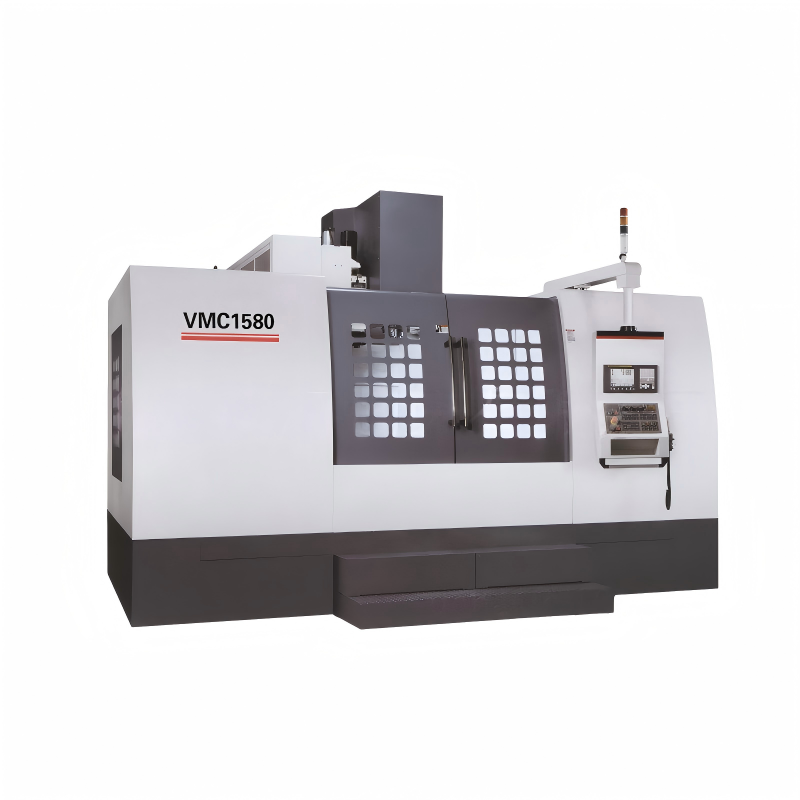
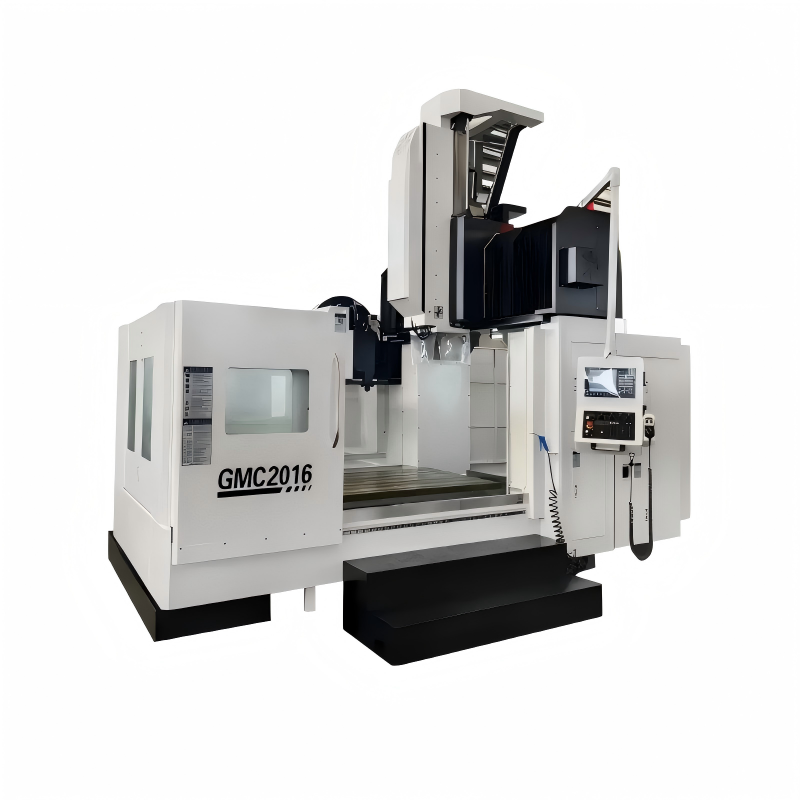
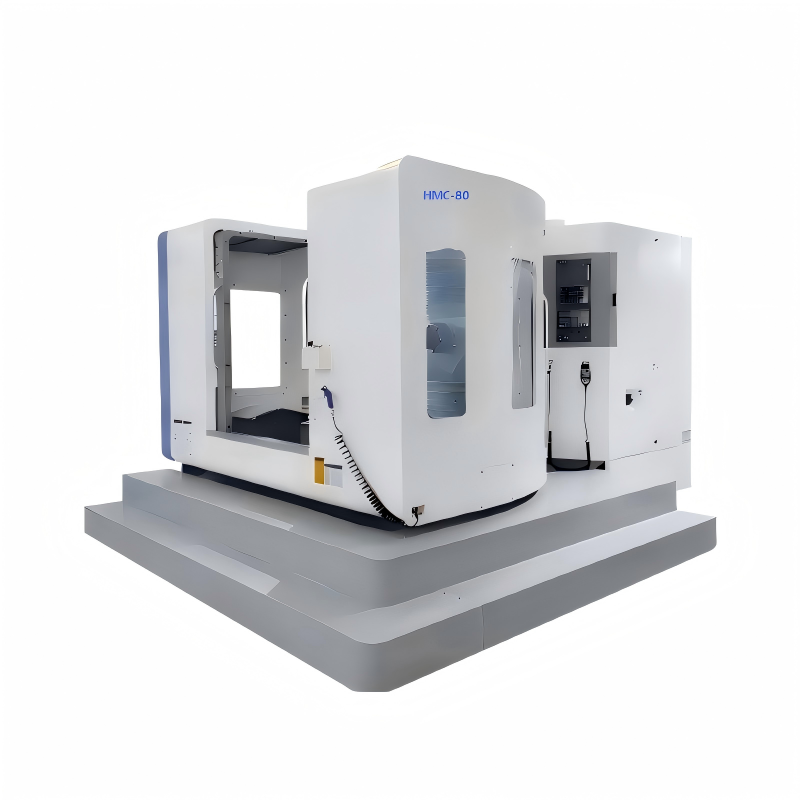
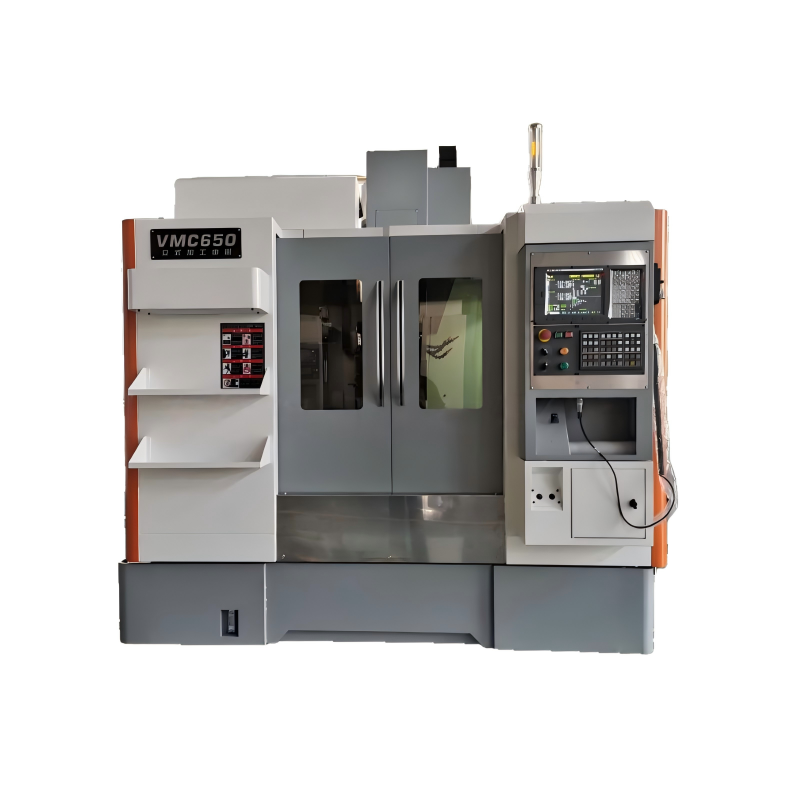
A Turning Hard Rail CNC Lathe is a sophisticated piece of machinery designed for high-precision and efficient machining processes. It is widely used in various industries, including automotive, aerospace, and manufacturing, due to its ability to produce complex parts with high accuracy and repeatability. This section will delve into the fundamental components and operational principles of a Turning Hard Rail CNC Lathe, providing a solid foundation for understanding this advanced equipment.
The term "hard rail" refers to the rigid structure of the machine, which ensures stability and reduces vibrations during operation. This is crucial for maintaining the precision required in many applications. The lathe consists of several key components, including the spindle, chuck, tool turret, and control system. Each component plays a vital role in the overall functionality and performance of the machine.
The spindle is responsible for rotating the workpiece, while the chuck holds it securely in place. The tool turret, on the other hand, houses multiple cutting tools that can be automatically indexed and engaged as needed. The control system, typically a computer numerical control (CNC) unit, manages the entire process by executing pre-programmed instructions with high precision.
Understanding these basics is essential for anyone looking to set up and operate a turning hard rail CNC lathe effectively. In the following sections, we will explore the setup, programming, and maintenance of this machine in more detail.
Proper setup is critical for ensuring the optimal performance and longevity of your Turning Hard Rail CNC Lathe. This involves several steps, from initial installation to calibration and configuration. Here, we will guide you through the key aspects of setting up your lathe, ensuring that it is ready for productive use.
Firstly, the installation location must be carefully chosen. The area should be free from excessive dust, moisture, and temperature fluctuations, as these factors can affect the machine's performance and lifespan. Additionally, the floor should be level and capable of supporting the weight of the lathe without any movement or vibration.
Once the location is determined, the next step is to install the lathe. This typically involves uncrating the machine, placing it on the designated spot, and securing it to the floor using anchor bolts. Proper alignment is crucial, and a laser alignment tool can be used to ensure that the lathe is perfectly level and square.
After installation, the lathe needs to be calibrated. This includes setting the zero points for the X, Y, and Z axes, as well as calibrating the spindle speed and tool turret. Calibration ensures that the machine operates within the specified tolerances and produces accurate and consistent results. It is recommended to follow the manufacturer's guidelines for calibration, as they provide specific procedures and tolerance values.
Finally, the control system needs to be configured. This involves setting up the software, loading the necessary programs, and configuring the parameters such as feed rates, spindle speeds, and tool offsets. A thorough understanding of the control system and its capabilities is essential for effective configuration.
By following these setup steps, you can ensure that your turning hard rail CNC lathe is properly installed, calibrated, and configured, ready for efficient and precise machining operations.
Programming and operating a Turning Hard Rail CNC Lathe requires a combination of technical knowledge and practical skills. This section will cover the key aspects of programming and operating the lathe, including the creation of CNC programs, tool selection, and best practices for efficient and safe operation.
CNC programming is the process of creating a set of instructions that the lathe will follow to produce a part. These instructions are written in a specific language, such as G-code, and include commands for the spindle speed, tool paths, and feed rates. There are several ways to create CNC programs, including manual programming, using CAD/CAM software, or utilizing pre-existing libraries of standard programs.
When programming, it is important to consider the material properties, part geometry, and desired surface finish. The program should be optimized to minimize tool wear, reduce cycle times, and achieve the required accuracy. Simulation tools can be used to test and validate the program before running it on the actual machine, helping to identify and correct any potential issues.
Tool selection is another critical aspect of CNC lathe operation. The right tool for the job depends on the material being machined, the type of cut, and the desired finish. Common types of tools include turning inserts, boring bars, and threading tools. It is important to select the appropriate tool and ensure that it is properly secured in the tool turret. Regular inspection and maintenance of the tools are also essential to maintain their performance and extend their lifespan.
Operating the lathe involves loading the workpiece, selecting the appropriate program, and monitoring the machining process. Safety is paramount, and operators should always follow the manufacturer's safety guidelines, including wearing appropriate personal protective equipment (PPE) and ensuring that all guards and interlocks are in place. Regular maintenance and cleaning of the lathe are also important to keep it in optimal condition and prevent downtime.
By mastering the art of programming and operating a turning hard rail CNC lathe, you can unlock its full potential and achieve high-quality, precise, and efficient machining results.
Regular maintenance and troubleshooting are essential for keeping your Turning Hard Rail CNC Lathe in top condition and ensuring its long-term reliability. This section will cover the key maintenance tasks, common issues, and troubleshooting techniques to help you keep your lathe running smoothly.
Maintenance tasks should be performed at regular intervals, as specified by the manufacturer. These tasks include lubrication of moving parts, inspection of belts and pulleys, and checking for wear and tear on the spindle, chuck, and tool turret. Lubrication is particularly important, as it reduces friction and prevents premature wear. The type and frequency of lubrication will depend on the specific model of the lathe and the operating conditions.
Another critical aspect of maintenance is the replacement of worn or damaged parts. This includes changing the cutting tools, replacing worn bearings, and repairing or replacing damaged components. Regular inspections can help identify these issues early, allowing for timely repairs and minimizing downtime.
Despite regular maintenance, issues may still arise. Common problems include spindle errors, tool turret malfunctions, and control system failures. Spindle errors can be caused by improper alignment, worn bearings, or excessive vibration. Tool turret malfunctions may be due to mechanical issues, such as jammed tools or worn gears, or electrical issues, such as faulty sensors or wiring. Control system failures can be caused by software bugs, hardware malfunctions, or power supply issues.
Troubleshooting these issues requires a systematic approach. Start by identifying the symptoms and isolating the problem. For example, if the spindle is not rotating, check the power supply, spindle motor, and drive belt. If the tool turret is not indexing correctly, inspect the gears, sensors, and control signals. Refer to the machine's user manual and troubleshooting guide for specific procedures and diagnostic steps.
In addition to regular maintenance and troubleshooting, it is also important to keep detailed records of all maintenance activities, including dates, tasks performed, and any issues encountered. This information can be invaluable for tracking the machine's performance, identifying trends, and planning future maintenance schedules.
By following a comprehensive maintenance and troubleshooting plan, you can ensure that your turning hard rail CNC lathe remains reliable, efficient, and capable of producing high-quality parts over the long term.
A Turning Hard Rail CNC Lathe offers a range of advanced features and capabilities that can significantly enhance its performance and versatility. This section will explore some of these features, including multi-axis machining, live tooling, and automated part handling, and discuss how they can be leveraged to improve productivity and quality.
Multi-axis machining is one of the most significant advancements in CNC lathe technology. Traditional lathes are limited to two axes (X and Z), but multi-axis lathes can perform operations along additional axes, such as Y, B, and C. This allows for more complex and intricate part geometries, reducing the need for secondary operations and improving overall efficiency. Multi-axis machining is particularly useful for producing parts with features such as off-center holes, slots, and undercuts.
Live tooling is another advanced feature that enables the lathe to perform milling, drilling, and tapping operations while the workpiece is still in the chuck. This eliminates the need to transfer the part to a separate machine, saving time and reducing the risk of misalignment. Live tooling is often used in conjunction with a Y-axis, allowing for off-center operations and further expanding the lathe's capabilities.
Automated part handling systems, such as bar feeders and robotic arms, can significantly increase the productivity of a turning hard rail CNC lathe. Bar feeders automatically load and unload raw material, enabling continuous, unattended operation. Robotic arms can be used for more complex part handling tasks, such as loading and unloading finished parts, performing in-process inspections, and even changing tools. These systems not only increase throughput but also reduce labor costs and improve consistency.
High-speed machining is another capability that can be achieved with a turning hard rail CNC lathe. By using high-speed spindles and advanced cutting tools, the lathe can achieve higher feed rates and faster cycle times, making it ideal for large-scale production runs. However, high-speed machining requires careful consideration of factors such as tool selection, coolant application, and machine stability to ensure optimal performance and part quality.
Finally, modern CNC lathes often come equipped with advanced control systems that offer enhanced functionality and ease of use. These systems may include features such as touch-screen interfaces, 3D simulation, and real-time monitoring. Touch-screen interfaces simplify the programming and operation of the lathe, while 3D simulation allows operators to visualize the machining process and detect potential issues before running the program. Real-time monitoring provides valuable data on machine performance, enabling proactive maintenance and optimization.
By leveraging these advanced features and capabilities, you can maximize the potential of your turning hard rail CNC lathe, achieving higher levels of productivity, quality, and efficiency in your machining operations.
 14/06/2026
In the realm of precision manufacturing, the turning hard rail CNC lathe plays a crucial role due to its ability to produce high-accuracy parts. However, like any sophisticated machinery, it requires regular and meticulous maintenance to ensure optimal pe
Read More14/06/2026In the realm of modern manufacturing, the Turning Hard Rail CNC Lathe stands out as a critical piece of equipment for producing precision components. This article delves into the workflow from design to production, highlighting key processes and best prac
Read More14/06/2026The evolution of the turning hard rail CNC lathe industry is a testament to technological advancement, driven by increasing demands for precision, efficiency, and automation. This report delves into the future trends that are shaping this sector, focusing
Read More10/06/2026In today's competitive manufacturing landscape, maximizing the efficiency and output of a Turning Hard Rail CNC Lathe is crucial for businesses aiming to stay ahead. This technical report delves into the strategies and best practices that can significantl
Read More10/06/2026Introduction to Turning Hard Rail CNC Lathes The turning hard rail CNC lathe is a specialized machine tool designed for high-precision machining of cylindrical and conical surfaces. These machines are equipped with robust, rigid rails that provide the nec
Read More08/06/2026In the ever-evolving world of manufacturing, the turning hard rail CNC lathe stands out as a pivotal technology that continues to shape the future of machining. This report delves into the latest innovations in this field, highlighting how advancements ar
Read More08/06/2026Understanding the Basics of Turning Hard Rail CNC Lathes The journey from novice to expert in mastering the turning hard rail CNC lathe begins with a solid understanding of its fundamental principles. A CNC (Computer Numerical Control) lathe is an automat
Read More08/06/2026This technical report provides a detailed guide on operating a Turning Hard Rail CNC Lathe, covering essential aspects from basic machine setup to advanced programming techniques. It is designed for both beginners and experienced operators looking to enha
Read More08/06/2026When it comes to precision machining, a Turning Hard Rail CNC Lathe is an indispensable tool. This machine is designed for high-precision and high-efficiency turning operations, making it a preferred choice in many manufacturing settings. However, the per
Read More07/06/2026Turning hard rail CNC lathe machining represents a significant advancement in the field of precision engineering, offering unparalleled accuracy and efficiency. This report delves into advanced techniques that enhance the capabilities of turning hard rail
Read More07/06/2026Understanding the Importance of Regular Maintenance for Your Turning Hard Rail CNC Lathe Maintaining a turning hard rail CNC lathe is crucial for ensuring its longevity and optimal performance. Regular maintenance not only extends the machine's lifespan b
Read More07/06/2026In the realm of modern manufacturing, the integration of advanced technologies has significantly transformed traditional processes. One such innovation is the turning hard rail CNC lathe, a tool that exemplifies precision and versatility. This article del
Read More07/06/2026The maintenance of a Turning Hard Rail CNC Lathe is crucial for ensuring its longevity and maintaining high levels of precision and efficiency. Proper care not only extends the life of the machine but also reduces downtime, which can be costly in terms of
Read More06/06/2026The turning hard rail CNC lathe is a highly specialized piece of machinery that combines the precision and flexibility of computer numerical control (CNC) with the robustness of a hard rail system. This article delves into the mechanics behind such a lath
Read More06/06/2026With the advancement of manufacturing technology, the Turning Hard Rail CNC Lathe has become an indispensable tool for many industries. Its ability to produce high-precision parts efficiently makes it a preferred choice for manufacturers aiming to enhance
Read More06/06/2026In the realm of precision engineering, the Turning Hard Rail CNC Lathe stands out as a pivotal tool for achieving high-accuracy machining. This report delves into the capabilities and applications of this advanced machinery, exploring its role in modern m
Read More06/06/2026In the realm of precision machining, the Turning Hard Rail CNC Lathe stands out as a critical tool for producing high-accuracy components. This machine's ability to handle tough materials and maintain consistent performance makes it an indispensable asset
Read More05/06/2026The advent of the Turning Hard Rail CNC Lathe has revolutionized precision machining across various industries. This guide aims to provide a comprehensive understanding of operating such machinery, ensuring operators can achieve optimal performance and ma
Read More05/06/2026Turning Hard Rail CNC Lathe machines are essential in the modern manufacturing industry, offering unparalleled precision and efficiency. This report aims to explore how users can maximize the performance of their Turning Hard Rail CNC Lathes, focusing on
Read More05/06/2026In the realm of precision machining, the Turning Hard Rail CNC Lathe stands out as a versatile and robust solution for a wide range of applications. This technical report delves into the advantages and practical uses of this advanced machine tool, highlig
Read More05/06/2026Introduction to Turning Hard Rail CNC Lathes The turning hard rail CNC lathe represents a significant advancement in the field of precision machining. This type of machine is designed with a robust, rigid structure that enhances its ability to handle high
Read More04/06/2026In the realm of precision machining, the Turning Hard Rail CNC Lathe stands out as a remarkable tool, capable of producing intricate and accurate parts with unparalleled efficiency. This article delves into the intricacies of using a Turning Hard Rail CNC
Read More04/06/2026Introduction to Turning Hard Rail CNC LatheThe turning hard rail CNC lathe represents a significant advancement in the field of precision machining, offering unparalleled accuracy and efficiency. This type of lathe is designed with a robust, stable struct
Read More04/06/2026In the realm of modern machining, the Turning Hard Rail CNC Lathe has emerged as a transformative technology, offering unparalleled precision, efficiency, and versatility. This technical report delves into the capabilities and potential applications of th
Read More04/06/2026In the realm of precision machining, CNC lathes play a pivotal role in producing high-quality components. The performance and accuracy of these machines are significantly influenced by their design and construction. One critical aspect that enhances the p
Read More03/06/2026In the rapidly evolving landscape of manufacturing, the turning hard rail CNC lathe stands out as a pinnacle of precision and efficiency. This article delves into the advanced features that make modern turning hard rail CNC lathes indispensable in today's
Read More02/06/2026In the realm of precision machining, the Turning Hard Rail CNC Lathe stands out as a critical tool for achieving high accuracy and efficiency. This article delves into the techniques and best practices that can be employed to maximize the potential of a T
Read MoreOur professional sales team is always ready to assist you.