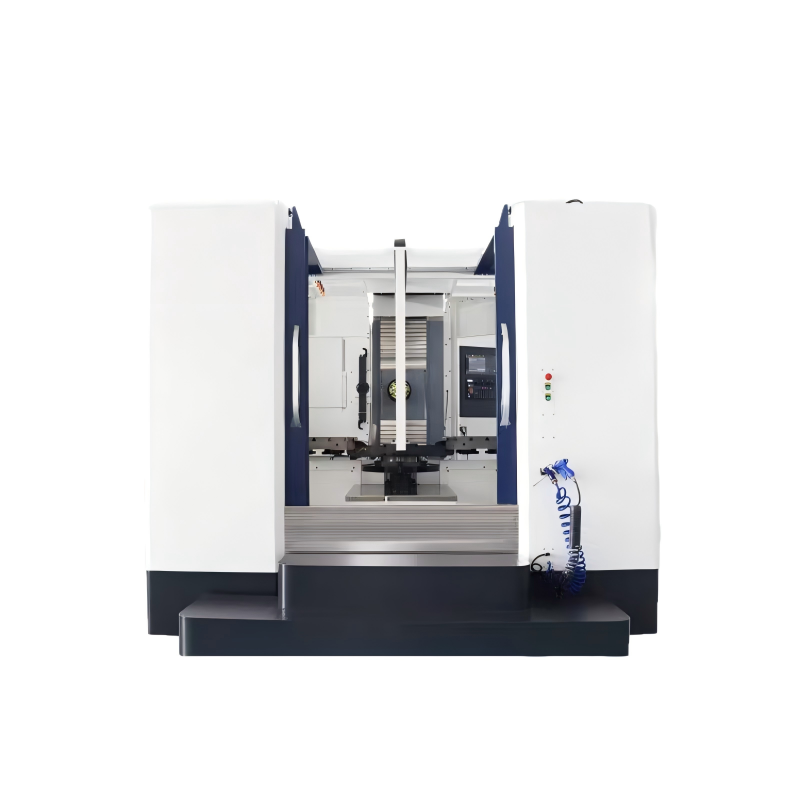
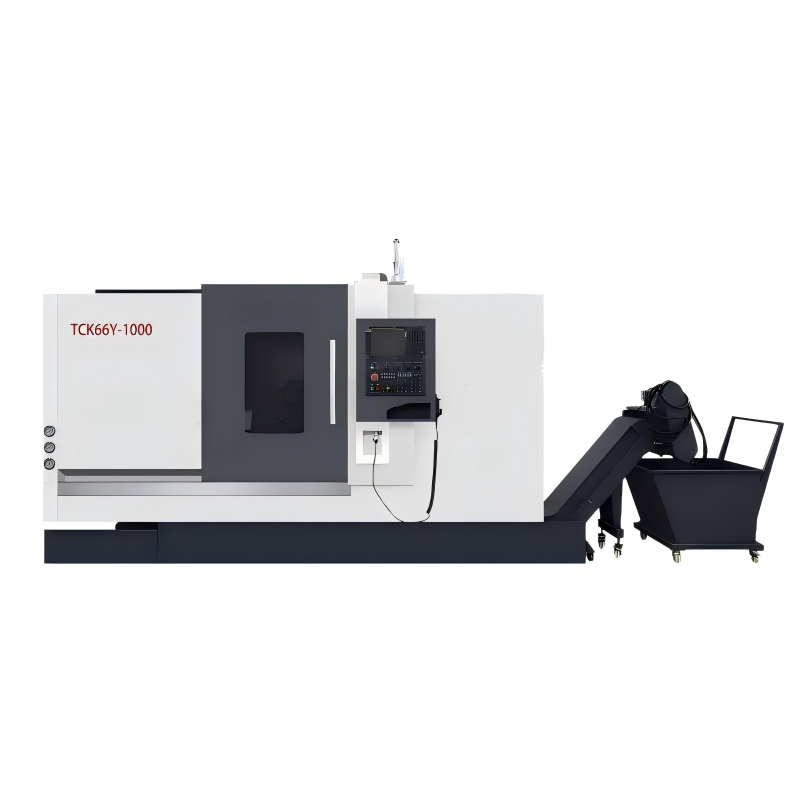
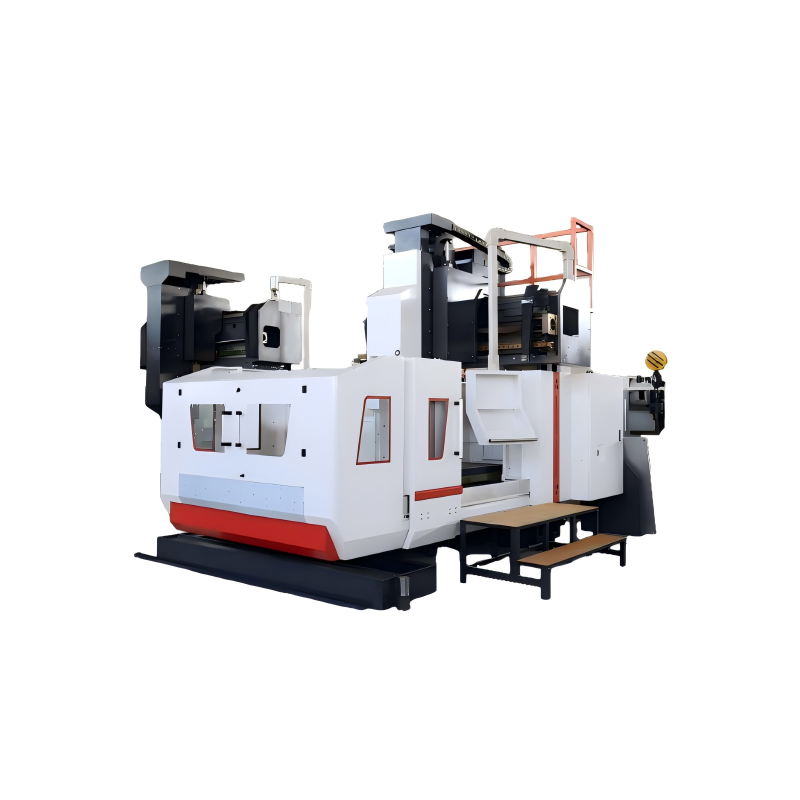
CNC (Computer Numerical Control) Vertical Machining Centers are pivotal in modern manufacturing, providing unparalleled precision and versatility. These machines are designed to handle a wide range of materials, from soft plastics to hard metals, with exceptional accuracy. The core capability lies in their ability to perform multiple operations such as drilling, milling, and tapping on a single setup, which significantly reduces production time and enhances efficiency. A key aspect of optimizing these centers involves understanding the machine's specifications, including spindle speed, axis travel, and tool capacity. Proper knowledge of these features allows operators to fully leverage the machine’s potential, ensuring that every task is executed with optimal settings for the best results.
Maintaining a CNC Vertical Machining Center in top condition is essential for consistent performance and longevity. Regular maintenance includes cleaning, lubricating, and inspecting critical components such as the spindle, linear guides, and ball screws. These routine checks help identify and address wear and tear, preventing unexpected downtime and costly repairs. Additionally, calibration is crucial to ensure the machine operates within specified tolerances. This process involves checking and adjusting the machine’s axes, ensuring they move accurately and consistently. By adhering to a strict maintenance schedule and performing regular calibrations, operators can minimize errors, improve part quality, and extend the lifespan of the machine.
Efficient tool paths and programming are vital for maximizing the productivity of a CNC vertical machining center. Advanced CAM (Computer-Aided Manufacturing) software can generate optimized tool paths that reduce cycle times and tool wear. One effective strategy is to use high-speed machining techniques, which involve taking smaller, more frequent cuts at higher speeds. This approach not only improves surface finish but also extends tool life. Furthermore, proper tool selection and management play a significant role. Using the right tools for the job and regularly replacing worn or damaged ones ensures consistent performance and reduces the risk of tool breakage. By continuously refining tool paths and programming, operators can achieve higher throughput and better part quality, making the most of their CNC vertical machining center.
Modern CNC vertical machining centers come equipped with advanced features that can significantly enhance performance and operational flexibility. For instance, automatic tool changers (ATCs) allow for rapid and seamless switching between different tools, reducing setup times and increasing productivity. Another valuable feature is the integration of probing systems, which enable in-process measurements and adjustments, ensuring parts meet exact specifications. Additionally, some machines offer multi-axis capabilities, allowing for complex 3D contouring and simultaneous machining from multiple angles. Leveraging these advanced features requires a deep understanding of the machine’s capabilities and the specific requirements of the project. By utilizing these features effectively, operators can tackle more complex jobs, improve accuracy, and achieve higher levels of automation, ultimately driving greater efficiency and competitiveness.
The effectiveness of a CNC vertical machining center is highly dependent on the skills and knowledge of its operators. Comprehensive training programs are essential to ensure that operators are proficient in operating the machine, programming, and troubleshooting. Initial training should cover the basics of machine operation, safety protocols, and basic maintenance. Advanced training can focus on more specialized topics such as advanced CAM software usage, tool path optimization, and the implementation of new technologies. Continuous skill development through workshops, seminars, and hands-on practice is also crucial. Well-trained operators are better equipped to handle complex tasks, optimize machine performance, and respond to any issues that may arise, thereby ensuring smooth and efficient production.
Safety is paramount in any manufacturing environment, and this is especially true when operating CNC vertical machining centers. Adhering to safety guidelines and regulations is not only a legal requirement but also a fundamental aspect of protecting the well-being of operators and maintaining a productive work environment. Key safety measures include wearing appropriate personal protective equipment (PPE), such as safety glasses, hearing protection, and gloves. Regular safety training and drills should be conducted to ensure that all personnel are aware of emergency procedures and the proper use of safety equipment. Additionally, it is important to maintain a clean and organized workspace, as clutter and debris can pose tripping hazards and interfere with machine operation. By prioritizing safety and compliance, manufacturers can create a secure and efficient working environment, fostering a culture of responsibility and excellence.
In conclusion, operating and optimizing a CNC vertical machining center requires a multifaceted approach that encompasses understanding the machine’s capabilities, regular maintenance, efficient tool paths, leveraging advanced features, operator training, and ensuring a safe working environment. By focusing on these key areas, manufacturers can unlock the full potential of their CNC vertical machining center, achieving higher productivity, better part quality, and long-term reliability. Continuous improvement and a commitment to best practices will ensure that the machine remains a valuable asset in the manufacturing process, driving success and innovation.
 27/06/2026
The advancements in CNC Vertical Machining Center technology have revolutionized the manufacturing industry, enabling higher precision, efficiency, and productivity. This report delves into the key innovations that are driving the evolution of CNC vertica
Read More27/06/2026A CNC Vertical Machining Center (VMC) is a highly versatile and efficient machine tool that can significantly enhance the manufacturing capabilities of any production facility. However, investing in such a machine requires careful consideration of both th
Read More27/06/2026Introduction to CNC Vertical Machining CentersThe advent of Computer Numerical Control (CNC) technology has revolutionized the manufacturing industry, particularly in the precision and efficiency of machining operations. Among various types of CNC machine
Read More26/06/2026In the realm of aerospace manufacturing, precision and reliability are paramount. The use of CNC Vertical Machining Center (VMC) has become increasingly prevalent due to their ability to deliver high-precision components with consistent quality. This repo
Read More26/06/2026Understanding the Versatility of CNC Vertical Machining CentersThe CNC (Computer Numerical Control) vertical machining center is a fundamental tool in modern manufacturing, known for its precision and versatility. These machines are capable of performing
Read More26/06/2026The advent of CNC Vertical Machining Centers has revolutionized the mold making industry, offering unparalleled precision, efficiency, and versatility. This report delves into the significant impact of CNC vertical machining centers on mold making process
Read More26/06/2026The CNC Vertical Machining Center (VMC) is a cornerstone of modern manufacturing, enabling precise and efficient production across a wide range of industries. As the demand for high-precision components continues to grow, selecting the right VMC becomes i
Read More25/06/2026In today’s rapidly evolving manufacturing landscape, the integration of advanced technologies has become a cornerstone for enhancing productivity and maintaining a competitive edge. One such technology that stands out is the CNC (Computer Numerical Contro
Read More25/06/2026Understanding the Importance of Regular Maintenance for CNC Vertical Machining CentersThe CNC Vertical Machining Center is a critical piece of equipment in many manufacturing and engineering environments. These machines are designed to perform complex and
Read More25/06/2026Introduction to CNC Vertical Machining CentersThe evolution of manufacturing technology has seen the rise of CNC (Computer Numerical Control) vertical machining centers as a pivotal tool in modern metalworking. These machines, characterized by their abili
Read More25/06/2026In the world of manufacturing, efficiency and precision are paramount. The advent of Computer Numerical Control (CNC) technology has revolutionized how parts and components are machined, offering unparalleled accuracy and repeatability. Among the various
Read More24/06/2026In the rapidly evolving landscape of modern manufacturing, CNC (Computer Numerical Control) Vertical Machining Centers have emerged as a cornerstone technology, offering unparalleled precision, efficiency, and versatility. These machines play a crucial ro
Read More24/06/2026The advent of CNC (Computer Numerical Control) technology has revolutionized the manufacturing industry, particularly in sectors such as aerospace, where precision and efficiency are paramount. Among the various types of CNC machines, the CNC Vertical Mac
Read More24/06/2026A CNC Vertical Machining Center (CNC VMC) is a critical piece of equipment in modern manufacturing, designed to perform a wide range of machining operations with high precision and efficiency. Selecting the right CNC VMC for your specific needs can be a d
Read More24/06/2026The evolution of manufacturing technologies has significantly impacted the way products are designed, produced, and delivered. Among these advancements, the CNC Vertical Machining Center stands out as a pivotal tool in modern machining processes. This rep
Read More23/06/2026The CNC Vertical Machining Center is a cornerstone in the world of precision engineering, offering unparalleled accuracy and efficiency. This comprehensive guide aims to provide an in-depth understanding of CNC vertical machining centers, their applicatio
Read More23/06/2026Introduction to CNC Vertical Machining Centers in Automotive Parts Production The automotive industry is one of the most technologically advanced and competitive sectors globally, constantly pushing the boundaries of innovation. A key enabler in this rele
Read More23/06/2026In the realm of precision engineering, the advent of CNC (Computer Numerical Control) technology has revolutionized manufacturing processes, allowing for unprecedented levels of accuracy, efficiency, and flexibility. Among the various types of CNC machine
Read More23/06/2026In the rapidly evolving landscape of modern manufacturing, CNC (Computer Numerical Control) vertical machining centers have become an indispensable tool for achieving precision, efficiency, and flexibility. These advanced machines are at the forefront of
Read MoreOur professional sales team is always ready to assist you.