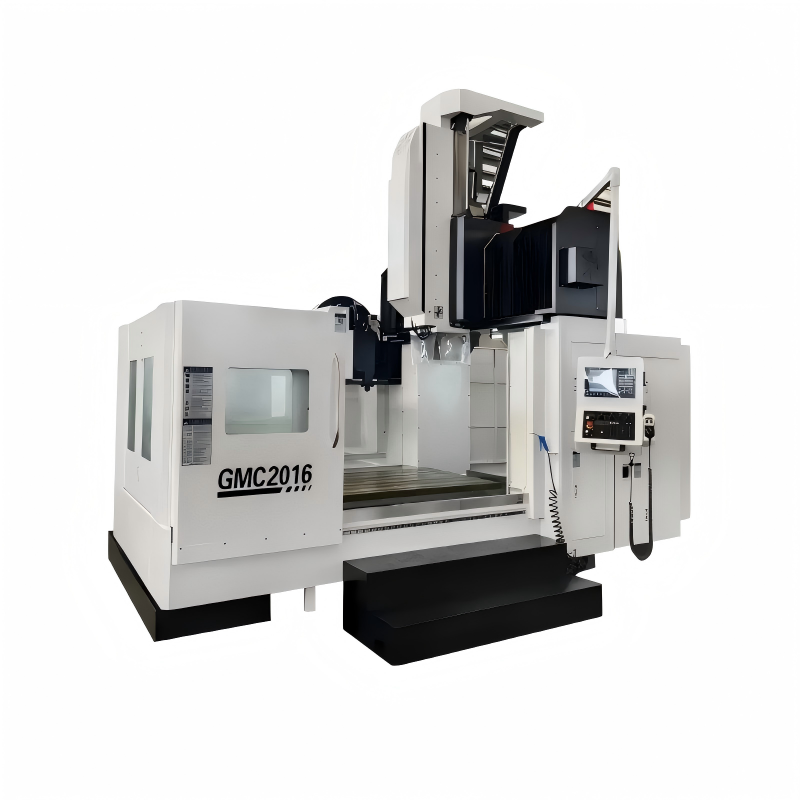
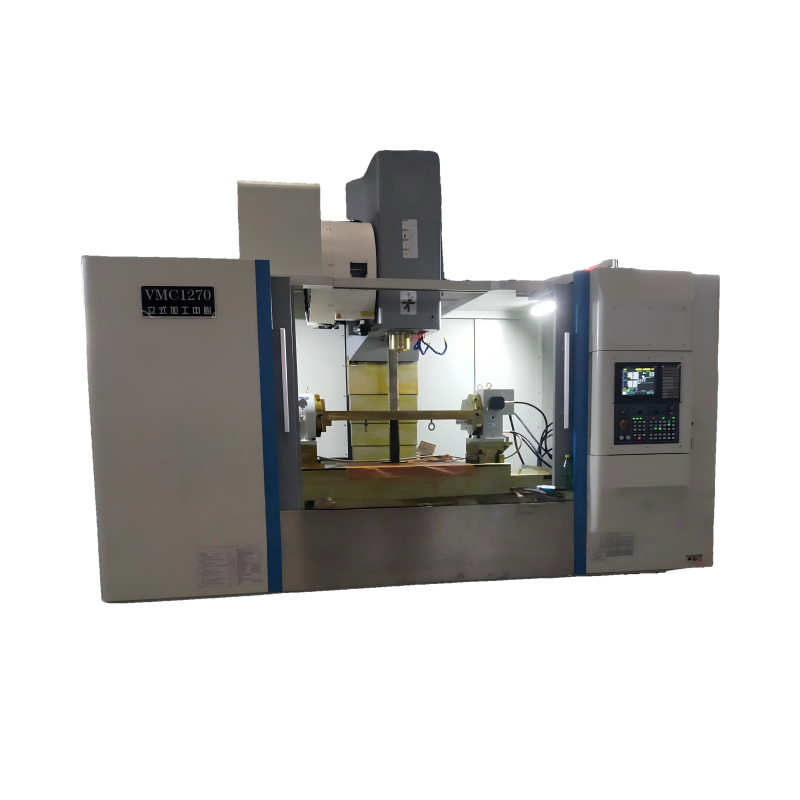
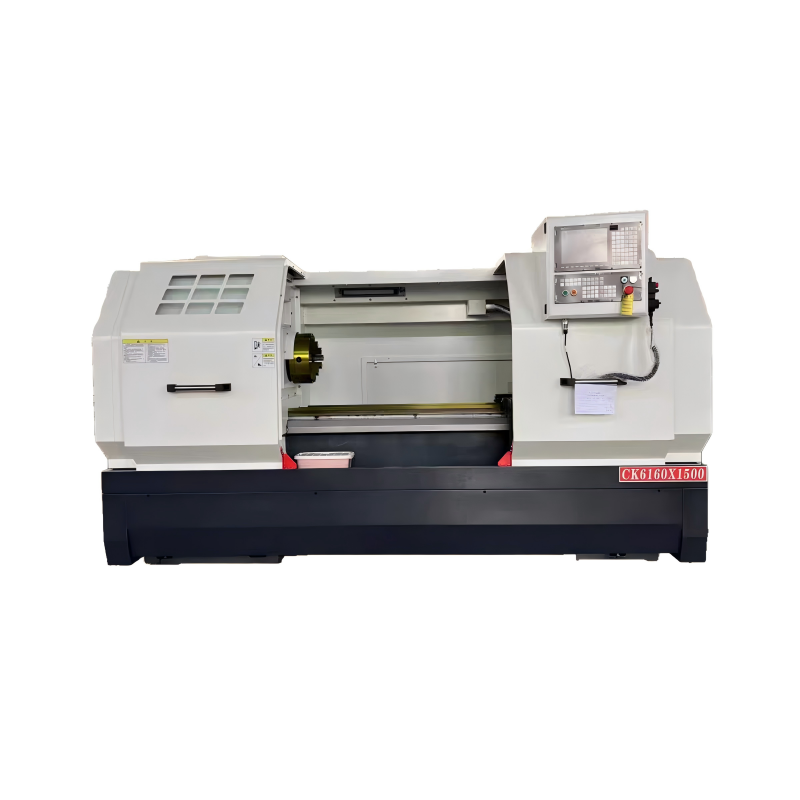
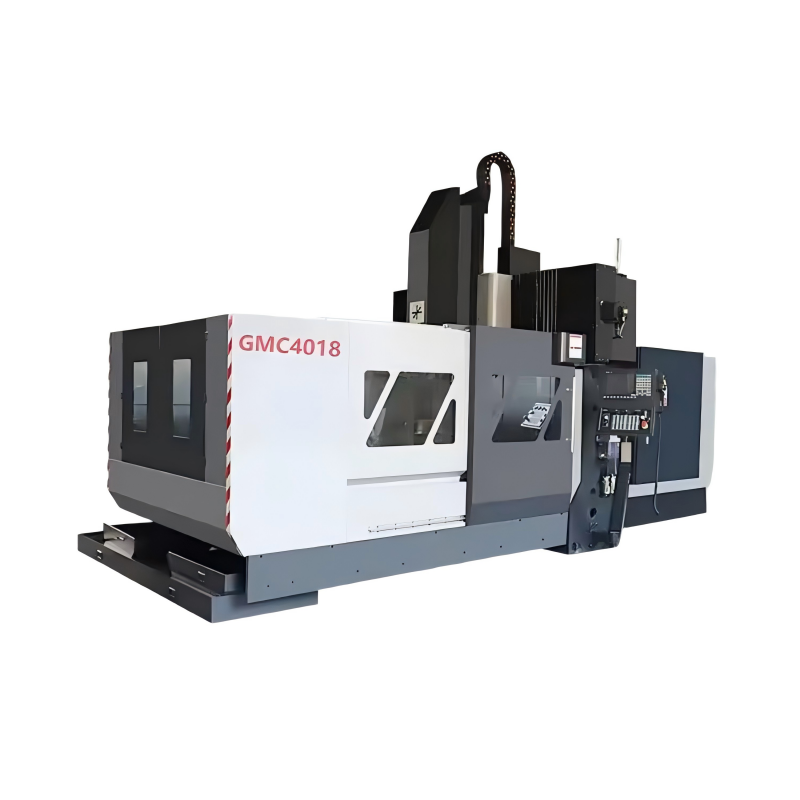
The advent of Computer Numerical Control (CNC) technology has revolutionized the manufacturing industry, particularly in the precision and efficiency of machining operations. Among various types of CNC machines, the CNC Vertical Machining Center stands out for its versatility and accuracy. These machines are designed to perform a wide range of tasks, from drilling and milling to tapping and boring, all with high precision and speed. The integration of advanced software into these systems further enhances their capabilities, making them indispensable tools in modern manufacturing environments.
Software plays a crucial role in the operation of a CNC Vertical Machining Center. It is the brain behind the machine, controlling every aspect of the machining process. Modern software solutions provide features such as 3D simulation, tool path optimization, and real-time monitoring, which significantly improve the accuracy and speed of the machining center. By leveraging these features, manufacturers can reduce errors, minimize downtime, and increase overall productivity.
One of the key benefits of using advanced software is the ability to simulate the entire machining process before it is executed on the machine. This allows operators to identify potential issues, such as collisions or tool interference, and make necessary adjustments in the virtual environment. As a result, the actual machining process is more efficient and less prone to errors.
Tool path optimization is another critical feature provided by CNC Vertical Machining Center software. By optimizing the tool paths, the software ensures that the machine moves in the most efficient manner, reducing unnecessary movements and minimizing wear on the tools. This not only speeds up the machining process but also extends the life of the cutting tools, leading to cost savings in the long run.
Advanced algorithms within the software analyze the geometry of the part and generate the most efficient tool paths. This includes considerations such as the depth of cut, feed rate, and spindle speed, all of which are optimized to achieve the best possible results. The result is a more streamlined and precise machining process, with minimal material waste and higher quality output.
Real-time monitoring is an essential feature of modern CNC Vertical Machining Center software. It allows operators to track the performance of the machine in real-time, ensuring that any issues are detected and addressed immediately. This proactive approach helps to prevent costly downtime and reduces the risk of producing defective parts.
Data analysis is another powerful tool provided by the software. By collecting and analyzing data from the machining process, operators can gain valuable insights into the performance of the machine. This data can be used to identify trends, optimize processes, and make informed decisions about maintenance and upgrades. For example, if the data shows that a particular tool is wearing out faster than expected, the operator can schedule a replacement before it affects the quality of the machined parts.
The continuous advancement of software technologies is driving the evolution of CNC Vertical Machining Centers. With features such as 3D simulation, tool path optimization, and real-time monitoring, these machines are becoming more accurate, efficient, and reliable. As the manufacturing industry continues to evolve, the integration of advanced software will play an increasingly important role in improving the performance of CNC Vertical Machining Centers.
By embracing these technological advancements, manufacturers can stay competitive in a rapidly changing market. The future of CNC Vertical Machining Centers is bright, and with the right software solutions, they will continue to be at the forefront of precision manufacturing.
 27/06/2026
The advancements in CNC Vertical Machining Center technology have revolutionized the manufacturing industry, enabling higher precision, efficiency, and productivity. This report delves into the key innovations that are driving the evolution of CNC vertica
Read More27/06/2026Understanding the Core Capabilities of CNC Vertical Machining CentersCNC (Computer Numerical Control) Vertical Machining Centers are pivotal in modern manufacturing, providing unparalleled precision and versatility. These machines are designed to handle a
Read More27/06/2026A CNC Vertical Machining Center (VMC) is a highly versatile and efficient machine tool that can significantly enhance the manufacturing capabilities of any production facility. However, investing in such a machine requires careful consideration of both th
Read More26/06/2026In the realm of aerospace manufacturing, precision and reliability are paramount. The use of CNC Vertical Machining Center (VMC) has become increasingly prevalent due to their ability to deliver high-precision components with consistent quality. This repo
Read More26/06/2026Understanding the Versatility of CNC Vertical Machining CentersThe CNC (Computer Numerical Control) vertical machining center is a fundamental tool in modern manufacturing, known for its precision and versatility. These machines are capable of performing
Read More26/06/2026The advent of CNC Vertical Machining Centers has revolutionized the mold making industry, offering unparalleled precision, efficiency, and versatility. This report delves into the significant impact of CNC vertical machining centers on mold making process
Read More26/06/2026The CNC Vertical Machining Center (VMC) is a cornerstone of modern manufacturing, enabling precise and efficient production across a wide range of industries. As the demand for high-precision components continues to grow, selecting the right VMC becomes i
Read More25/06/2026In today’s rapidly evolving manufacturing landscape, the integration of advanced technologies has become a cornerstone for enhancing productivity and maintaining a competitive edge. One such technology that stands out is the CNC (Computer Numerical Contro
Read More25/06/2026Understanding the Importance of Regular Maintenance for CNC Vertical Machining CentersThe CNC Vertical Machining Center is a critical piece of equipment in many manufacturing and engineering environments. These machines are designed to perform complex and
Read More25/06/2026Introduction to CNC Vertical Machining CentersThe evolution of manufacturing technology has seen the rise of CNC (Computer Numerical Control) vertical machining centers as a pivotal tool in modern metalworking. These machines, characterized by their abili
Read More25/06/2026In the world of manufacturing, efficiency and precision are paramount. The advent of Computer Numerical Control (CNC) technology has revolutionized how parts and components are machined, offering unparalleled accuracy and repeatability. Among the various
Read More24/06/2026In the rapidly evolving landscape of modern manufacturing, CNC (Computer Numerical Control) Vertical Machining Centers have emerged as a cornerstone technology, offering unparalleled precision, efficiency, and versatility. These machines play a crucial ro
Read More24/06/2026The advent of CNC (Computer Numerical Control) technology has revolutionized the manufacturing industry, particularly in sectors such as aerospace, where precision and efficiency are paramount. Among the various types of CNC machines, the CNC Vertical Mac
Read More24/06/2026A CNC Vertical Machining Center (CNC VMC) is a critical piece of equipment in modern manufacturing, designed to perform a wide range of machining operations with high precision and efficiency. Selecting the right CNC VMC for your specific needs can be a d
Read More24/06/2026The evolution of manufacturing technologies has significantly impacted the way products are designed, produced, and delivered. Among these advancements, the CNC Vertical Machining Center stands out as a pivotal tool in modern machining processes. This rep
Read More23/06/2026The CNC Vertical Machining Center is a cornerstone in the world of precision engineering, offering unparalleled accuracy and efficiency. This comprehensive guide aims to provide an in-depth understanding of CNC vertical machining centers, their applicatio
Read More23/06/2026Introduction to CNC Vertical Machining Centers in Automotive Parts Production The automotive industry is one of the most technologically advanced and competitive sectors globally, constantly pushing the boundaries of innovation. A key enabler in this rele
Read More23/06/2026In the realm of precision engineering, the advent of CNC (Computer Numerical Control) technology has revolutionized manufacturing processes, allowing for unprecedented levels of accuracy, efficiency, and flexibility. Among the various types of CNC machine
Read More23/06/2026In the rapidly evolving landscape of modern manufacturing, CNC (Computer Numerical Control) vertical machining centers have become an indispensable tool for achieving precision, efficiency, and flexibility. These advanced machines are at the forefront of
Read MoreOur professional sales team is always ready to assist you.