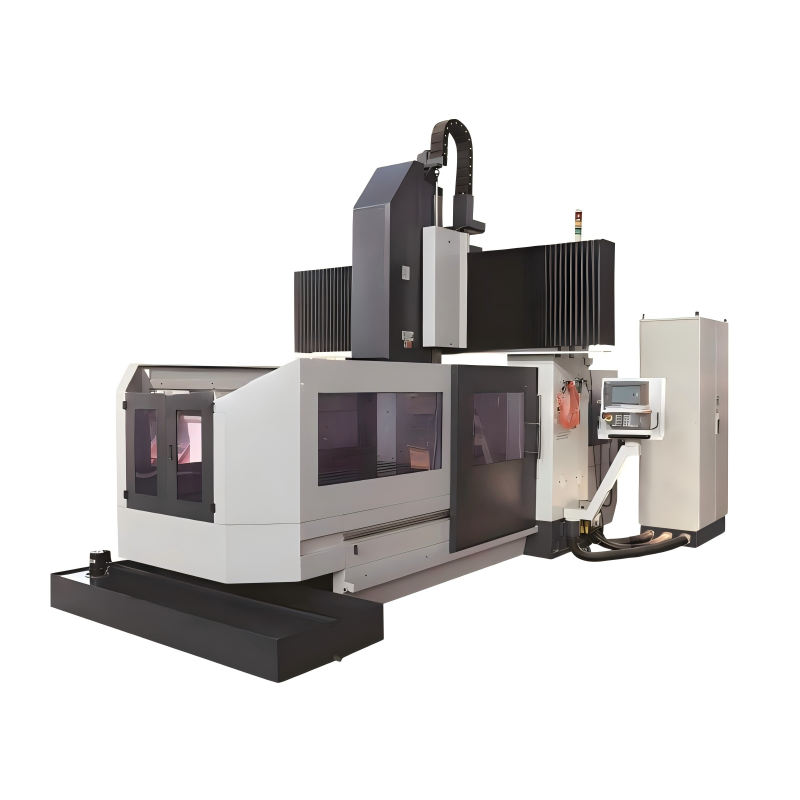
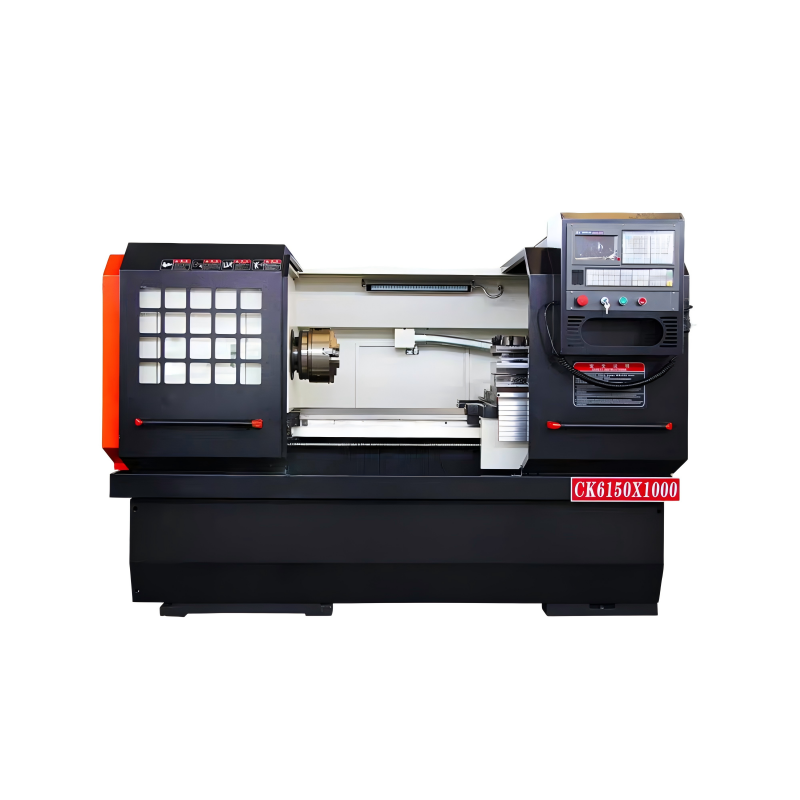
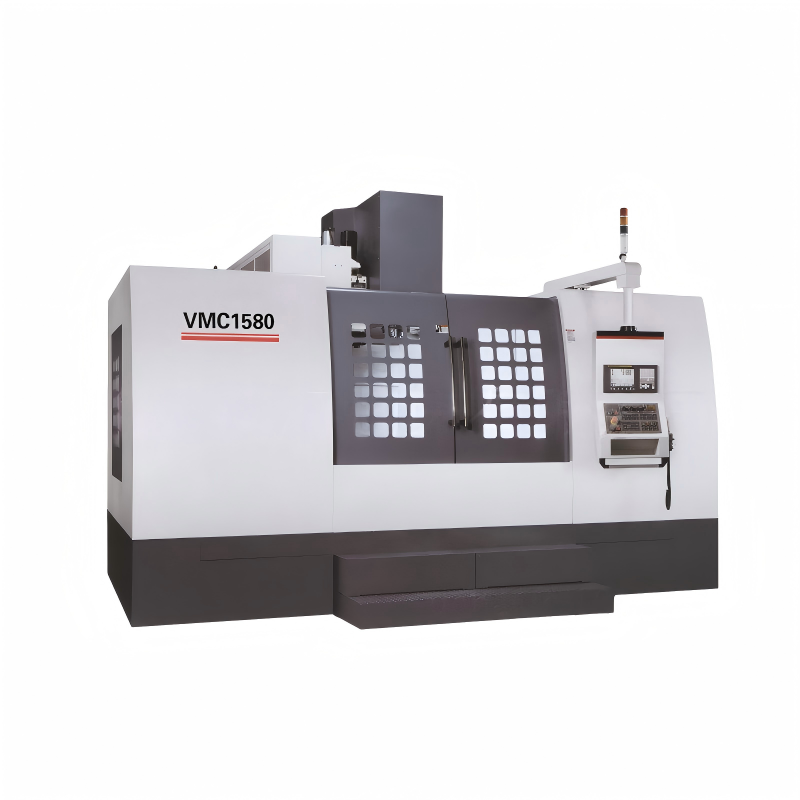
Choosing the right heavy-duty CNC work center, especially one that integrates high-precision milling machine tool capabilities, is a critical decision for any manufacturing facility. The choice can significantly impact productivity, efficiency, and the quality of the final products. This report aims to guide you through the key considerations and steps necessary to make an informed decision when selecting such a crucial piece of machinery.
Before diving into the specifics of different models or brands, it's essential first to understand what your production line truly requires from a heavy-duty CNC work center. This involves not only assessing the current state of your operations but also forecasting future needs. Consider factors like the materials you'll be working with (e.g., metals, plastics), the complexity of the parts being produced, and the desired throughput. A high-Precision Milling Machine tool might be necessary if your applications demand tight tolerances and intricate designs. Additionally, think about the physical space available in your workshop; some machines, despite their advanced capabilities, may not fit well within your existing layout. By having a clear picture of these requirements, you set a solid foundation for making the right investment.
Once you have a good understanding of your operational needs, the next step is to evaluate the specifications and capabilities of potential CNC work centers. Key aspects to consider include:
By carefully evaluating these and other relevant features, you can narrow down your options to those that best meet your specific criteria.
While the initial cost of purchasing a heavy-duty CNC work center is a significant factor, it's equally important to look at the long-term costs associated with owning and operating the machine. Energy consumption, for example, can vary greatly between different models, affecting your utility bills. More energy-efficient machines, although they might have a higher upfront cost, could save you money in the long run. Similarly, the cost of consumables and maintenance should be factored into your budget planning. High-quality machines, such as those featuring a high-precision milling machine tool, tend to require less frequent servicing and have longer lifespans, contributing positively to your return on investment (ROI).
Another aspect to consider is the potential for increased revenue due to improved production efficiency and quality. With a capable CNC work center, you may be able to take on more complex projects or produce higher volumes, leading to business growth. Calculating the expected ROI based on these factors will help justify the investment and ensure that the chosen machine aligns with your financial goals.
In conclusion, selecting the appropriate heavy-duty CNC work center for your facility involves a thorough assessment of both immediate and long-term needs. By focusing on the specific requirements of your production line, thoroughly evaluating machine specifications, and considering the total cost of ownership, you can make a well-informed decision that enhances your manufacturing capabilities and contributes to the overall success of your business.
 26/06/2026
In the realm of manufacturing, precision is not just a preference but a necessity. This article explores how integrating a high-precision milling machine tool into production processes, specifically through the use of a CNC (Computer Numerical Control) pi
Read More22/06/2026In the realm of modern manufacturing, achieving unmatched precision is not just a goal; it is a necessity. High-precision milling machine tools play a pivotal role in this endeavor, enabling manufacturers to produce components with exacting standards. Thi
Read More22/06/2026Introduction to the CK6136 High-Precision Milling Machine ToolThe CK6136 is a high-precision milling machine tool that has been designed with advanced technology and superior craftsmanship. This model, known for its reliability and versatility, serves as
Read More22/06/2026In today’s manufacturing landscape, the integration of advanced machinery like high-precision milling machine tools and CNC lathes with flat beds is pivotal for achieving optimal productivity. These machines not only enhance the precision and efficiency o
Read More22/06/2026High-precision milling machine tools, particularly 4-axis heavy horizontal machining centers, represent a significant advancement in the field of manufacturing. These machines are designed to handle complex and large-scale parts with exceptional accuracy
Read More22/06/2026In the realm of modern manufacturing, precision and efficiency are paramount. Among the various tools and technologies that have revolutionized this field, high-precision milling machine tool and heavy duty CNC turning centers stand out as critical compon
Read More22/06/2026High-precision milling machine tools are a cornerstone in the manufacturing industry, providing unparalleled accuracy and efficiency. These machines are designed to meet the stringent demands of modern production, where precision is paramount. In this rep
Read More08/06/2026The future of high-precision milling is a topic that has garnered significant attention in the manufacturing and engineering sectors. As industries continue to demand higher levels of accuracy and efficiency, the development of high-precision milling mach
Read More08/06/2026In the realm of manufacturing, high-precision milling machine tools represent a significant investment. This report delves into the cost-effectiveness of such an investment, considering both short-term and long-term perspectives. It evaluates how these ad
Read More07/06/2026High-precision milling machines have emerged as a transformative force within the automotive industry, driving innovation and efficiency in manufacturing processes. These advanced tools are not only capable of producing components with unparalleled accura
Read More07/06/2026High-precision milling machine tools are essential in modern manufacturing, providing unparalleled accuracy and efficiency. However, their performance and longevity depend significantly on proper maintenance. This technical report delves into the critical
Read More06/06/2026In the realm of advanced manufacturing, high-precision milling machine tools play a pivotal role in producing complex parts with unparalleled accuracy and efficiency. This report delves into how these sophisticated machines are transforming industries by
Read More06/06/2026High-precision milling machine tools are essential in modern manufacturing, offering unparalleled accuracy and efficiency. This report delves into the capabilities of these advanced machines, exploring their impact on precision engineering, material versa
Read More05/06/2026In the realm of precision engineering, high-precision milling machine tools play a pivotal role in achieving the exacting standards required for components and products across various industries. These machines are designed to deliver unparalleled accurac
Read More05/06/2026In the realm of modern manufacturing, high-precision milling machine tools play a pivotal role in enhancing both productivity and accuracy. These advanced machines are not just tools; they are integral components that drive the efficiency and quality of p
Read More04/06/2026In the realm of aerospace engineering, where precision and reliability are paramount, high-precision milling machine tools play an indispensable role. These advanced machines offer unparalleled accuracy and consistency, which are crucial for manufacturing
Read More04/06/2026In the rapidly evolving landscape of modern manufacturing, high-precision milling machine tools have become indispensable for achieving superior quality and efficiency. These advanced machines are designed to meet the stringent requirements of industries
Read MoreOur professional sales team is always ready to assist you.