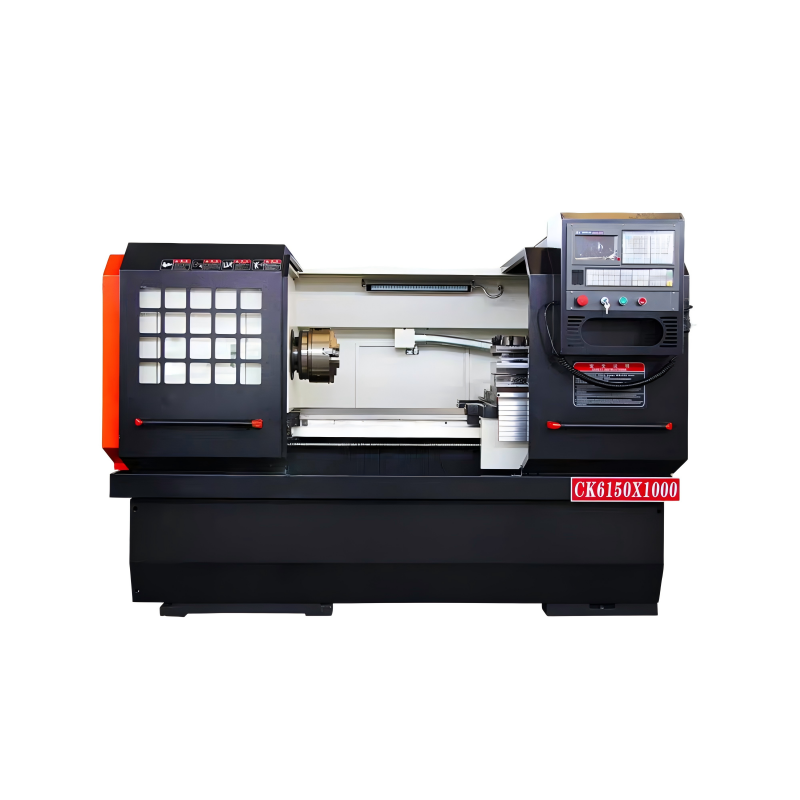
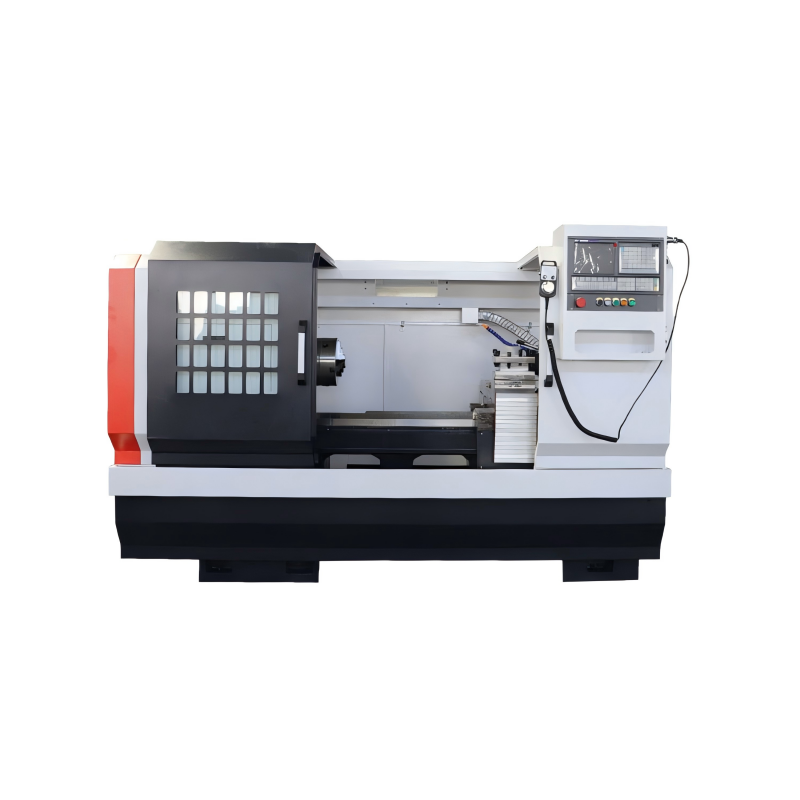
In the modern manufacturing landscape, where precision and efficiency are paramount, the adoption of advanced machinery plays a critical role. One such piece of equipment that has significantly enhanced productivity is the hard rail CNC lathe. This technical report explores how high-quality hard rail CNC Lathes contribute to increased productivity in manufacturing processes, focusing on their robust design, precision capabilities, and integration with Industry 4.0 technologies.
The foundation of any productive manufacturing process lies in the durability and reliability of the machinery used. A Turning Hard Rail CNC Lathe is engineered with a solid and stable base, typically made from high-strength materials like cast iron or steel. This construction ensures minimal vibration during operation, which is crucial for maintaining accuracy and extending tool life. The hard rails, as opposed to softer alternatives, provide a more rigid platform, reducing deflection and improving the overall stability of the machine. This robust design not only enhances the longevity of the lathe but also allows it to handle heavy workloads and operate continuously without significant downtime, thereby increasing productivity.
Moreover, the use of high-quality components, such as precision ball screws and linear guides, further contributes to the lathe's reliability. These components ensure smooth and accurate movement, even under high loads, and minimize wear and tear. Regular maintenance, although essential, is less frequent due to the durable nature of the hard rail CNC lathe, allowing manufacturers to focus more on production and less on upkeep.
One of the key advantages of a turning hard rail CNC lathe is its ability to achieve high levels of precision. Modern hard rail CNC lathes are equipped with advanced control systems that can execute complex machining operations with micron-level accuracy. This precision is critical in industries such as aerospace, automotive, and medical devices, where tolerances are extremely tight. The use of high-resolution encoders and servo motors ensures that the lathe can maintain consistent performance over long periods, resulting in high-quality parts with minimal defects.
Additionally, these lathes often come with features such as automatic tool changers, which allow for rapid and precise switching between different tools. This capability reduces setup times and enables the machine to perform multiple operations in a single setup, thereby increasing throughput. The ability to program and store multiple jobs also means that the lathe can quickly switch between different tasks, making it highly versatile and efficient in a fast-paced production environment.
The integration of Industry 4.0 technologies is another factor that sets high-quality hard rail CNC lathes apart. These machines are designed to be part of a smart manufacturing ecosystem, where data collection, analysis, and real-time monitoring play a central role. Sensors and IoT (Internet of Things) devices embedded in the lathe can monitor various parameters such as temperature, vibration, and tool wear. This data is then transmitted to a central system, where it can be analyzed to predict maintenance needs, optimize machine settings, and improve overall efficiency.
Furthermore, the use of cloud-based software and AI (Artificial Intelligence) algorithms allows for predictive maintenance, reducing unexpected downtime and extending the lifespan of the lathe. Machine learning models can analyze historical data to identify patterns and predict potential issues before they become critical. This proactive approach to maintenance ensures that the lathe operates at peak performance, maximizing productivity and minimizing waste.
Additionally, the integration of these technologies enables remote monitoring and control, allowing operators to manage multiple machines from a single interface. This not only improves operational efficiency but also enhances safety by reducing the need for manual intervention. The ability to access real-time data and make informed decisions based on that data is a game-changer in the manufacturing industry, driving productivity to new heights.
High-quality hard rail CNC lathes have become indispensable in modern manufacturing, offering a combination of durability, precision, and advanced technological integration. Their robust design ensures reliable operation and minimal downtime, while their precision capabilities enable the production of high-quality parts. The integration of Industry 4.0 technologies further enhances their performance, allowing for predictive maintenance, real-time monitoring, and data-driven decision-making. As the manufacturing landscape continues to evolve, the turning hard rail CNC lathe will remain a key player in driving productivity and innovation.
 28/06/2026
The advancement in manufacturing technology has brought about a significant change in how precision parts are produced. Among the numerous innovations, the Turning Hard Rail CNC Lathe stands out as a pinnacle of accuracy and efficiency. This technical rep
Read More18/06/2026Understanding the Importance of Heavy Duty CNC Lathes in Modern ManufacturingIn today’s rapidly evolving manufacturing landscape, the demand for precision and efficiency has never been higher. One of the key tools that enable manufacturers to meet these d
Read More18/06/2026As the manufacturing sector continues to evolve, the integration of advanced machinery and technologies has become a necessity rather than an option. This report delves into the potential of Double Pallet Heavy HMC (Horizontal Machining Center) in industr
Read More18/06/2026The field of manufacturing is constantly evolving, with advancements in technology playing a crucial role in this transformation. One such innovation that has significantly impacted the precision and efficiency of machining processes is the Turning Hard R
Read More16/06/2026When it comes to selecting the appropriate horizontal lathe machine for your specific manufacturing needs, several factors come into play. One of the most critical decisions is whether to opt for a Turning Hard Rail CNC Lathe or another type of horizontal
Read More16/06/2026Understanding the Core Features of a Horizontal Lathe MachineA Horizontal Lathe Machine, often recognized for its versatility and efficiency, is an indispensable tool in modern manufacturing. These machines are designed to perform a wide range of operatio
Read More16/06/2026Introduction to China Box Way CNC Lathe FactoriesIn the modern manufacturing landscape, precision and efficiency are paramount. A turning hard rail CNC lathe, especially when sourced from a reputable China box way CNC lathe factory, can significantly enha
Read More16/06/2026In the ever-evolving landscape of manufacturing, precision and efficiency are paramount. One technology that has significantly contributed to these advancements is the Turning Hard Rail CNC Lathe. This article delves into how Horizontal Lathe Machines, pa
Read More16/06/2026In the ever-evolving landscape of manufacturing, precision and versatility are paramount. The 630mm swing conventional lathe stands out as a cornerstone in machining, offering a blend of reliability and adaptability that is hard to match. This technical r
Read More16/06/2026The Turning Hard Rail CNC Lathe represents a significant advancement in the field of machining, offering precision, efficiency, and versatility. This comprehensive guide aims to provide an in-depth understanding of the Turning Hard Rail CNC Lathe, its app
Read More14/06/2026In the realm of precision manufacturing, the turning hard rail CNC lathe plays a crucial role due to its ability to produce high-accuracy parts. However, like any sophisticated machinery, it requires regular and meticulous maintenance to ensure optimal pe
Read More14/06/2026In the realm of modern manufacturing, the Turning Hard Rail CNC Lathe stands out as a critical piece of equipment for producing precision components. This article delves into the workflow from design to production, highlighting key processes and best prac
Read More14/06/2026The evolution of the turning hard rail CNC lathe industry is a testament to technological advancement, driven by increasing demands for precision, efficiency, and automation. This report delves into the future trends that are shaping this sector, focusing
Read More14/06/2026Understanding the Basics of a Turning Hard Rail CNC LatheA Turning Hard Rail CNC Lathe is a sophisticated piece of machinery designed for high-precision and efficient machining processes. It is widely used in various industries, including automotive, aero
Read More10/06/2026In today's competitive manufacturing landscape, maximizing the efficiency and output of a Turning Hard Rail CNC Lathe is crucial for businesses aiming to stay ahead. This technical report delves into the strategies and best practices that can significantl
Read More10/06/2026Introduction to Turning Hard Rail CNC Lathes The turning hard rail CNC lathe is a specialized machine tool designed for high-precision machining of cylindrical and conical surfaces. These machines are equipped with robust, rigid rails that provide the nec
Read More08/06/2026In the ever-evolving world of manufacturing, the turning hard rail CNC lathe stands out as a pivotal technology that continues to shape the future of machining. This report delves into the latest innovations in this field, highlighting how advancements ar
Read More08/06/2026Understanding the Basics of Turning Hard Rail CNC Lathes The journey from novice to expert in mastering the turning hard rail CNC lathe begins with a solid understanding of its fundamental principles. A CNC (Computer Numerical Control) lathe is an automat
Read More08/06/2026This technical report provides a detailed guide on operating a Turning Hard Rail CNC Lathe, covering essential aspects from basic machine setup to advanced programming techniques. It is designed for both beginners and experienced operators looking to enha
Read More08/06/2026When it comes to precision machining, a Turning Hard Rail CNC Lathe is an indispensable tool. This machine is designed for high-precision and high-efficiency turning operations, making it a preferred choice in many manufacturing settings. However, the per
Read More07/06/2026Turning hard rail CNC lathe machining represents a significant advancement in the field of precision engineering, offering unparalleled accuracy and efficiency. This report delves into advanced techniques that enhance the capabilities of turning hard rail
Read More07/06/2026Understanding the Importance of Regular Maintenance for Your Turning Hard Rail CNC Lathe Maintaining a turning hard rail CNC lathe is crucial for ensuring its longevity and optimal performance. Regular maintenance not only extends the machine's lifespan b
Read More07/06/2026In the realm of modern manufacturing, the integration of advanced technologies has significantly transformed traditional processes. One such innovation is the turning hard rail CNC lathe, a tool that exemplifies precision and versatility. This article del
Read More07/06/2026The maintenance of a Turning Hard Rail CNC Lathe is crucial for ensuring its longevity and maintaining high levels of precision and efficiency. Proper care not only extends the life of the machine but also reduces downtime, which can be costly in terms of
Read More06/06/2026The turning hard rail CNC lathe is a highly specialized piece of machinery that combines the precision and flexibility of computer numerical control (CNC) with the robustness of a hard rail system. This article delves into the mechanics behind such a lath
Read More06/06/2026With the advancement of manufacturing technology, the Turning Hard Rail CNC Lathe has become an indispensable tool for many industries. Its ability to produce high-precision parts efficiently makes it a preferred choice for manufacturers aiming to enhance
Read More06/06/2026In the realm of precision engineering, the Turning Hard Rail CNC Lathe stands out as a pivotal tool for achieving high-accuracy machining. This report delves into the capabilities and applications of this advanced machinery, exploring its role in modern m
Read More06/06/2026In the realm of precision machining, the Turning Hard Rail CNC Lathe stands out as a critical tool for producing high-accuracy components. This machine's ability to handle tough materials and maintain consistent performance makes it an indispensable asset
Read More05/06/2026The advent of the Turning Hard Rail CNC Lathe has revolutionized precision machining across various industries. This guide aims to provide a comprehensive understanding of operating such machinery, ensuring operators can achieve optimal performance and ma
Read More05/06/2026Turning Hard Rail CNC Lathe machines are essential in the modern manufacturing industry, offering unparalleled precision and efficiency. This report aims to explore how users can maximize the performance of their Turning Hard Rail CNC Lathes, focusing on
Read More05/06/2026In the realm of precision machining, the Turning Hard Rail CNC Lathe stands out as a versatile and robust solution for a wide range of applications. This technical report delves into the advantages and practical uses of this advanced machine tool, highlig
Read More05/06/2026Introduction to Turning Hard Rail CNC Lathes The turning hard rail CNC lathe represents a significant advancement in the field of precision machining. This type of machine is designed with a robust, rigid structure that enhances its ability to handle high
Read More04/06/2026In the realm of precision machining, the Turning Hard Rail CNC Lathe stands out as a remarkable tool, capable of producing intricate and accurate parts with unparalleled efficiency. This article delves into the intricacies of using a Turning Hard Rail CNC
Read More04/06/2026Introduction to Turning Hard Rail CNC LatheThe turning hard rail CNC lathe represents a significant advancement in the field of precision machining, offering unparalleled accuracy and efficiency. This type of lathe is designed with a robust, stable struct
Read More04/06/2026In the realm of modern machining, the Turning Hard Rail CNC Lathe has emerged as a transformative technology, offering unparalleled precision, efficiency, and versatility. This technical report delves into the capabilities and potential applications of th
Read More04/06/2026In the realm of precision machining, CNC lathes play a pivotal role in producing high-quality components. The performance and accuracy of these machines are significantly influenced by their design and construction. One critical aspect that enhances the p
Read More03/06/2026In the rapidly evolving landscape of manufacturing, the turning hard rail CNC lathe stands out as a pinnacle of precision and efficiency. This article delves into the advanced features that make modern turning hard rail CNC lathes indispensable in today's
Read More02/06/2026In the realm of precision machining, the Turning Hard Rail CNC Lathe stands out as a critical tool for achieving high accuracy and efficiency. This article delves into the techniques and best practices that can be employed to maximize the potential of a T
Read MoreOur professional sales team is always ready to assist you.