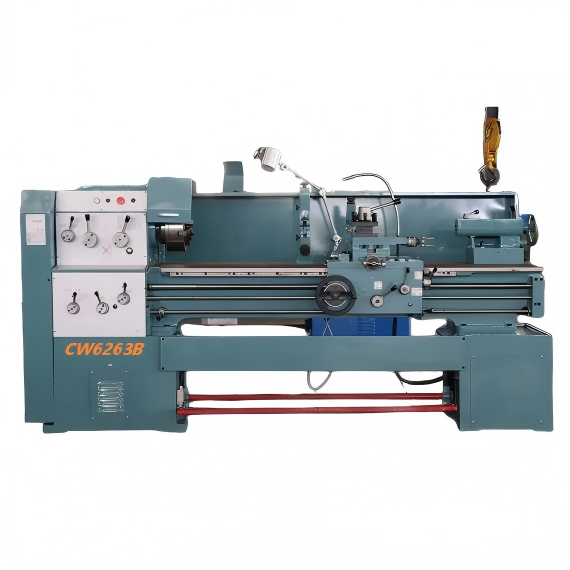
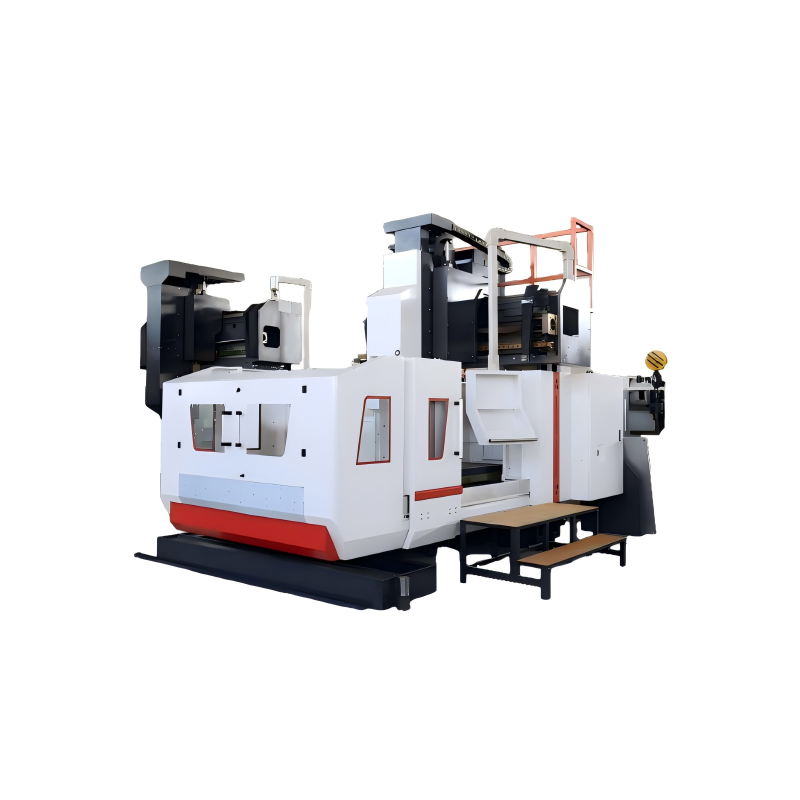
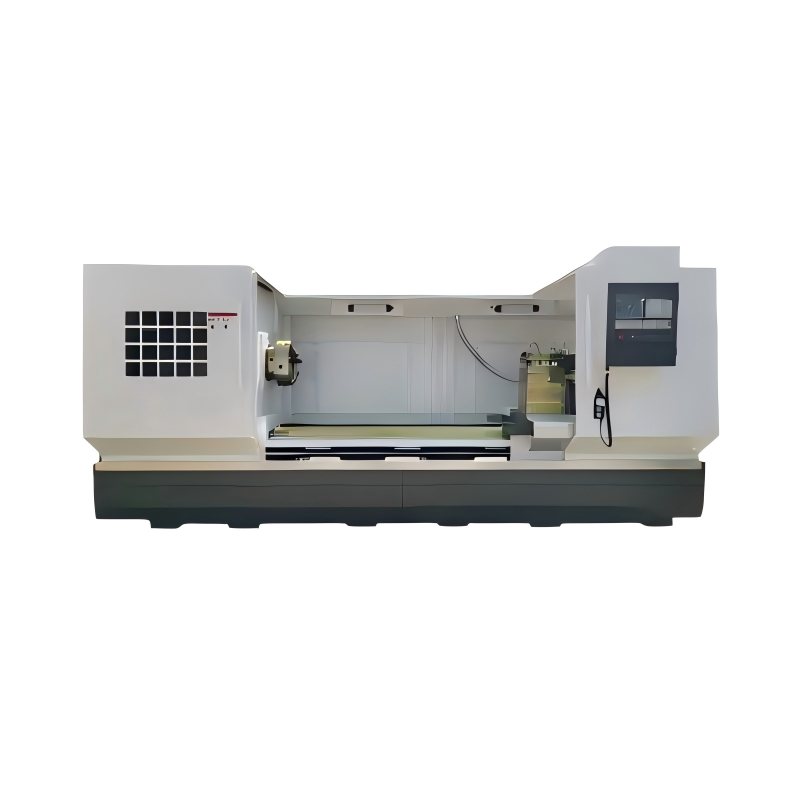
A manual lathe machine is a versatile tool that can significantly enhance the capabilities of any workshop. This article will explore how incorporating a reliable manual lathe into your workspace can improve productivity, precision, and overall efficiency. We will delve into the technical aspects, benefits, and practical applications of using a manual lathe machine in various settings.
The manual lathe machine operates on a simple yet effective principle: it rotates a workpiece around a central axis while tools are applied to shape the material. The primary components of a manual lathe include the headstock, which holds and rotates the workpiece; the tailstock, which supports the other end of the workpiece; and the carriage, which moves the cutting tool along the length of the workpiece. By understanding these basic mechanics, operators can better control the process and achieve the desired results.
The ability to manually control the speed and direction of the rotation, as well as the movement of the cutting tool, allows for a high degree of precision and flexibility. This level of control is particularly useful when working with intricate designs or when making fine adjustments to the workpiece. Additionally, the manual lathe machine's robust construction ensures that it can handle a wide range of materials, from soft woods to hard metals, making it an indispensable tool in many workshops.
One of the key advantages of using a manual lathe machine is the enhanced precision and accuracy it provides. Unlike automated lathes, which may have limitations in terms of the complexity of the shapes they can produce, a manual lathe allows for more nuanced and detailed work. The operator has direct control over the cutting process, enabling them to make real-time adjustments and corrections as needed.
This level of control is especially beneficial in industries where high-precision parts are required, such as aerospace, automotive, and medical device manufacturing. For example, in the production of custom parts for aircraft engines, even the slightest deviation from the design specifications can have catastrophic consequences. A manual lathe machine enables technicians to carefully craft each component, ensuring that it meets the exacting standards of the industry.
Moreover, the manual lathe machine's ability to handle a variety of materials and complex geometries makes it an ideal tool for prototyping and small-scale production. Engineers and designers can use the manual lathe to quickly create and test new designs, allowing for rapid iteration and refinement of their products. This flexibility not only saves time but also reduces the risk of errors and rework, ultimately leading to higher-quality end products.
While the manual lathe machine may require more hands-on operation compared to its automated counterparts, it can still significantly increase the efficiency and productivity of a workshop. One of the main reasons for this is the reduced setup time. Unlike CNC (Computer Numerical Control) lathes, which often require extensive programming and setup, a manual lathe can be quickly adjusted and set up for a new task. This makes it an excellent choice for shops that frequently switch between different projects or need to produce a wide range of parts.
Additionally, the manual lathe machine's simplicity and ease of use mean that operators can quickly become proficient in its operation. This reduces the learning curve and allows new employees to start contributing to the workshop's output sooner. Furthermore, the manual lathe's durability and low maintenance requirements ensure that it remains operational for long periods, minimizing downtime and maximizing productivity.
Another factor that contributes to the efficiency of a manual lathe machine is its versatility. The same lathe can be used for a wide range of tasks, from turning and facing to threading and drilling. This means that a single machine can replace multiple specialized tools, reducing the need for additional equipment and freeing up valuable workspace. By consolidating operations onto a single, reliable machine, workshops can streamline their processes and achieve greater overall efficiency.
Investing in a manual lathe machine can be a cost-effective solution for many workshops, especially those with limited budgets. While the initial cost of a manual lathe may be higher than some other tools, its long-term benefits and durability make it a worthwhile investment. The manual lathe's robust construction and minimal moving parts mean that it requires less maintenance and has a longer lifespan compared to more complex machines.
Furthermore, the manual lathe machine's versatility and ability to handle a wide range of materials and tasks reduce the need for additional specialized equipment. This can lead to significant cost savings over time, as the workshop does not need to purchase and maintain multiple machines. Additionally, the manual lathe's lower energy consumption and reduced need for consumables, such as cutting fluids and lubricants, further contribute to its cost-effectiveness.
From a financial perspective, the manual lathe machine also offers a higher return on investment (ROI) due to its longevity and reliability. A well-maintained manual lathe can last for decades, providing consistent performance and value to the workshop. This long-term stability and reliability make it an attractive option for businesses looking to maximize their return on capital expenditures.
Incorporating a reliable manual lathe machine into your workshop can bring numerous benefits, including improved precision, increased efficiency, and cost-effectiveness. By understanding the mechanics of the manual lathe and leveraging its capabilities, operators can achieve high-quality results and enhance the overall productivity of their workspace. Whether you are a small-scale manufacturer, a prototyping specialist, or a large industrial operation, a manual lathe machine is a valuable addition to any workshop.
 29/06/2026
Mastering the art of operating a Manual Lathe Machine is a journey that transforms novices into experts. This technical report aims to guide individuals through this learning curve, providing insights and practical advice for those looking to enhance thei
Read More27/06/2026Manual lathe machines are fundamental tools in the manufacturing and machining industry, offering precision and versatility to a wide range of applications. For beginners, mastering the use of a manual lathe machine can be both challenging and rewarding.
Read More27/06/2026The manual lathe machine, a cornerstone of manufacturing and engineering, has long been recognized for its versatility and precision. This technical report delves into the ways in which a manual lathe machine can unleash creativity, offering insights into
Read More27/06/2026Despite the rapid advancement of automation and computer-aided manufacturing (CAM) technologies, manual lathe machines continue to play a vital role in modern manufacturing. These versatile tools, which have been around for centuries, offer unique advanta
Read More26/06/2026Manual lathe machines have long been a cornerstone in the world of manufacturing, offering unparalleled precision and control to craftsmen. This report delves into the intricate details of manual lathe machining, exploring its historical significance, ope
Read More26/06/2026Manual lathe machines, despite the advent of automated and computerized alternatives, continue to play a vital role in various industries due to their versatility and the level of craftsmanship they enable. This report delves into the significance of manu
Read More26/06/2026Understanding the intricacies of maintaining a Manual Lathe Machine is essential for anyone working in machining, from hobbyists to professional engineers. Proper maintenance not only extends the lifespan of the equipment but also ensures its consistent p
Read More25/06/2026The manual lathe machine, a cornerstone of machining technology, has been an essential tool in the manufacturing industry for centuries. Despite the rise of CNC (Computer Numerical Control) machines, mastering the art of operating a manual lathe remains a
Read More25/06/2026Understanding the Basics of Manual Lathe Machine OperationsThe manual lathe machine is a versatile tool in the manufacturing and engineering industry, used for creating cylindrical parts with high precision. Before delving into techniques that can enhance
Read More25/06/2026Since the dawn of the Industrial Revolution, manual lathe machines have played a crucial role in shaping the world as we know it. These versatile tools, capable of turning raw materials into precision components, continue to hold a special place in both h
Read More24/06/2026Manual Lathe Machines, despite being one of the oldest types of machine tools, continue to hold a significant place in modern workshops. This report aims to explore the enduring charm and functionality of manual lathes, highlighting their unique advantage
Read More24/06/2026In an era dominated by automation and digital technology, the traditional manual lathe machine continues to hold a significant place in the manufacturing industry. This tool, while seemingly simple, requires a high degree of skill and precision from its o
Read More24/06/2026The manual lathe machine, a tool that has been around for centuries, continues to play an essential role in the manufacturing and prototyping industries. This versatile piece of equipment allows for the creation of complex shapes and parts with high preci
Read More23/06/2026In the realm of precision machining, few tools hold as much significance as the manual lathe machine. This versatile piece of equipment has been a cornerstone in manufacturing and engineering for centuries, enabling craftsmen and engineers to produce intr
Read More23/06/2026Mastering the manual lathe machine is a fundamental skill for anyone involved in manufacturing or machining. This versatile tool, known as the manual lathe machine, has been at the heart of precision engineering for centuries. In this technical report, we
Read More23/06/2026The art of precision in manual lathe machining is a testament to the enduring relevance of traditional manufacturing techniques, even in an era dominated by automation and digitalization. This report delves into the intricacies of manual lathe operations,
Read MoreOur professional sales team is always ready to assist you.