Manual lathe machines are fundamental tools in the manufacturing and machining industry, offering precision and versatility to a wide range of applications. For beginners, mastering the use of a manual lathe machine can be both challenging and rewarding. This technical report aims to provide essential tips and insights for those new to operating a manual lathe machine, ensuring that they can achieve optimal results while maintaining safety and efficiency.
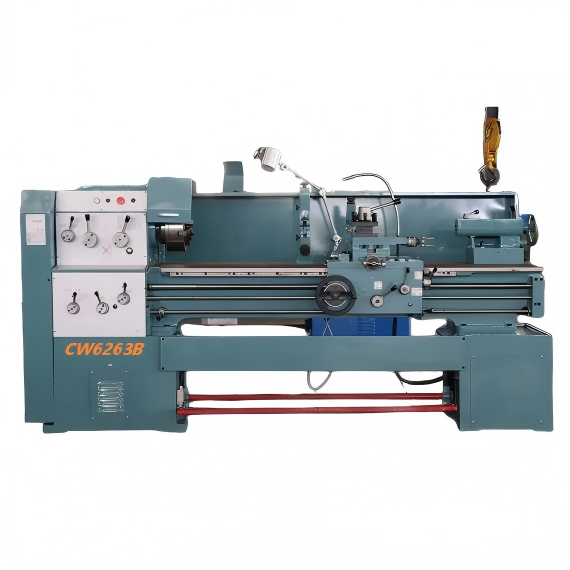
A manual lathe machine is a versatile tool used for shaping metal, wood, or plastic by rotating the material against a cutting tool. The key components of a manual lathe include the headstock, tailstock, bed, carriage, and tool post. Understanding these components and their functions is crucial for effective operation. The headstock holds the spindle, which rotates the workpiece, while the tailstock supports the other end of the workpiece. The bed is the foundation of the lathe, providing a stable platform for all other components. The carriage moves along the bed and houses the tool post, where the cutting tool is mounted.
Before starting, it is essential to familiarize yourself with the controls and settings of the lathe. This includes adjusting the speed, setting the depth of cut, and positioning the tool correctly. Proper setup ensures that the lathe operates smoothly and efficiently, reducing the risk of errors and accidents.
Safety should always be a top priority when working with a manual lathe machine. Here are some essential safety precautions to follow:
By adhering to these safety guidelines, you can minimize the risk of accidents and ensure a safe working environment.
Achieving precision in machining requires a combination of skill, practice, and the right techniques. Here are some key tips to help you master the art of precision machining on a manual lathe machine:
With practice and patience, you can develop the skills necessary to produce high-quality, precision-machined parts using a manual lathe machine.
Proper maintenance and troubleshooting are essential for keeping your manual lathe machine in optimal condition. Here are some tips to help you maintain and troubleshoot your lathe:
By following these maintenance and troubleshooting tips, you can extend the life of your manual lathe machine and ensure reliable performance over time.
Mastering the use of a manual lathe machine is a valuable skill that can open up a world of possibilities in machining and manufacturing. By understanding the basics, following safety precautions, mastering precision techniques, and maintaining your lathe, you can achieve excellent results and enjoy a rewarding experience. Whether you are a hobbyist or a professional, the tips provided in this technical report will help you get the most out of your manual lathe machine.
 27/06/2026
The manual lathe machine, a cornerstone of manufacturing and engineering, has long been recognized for its versatility and precision. This technical report delves into the ways in which a manual lathe machine can unleash creativity, offering insights into
Read More27/06/2026Despite the rapid advancement of automation and computer-aided manufacturing (CAM) technologies, manual lathe machines continue to play a vital role in modern manufacturing. These versatile tools, which have been around for centuries, offer unique advanta
Read More26/06/2026Manual lathe machines have long been a cornerstone in the world of manufacturing, offering unparalleled precision and control to craftsmen. This report delves into the intricate details of manual lathe machining, exploring its historical significance, ope
Read More26/06/2026Manual lathe machines, despite the advent of automated and computerized alternatives, continue to play a vital role in various industries due to their versatility and the level of craftsmanship they enable. This report delves into the significance of manu
Read More26/06/2026Understanding the intricacies of maintaining a Manual Lathe Machine is essential for anyone working in machining, from hobbyists to professional engineers. Proper maintenance not only extends the lifespan of the equipment but also ensures its consistent p
Read More25/06/2026The manual lathe machine, a cornerstone of machining technology, has been an essential tool in the manufacturing industry for centuries. Despite the rise of CNC (Computer Numerical Control) machines, mastering the art of operating a manual lathe remains a
Read More25/06/2026Understanding the Basics of Manual Lathe Machine OperationsThe manual lathe machine is a versatile tool in the manufacturing and engineering industry, used for creating cylindrical parts with high precision. Before delving into techniques that can enhance
Read More25/06/2026Since the dawn of the Industrial Revolution, manual lathe machines have played a crucial role in shaping the world as we know it. These versatile tools, capable of turning raw materials into precision components, continue to hold a special place in both h
Read More24/06/2026Manual Lathe Machines, despite being one of the oldest types of machine tools, continue to hold a significant place in modern workshops. This report aims to explore the enduring charm and functionality of manual lathes, highlighting their unique advantage
Read More24/06/2026In an era dominated by automation and digital technology, the traditional manual lathe machine continues to hold a significant place in the manufacturing industry. This tool, while seemingly simple, requires a high degree of skill and precision from its o
Read More24/06/2026The manual lathe machine, a tool that has been around for centuries, continues to play an essential role in the manufacturing and prototyping industries. This versatile piece of equipment allows for the creation of complex shapes and parts with high preci
Read More23/06/2026In the realm of precision machining, few tools hold as much significance as the manual lathe machine. This versatile piece of equipment has been a cornerstone in manufacturing and engineering for centuries, enabling craftsmen and engineers to produce intr
Read More23/06/2026Mastering the manual lathe machine is a fundamental skill for anyone involved in manufacturing or machining. This versatile tool, known as the manual lathe machine, has been at the heart of precision engineering for centuries. In this technical report, we
Read More23/06/2026The art of precision in manual lathe machining is a testament to the enduring relevance of traditional manufacturing techniques, even in an era dominated by automation and digitalization. This report delves into the intricacies of manual lathe operations,
Read MoreOur professional sales team is always ready to assist you.