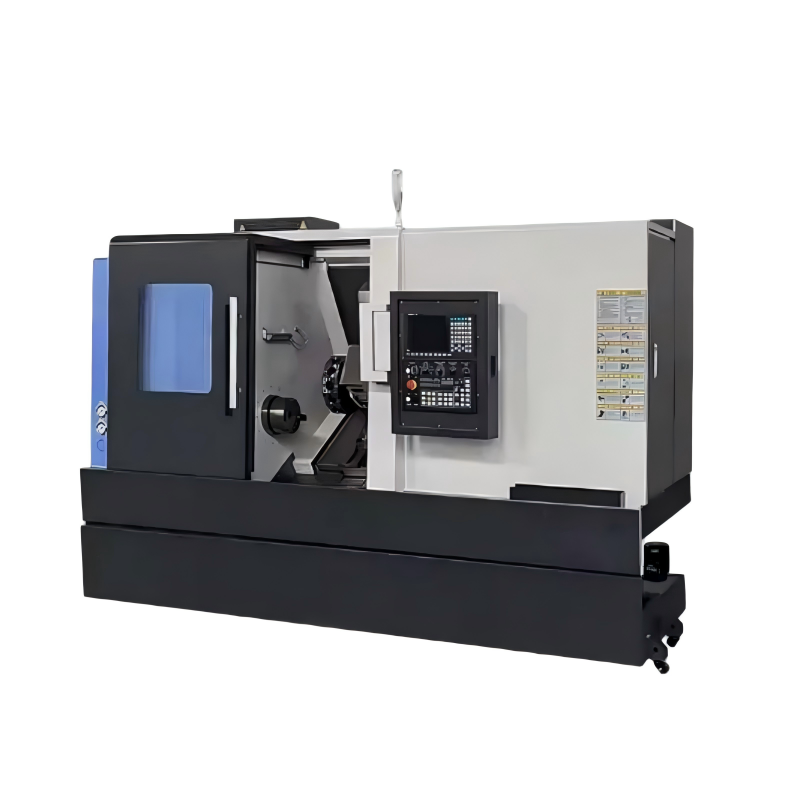
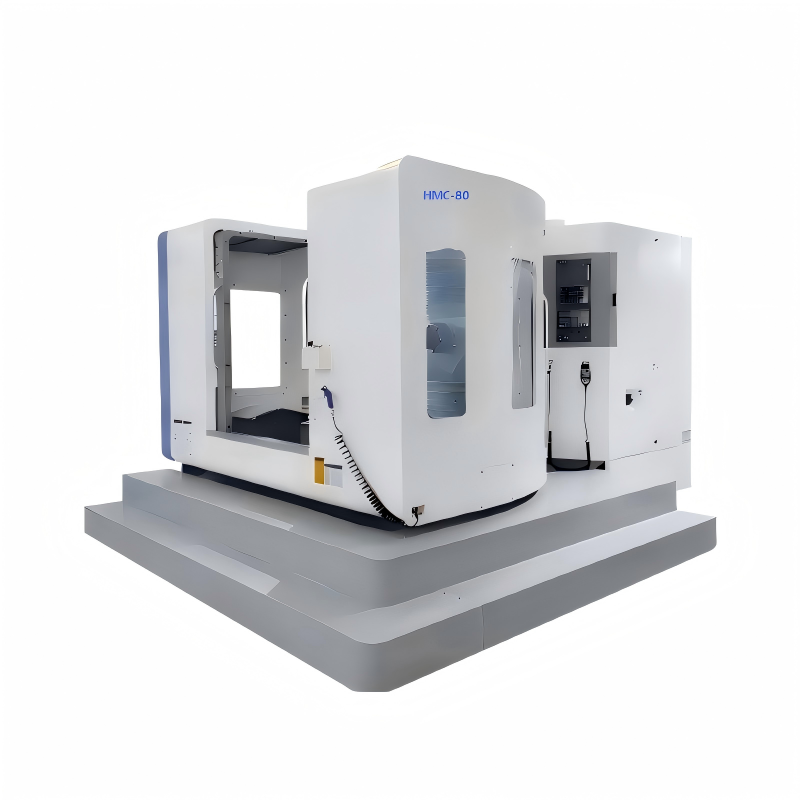
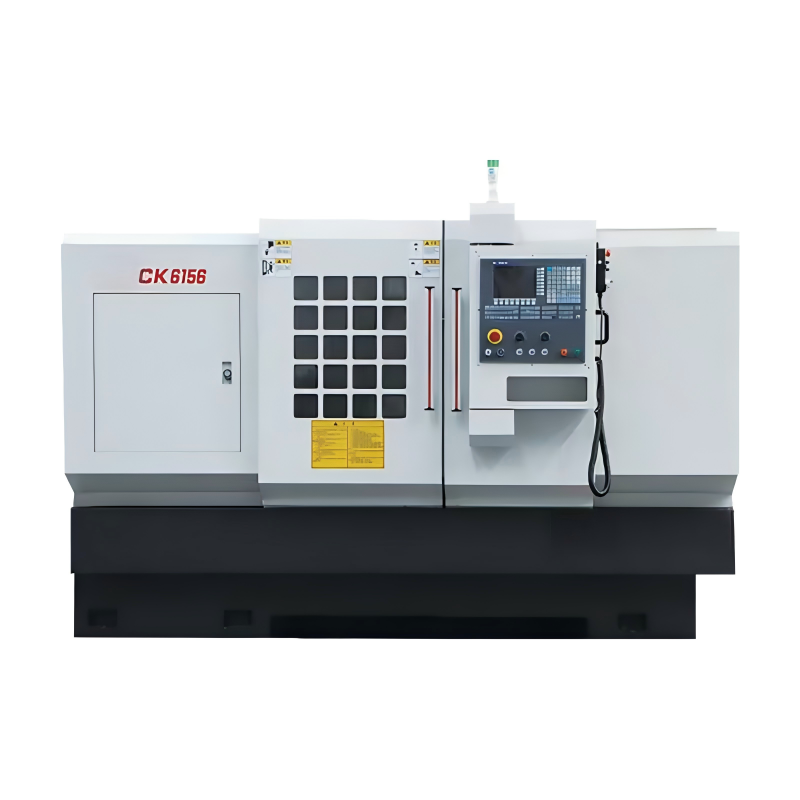
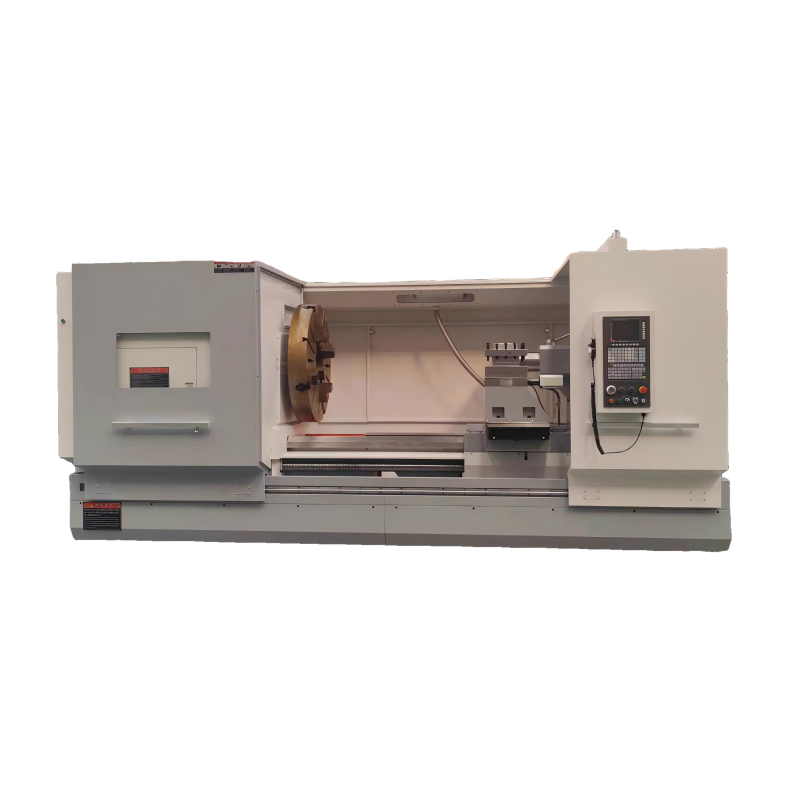
With the continuous advancement in manufacturing technology, lathes have evolved significantly to meet the demands of modern industries. Among these advancements, the capabilities of Lathe for Long Shaft have become a focal point for manufacturers dealing with large-scale components. This report aims to explore how contemporary lathe designs and functionalities cater specifically to the machining of long shafts, addressing key aspects such as precision, efficiency, and adaptability.
Precision is paramount when it comes to machining long shafts, given their critical role in applications ranging from automotive engines to wind turbine generators. Modern lathes designed for long shafts incorporate advanced features that enhance accuracy. These include high-precision guideways, which minimize vibrations and ensure smooth movements along the X and Z axes. Additionally, the integration of CNC (Computer Numerical Control) systems allows for programmed control over the cutting process, reducing human error and achieving consistent results. The use of laser measurement tools also contributes to this precision, enabling real-time adjustments and corrections during the machining process.
Efficiency in machining long shafts has been greatly improved by the automation capabilities of today’s lathes. Automated tool changers reduce downtime between operations, while adaptive speed controls optimize the cutting process based on the material being machined. This not only speeds up production but also extends the life of both the tools and the machine itself. Furthermore, the ability to perform multiple operations within a single setup—such as turning, milling, and drilling—further enhances productivity. For instance, some models feature dual-spindle configurations that allow simultaneous work on two ends of the shaft, effectively halving the required processing time.
The versatility of modern lathes for long shafts is another significant advantage. These machines are equipped to handle a wide range of materials, from soft metals like aluminum to harder alloys and even composite materials. The flexibility in tooling options, including various types of cutting inserts and specialized tools, ensures that the lathe can be adapted to the specific requirements of each project. Moreover, the modular design of many current models allows for easy reconfiguration, making them suitable for both small-batch and mass production environments. This adaptability is particularly valuable in industries where product designs frequently change or where there is a need to quickly switch between different types of components.
Smart technologies have become integral to the operation of modern lathes, especially those used for machining long shafts. IoT (Internet of Things) connectivity enables real-time monitoring of machine performance, predictive maintenance, and remote diagnostics. This not only helps in maintaining optimal operating conditions but also in preventing unexpected breakdowns. Advanced software solutions, such as simulation and optimization tools, further enhance the lathe's capabilities by allowing engineers to test and refine machining processes before actual production. This digital transformation not only improves the quality and consistency of the final product but also reduces waste and operational costs.
The evolution of lathes for long shafts reflects the broader trends in manufacturing towards higher precision, greater efficiency, and increased adaptability. As technology continues to advance, we can expect further innovations in this field, such as the integration of artificial intelligence for more intelligent and autonomous machining processes. The capabilities of modern lathes, as discussed, are already transforming the way long shafts are manufactured, setting new standards for quality and productivity. Manufacturers who invest in these advanced machines will be well-positioned to meet the growing demands of the industry and stay ahead in the competitive landscape.
 27/06/2026
When it comes to machining, the lathe is one of the most versatile and essential tools in any workshop. However, working with long shafts on a lathe presents unique challenges that require specific techniques and strategies to ensure efficiency and qualit
Read More27/06/2026When it comes to precision machining, especially in the context of long shaft turning, the selection and utilization of a high-quality lathe are paramount. This report delves into the intricacies of mastering the art of long shaft turning, highlighting ke
Read More27/06/2026Understanding the Specific Needs of Long Shaft WorkWhen it comes to machining long shafts, the selection of an appropriate lathe is critical. A Lathe for Long Shaft must be capable of handling the unique challenges associated with extended workpieces, suc
Read More26/06/2026When it comes to machining long shafts, the right lathe is an indispensable tool. The challenges associated with long shaft machining are numerous, from maintaining straightness and roundness to managing vibrations and deflections. This technical report w
Read More26/06/2026In the realm of precision machining, lathes play an indispensable role in shaping various components. When it comes to working with long shafts, however, standard lathes may not always deliver the desired performance. This report delves into the customiza
Read More26/06/2026In the realm of precision engineering, the machining of long shafts presents unique challenges that demand specific solutions. A lathe for long shafts is not merely a tool but a critical component in ensuring the quality and accuracy of the final product.
Read More25/06/2026When it comes to machining long shafts, the lathe is a fundamental tool that requires careful consideration of various factors to ensure high-quality results. One of the most critical aspects in this process is stability, which directly impacts the precis
Read More25/06/2026In the realm of manufacturing, the lathe for long shaft plays a crucial role in producing high-precision components. This technical report aims to explore best practices that can significantly enhance productivity when working with lathes and long shafts.
Read More25/06/2026The evolution of machining technology has witnessed significant advancements, particularly in the design and capabilities of lathes used for long shaft applications. This report delves into recent innovations that have transformed how manufacturers approa
Read More25/06/2026Working with a lathe for long shafts requires not only precision but also a deep understanding of the machinery involved. This guide aims to provide you with comprehensive insights into maintaining your lathe, ensuring it remains in optimal condition for
Read More24/06/2026In the realm of mechanical engineering, working with long shafts requires a high degree of precision and skill. The lathe for long shaft is an essential tool in this process, allowing for the creation of components that meet stringent specifications. This
Read More24/06/2026In the field of precision engineering, the turning of long shafts on a lathe presents unique challenges that demand specialized techniques and tools. This technical report explores advanced methodologies for effectively handling such tasks, focusing on im
Read More24/06/2026The Importance of Precision in Initial SetupWhen it comes to machining long shafts, the initial setup is a critical phase that sets the stage for the entire process. A lathe for long shaft requires meticulous attention to detail to ensure that the final p
Read More24/06/2026When it comes to the manufacturing of long shafts, a lathe for long shaft plays an indispensable role. This machine is specifically designed to handle the unique challenges that come with turning and shaping long cylindrical components. In this technical
Read More23/06/2026The lathe for long shaft operations is a specialized piece of machinery designed to handle the unique challenges associated with machining extended lengths. This report delves into the critical aspects of operating such lathes, focusing on setup considera
Read More23/06/2026Working with a lathe, especially when dealing with long shafts, presents unique challenges and requires a specialized set of skills. This report aims to provide essential tips for effectively using a lathe for long shaft machining. The following sections
Read More23/06/2026A lathe for long shaft is a specialized machine designed to work with elongated pieces of material, such as metal or wood. These machines are essential in industries that require precision and accuracy when working on long, cylindrical objects. This techn
Read More23/06/2026Understanding the Specific Needs of Long Shaft ProjectsWhen it comes to machining long shafts, understanding the unique requirements and challenges is crucial. A Lathe for Long Shaft must be capable of handling not only the length but also the precision a
Read MoreOur professional sales team is always ready to assist you.