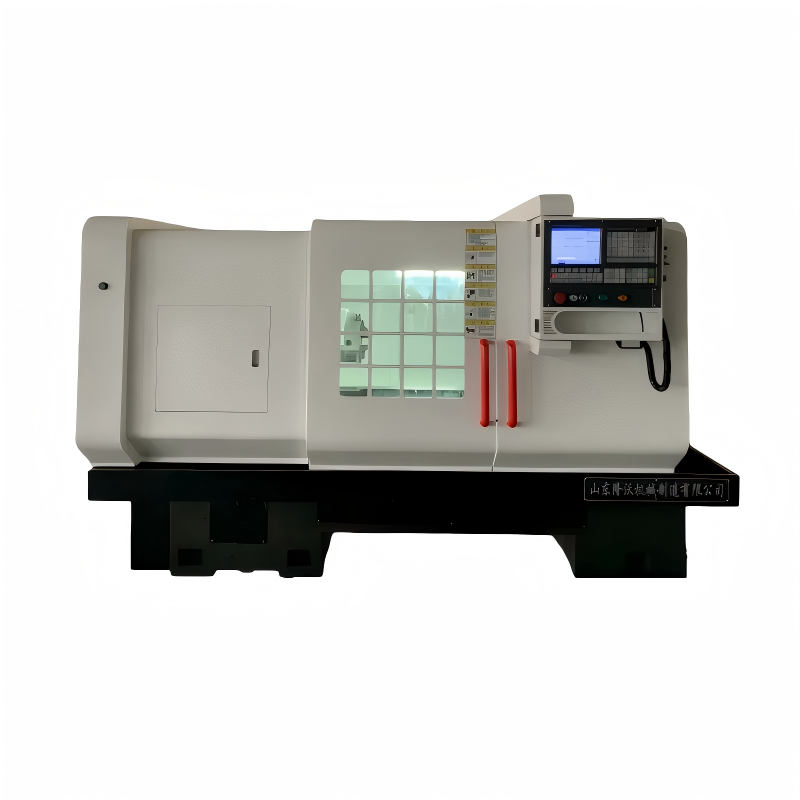
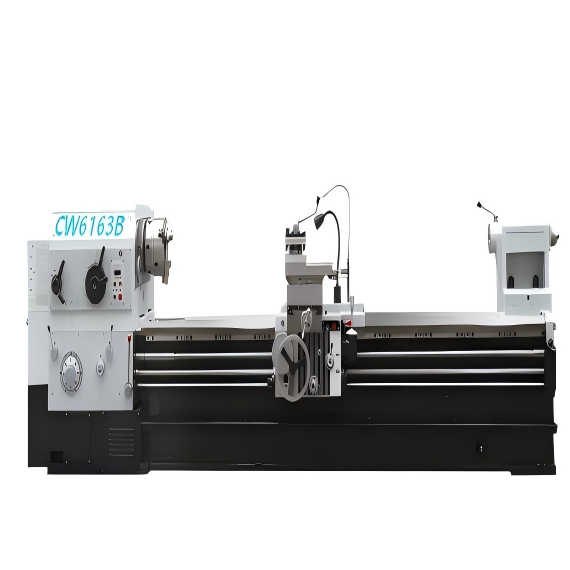
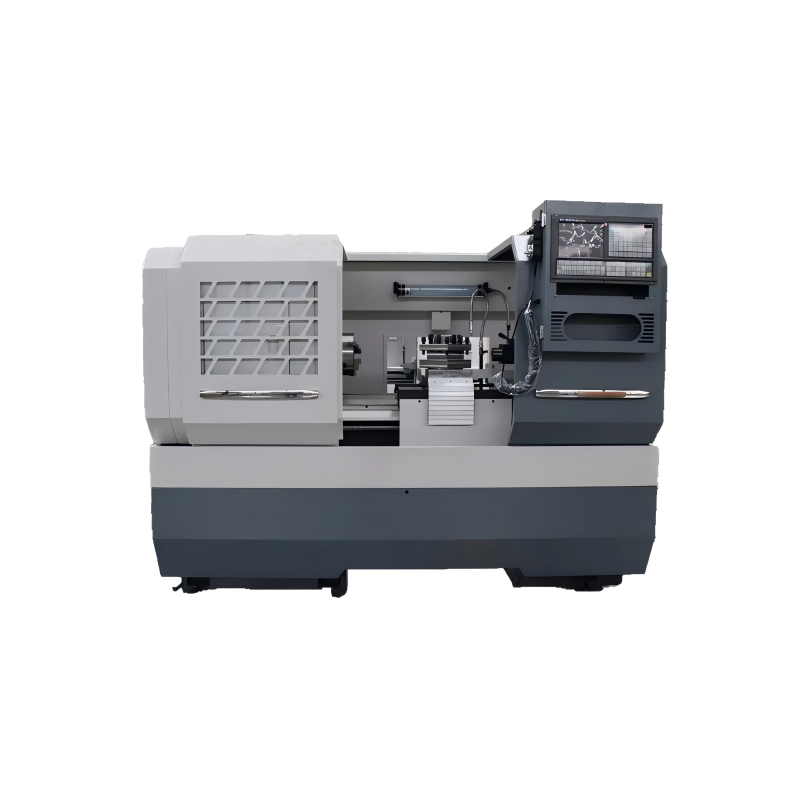
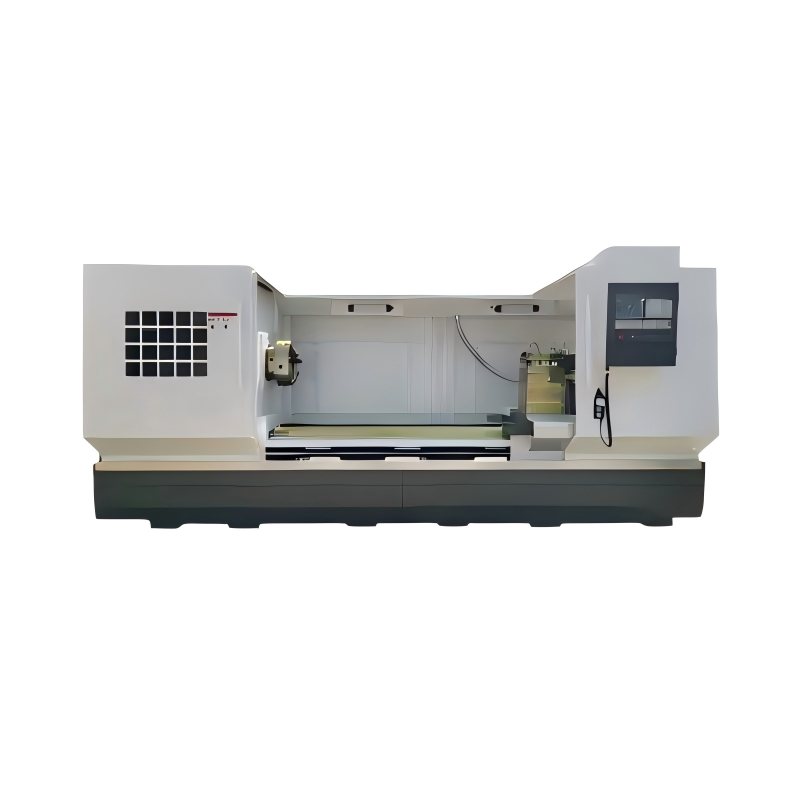
When it comes to precision machining, especially in the context of long shaft turning, the selection and utilization of a high-quality lathe are paramount. This report delves into the intricacies of mastering the art of long shaft turning, highlighting key considerations, techniques, and best practices that can significantly enhance the quality and efficiency of your machining processes.
Long shafts, by their very nature, present unique challenges in the machining process. These challenges include maintaining straightness, minimizing deflection, and ensuring uniform surface finish along the entire length of the shaft. A lathe for long shaft must be designed with these challenges in mind, offering robust support and precise control throughout the operation. The rigidity of the machine, the stability of the workholding, and the accuracy of the tooling all play crucial roles in overcoming these obstacles. For instance, a well-designed headstock and tailstock system can provide the necessary support to prevent bending and ensure that the shaft remains perfectly aligned during the turning process.
Choosing the appropriate lathe for long shaft applications is a critical step in achieving optimal results. Several factors should be considered when making this selection, including the lathe's capacity, rigidity, and precision. A high-quality lathe for long shaft should have a sturdy bed and guideways to minimize vibrations and maintain accuracy over extended lengths. Additionally, the lathe should offer advanced features such as digital readouts (DRO), automatic tool changers, and programmable controls, which can significantly enhance the efficiency and repeatability of the machining process. It is also essential to consider the availability of specialized tooling and accessories, such as live centers and steady rests, which are specifically designed to support long workpieces and ensure consistent results.
The setup and workholding methods used in long shaft turning are fundamental to achieving high precision and quality. Proper alignment of the workpiece is crucial, and this can be achieved through the use of high-precision chucks, collets, and faceplates. Additionally, the use of steady rests and center supports can help distribute the weight of the shaft and reduce deflection. Ensuring that the workpiece is securely clamped and supported throughout the entire length is essential to maintaining straightness and preventing any unwanted movement during the machining process. Advanced CNC lathes often come equipped with automatic compensation features that can adjust for any slight misalignments, further enhancing the overall precision of the operation.
The choice of cutting tools and the optimization of cutting parameters are key to achieving efficient and high-quality long shaft turning. High-speed steel (HSS) and carbide tools are commonly used, with carbide being preferred for its durability and ability to handle higher cutting speeds. The geometry of the cutting tool, including the rake angle and clearance angle, should be carefully selected to suit the material being machined and the desired surface finish. Additionally, the feed rate, spindle speed, and depth of cut should be optimized to balance productivity and tool life. Modern CNC Lathes often come with built-in tool management systems that can monitor tool wear and automatically adjust parameters, ensuring consistent performance and reducing the risk of tool breakage.
To ensure the longevity and reliability of your lathe for long shaft, regular maintenance and servicing are essential. This includes routine cleaning, lubrication, and inspection of critical components such as the guideways, bearings, and drive systems. Regular calibration and alignment checks are also important to maintain the accuracy of the machine. Additionally, keeping up with software updates and firmware upgrades can help you take advantage of the latest features and improvements. By following a comprehensive maintenance schedule, you can extend the lifespan of your lathe and ensure that it continues to deliver high-quality results over time.
In conclusion, mastering the art of long shaft turning with a high-quality lathe involves a combination of understanding the specific challenges, selecting the right equipment, optimizing setup and workholding, implementing best practices for tooling and cutting parameters, and maintaining the machine for long-term performance. By adhering to these principles, you can achieve superior results and maximize the efficiency and effectiveness of your machining operations.
 27/06/2026
When it comes to machining, the lathe is one of the most versatile and essential tools in any workshop. However, working with long shafts on a lathe presents unique challenges that require specific techniques and strategies to ensure efficiency and qualit
Read More27/06/2026Understanding the Specific Needs of Long Shaft WorkWhen it comes to machining long shafts, the selection of an appropriate lathe is critical. A Lathe for Long Shaft must be capable of handling the unique challenges associated with extended workpieces, suc
Read More27/06/2026With the continuous advancement in manufacturing technology, lathes have evolved significantly to meet the demands of modern industries. Among these advancements, the capabilities of Lathe for Long Shaft have become a focal point for manufacturers dealing
Read More26/06/2026When it comes to machining long shafts, the right lathe is an indispensable tool. The challenges associated with long shaft machining are numerous, from maintaining straightness and roundness to managing vibrations and deflections. This technical report w
Read More26/06/2026In the realm of precision machining, lathes play an indispensable role in shaping various components. When it comes to working with long shafts, however, standard lathes may not always deliver the desired performance. This report delves into the customiza
Read More26/06/2026In the realm of precision engineering, the machining of long shafts presents unique challenges that demand specific solutions. A lathe for long shafts is not merely a tool but a critical component in ensuring the quality and accuracy of the final product.
Read More25/06/2026When it comes to machining long shafts, the lathe is a fundamental tool that requires careful consideration of various factors to ensure high-quality results. One of the most critical aspects in this process is stability, which directly impacts the precis
Read More25/06/2026In the realm of manufacturing, the lathe for long shaft plays a crucial role in producing high-precision components. This technical report aims to explore best practices that can significantly enhance productivity when working with lathes and long shafts.
Read More25/06/2026The evolution of machining technology has witnessed significant advancements, particularly in the design and capabilities of lathes used for long shaft applications. This report delves into recent innovations that have transformed how manufacturers approa
Read More25/06/2026Working with a lathe for long shafts requires not only precision but also a deep understanding of the machinery involved. This guide aims to provide you with comprehensive insights into maintaining your lathe, ensuring it remains in optimal condition for
Read More24/06/2026In the realm of mechanical engineering, working with long shafts requires a high degree of precision and skill. The lathe for long shaft is an essential tool in this process, allowing for the creation of components that meet stringent specifications. This
Read More24/06/2026In the field of precision engineering, the turning of long shafts on a lathe presents unique challenges that demand specialized techniques and tools. This technical report explores advanced methodologies for effectively handling such tasks, focusing on im
Read More24/06/2026The Importance of Precision in Initial SetupWhen it comes to machining long shafts, the initial setup is a critical phase that sets the stage for the entire process. A lathe for long shaft requires meticulous attention to detail to ensure that the final p
Read More24/06/2026When it comes to the manufacturing of long shafts, a lathe for long shaft plays an indispensable role. This machine is specifically designed to handle the unique challenges that come with turning and shaping long cylindrical components. In this technical
Read More23/06/2026The lathe for long shaft operations is a specialized piece of machinery designed to handle the unique challenges associated with machining extended lengths. This report delves into the critical aspects of operating such lathes, focusing on setup considera
Read More23/06/2026Working with a lathe, especially when dealing with long shafts, presents unique challenges and requires a specialized set of skills. This report aims to provide essential tips for effectively using a lathe for long shaft machining. The following sections
Read More23/06/2026A lathe for long shaft is a specialized machine designed to work with elongated pieces of material, such as metal or wood. These machines are essential in industries that require precision and accuracy when working on long, cylindrical objects. This techn
Read More23/06/2026Understanding the Specific Needs of Long Shaft ProjectsWhen it comes to machining long shafts, understanding the unique requirements and challenges is crucial. A Lathe for Long Shaft must be capable of handling not only the length but also the precision a
Read MoreOur professional sales team is always ready to assist you.