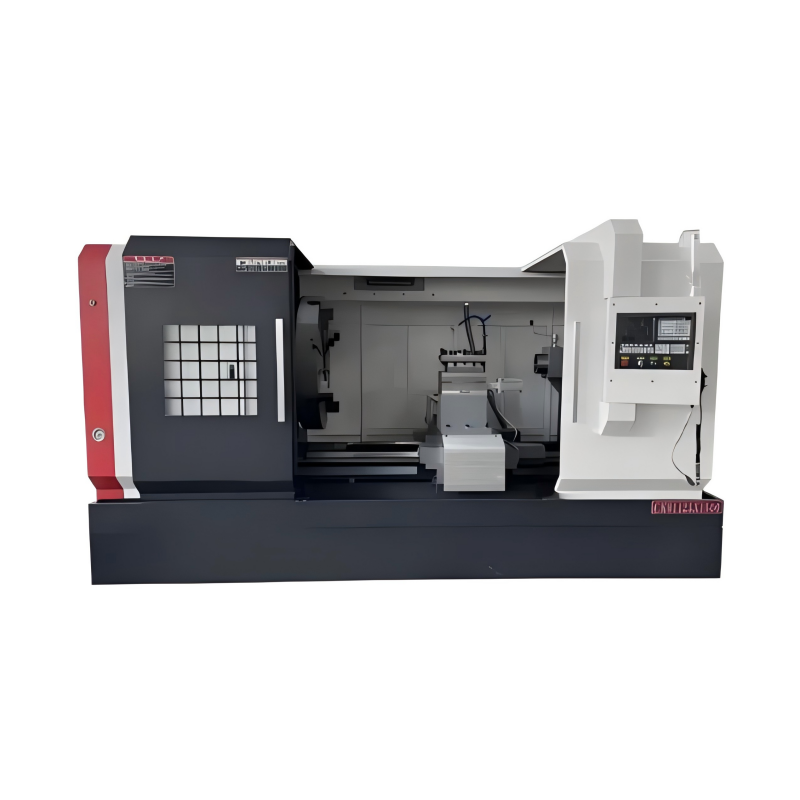
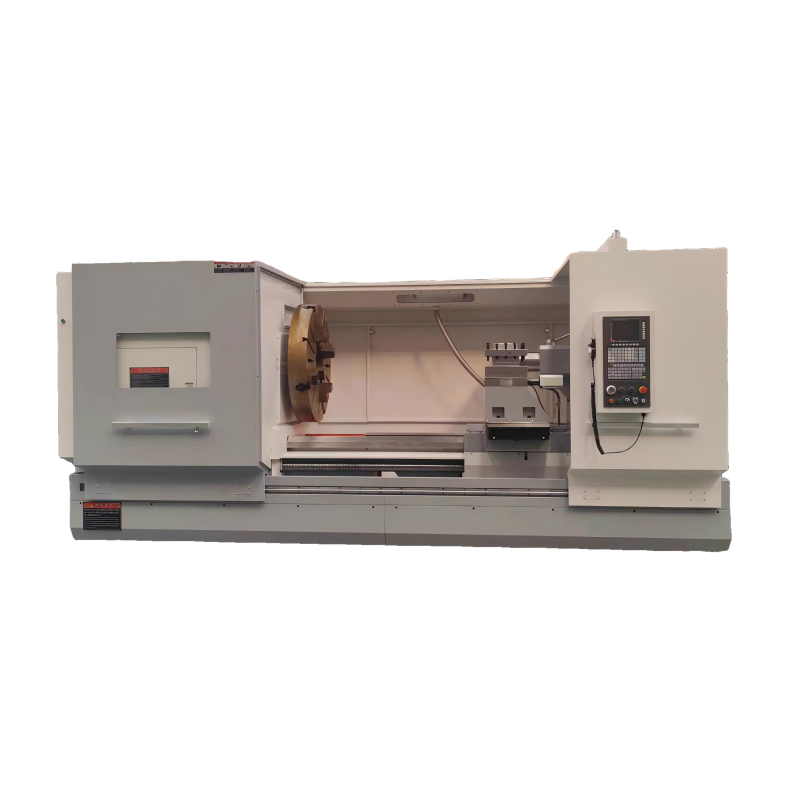
When it comes to machining long shafts, the selection of an appropriate lathe is critical. A Lathe for Long Shaft must be capable of handling the unique challenges associated with extended workpieces, such as maintaining straightness and minimizing deflection. The machine's design, rigidity, and support systems play a crucial role in achieving these requirements. It is essential to consider the maximum length of the shaft that will be processed, ensuring that the lathe can accommodate this dimension without compromising on precision or safety. Additionally, the capability to secure the workpiece firmly and prevent any movement during the machining process is vital for achieving high-quality results.
The rigidity and stability of a lathe are paramount when working with long shafts. As the length of the shaft increases, so does the risk of vibrations and deflections, which can negatively impact the accuracy and finish of the machined part. A robust construction, including a solid bed and heavy-duty components, helps to minimize these issues. Moreover, lathes designed specifically for long shafts often feature additional support mechanisms, like steady rests and follower rests, which provide extra stability along the length of the workpiece. These supports are adjustable and can be positioned at strategic points to ensure that the shaft remains straight and true throughout the machining process. Investing in a lathe with these features ensures that the final product meets the required specifications and tolerances.
The spindle power and speed range of a lathe are critical factors to consider, especially when dealing with long shafts. Sufficient spindle power is necessary to handle the increased cutting forces and maintain consistent performance over the entire length of the workpiece. A higher horsepower motor provides the torque needed to cut through tougher materials and larger diameters efficiently. Additionally, a wide speed range allows for optimal cutting conditions across various materials and operations. For instance, lower speeds are often required for roughing operations, while higher speeds are more suitable for finishing passes. The ability to fine-tune the spindle speed according to the specific material and tooling used is essential for achieving the best possible surface finish and dimensional accuracy. Therefore, when selecting a Lathe for Long Shaft, it is important to evaluate the spindle’s capabilities and ensure they align with the demands of the intended applications.
In modern manufacturing, the integration of automation and Computer Numerical Control (CNC) technology has become increasingly prevalent. For long shaft work, CNC Lathes offer significant advantages in terms of precision, repeatability, and efficiency. CNC lathes can be programmed to perform complex operations with high accuracy, reducing the likelihood of human error and improving overall productivity. Automated features, such as automatic tool changers and bar feeders, further enhance the workflow by minimizing downtime and allowing for continuous operation. When selecting a Lathe for Long Shaft, it is advisable to consider the level of automation and CNC capabilities that are available. This includes evaluating the ease of programming, the availability of advanced software, and the machine's ability to integrate with other production systems. By leveraging these technologies, manufacturers can achieve higher levels of quality and throughput, making the investment in a CNC lathe a worthwhile consideration.
Safety and ergonomics are key considerations in any machining environment, particularly when working with long shafts. The size and weight of these workpieces can pose significant risks if not handled properly. A well-designed lathe should include features that promote safe operation, such as enclosed guards, emergency stop buttons, and clear visibility of the cutting area. Additionally, ergonomic considerations, such as easy access to controls and comfortable operating positions, can help reduce operator fatigue and improve overall productivity. Training and proper maintenance also play a crucial role in ensuring a safe and efficient workplace. Regular inspections and adherence to manufacturer guidelines are essential for maintaining the lathe's performance and longevity. By prioritizing safety and ergonomics, manufacturers can create a more productive and secure working environment, ultimately leading to better outcomes and reduced operational costs.
Selecting the right Lathe for Long Shaft involves a comprehensive evaluation of several key factors, including the specific needs of the work, machine rigidity and stability, spindle power and speed range, automation and CNC capabilities, and operator safety and ergonomics. By carefully considering these aspects, manufacturers can ensure that their chosen lathe is well-suited to the demands of long shaft work, resulting in high-precision, high-quality parts. The investment in a well-equipped and reliable lathe not only enhances productivity but also contributes to a safer and more efficient manufacturing process.
 27/06/2026
When it comes to machining, the lathe is one of the most versatile and essential tools in any workshop. However, working with long shafts on a lathe presents unique challenges that require specific techniques and strategies to ensure efficiency and qualit
Read More27/06/2026When it comes to precision machining, especially in the context of long shaft turning, the selection and utilization of a high-quality lathe are paramount. This report delves into the intricacies of mastering the art of long shaft turning, highlighting ke
Read More27/06/2026With the continuous advancement in manufacturing technology, lathes have evolved significantly to meet the demands of modern industries. Among these advancements, the capabilities of Lathe for Long Shaft have become a focal point for manufacturers dealing
Read More26/06/2026When it comes to machining long shafts, the right lathe is an indispensable tool. The challenges associated with long shaft machining are numerous, from maintaining straightness and roundness to managing vibrations and deflections. This technical report w
Read More26/06/2026In the realm of precision machining, lathes play an indispensable role in shaping various components. When it comes to working with long shafts, however, standard lathes may not always deliver the desired performance. This report delves into the customiza
Read More26/06/2026In the realm of precision engineering, the machining of long shafts presents unique challenges that demand specific solutions. A lathe for long shafts is not merely a tool but a critical component in ensuring the quality and accuracy of the final product.
Read More25/06/2026When it comes to machining long shafts, the lathe is a fundamental tool that requires careful consideration of various factors to ensure high-quality results. One of the most critical aspects in this process is stability, which directly impacts the precis
Read More25/06/2026In the realm of manufacturing, the lathe for long shaft plays a crucial role in producing high-precision components. This technical report aims to explore best practices that can significantly enhance productivity when working with lathes and long shafts.
Read More25/06/2026The evolution of machining technology has witnessed significant advancements, particularly in the design and capabilities of lathes used for long shaft applications. This report delves into recent innovations that have transformed how manufacturers approa
Read More25/06/2026Working with a lathe for long shafts requires not only precision but also a deep understanding of the machinery involved. This guide aims to provide you with comprehensive insights into maintaining your lathe, ensuring it remains in optimal condition for
Read More24/06/2026In the realm of mechanical engineering, working with long shafts requires a high degree of precision and skill. The lathe for long shaft is an essential tool in this process, allowing for the creation of components that meet stringent specifications. This
Read More24/06/2026In the field of precision engineering, the turning of long shafts on a lathe presents unique challenges that demand specialized techniques and tools. This technical report explores advanced methodologies for effectively handling such tasks, focusing on im
Read More24/06/2026The Importance of Precision in Initial SetupWhen it comes to machining long shafts, the initial setup is a critical phase that sets the stage for the entire process. A lathe for long shaft requires meticulous attention to detail to ensure that the final p
Read More24/06/2026When it comes to the manufacturing of long shafts, a lathe for long shaft plays an indispensable role. This machine is specifically designed to handle the unique challenges that come with turning and shaping long cylindrical components. In this technical
Read More23/06/2026The lathe for long shaft operations is a specialized piece of machinery designed to handle the unique challenges associated with machining extended lengths. This report delves into the critical aspects of operating such lathes, focusing on setup considera
Read More23/06/2026Working with a lathe, especially when dealing with long shafts, presents unique challenges and requires a specialized set of skills. This report aims to provide essential tips for effectively using a lathe for long shaft machining. The following sections
Read More23/06/2026A lathe for long shaft is a specialized machine designed to work with elongated pieces of material, such as metal or wood. These machines are essential in industries that require precision and accuracy when working on long, cylindrical objects. This techn
Read More23/06/2026Understanding the Specific Needs of Long Shaft ProjectsWhen it comes to machining long shafts, understanding the unique requirements and challenges is crucial. A Lathe for Long Shaft must be capable of handling not only the length but also the precision a
Read MoreOur professional sales team is always ready to assist you.