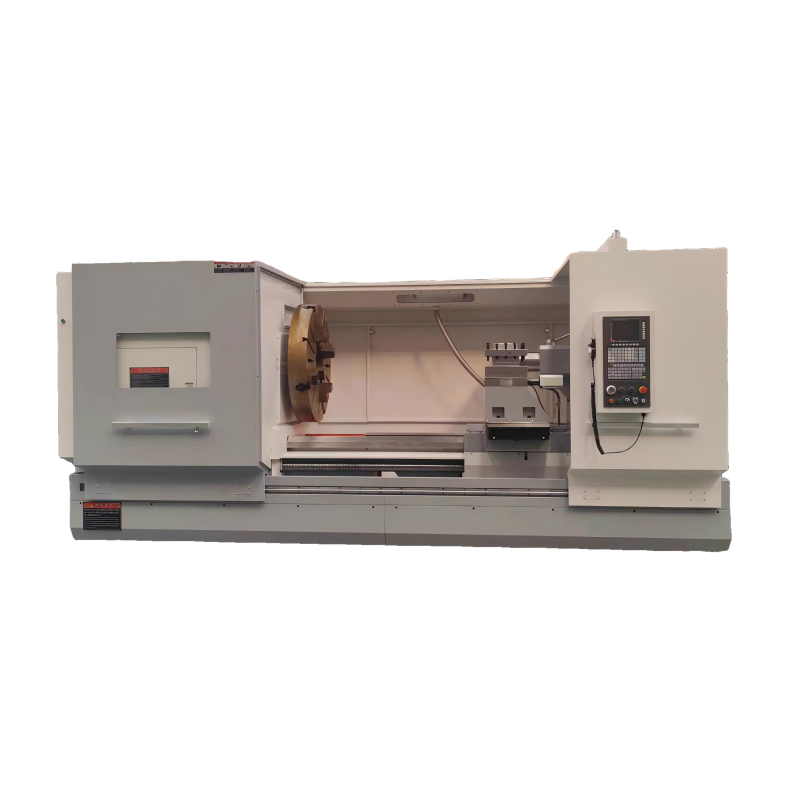
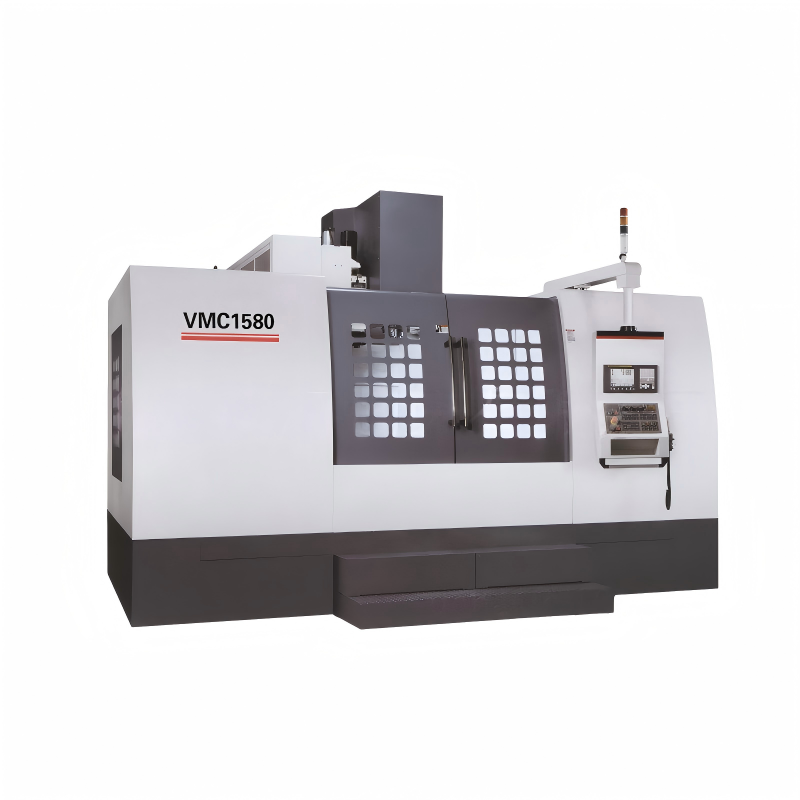
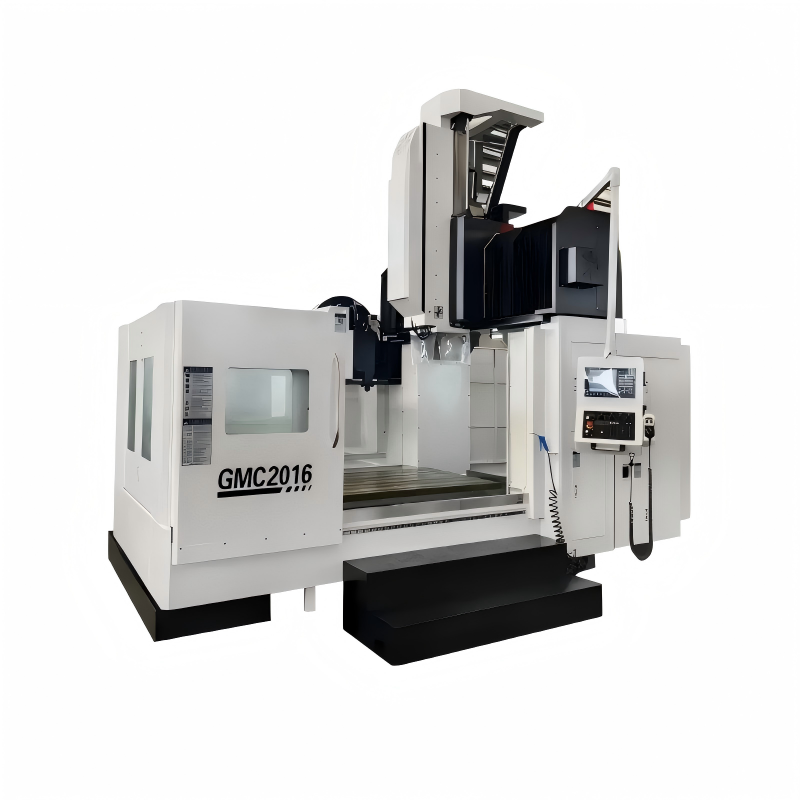
In the realm of Computer Numerical Control (CNC) machining, precision and efficiency are paramount. As technology advances, so too do the methods by which CNC machines operate, particularly in terms of X-axis and Z-axis Movement. This report explores recent innovations that have enhanced the performance of CNC machines through improvements in these critical axes, focusing on three key areas: increased accuracy, faster processing times, and the integration of smart technologies.
The quest for higher accuracy in CNC machining has driven significant advancements in the design and implementation of X-axis and Z-axis movement systems. One notable innovation is the use of linear motors, which directly drive the axis without the need for mechanical transmission elements like gears or belts. This direct drive system minimizes backlash and wear, leading to more precise positioning and smoother operation. Additionally, the adoption of high-resolution encoders allows for finer control over the position of the tool, ensuring that each movement along the X-axis and Z-axis is executed with utmost precision. Such enhancements not only improve the quality of the final product but also reduce material waste, making the manufacturing process more cost-effective.
Another factor contributing to improved accuracy is the development of advanced software algorithms that optimize the motion path. These algorithms take into account factors such as acceleration, deceleration, and jerk (the rate of change of acceleration), allowing for smoother transitions between movements. By minimizing abrupt changes in speed, these algorithms help to maintain consistent tool engagement and reduce vibrations, thereby enhancing the overall accuracy and surface finish of machined parts.
Efficiency is another critical aspect of CNC machining, and optimizing the kinematics of X-axis and Z-axis movements can significantly reduce processing times. Modern CNC machines often incorporate high-speed spindles capable of operating at extremely high RPMs, but the speed at which the machine can move the tool along the X-axis and Z-axis is equally important. To achieve this, manufacturers have developed new designs that minimize the mass and inertia of moving components, enabling faster acceleration and deceleration. For example, lightweight materials and compact designs for the X-axis and Z-axis carriages allow for quicker response times, while maintaining structural integrity and stability.
Furthermore, the implementation of dual-drive systems, where two motors are used to drive a single axis, can further enhance the speed and responsiveness of the X-axis and Z-axis. This approach distributes the load and reduces the risk of slippage, allowing for more rapid and controlled movements. The result is a significant reduction in cycle times, which translates to higher productivity and lower costs per part.
The integration of smart technologies is revolutionizing the way CNC machines operate, particularly in the context of X-axis and Z-axis movement. One such technology is predictive maintenance, which uses sensors and data analytics to monitor the condition of the machine's components in real-time. By detecting signs of wear or potential failures before they occur, this system can schedule maintenance activities proactively, reducing downtime and extending the lifespan of the machine. In the case of X-axis and Z-axis movements, this means that any issues with the drive mechanisms, bearings, or other critical components can be addressed promptly, ensuring that the machine continues to operate at peak performance.
Another area where smart technologies are making an impact is in the use of artificial intelligence (AI) and machine learning (ML) algorithms. These algorithms can analyze historical data and learn from past operations to optimize the X-axis and Z-axis movements. For instance, AI can predict the optimal cutting parameters for a given material and tool, adjusting the feed rates and spindle speeds in real-time to achieve the best possible results. This not only improves the quality of the machined parts but also enhances the overall efficiency of the machining process.
Additionally, the use of augmented reality (AR) and virtual reality (VR) technologies is providing new ways to visualize and control X-axis and Z-axis movements. AR can overlay real-time data onto the physical machine, allowing operators to see the current position and status of the tool, while VR can simulate the machining process in a virtual environment, enabling operators to test and refine their programs before running them on the actual machine. These technologies not only enhance the user experience but also provide valuable insights that can be used to further optimize the X-axis and Z-axis movements.
In conclusion, the continuous evolution of X-axis and Z-axis movement systems in CNC machining is driving significant improvements in accuracy, processing times, and overall efficiency. By leveraging advanced mechanisms, optimized kinematics, and smart technologies, manufacturers are able to produce higher-quality parts at a faster rate, ultimately contributing to the growth and competitiveness of the industry. As these innovations continue to advance, the future of CNC machining looks increasingly promising, with the potential for even greater levels of precision and productivity.
 30/06/2026
Introduction to Precision Milling and Its Impact on Modern Manufacturing In today's fast-paced manufacturing environment, the demand for high-precision components has never been greater. State-of-the-art precision milling machines have become indispensabl
Read More30/06/2026China's lathe manufacturers have been at the forefront of driving innovation and quality on a global scale, with a particular emphasis on the integration of advanced technologies. One such area that has seen significant advancements is the X-axis and Z-ax
Read More30/06/2026Conventional lathes have long been the backbone of machining operations, particularly for turning long shafts. Their simplicity, reliability, and versatility make them a preferred choice for many workshops. This report delves into the mechanisms and advan
Read More30/06/2026Vertical machining centers (VMCs) have become indispensable tools in the manufacturing industry, particularly for the production of complex components. The ability to perform precise and intricate operations on a wide range of materials has made VMCs a pr
Read More30/06/2026The Importance of X-axis Positioning in Material Handling Systems In the realm of material handling, precision and accuracy are paramount. The X-axis positioning plays a crucial role in ensuring that materials are moved from one location to another with m
Read More29/06/2026Understanding the Importance of Z-Axis Stabilization in Camera DronesThe development and refinement of camera drones have opened new horizons for aerial photography and videography, transforming how we capture our world from above. A critical component co
Read More28/06/2026In the realm of high-precision engineering, the role of a 2-axis slant bed CNC lathe is pivotal. This machinery, designed to facilitate precise X-axis and Z-axis movement, offers unparalleled accuracy and efficiency in manufacturing processes. The followi
Read More28/06/2026In the realm of user interface (UI) and user experience (UX) design, smooth transitions play a crucial role in enhancing the overall feel and usability of digital products. This report delves into the specific aspect of X-axis and Z-axis Movement, focusin
Read More27/06/2026In the realm of precision engineering, achieving perfect alignment between components is not just a matter of aesthetics; it is a critical factor in ensuring optimal performance and longevity. This technical report delves into the importance of Z-axis cal
Read More26/06/2026The advancements in industrial automation have seen a significant shift towards more efficient, precise, and versatile systems. One of the key components that enable this transformation is the actuator, specifically those designed for X-axis movement. The
Read More26/06/2026In the realm of precision manufacturing, the accuracy and stability of machine tool movements are critical for achieving high-quality end products. This report focuses on enhancing Z-axis stability, which is vital for improved tool path execution. By impr
Read More26/06/2026In the realm of high-speed applications, the design and implementation of X-axis components play a crucial role in determining the overall performance and efficiency of systems. These components, often found in CNC machines, 3D printers, and other precisi
Read More25/06/2026Introduction to Z-axis Adjustment in Microscopy In the field of microscopy, achieving high clarity and resolution is paramount for accurate observation and analysis. The adjustment along the Z-axis, which controls the vertical position of the sample relat
Read More25/06/2026The advancement in manufacturing and automation technologies has placed a significant emphasis on the precision and efficiency of machinery. One such area that greatly benefits from these advancements is the Z-axis positioning system, which, when combined
Read More25/06/2026In the realm of precision manufacturing, the accuracy and efficiency of machines play a crucial role in determining the quality and cost-effectiveness of production. One of the key factors influencing these attributes is the alignment of the X-axis, which
Read More24/06/2026In the realm of CNC (Computer Numerical Control) machining, precision is paramount. The accuracy with which a machine can manipulate materials to create parts and components directly impacts the quality and functionality of the end product. One of the key
Read More24/06/2026Understanding the Importance of Z-axis Movement in 3D PrintingThe Z-axis movement is a critical component of any 3D printing process, as it determines the vertical resolution and speed at which layers are deposited. In many 3D printers, the Z-axis control
Read More24/06/2026In the ever-evolving landscape of industrial automation and robotics, the advancements in X-axis actuators have played a pivotal role in enhancing overall system performance. This technical report delves into the recent innovations in X-axis actuators, fo
Read More23/06/2026In the realm of precision engineering, the 2-Axis Slant Bed CNC Lathe stands out as a versatile and efficient tool. This comprehensive guide delves into the intricacies of its features, with a particular focus on the X-axis and Z-axis movement, which are
Read More23/06/2026In the realm of 3D printing, the ability to control and manipulate the X-axis and Z-axis movement is fundamental to achieving high-quality prints. This report delves into the specific role of Z-axis movement within 3D printing processes, exploring its imp
Read More23/06/2026Introduction to Z-axis Control in Precision Machining In the realm of precision machining, achieving a superior surface finish is paramount. The quality of the final product often hinges on the ability to control the movement and positioning of the cuttin
Read More23/06/2026In the world of 3D printing, precision and accuracy are paramount. The quality of a print can be significantly influenced by the movement along different axes, particularly the X-axis and Z-axis. Understanding how X-axis motion affects your prints is cruc
Read More22/06/2026In the realm of robotics, understanding the dynamics of X-axis movement is fundamental to designing efficient and precise machines. The X-axis, along with the Y and Z axes, forms the basis of a three-dimensional coordinate system that defines the position
Read More22/06/2026In the realm of precision engineering, Computer Numerical Control (CNC) machining stands out as a cornerstone for producing components with exact specifications. The importance of Z-axis precision in CNC machining cannot be overstated, especially when con
Read More22/06/2026Understanding the intricacies of 3D printing technology, particularly the dynamics of X-axis and Z-axis movement, is crucial for optimizing print quality, speed, and overall efficiency. In this technical report, we will delve into the mechanisms that gove
Read MoreOur professional sales team is always ready to assist you.