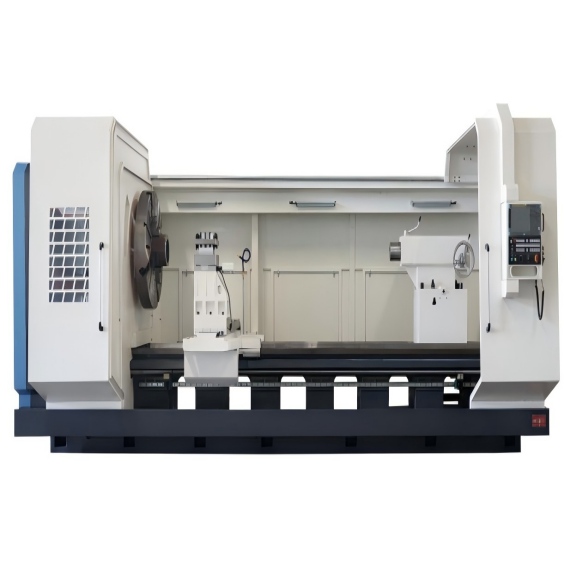
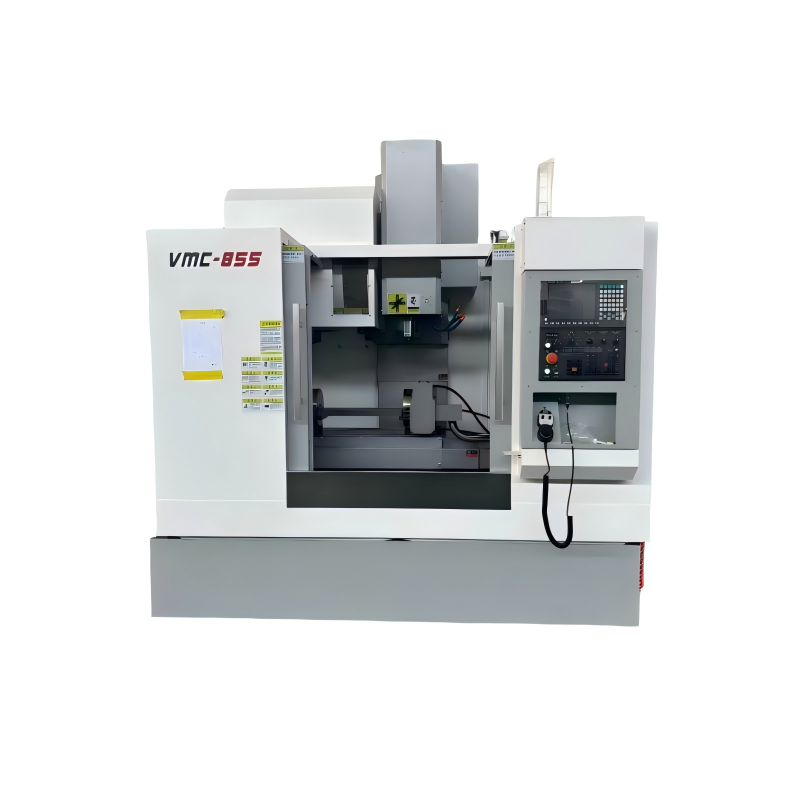
When it comes to investing in a 4 Axis Vertical Machining Center, the decision requires careful consideration of multiple factors. This type of machining center is designed to provide precision and efficiency, making it a critical asset for many manufacturing operations. However, selecting the right 4 Axis Vertical Machining Center can be a daunting task, given the wide range of options available in the market. In this report, we will explore several key considerations that should guide your purchasing decision.
The first step in choosing a 4 Axis Vertical Machining Center is to clearly define your production requirements. This includes understanding the types of materials you will be working with, the complexity of the parts you need to produce, and the volume of production. For instance, if you are primarily working with soft metals like aluminum, you may not need a machine with the same level of rigidity as one designed for harder materials like titanium or stainless steel. Additionally, consider the size of the parts you will be machining. A 4 Axis Vertical Machining Center with a larger work envelope may be necessary if you frequently work with large components.
Furthermore, evaluate the specific features and capabilities that are essential for your operations. For example, if high-precision milling is a priority, look for a machine with advanced control systems and high-resolution feedback. If flexibility is important, consider a 4 Axis Vertical Machining Center with a modular design that allows for easy reconfiguration.
Performance and reliability are critical factors when selecting a 4 Axis Vertical Machining Center. The machine's ability to consistently deliver high-quality results over time is crucial for maintaining productivity and minimizing downtime. Key performance metrics to consider include cutting speed, feed rate, and spindle power. These factors directly impact the machine's ability to handle various materials and part geometries efficiently.
Reliability is equally important. Look for machines from reputable manufacturers with a proven track record of durability and minimal maintenance. Check for user reviews and case studies to get an idea of the machine's performance in real-world applications. Additionally, consider the availability of spare parts and the manufacturer's after-sales support. A reliable 4 Axis Vertical Machining Center should come with a comprehensive warranty and a responsive service team to address any issues that may arise.
The cost of a 4 Axis Vertical Machining Center is a significant factor, but it should not be the only consideration. While the initial purchase price is important, it is also crucial to evaluate the total cost of ownership (TCO) over the machine's lifespan. This includes ongoing maintenance costs, energy consumption, and the cost of consumables such as cutting tools and coolant.
Return on Investment (ROI) is another critical aspect to consider. Calculate the potential savings and productivity gains that the 4 Axis Vertical Machining Center can bring to your operations. For example, if the machine can reduce cycle times and improve part quality, it may lead to increased throughput and reduced scrap rates. Additionally, consider the potential for new business opportunities that the machine can enable, such as the ability to take on more complex projects or expand into new markets.
It is also advisable to perform a cost-benefit analysis, comparing the TCO and ROI of different 4 Axis Vertical Machining Centers. This will help you make an informed decision that aligns with your budget and long-term business goals.
Modern 4 Axis Vertical Machining Centers often come equipped with advanced software and automation capabilities that can significantly enhance productivity and accuracy. Evaluate the machine's control system and the software it uses. Look for features such as CAD/CAM integration, toolpath simulation, and real-time monitoring. These features can help streamline the programming process and reduce setup times.
Automation is another key consideration. Many 4 Axis Vertical Machining Centers offer options for automated tool changers, pallet changers, and other auxiliary equipment. These features can increase the machine's flexibility and reduce the need for manual intervention, leading to higher overall efficiency. Additionally, consider the compatibility of the machine with your existing production processes and the ease of integration into your current workflow.
Safety is a paramount concern when operating a 4 Axis Vertical Machining Center. Ensure that the machine is equipped with all necessary safety features, such as emergency stop buttons, safety guards, and interlocks. Additionally, consider the ergonomics of the machine, as a well-designed workspace can reduce operator fatigue and improve overall productivity.
Training is also a critical component of safe and efficient operation. Ensure that the manufacturer provides comprehensive training programs for operators and maintenance personnel. This should include both theoretical and hands-on training to ensure that your team is fully prepared to operate and maintain the machine effectively. Regular refresher courses and updates on the latest best practices can also help keep your team's skills up to date.
In conclusion, selecting the right 4 Axis Vertical Machining Center requires a thorough evaluation of your production needs, the machine's performance and reliability, the total cost of ownership, and the available software and automation capabilities. By carefully considering these factors, you can make an informed decision that will help you achieve your production goals and drive long-term success for your business.
 25/06/2026
Understanding the Basics of 4 Axis Vertical Machining CentersA 4 Axis Vertical Machining Center (VMC) is a sophisticated piece of machinery that has significantly advanced the capabilities of modern manufacturing. Unlike its 3-axis counterpart, which oper
Read More25/06/2026The evolution of machining technology has led to the development of advanced systems capable of performing complex operations with high precision. Among these, the 4 Axis Vertical Machining Center stands out as a versatile and efficient solution for vario
Read More25/06/2026Vertical machining centers, especially those with 4-axis capabilities, have become indispensable in modern manufacturing environments. These machines are designed to offer a high degree of precision and flexibility, making them suitable for a wide range o
Read More24/06/2026In the realm of modern manufacturing, precision and efficiency are paramount. The 4 Axis Vertical Machining Center (VMC) has emerged as a pivotal tool in achieving these goals. This report delves into how a 4 Axis VMC can be leveraged to maximize efficien
Read More24/06/2026Understanding the Capabilities of a 4 Axis Vertical Machining CenterA 4 axis vertical machining center represents a significant leap in the capabilities of traditional 3-axis machines, adding an additional rotational axis that allows for more complex part
Read More24/06/2026The advent of 4 Axis Vertical Machining Centers (VMCs) has revolutionized the manufacturing industry, especially in high-volume production environments. These advanced machines are capable of performing complex operations with high precision and efficienc
Read More24/06/2026In the realm of precision engineering, advancements in technology have consistently pushed the boundaries of what is possible. Among these technological marvels, the 4 Axis Vertical Machining Center stands out as a revolutionary tool that has transformed
Read More23/06/2026Vertical machining centers (VMCs) have long been a staple in the manufacturing industry, providing precision, efficiency, and versatility. Among these, the 4 Axis Vertical Machining Center stands out as a highly advanced and capable machine, designed to h
Read More23/06/2026Understanding the Basics of 4 Axis Vertical Machining CentersA 4 axis vertical machining center represents a significant leap in the capabilities of traditional CNC (Computer Numerical Control) machines. Unlike its 3-axis counterpart, which can only move
Read More23/06/2026Understanding the 4 Axis Vertical Machining Center The advent of advanced manufacturing technologies has significantly transformed the production landscape, with the 4 Axis Vertical Machining Center (VMC) standing out as a pivotal tool in modern manufactu
Read More23/06/2026IntroductionThe 4 Axis Vertical Machining Center (VMC) represents a significant advancement in the field of manufacturing, particularly when it comes to the production of complex parts. This technology has revolutionized the way intricate components are m
Read MoreOur professional sales team is always ready to assist you.