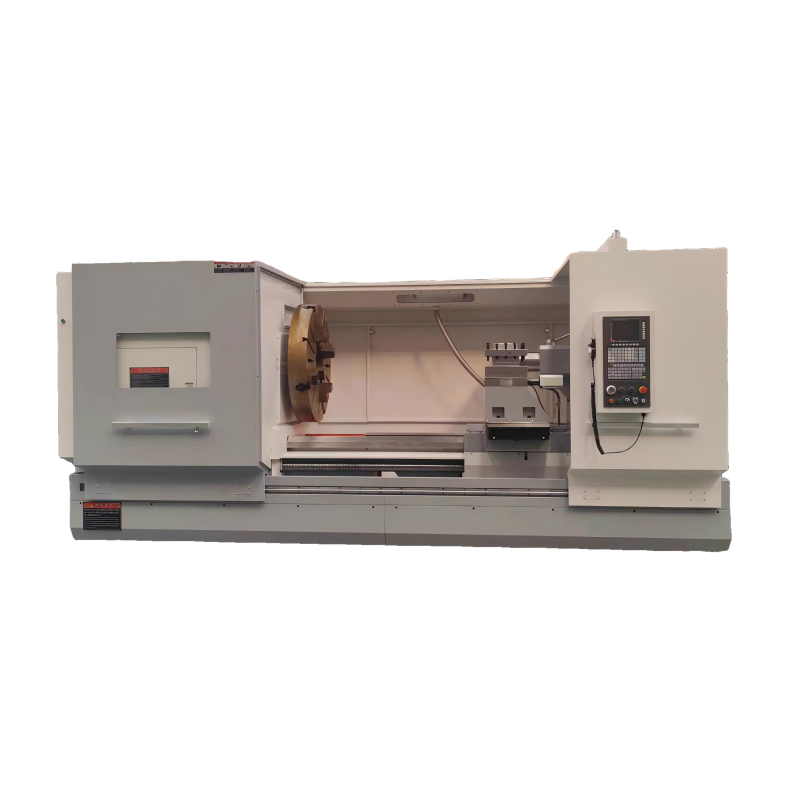
In today's competitive manufacturing landscape, maximizing productivity is not just a goal; it's a necessity. The integration of advanced 2-Axis CNC Lathe techniques into production processes has become a game-changer for many industries. This report delves into the strategies and methodologies that can be employed to leverage the full potential of 2-Axis CNC Lathes, thereby enhancing overall productivity.
Optimizing Tool Paths for Enhanced Efficiency
One of the most critical aspects of working with a 2-Axis CNC Lathe is the optimization of tool paths. Efficient tool path planning can significantly reduce machining time and improve the quality of the final product. By using advanced CAM (Computer-Aided Manufacturing) software, engineers can simulate and refine tool paths before actual machining begins. This process allows for the identification and elimination of unnecessary movements, such as excessive retraction or approach motions, which can lead to reduced cycle times and increased throughput.
Additionally, the use of high-speed machining (HSM) techniques can further enhance efficiency. HSM involves using higher spindle speeds and feed rates, combined with optimized tool paths, to achieve faster material removal rates while maintaining precision. This technique is particularly effective in applications where surface finish and dimensional accuracy are paramount.
Implementing Automation for Continuous Operation
Automation is another key factor in maximizing productivity with 2-Axis CNC Lathes. By integrating automated systems, such as bar feeders and part catchers, manufacturers can achieve continuous operation, reducing downtime and increasing output. Bar feeders automatically load raw material into the lathe, eliminating the need for manual intervention and allowing for unattended operation. Part catchers, on the other hand, ensure that finished parts are safely collected and sorted, minimizing the risk of damage and improving workflow efficiency.
Furthermore, the implementation of robotic arms for loading and unloading parts can further streamline the process. These robots can work in tandem with the 2-Axis CNC Lathe, handling multiple tasks simultaneously and ensuring a smooth, uninterrupted production flow. This level of automation not only increases productivity but also reduces the likelihood of human error, leading to higher quality products.
Leveraging Advanced Materials and Cutting Tools
The choice of materials and cutting tools plays a crucial role in the performance of a 2-Axis CNC Lathe. Using advanced materials, such as high-performance alloys and composites, can enable the production of more complex and durable parts. These materials often require specialized cutting tools and techniques to achieve optimal results. For instance, coated carbide inserts and ceramic tools are designed to withstand the high temperatures and wear associated with machining these materials, ensuring longer tool life and consistent performance.
Moreover, the use of coolant and lubrication systems can further enhance the machining process. Properly applied coolant not only helps in dissipating heat but also improves chip evacuation, reducing the risk of tool breakage and extending tool life. Advanced cooling technologies, such as through-spindle coolant delivery, can deliver coolant directly to the cutting zone, providing more effective cooling and lubrication.
Continuous Monitoring and Data Analysis for Proactive Maintenance
Regular monitoring and data analysis are essential for maintaining the optimal performance of a 2-Axis CNC Lathe. Modern CNC lathes are equipped with various sensors and diagnostic tools that can provide real-time data on machine performance, including spindle load, temperature, and vibration. By analyzing this data, operators can identify potential issues before they lead to machine downtime or part defects.
Proactive maintenance, based on predictive analytics, can significantly reduce unplanned downtime and extend the lifespan of the machine. Regular checks and maintenance schedules, informed by data, can help in identifying and addressing minor issues before they escalate into major problems. This approach not only ensures the reliability of the 2-Axis CNC Lathe but also contributes to overall productivity by minimizing disruptions in the production process.
Training and Skill Development for Operators
Finally, the skill level of the operators is a critical factor in maximizing the productivity of a 2-Axis CNC Lathe. Comprehensive training programs should be implemented to ensure that operators are well-versed in the latest machining techniques and best practices. This includes not only the technical skills required to operate the lathe but also the ability to interpret and act on the data provided by the machine's monitoring systems.
Continuous learning and development opportunities, such as workshops, seminars, and online courses, can help operators stay up-to-date with the latest advancements in CNC technology. By investing in the training and development of their workforce, manufacturers can ensure that their 2-Axis CNC Lathes are being used to their full potential, leading to higher productivity and better-quality products.
In conclusion, maximizing productivity with a 2-Axis CNC Lathe requires a multifaceted approach that includes optimizing tool paths, implementing automation, leveraging advanced materials and cutting tools, continuous monitoring and data analysis, and investing in operator training. By adopting these strategies, manufacturers can achieve significant improvements in efficiency, quality, and overall production capacity.
 25/06/2026



