Introduction to 2 Axis CNC Lathe and Its Role in Manufacturing
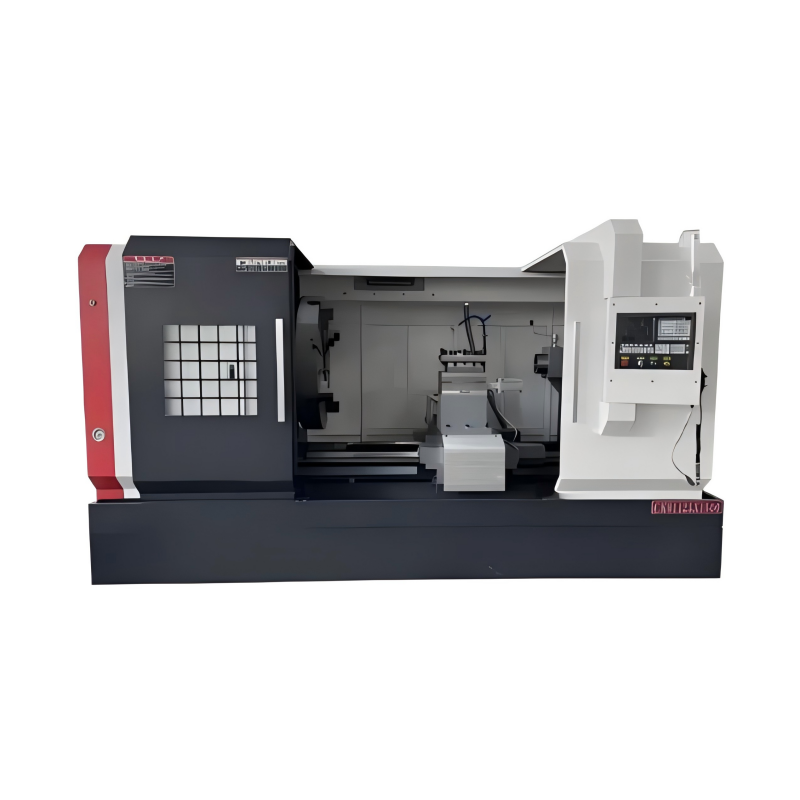
The advent of the 2 axis CNC Lathe has revolutionized the manufacturing industry, offering a high degree of precision and efficiency that was previously unattainable with traditional lathes. This machine, which operates on two axes—X (horizontal) and Z (vertical)—is designed to perform complex turning operations with minimal human intervention. The 2 Axis CNC Lathe is particularly effective in reducing material wastage, thereby enhancing overall production efficiency and cost-effectiveness.
Enhanced Precision and Reduced Scrap Rates
One of the primary advantages of the 2 axis CNC lathe is its ability to achieve extremely high levels of precision. Unlike manual lathes, where the skill and experience of the operator play a significant role in the final product quality, CNC lathes are programmed to follow exact specifications. This results in consistent and accurate parts, reducing the likelihood of errors and, consequently, the amount of scrap material generated. The 2 axis CNC lathe's precision capabilities are especially beneficial in industries such as aerospace, automotive, and medical, where even the slightest deviation can lead to catastrophic failures.
Moreover, the 2 axis CNC lathe can be programmed to optimize tool paths, ensuring that the cutting process is as efficient as possible. This not only reduces the time required for each operation but also minimizes the amount of material removed, further contributing to reduced wastage.
Optimized Material Utilization Through Advanced Programming
Another key factor in the 2 axis CNC lathe's ability to reduce material wastage is its advanced programming capabilities. Modern CNC software allows for the creation of highly detailed and optimized programs that can account for the specific properties of the materials being used. For example, the software can be programmed to adjust cutting speeds and feeds based on the hardness and density of the material, ensuring that the cutting process is as efficient as possible.
Additionally, the 2 axis CNC lathe can be programmed to nest multiple parts within a single piece of raw material, maximizing the use of available space and reducing the amount of leftover material. This nesting capability is particularly useful in batch production, where the same part needs to be produced in large quantities. By optimizing the layout of the parts, the 2 axis CNC lathe can significantly reduce the amount of raw material needed, leading to substantial cost savings.
Reduced Setup Times and Increased Productivity
One of the often-overlooked benefits of the 2 axis CNC lathe is its ability to reduce setup times. Traditional lathes require extensive setup and adjustment before each operation, which can be both time-consuming and prone to errors. In contrast, the 2 axis CNC lathe can be quickly and easily set up using pre-programmed instructions, allowing for a seamless transition between different operations.
Reduced setup times not only increase productivity but also contribute to reduced material wastage. When a machine is idle, it is not producing any value, and the time spent on setup can add up to significant lost production time. By minimizing setup times, the 2 axis CNC lathe ensures that the machine is in operation for a higher percentage of the time, leading to more efficient use of materials and resources.
Conclusion: The Future of Sustainable Manufacturing
The 2 axis CNC lathe represents a significant step forward in the quest for sustainable and efficient manufacturing. By providing enhanced precision, optimized material utilization, and reduced setup times, this technology offers a compelling solution to the problem of material wastage. As the manufacturing industry continues to evolve, the 2 axis CNC lathe will likely play an increasingly important role in driving innovation and sustainability.
In summary, the 2 axis CNC lathe is a powerful tool for reducing material wastage in production. Its precision, advanced programming capabilities, and reduced setup times make it an indispensable asset for modern manufacturers. By embracing this technology, companies can not only improve their bottom line but also contribute to a more sustainable and environmentally friendly manufacturing process.

 26/06/2026



