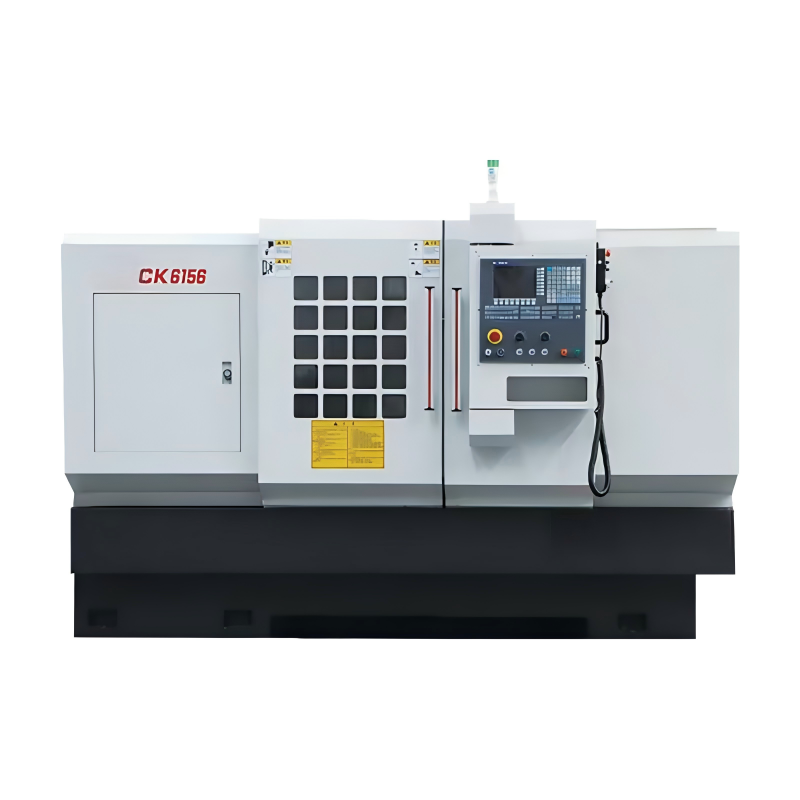
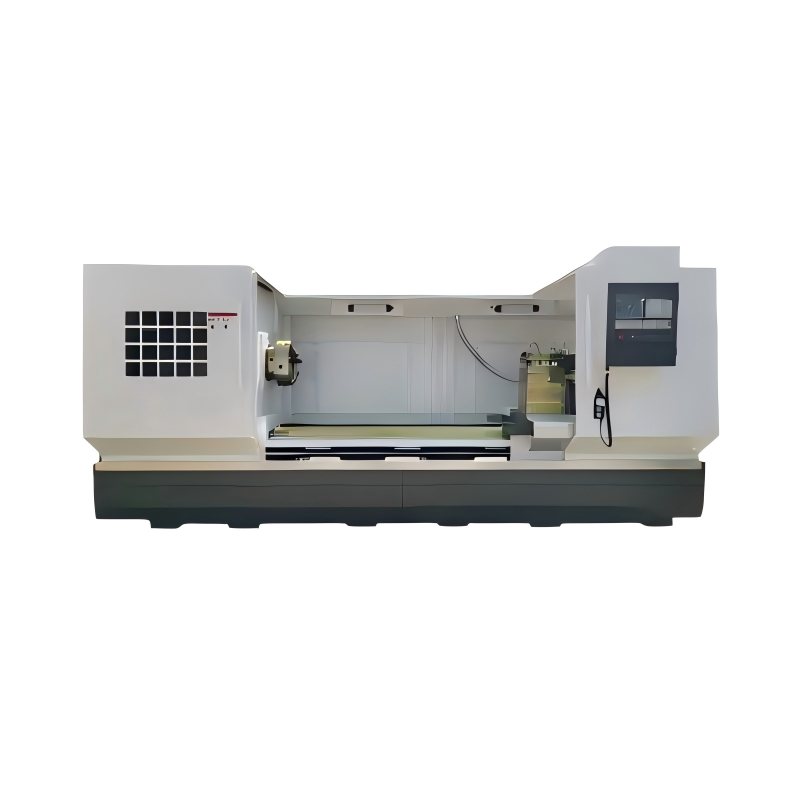
In the world of machining, a 2 Axis CNC Lathe stands out as a fundamental tool for producing cylindrical and symmetrical parts. This type of lathe operates on two axes, X and Z, where the X-axis controls the cross slide movement, which is perpendicular to the workpiece, and the Z-axis manages the longitudinal motion, parallel to the length of the workpiece. The simplicity in its design makes it an ideal starting point for those new to computer numerical control (CNC) operations. It's crucial to grasp how these components interact to effectively operate the machine.
One key advantage of using a 2 Axis CNC Lathe is its ability to automate processes that would otherwise be done manually. This not only increases productivity but also ensures consistent quality across multiple parts. For beginners, understanding the basic principles behind the machine's operation is the first step towards mastering more complex CNC machinery. Familiarizing oneself with G-code, the programming language used to instruct the lathe, is essential for creating precise and repeatable parts.
The journey to becoming proficient with a 2 Axis CNC Lathe is filled with challenges, especially for novices. One of the primary hurdles is learning the intricacies of G-code. While there are numerous resources available online, such as tutorials and forums, translating this knowledge into practical application can be daunting. A common mistake made by beginners is overcomplicating programs, leading to errors or inefficiencies in the manufacturing process. It's important to start with simple projects and gradually increase complexity as confidence grows.
Another challenge lies in troubleshooting. Even experienced operators encounter issues, ranging from tool wear to unexpected machine behavior. Developing a systematic approach to problem-solving is vital. This involves regularly checking the condition of tools, ensuring the workpiece is securely clamped, and verifying the accuracy of the programmed code. Additionally, keeping detailed records of each job, including any adjustments made, helps in identifying patterns and improving future operations. Over time, this methodical practice builds a robust foundation for tackling more sophisticated tasks.
As one becomes more comfortable with the basics of operating a 2 Axis CNC Lathe, the next phase involves refining skills and expanding capabilities. This includes exploring advanced features of the lathe, such as live tooling, which allows for additional operations like drilling and milling without removing the part from the machine. Utilizing these features can significantly enhance efficiency and open up possibilities for more intricate designs.
Continuous learning through hands-on experience, attending workshops, and engaging with a community of machinists are all valuable ways to advance one’s skill set. Joining online forums and participating in local meetups can provide access to a wealth of knowledge and support. Furthermore, staying updated with the latest advancements in CNC technology, such as software updates and new materials, keeps one at the forefront of the field. As proficiency grows, so does the ability to innovate and push the boundaries of what can be achieved with a 2 Axis CNC Lathe.
 26/06/2026
Introduction to 2 Axis CNC Lathe and Its Role in Manufacturing The advent of the 2 axis CNC lathe has revolutionized the manufacturing industry, offering a high degree of precision and efficiency that was previously unattainable with traditional lathes. T
Read More26/06/2026Investing in a 2 Axis CNC Lathe is a significant decision for any manufacturing or machining business. These machines are designed to perform complex and precise turning operations, which can greatly enhance productivity and product quality. However, befo
Read More25/06/2026In the realm of precision engineering and manufacturing, few machines stand out as much as the 2 Axis CNC Lathe. Among these, the CK61100 has emerged as a powerhouse, setting new standards for efficiency, accuracy, and versatility in modern manufacturing.
Read More25/06/2026In the realm of metalworking, the introduction and continuous evolution of Computer Numerical Control (CNC) technology have marked a significant shift towards more efficient, precise, and versatile manufacturing processes. Among the various types of CNC m
Read More25/06/2026In the realm of precision manufacturing, the 2 Axis CNC Lathe stands out as a versatile and essential tool. Its capabilities make it indispensable for various industries, from automotive to aerospace. As technology advances, so too does the functionality
Read More25/06/2026With the rapid advancements in manufacturing technology, 2 Axis CNC Lathes have become a staple in many industries. These machines are known for their precision, efficiency, and versatility, making them an attractive option for both small and large-scale
Read More24/06/2026Understanding the Basics of 2 Axis CNC LatheA 2 Axis CNC (Computer Numerical Control) lathe is a machine tool designed to precisely cut metal, plastic, and other materials. It operates along two axes: X (horizontal movement) and Z (vertical movement). Thi
Read More24/06/2026Introduction to 2 Axis CNC Lathe InnovationsThe evolution of manufacturing technology has been marked by significant advancements, particularly in the realm of computer numerical control (CNC) machinery. Among these, the 2 axis CNC lathe stands out as a f
Read More24/06/2026Introduction to 2 Axis CNC Lathe Technology The 2 axis CNC lathe represents a significant advancement in machining technology, offering unparalleled precision and efficiency for both prototyping and small batch manufacturing. This type of machine is desig
Read More23/06/2026The advent of Computer Numerical Control (CNC) technology has revolutionized the manufacturing industry, significantly enhancing the precision, efficiency, and consistency of machining processes. Among the various CNC machines, the 2 Axis CNC Lathe stands
Read More23/06/2026In the realm of precision machining, a 2 Axis CNC Lathe stands out as an essential tool for producing high-quality parts with exceptional accuracy. This type of lathe is widely used in various industries, from automotive to aerospace, due to its ability t
Read More23/06/2026When it comes to enhancing the precision and efficiency of your workshop, a 2 Axis CNC Lathe is an indispensable tool. This comprehensive guide will help you navigate through the complexities of selecting the right 2 Axis CNC Lathe for your specific needs
Read More22/06/2026In the realm of manufacturing, the advent of 2 Axis CNC Lathes has marked a significant turning point, especially for small-scale production. These machines, which stand out due to their precision and efficiency, are transforming how businesses approach t
Read More22/06/2026The advent of 2 Axis CNC Lathe technology has revolutionized the manufacturing industry, offering unparalleled precision and efficiency in the production of cylindrical parts. This report delves into the fundamentals of 2 Axis CNC Lathes, their advantages
Read More22/06/2026The advent of 2 Axis CNC Lathe technology has revolutionized the manufacturing industry, offering unparalleled precision and efficiency. This report delves into the intricacies of 2 Axis CNC Lathes, exploring their capabilities, applications, and the adva
Read MoreOur professional sales team is always ready to assist you.