In the realm of modern manufacturing, the quest for efficiency, precision, and cost-effectiveness is a constant. One of the key tools that have revolutionized the production process in various industries is the 2-Axis CNC Lathe. This machine, while not as complex as its multi-axis counterparts, offers a unique set of advantages that make it an indispensable asset in many production environments. In this technical report, we will explore how the 2-Axis CNC Lathe can be leveraged to achieve cost-effective solutions without compromising on quality or productivity.
Understanding the 2-Axis CNC Lathe
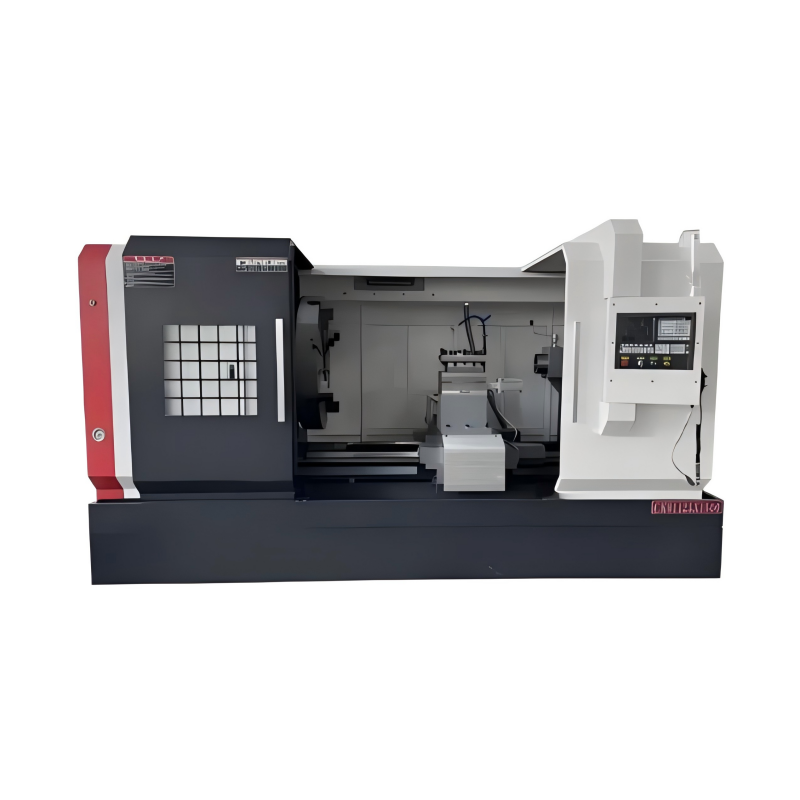
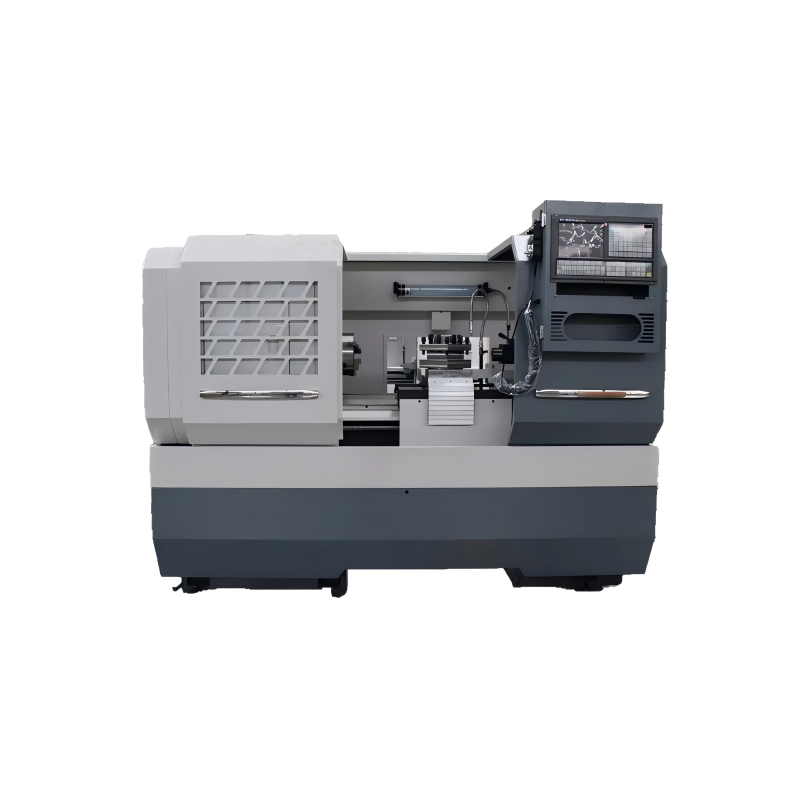
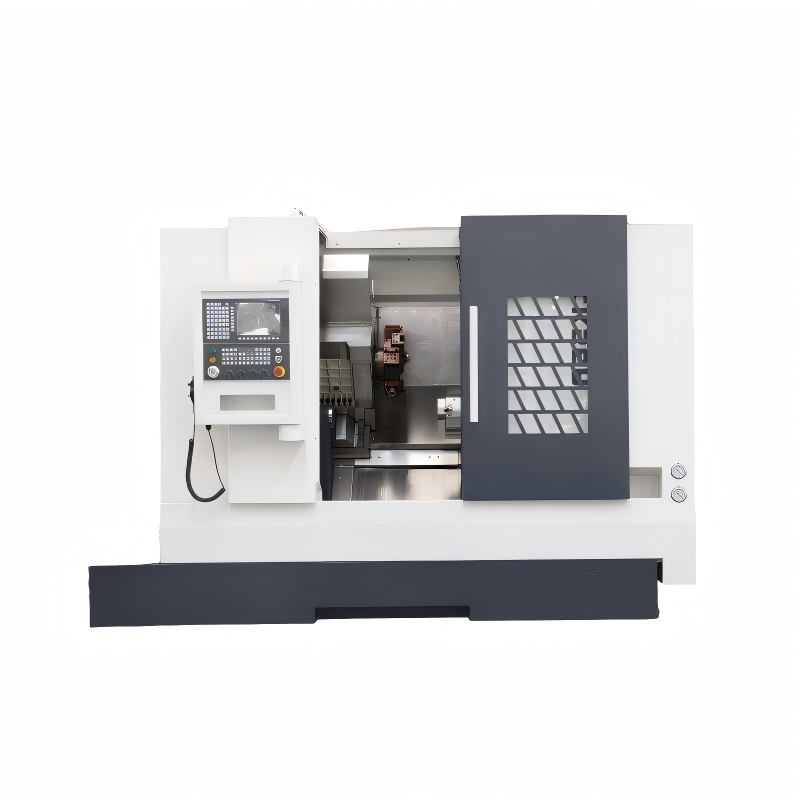
The 2-Axis CNC Lathe operates along two primary axes: the X-axis (horizontal) and the Z-axis (vertical). This configuration allows for precise control over the cutting tool's movement, enabling the machine to perform a wide range of turning operations. The simplicity of the 2-Axis design makes it more accessible and easier to program compared to multi-axis lathes, which can be a significant advantage in terms of both initial setup and ongoing maintenance.
One of the key benefits of the 2-Axis CNC Lathe is its ability to handle a variety of materials, including metals, plastics, and composites. This versatility, combined with its precision, makes it suitable for a broad spectrum of applications, from small-scale prototyping to large-scale production runs.
Reducing Operational Costs with 2-Axis CNC Lathes
One of the most compelling reasons to adopt a 2-Axis CNC Lathe in production is its potential to significantly reduce operational costs. First and foremost, the initial investment in a 2-Axis CNC Lathe is generally lower than that of more advanced multi-axis machines. This makes it an attractive option for small and medium-sized enterprises (SMEs) looking to upgrade their machining capabilities without breaking the bank.
Additionally, the 2-Axis CNC Lathe is known for its energy efficiency. The streamlined design and fewer moving parts mean that it consumes less power during operation, leading to lower electricity bills. Furthermore, the reduced complexity of the machine translates to lower maintenance and repair costs, as there are fewer components that can fail or require replacement.
Another cost-saving aspect is the ease of programming and operation. The 2-Axis CNC Lathe typically requires less sophisticated software and training, making it more user-friendly for operators. This can lead to faster setup times and a shorter learning curve, ultimately resulting in higher productivity and lower labor costs.
Enhancing Production Efficiency with 2-Axis CNC Lathes
The 2-Axis CNC Lathe excels in enhancing production efficiency through its speed and accuracy. The machine's ability to perform high-speed cutting operations with minimal vibration ensures that parts are produced quickly and with a high degree of precision. This is particularly important in industries where tight tolerances and consistent quality are critical, such as aerospace, automotive, and medical device manufacturing.
Moreover, the 2-Axis CNC Lathe can be integrated into automated production lines, further boosting efficiency. By automating the loading and unloading of workpieces, as well as the tool changes, the machine can operate continuously with minimal human intervention. This not only increases throughput but also reduces the likelihood of human error, leading to a more reliable and consistent production process.
Another factor that contributes to the 2-Axis CNC Lathe's efficiency is its ability to perform multiple operations in a single setup. This eliminates the need for transferring workpieces between different machines, which can be time-consuming and prone to errors. By consolidating these operations, the 2-Axis CNC Lathe streamlines the production process, reducing cycle times and increasing overall productivity.
Ensuring Quality and Consistency with 2-Axis CNC Lathes
Quality and consistency are paramount in any manufacturing process, and the 2-Axis CNC Lathe is well-equipped to meet these requirements. The machine's precision and repeatability ensure that each part produced meets the specified dimensions and tolerances, even in high-volume production runs. This is achieved through the use of advanced control systems and high-precision servomotors, which allow for fine-tuned control over the cutting tool's movement.
Furthermore, the 2-Axis CNC Lathe can be equipped with various sensors and monitoring systems to ensure that the production process remains within the desired parameters. These systems can detect issues such as tool wear, material inconsistencies, and other potential problems, allowing for timely adjustments and preventing the production of defective parts. This level of quality control is essential for maintaining customer satisfaction and meeting industry standards.
Another advantage of the 2-Axis CNC Lathe is its flexibility in handling different types of materials. Whether working with soft metals, hard alloys, or non-metallic materials, the machine can be programmed to optimize the cutting parameters for each specific material. This ensures that the final product meets the required specifications, regardless of the material being used.
Conclusion
The 2-Axis CNC Lathe is a powerful and versatile tool that offers numerous benefits for cost-effective production. Its simplicity, ease of use, and ability to handle a wide range of materials make it an ideal choice for many manufacturing applications. By reducing operational costs, enhancing production efficiency, and ensuring quality and consistency, the 2-Axis CNC Lathe can help businesses achieve their production goals while maintaining a competitive edge in the market.
As technology continues to advance, the 2-Axis CNC Lathe is likely to remain a cornerstone of modern manufacturing, providing a balance between cost, performance, and reliability. For companies looking to optimize their production processes, the 2-Axis CNC Lathe is a valuable investment that can deliver significant returns in the long run.
 26/06/2026



