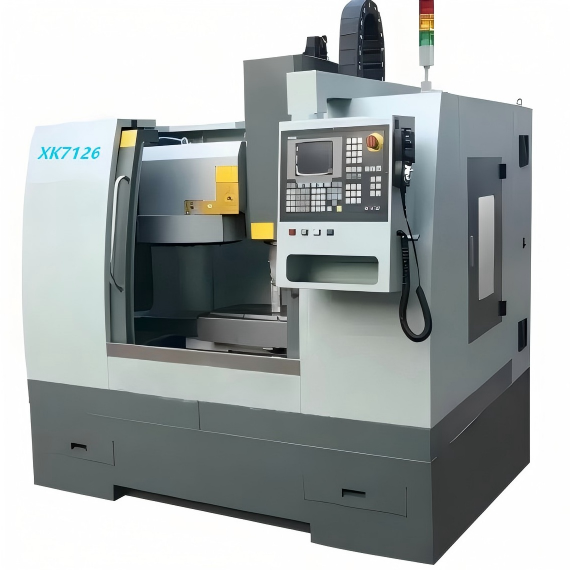
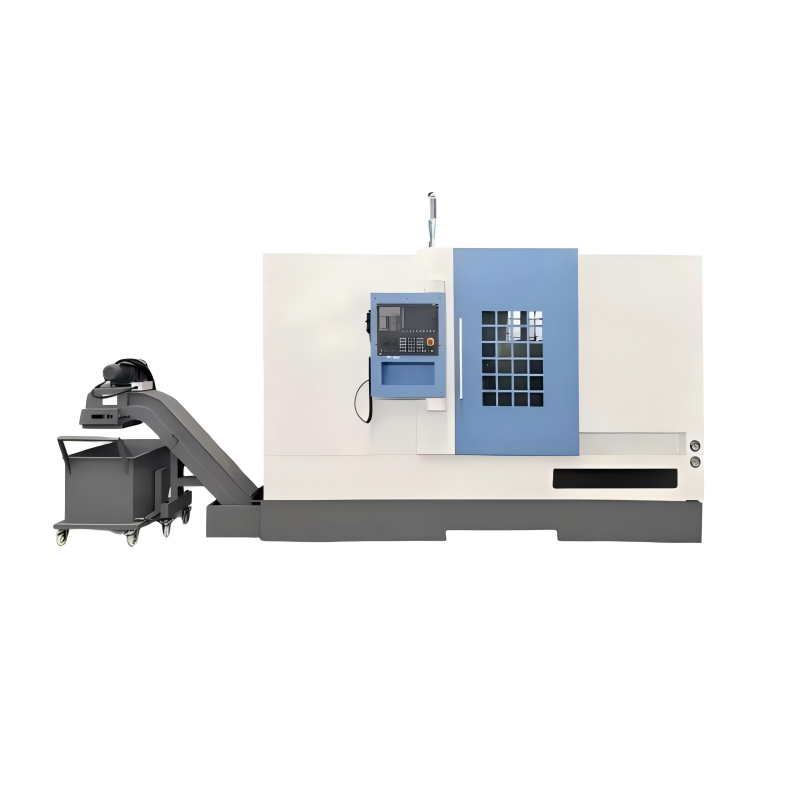
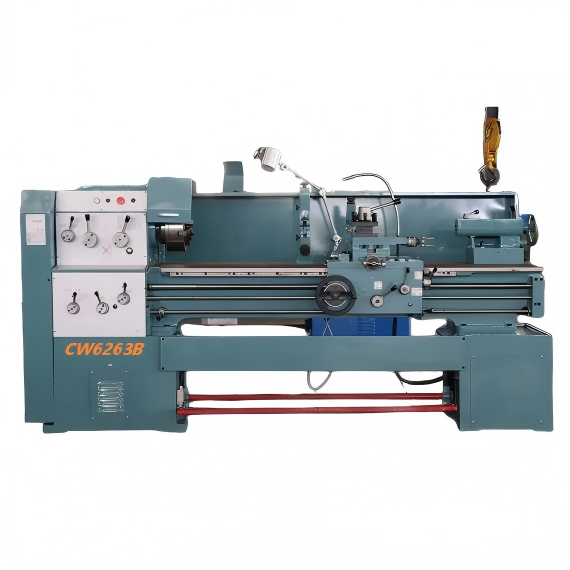
In the realm of precision machining, 2-Axis CNC Lathes have become indispensable tools for manufacturing a wide range of components. These machines offer exceptional accuracy and repeatability, making them ideal for industries such as automotive, aerospace, and medical devices. However, to fully leverage the capabilities of a 2-Axis CNC Lathe, it is essential to understand the customization options available to meet specific requirements. This technical report will explore several key areas where customization can be applied, ensuring that the 2-Axis CNC Lathe is optimized for the unique needs of different applications.
A 2-Axis CNC Lathe is designed to perform turning operations along two axes: the X-axis (horizontal) and the Z-axis (vertical). The machine's spindle holds the workpiece, which rotates at high speeds, while the cutting tool moves along the X and Z axes to shape the material. The control system, typically a computer numerical control (CNC) unit, guides the tool paths with high precision, allowing for the creation of complex geometries and features.
While 2-Axis CNC Lathes are highly versatile, they may need to be customized to handle specific materials, tolerances, or production volumes. Understanding the fundamental principles of these machines is the first step in identifying the right customization options.
One of the most critical aspects of 2-Axis CNC Lathe customization is the selection and configuration of tooling and workholding solutions. The choice of cutting tools, tool holders, and workholding fixtures can significantly impact the machine's performance and the quality of the finished parts.
Tooling: Different materials and part geometries require specific types of cutting tools. For example, carbide inserts are commonly used for high-speed steel and stainless steel, while diamond-tipped tools are preferred for hard ceramics and composites. Customizing the tooling setup involves selecting the appropriate tool geometry, material, and coating to achieve the desired surface finish and tool life.
Workholding: The workholding system must securely hold the workpiece while allowing for easy loading and unloading. Common workholding solutions include chucks, collets, and custom fixtures. Custom fixtures can be designed to accommodate irregularly shaped parts or to provide additional support during machining. Proper workholding ensures that the workpiece remains stable throughout the machining process, reducing the risk of vibration and improving accuracy.
The control system and software play a crucial role in the operation of a 2-Axis CNC Lathe. Customization in this area can enhance the machine's functionality and ease of use. Modern CNC lathes come equipped with advanced control systems that offer a wide range of programming and monitoring capabilities.
CNC Control Units: The CNC control unit is the brain of the machine, responsible for interpreting the G-code instructions and controlling the movements of the tool and workpiece. Upgrading to a more advanced control unit can provide features such as real-time monitoring, adaptive control, and improved user interfaces. These enhancements can lead to better machine utilization and reduced downtime.
Software Customization: Customizing the software can involve developing specialized G-code programs for specific tasks or integrating third-party software for simulation and optimization. For example, using CAD/CAM software to generate toolpaths and simulate the machining process can help identify potential issues before they occur on the shop floor. Additionally, software customization can include the development of custom macros and subroutines to automate repetitive tasks and improve efficiency.
To ensure that a 2-Axis CNC Lathe meets the specific requirements of a given application, it is essential to consider the machine's overall performance and reliability. Customization in this area can involve upgrading the machine's mechanical components, implementing advanced cooling and lubrication systems, and incorporating predictive maintenance technologies.
Mechanical Components: Upgrading the spindle, guideways, and drive systems can improve the machine's speed, accuracy, and durability. For example, replacing the standard spindle with a high-speed spindle can increase the machine's cutting capacity and reduce cycle times. Similarly, upgrading to linear guideways can enhance the machine's precision and reduce wear over time.
Cooling and Lubrication Systems: Effective cooling and lubrication are critical for maintaining the machine's performance and extending the life of the cutting tools. Customizing the cooling and lubrication systems can involve adding high-pressure coolant delivery, mist collectors, and advanced filtration systems. These upgrades can help keep the workpiece and cutting tools at optimal temperatures, reducing thermal deformation and improving surface finish.
Predictive Maintenance: Implementing predictive maintenance technologies can help minimize unplanned downtime and extend the machine's lifespan. Sensors and monitoring systems can be installed to track the condition of key components, such as the spindle and bearings. By analyzing the data collected, maintenance schedules can be optimized, and potential issues can be addressed before they lead to failures.
Customization options for 2-Axis CNC Lathes are extensive and can be tailored to meet the specific requirements of various applications. By focusing on tooling and workholding solutions, optimizing control systems and software, and enhancing machine performance and reliability, manufacturers can ensure that their 2-Axis CNC Lathes are well-equipped to deliver high-quality parts consistently. As technology continues to advance, the ability to customize these machines will only grow, providing even greater flexibility and efficiency in the manufacturing process.
 26/06/2026
In the realm of modern manufacturing, the quest for efficiency, precision, and cost-effectiveness is a constant. One of the key tools that have revolutionized the production process in various industries is the 2-Axis CNC Lathe. This machine, while not as
Read More26/06/2026The advent of Computer Numerical Control (CNC) technology has revolutionized the manufacturing industry, offering unparalleled precision and efficiency. Among the various types of CNC machines, the 2-Axis CNC Lathe stands out for its simplicity and effect
Read More25/06/2026In today's competitive manufacturing landscape, maximizing productivity is not just a goal; it's a necessity. The integration of advanced 2-Axis CNC Lathe techniques into production processes has become a game-changer for many industries. This report delv
Read More25/06/2026The evolution of machining technology has been a journey marked by continuous innovation, with the 2-Axis CNC Lathe standing as a testament to this progress. As we look towards the future, it is essential to understand not only where this technology is he
Read More24/06/2026In the realm of precision machining, the 2-Axis CNC Lathe stands out as a versatile and indispensable tool. This comprehensive guide aims to provide a detailed understanding of 2-Axis CNC Lathe programming, covering essential concepts, practical applicati
Read More24/06/2026Evolution of 2-Axis CNC Lathe: From Traditional to Modern InnovationsThe journey of the 2-Axis CNC lathe from its inception to today's advanced models is a testament to continuous technological progress. Initially, lathes were simple machines requiring ma
Read More24/06/2026Introduction to 2-Axis CNC Lathes The 2-Axis CNC (Computer Numerical Control) lathe is a fundamental piece of machinery in the manufacturing industry, enabling precise and efficient production of cylindrical parts. Unlike its more complex counterparts, th
Read More23/06/2026In today's manufacturing landscape, the choice of a 2-Axis CNC Lathe is pivotal for achieving precision and efficiency in machining operations. This report delves into the critical factors to consider when selecting the right 2-Axis CNC Lathe for your wor
Read More23/06/2026A 2-Axis CNC Lathe is a vital piece of equipment in many manufacturing processes, providing precision and efficiency that traditional lathes cannot match. However, to ensure optimal performance and longevity, regular maintenance is essential. This report
Read More23/06/2026The advent of Computer Numerical Control (CNC) technology has revolutionized the metalworking industry, offering unprecedented precision and efficiency. Among the various types of CNC machines, the 2-Axis CNC Lathe stands out as a versatile tool that sign
Read More22/06/2026Understanding the Basics of 2-Axis CNC Lathe The 2-axis CNC lathe is a fundamental machine in the world of manufacturing, especially suited for small shops looking to increase efficiency while maintaining cost-effectiveness. These machines operate along t
Read More22/06/2026In the realm of precision machining, the 2-Axis CNC Lathe plays a pivotal role in achieving high-precision and efficient manufacturing. This technical report delves into the various aspects of how a 2-Axis CNC Lathe contributes to the field, highlighting
Read More22/06/2026The evolution of manufacturing technologies has been marked by continuous innovation, with the 2-Axis CNC Lathe standing out as a pivotal tool in this transformation. This report delves into the versatility and critical applications of the 2-Axis CNC Lath
Read MoreOur professional sales team is always ready to assist you.