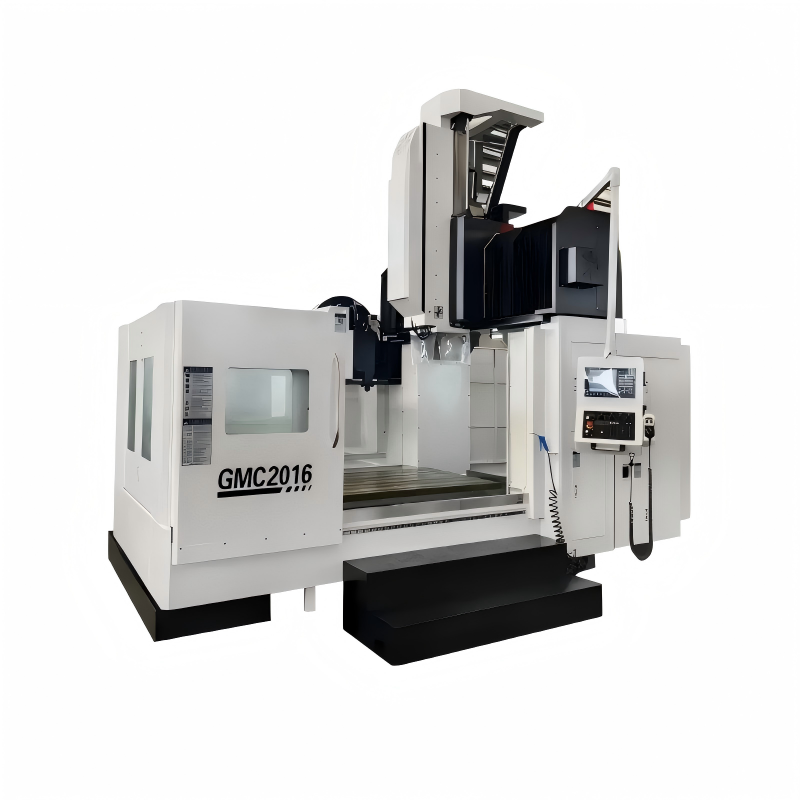
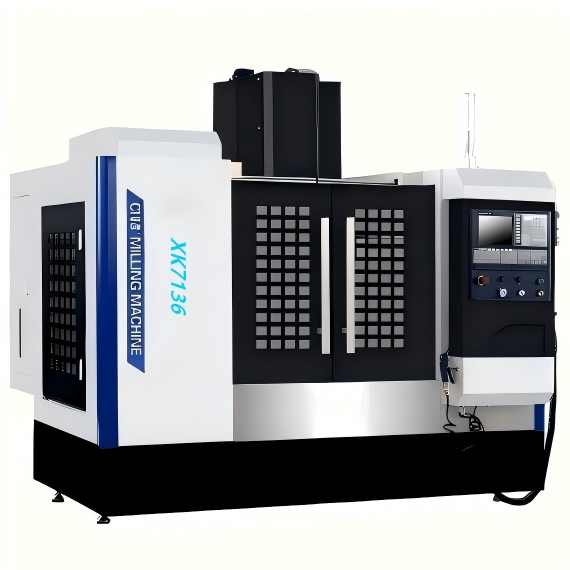
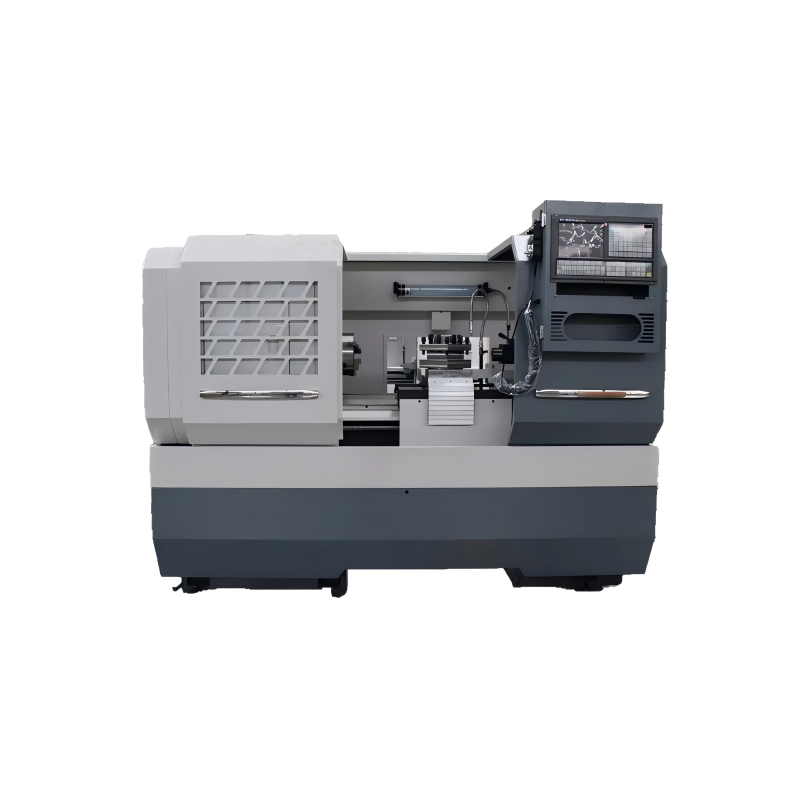
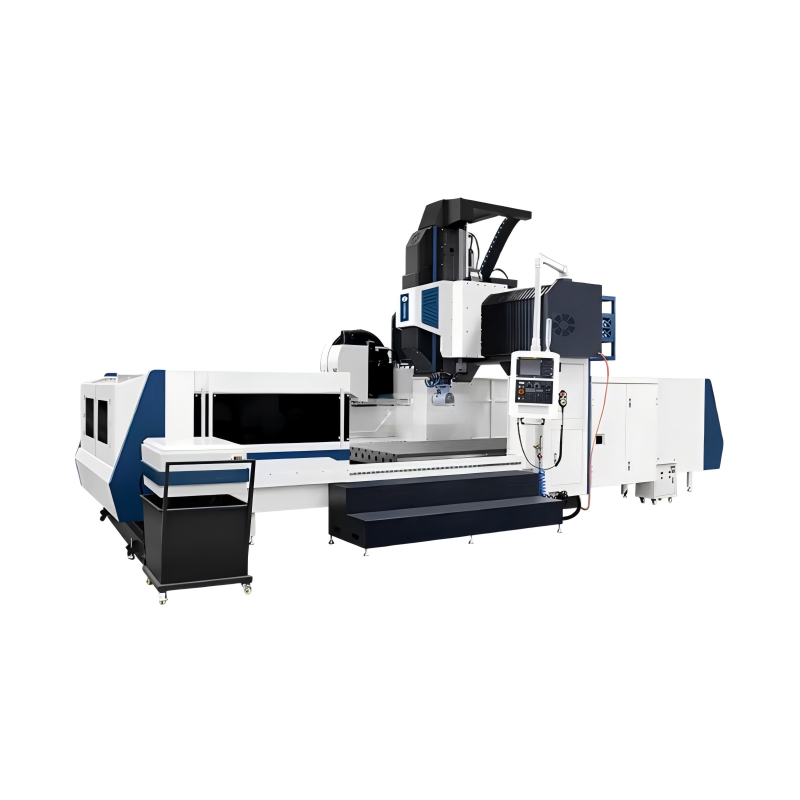
CNC Turning Centers play a pivotal role in the domain of precision engineering, offering unparalleled accuracy and efficiency in manufacturing processes. This technical report explores the multifaceted contributions of CNC Turning Centers to the field, delving into their operational capabilities, technological advancements, and the broader impact on industrial productivity.
The introduction of Computer Numerical Control (CNC) technology has revolutionized the way precision engineering is conducted. Initially, manual lathes were the primary tools for machining, but they were limited by human skill and consistency. The advent of CNC turning centers marked a significant shift, as these machines could perform complex operations with high precision and repeatability. This evolution was driven by advancements in computer technology, which allowed for the programming and control of machine movements with extreme accuracy. As a result, CNC turning centers have become indispensable in industries requiring high-precision components, such as aerospace, automotive, and medical devices.
CNC turning centers are equipped with a range of features that make them highly versatile and efficient. These machines can perform multiple operations, including turning, facing, drilling, and threading, all within a single setup. The ability to handle various materials, from metals to plastics, further enhances their utility. One of the key features of CNC turning centers is their use of advanced software, which allows for the creation of detailed 3D models and the generation of precise toolpaths. This software also enables real-time monitoring and adjustments, ensuring that the final product meets the required specifications. Additionally, modern CNC turning centers often include automated tool changers, reducing downtime and increasing overall productivity.
Recent years have seen significant technological advancements in CNC turning centers, driving even greater precision and efficiency. High-speed spindles, for example, allow for faster cutting speeds and improved surface finishes. Advanced cooling systems and chip management solutions have also been integrated to enhance the performance and longevity of the machines. Another notable innovation is the integration of artificial intelligence (AI) and machine learning (ML) algorithms. These technologies enable predictive maintenance, where the machine can detect potential issues before they become critical, thereby minimizing downtime and extending the lifespan of the equipment. Furthermore, AI and ML can optimize toolpaths and cutting parameters, leading to more efficient and cost-effective production processes.
The adoption of CNC turning centers has had a profound impact on industrial productivity and quality. By automating the machining process, these machines reduce the likelihood of human error and ensure consistent results. This consistency is crucial in industries where tolerances are extremely tight, and even minor deviations can lead to significant consequences. For example, in the aerospace industry, components must meet stringent safety standards, and any deviation can compromise the integrity of the aircraft. CNC turning centers provide the necessary precision and reliability to meet these standards. Additionally, the ability to produce parts with high accuracy and repeatability reduces the need for rework and scrap, leading to cost savings and improved efficiency. The integration of CNC turning centers into production lines has also enabled just-in-time manufacturing, where parts can be produced on demand, reducing inventory costs and improving supply chain management.
As CNC technology continues to evolve, several trends and challenges are emerging in the field of precision engineering. One of the most significant trends is the move towards Industry 4.0, which emphasizes the integration of digital technologies into manufacturing processes. This includes the use of Internet of Things (IoT) sensors, cloud computing, and data analytics to create smart factories. In this context, CNC turning centers will play a central role in enabling real-time data collection and analysis, allowing for continuous improvement and optimization. However, this also presents challenges, such as the need for robust cybersecurity measures to protect against potential threats. Another challenge is the ongoing need for skilled operators and programmers who can effectively utilize the advanced capabilities of CNC turning centers. Training and education programs will be essential to address this skills gap and ensure that the workforce can keep pace with technological advancements.
In conclusion, CNC turning centers are a cornerstone of precision engineering, offering unparalleled accuracy, versatility, and efficiency. Their evolution, operational capabilities, and technological advancements have significantly enhanced industrial productivity and quality. As the industry moves towards Industry 4.0, the role of CNC turning centers will continue to expand, driving further innovations and improvements in manufacturing processes.
 01/07/2026
The advancements in manufacturing technologies have led to significant improvements in the precision and efficiency of machining processes. Among these, CNC Turning Centers stand out as a critical tool for producing high-precision components. This report
Read More01/07/2026The world of manufacturing has seen a significant shift towards automation and precision, with CNC (Computer Numerical Control) turning centers playing a crucial role in this transformation. This guide is designed to provide beginners with a comprehensive
Read More01/07/2026The maintenance of a CNC Turning Center is crucial for ensuring optimal performance, reducing downtime, and extending the machine's lifespan. Proper care and regular upkeep can significantly impact the efficiency and accuracy of your operations. This tech
Read More30/06/2026Enhanced Precision and ConsistencyThe adoption of a high-performance CNC (Computer Numerical Control) turning center is instrumental in achieving unparalleled levels of precision and consistency in manufacturing processes. Unlike traditional machining met
Read More30/06/2026In the dynamic landscape of automotive manufacturing, precision and speed are paramount. The integration of advanced machinery like high-speed vertical machining centers (VMCs) has revolutionized production processes, enabling manufacturers to achieve hig
Read More30/06/2026China's rapid industrialization and technological advancements have led to significant improvements in manufacturing processes, with one of the most notable being the production and application of CNC (Computer Numerical Control) machines. Among these, th
Read More30/06/2026In the ever-evolving landscape of manufacturing, CNC (Computer Numerical Control) Turning Centers have become indispensable tools for precision and efficiency. These machines represent a significant leap forward in the capabilities of modern manufacturing
Read More30/06/2026IntroductionA CNC (Computer Numerical Control) turning center is a sophisticated machine tool used for the automated production of turned parts. It combines high precision, repeatability, and efficiency, making it an indispensable asset in modern manufact
Read More30/06/2026The advent of Computer Numerical Control (CNC) technology has revolutionized the manufacturing industry, particularly in precision machining. Among the various CNC machines available, the CNC Turning Center stands out due to its versatility and efficiency
Read More30/06/2026The advent of CNC Turning Center technology has marked a significant milestone in the evolution of modern manufacturing. This report delves into the latest advancements and innovations that are reshaping the landscape of precision machining, focusing on h
Read MoreOur professional sales team is always ready to assist you.