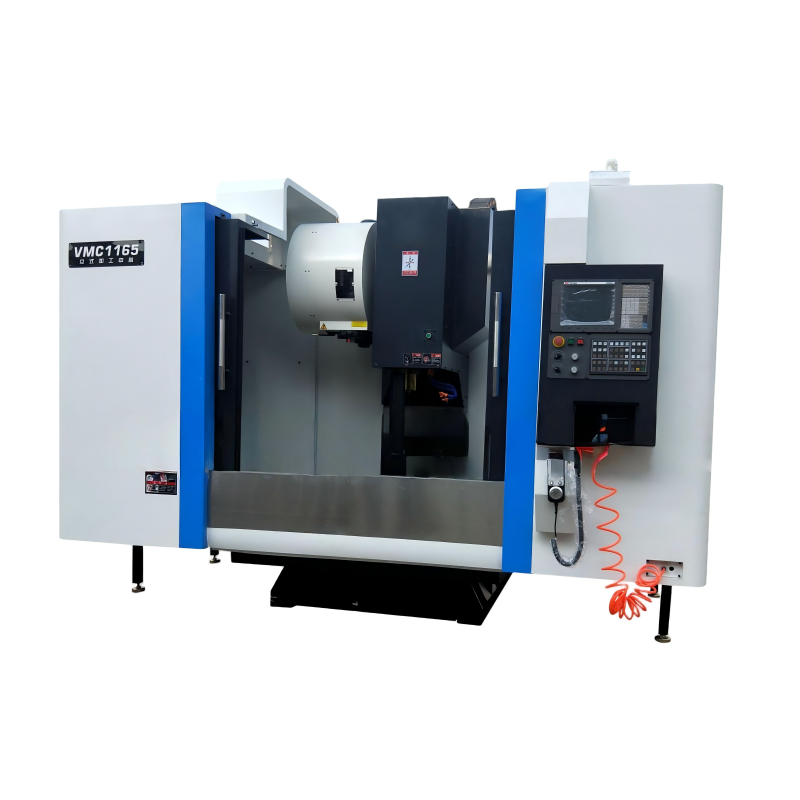
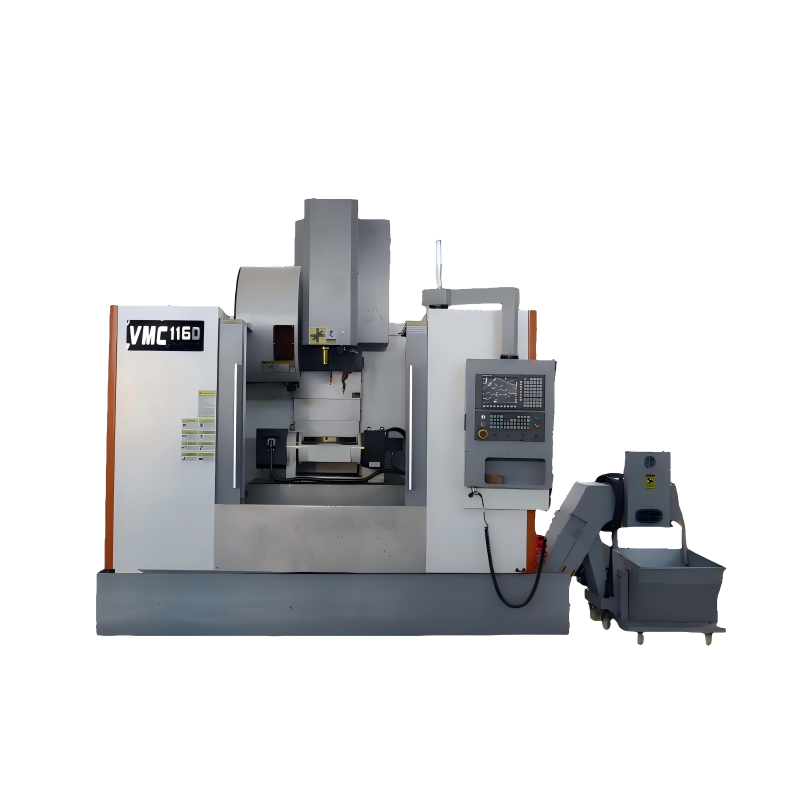
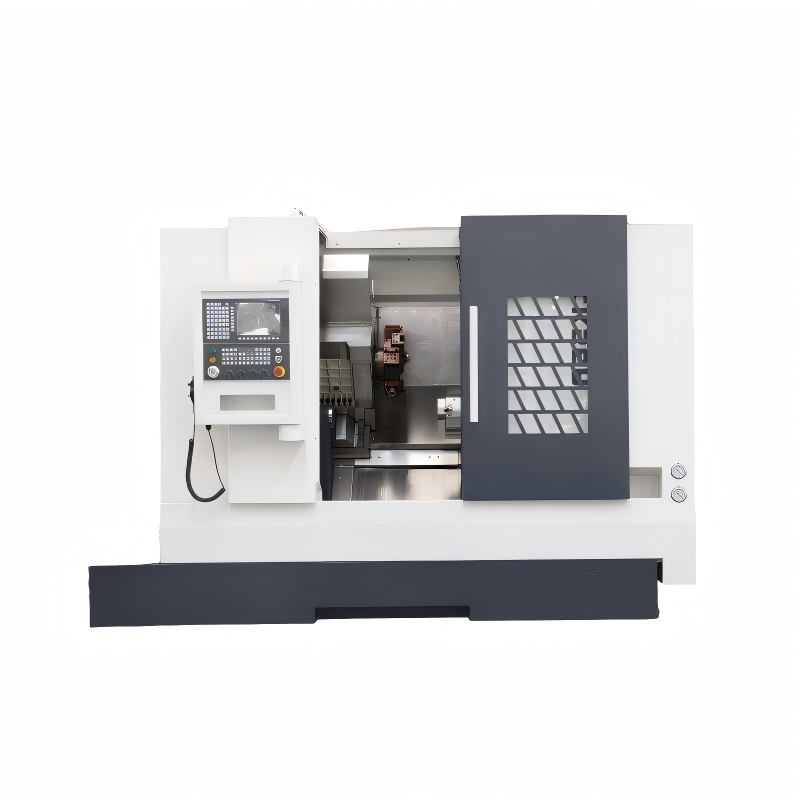
The advancements in manufacturing technologies have led to significant improvements in the precision and efficiency of machining processes. Among these, CNC Turning Centers stand out as a critical tool for producing high-precision components. This report delves into the ways in which advanced CNC Turning Centers enhance precision, focusing on key aspects such as machine design, software integration, and material handling.
One of the primary factors contributing to the enhanced precision of modern CNC turning centers is the optimization of their mechanical design. These machines are engineered with rigid structures that minimize vibrations and thermal distortions, ensuring consistent accuracy over long periods of operation. High-quality materials, such as cast iron and stainless steel, are used to construct the base and frame, providing a stable platform for the cutting process. Additionally, linear guides and ball screws are employed to ensure smooth and precise movement along the axes, reducing backlash and improving repeatability.
Another important aspect of machine design is the use of advanced spindle systems. High-speed spindles with superior dynamic balance and cooling mechanisms help to maintain tight tolerances even at high rotational speeds. The integration of direct-drive motors also eliminates the need for belts or gears, further enhancing the overall precision and reliability of the system.
Modern CNC turning centers leverage sophisticated software solutions to achieve unprecedented levels of control and precision. Computer-aided design (CAD) and computer-aided manufacturing (CAM) software allow for the creation of detailed 3D models and the generation of highly optimized toolpaths. These toolpaths can be fine-tuned to account for factors such as material properties, tool geometry, and cutting conditions, resulting in more efficient and accurate machining processes.
Additionally, real-time monitoring and adaptive control systems play a crucial role in maintaining precision. Sensors and feedback mechanisms continuously monitor parameters such as temperature, vibration, and tool wear, allowing the machine to make adjustments on the fly. This not only improves the quality of the finished parts but also extends the life of the cutting tools by preventing premature wear and breakage.
Furthermore, the integration of artificial intelligence (AI) and machine learning algorithms is becoming increasingly common. These technologies enable predictive maintenance, where the machine can anticipate potential issues and schedule maintenance before they become critical. This proactive approach helps to reduce downtime and ensures that the CNC turning center operates at peak performance, consistently delivering high-precision components.
Effective material handling is another key factor in enhancing the precision of CNC turning centers. Automated loading and unloading systems, such as robotic arms and pallet changers, minimize human intervention and reduce the risk of errors. These systems can handle a wide range of materials and part sizes, making them versatile and efficient. By automating the material handling process, manufacturers can achieve higher throughput and maintain consistent quality across large production runs.
Bar feeders and automatic tool changers are additional features that contribute to the efficiency and precision of CNC turning centers. Bar feeders allow for continuous operation by automatically feeding raw material into the machine, while automatic tool changers enable rapid and precise tool changes, reducing setup times and increasing productivity. These automated systems work in concert to create a seamless and highly controlled manufacturing environment, where every step of the process is optimized for precision and efficiency.
Moreover, the use of modular tooling systems allows for quick and easy reconfiguration of the machine to accommodate different jobs. This flexibility is particularly valuable in industries where there is a high demand for customized and complex parts. By enabling rapid changeovers and minimizing setup times, modular tooling systems help to maximize the utilization of the CNC turning center and ensure that it can meet the diverse needs of modern manufacturing.
Advanced CNC turning centers represent a significant leap forward in the field of precision machining. Through optimized machine design, advanced software integration, and efficient material handling, these machines are capable of producing high-precision components with unparalleled accuracy and consistency. As technology continues to evolve, the capabilities of CNC turning centers will only improve, driving further advancements in manufacturing and enabling the production of ever more complex and precise parts.
For manufacturers looking to stay competitive in a rapidly changing industry, investing in advanced CNC turning centers is a strategic move that can yield substantial benefits. By leveraging the latest technologies and best practices, these machines offer a robust solution for achieving the highest levels of precision and efficiency in the manufacturing process.
 01/07/2026
The world of manufacturing has seen a significant shift towards automation and precision, with CNC (Computer Numerical Control) turning centers playing a crucial role in this transformation. This guide is designed to provide beginners with a comprehensive
Read More01/07/2026CNC Turning Centers play a pivotal role in the domain of precision engineering, offering unparalleled accuracy and efficiency in manufacturing processes. This technical report explores the multifaceted contributions of CNC turning centers to the field, de
Read More01/07/2026The maintenance of a CNC Turning Center is crucial for ensuring optimal performance, reducing downtime, and extending the machine's lifespan. Proper care and regular upkeep can significantly impact the efficiency and accuracy of your operations. This tech
Read More30/06/2026Enhanced Precision and ConsistencyThe adoption of a high-performance CNC (Computer Numerical Control) turning center is instrumental in achieving unparalleled levels of precision and consistency in manufacturing processes. Unlike traditional machining met
Read More30/06/2026In the dynamic landscape of automotive manufacturing, precision and speed are paramount. The integration of advanced machinery like high-speed vertical machining centers (VMCs) has revolutionized production processes, enabling manufacturers to achieve hig
Read More30/06/2026China's rapid industrialization and technological advancements have led to significant improvements in manufacturing processes, with one of the most notable being the production and application of CNC (Computer Numerical Control) machines. Among these, th
Read More30/06/2026In the ever-evolving landscape of manufacturing, CNC (Computer Numerical Control) Turning Centers have become indispensable tools for precision and efficiency. These machines represent a significant leap forward in the capabilities of modern manufacturing
Read More30/06/2026IntroductionA CNC (Computer Numerical Control) turning center is a sophisticated machine tool used for the automated production of turned parts. It combines high precision, repeatability, and efficiency, making it an indispensable asset in modern manufact
Read More30/06/2026The advent of Computer Numerical Control (CNC) technology has revolutionized the manufacturing industry, particularly in precision machining. Among the various CNC machines available, the CNC Turning Center stands out due to its versatility and efficiency
Read More30/06/2026The advent of CNC Turning Center technology has marked a significant milestone in the evolution of modern manufacturing. This report delves into the latest advancements and innovations that are reshaping the landscape of precision machining, focusing on h
Read MoreOur professional sales team is always ready to assist you.