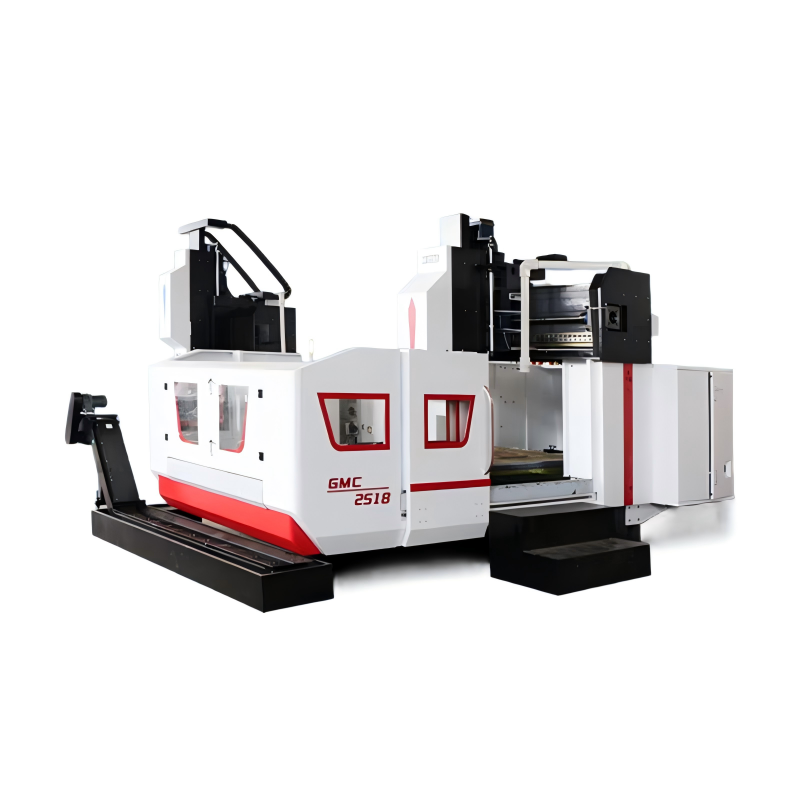
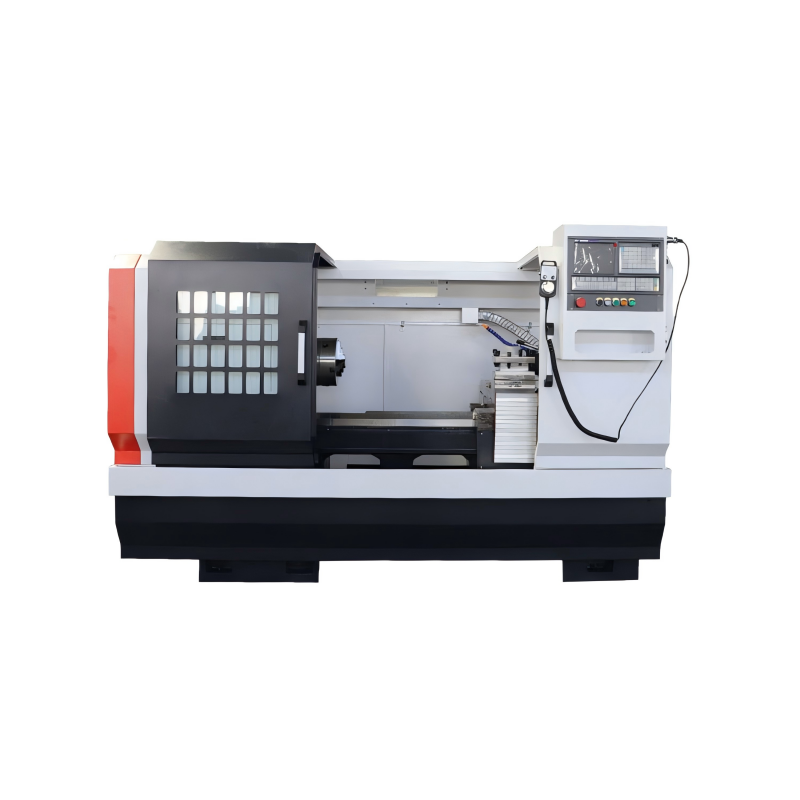
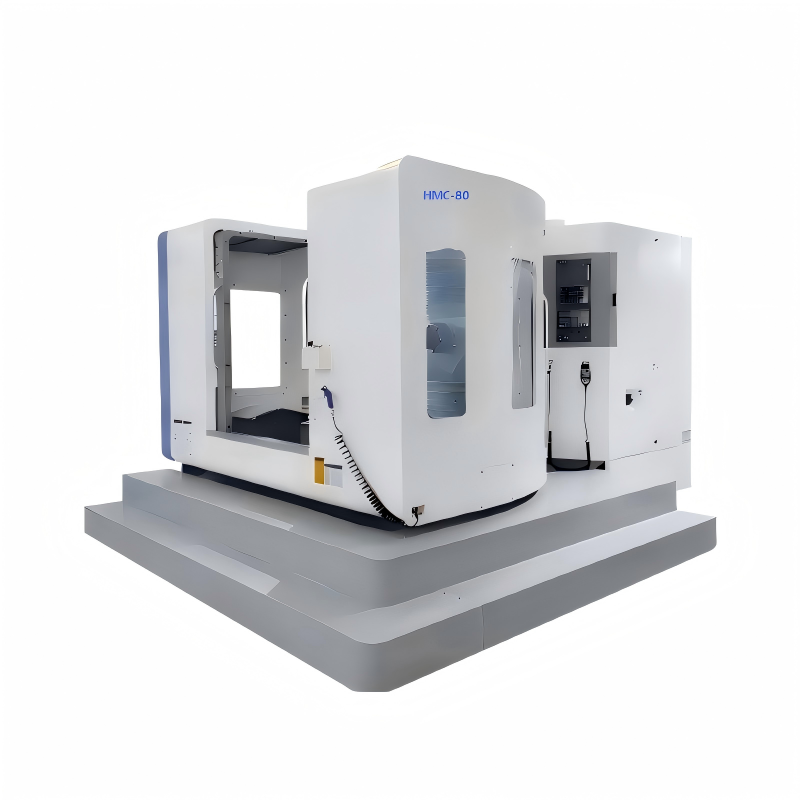
The integration of Vertical Machining Centers (VMC) into mold making has revolutionized the industry, allowing for unprecedented precision and efficiency. A VMC is a type of milling machine where the spindle axis is oriented vertically, providing an optimal setup for machining various types of molds. This section will explore how advancements in VMC technology have transformed traditional mold design processes.
One key aspect of this evolution lies in the increased accuracy that modern VMCs offer. With advanced features such as high-resolution linear scales, thermal compensation systems, and rigid machine structures, today's VMCs can achieve tolerances down to microns. Such precision is critical in mold making, especially when dealing with complex geometries or tight fits that require exacting standards.
Another significant development is the incorporation of automation and digitalization within VMC operations. Automated tool changers, pallet changers, and even robotic arms now enable continuous production with minimal human intervention. Furthermore, the use of computer-aided manufacturing (CAM) software allows for the seamless transition from 3D model to finished part, streamlining the entire mold-making process. These technological enhancements not only improve productivity but also reduce the likelihood of human error, leading to higher quality end products.
Modern VMCs are equipped with features that significantly enhance their capability to work with a wide range of materials, including metals, plastics, and composites. The ability to handle diverse material properties is essential in mold making, as it directly impacts the performance and longevity of the final product. For instance, hard metals like steel and titanium, which are commonly used in mold bases, require robust cutting forces and high-speed machining capabilities provided by advanced VMCs.
Moreover, these machines often come with multi-axis configurations, enabling them to perform intricate operations on complex shapes. This versatility is particularly beneficial in creating molds for industries such as automotive, aerospace, and medical, where components frequently feature challenging geometries. By leveraging the advanced capabilities of VMCs, manufacturers can produce molds that meet stringent requirements while maintaining cost-effectiveness and speed.
In addition to material flexibility, VMCs also support the use of specialized cutting tools and techniques. High-speed machining (HSM), for example, utilizes rapid spindle speeds and feed rates to achieve superior surface finishes and dimensional accuracy. Similarly, the application of coolant during machining helps manage heat generation, prolonging tool life and improving overall machining efficiency. These advancements in VMC technology have made it possible to push the boundaries of what can be achieved in mold making, opening up new possibilities for innovation and customization.
Efficiency is a cornerstone of any successful manufacturing operation, and VMCs play a crucial role in optimizing production workflows in mold making. One of the primary ways VMCs contribute to efficiency is through their ability to perform multiple operations in a single setup. This reduces the need for frequent retooling and minimizes downtime, resulting in faster turnaround times and lower production costs.
Furthermore, the integration of VMCs with other manufacturing technologies, such as 3D printing and additive manufacturing, has opened up new avenues for hybrid manufacturing. In this approach, VMCs can be used to finish parts that were initially produced using additive methods, combining the strengths of both technologies. This synergy enables the creation of highly customized and complex molds that would be difficult or impossible to produce using traditional methods alone.
Additionally, the use of real-time monitoring and data analytics in VMC operations has become increasingly prevalent. Sensors and IoT (Internet of Things) devices can track machine performance, detect anomalies, and predict maintenance needs, ensuring that VMCs operate at peak efficiency. This proactive approach to maintenance not only extends the lifespan of the equipment but also helps in avoiding costly unplanned downtime. By continuously analyzing and optimizing their VMC processes, mold makers can stay competitive in a rapidly evolving market.
As the mold making industry continues to evolve, the role of VMCs in driving innovation and efficiency cannot be overstated. The advancements in VMC technology, from enhanced precision and material versatility to optimized production workflows, have set a new standard for what is possible in mold design and manufacturing. Looking ahead, the ongoing integration of VMCs with emerging technologies such as AI, robotics, and Industry 4.0 principles promises to further transform the landscape of mold making.
By embracing these innovations, manufacturers can not only meet the current demands of the market but also position themselves for future growth and success. The power of VMC innovation in mold making is a testament to the relentless pursuit of excellence in engineering and manufacturing, and it will undoubtedly continue to shape the industry for years to come.
 27/06/2026
As the manufacturing landscape continues to evolve, the integration of advanced technologies into traditional processes has become a critical factor for staying competitive. One such area that has seen significant transformation is mold making, where VMC
Read More27/06/2026In the world of manufacturing, precision and efficiency are paramount. The integration of Vertical Machining Centers (VMC) into mold making has revolutionized the process, offering unparalleled accuracy and productivity. This report delves into essential
Read More26/06/2026In the ever-evolving landscape of modern manufacturing, the integration of advanced machinery and technology plays a pivotal role in enhancing efficiency, precision, and overall productivity. One such technology that has gained significant traction is the
Read More26/06/2026In the realm of modern manufacturing, the creation of molds plays a crucial role in producing high-precision parts and components. The advent of advanced machining technologies, particularly Vertical Machining Centers (VMC), has significantly influenced b
Read More26/06/2026In the world of manufacturing, precision and efficiency are paramount. The introduction of advanced machinery like the Vertical Machining Center (VMC) has significantly transformed how industries approach mold making. This comprehensive overview delves in
Read More25/06/2026In the domain of manufacturing, especially in the production of high-precision molds, the integration of advanced technology is not just a trend but a necessity. One such technological advancement that has revolutionized the mold making industry is the Ve
Read More25/06/2026In the realm of manufacturing, precision and speed are paramount. One of the most critical processes in this field is mold making, which demands both high accuracy and efficiency. The advent of advanced VMC (Vertical Machining Center) systems has revoluti
Read More25/06/2026Choosing the right Vertical Machining Center (VMC) for your project, especially when it involves mold making, can be a daunting task. With so many options available on the market, each with its unique features and capabilities, it's crucial to understand
Read More24/06/2026In the ever-evolving world of manufacturing, the precision and efficiency of mold making have become increasingly critical. The advent of advanced machining technologies, such as Vertical Machining Centers (VMC), has revolutionized the way molds are desig
Read More24/06/2026In the ever-evolving landscape of manufacturing, the integration of advanced technology has become a cornerstone for innovation and efficiency. One such technological advancement that is revolutionizing industries is the Mold Making VMC (Vertical Machinin
Read More24/06/2026In the rapidly evolving world of manufacturing, precision and efficiency are not just desirable; they are absolute necessities. This is especially true in mold making, where the slightest deviation can lead to significant quality issues. One technology th
Read More23/06/2026In the ever-evolving landscape of manufacturing, technological advancements are reshaping the way we produce goods. One such technology that has gained significant attention is Vertical Machining Center (VMC) technology. This report delves into the future
Read More23/06/2026With the rapid advancement in manufacturing technologies, the demand for precision and efficiency has never been higher. One of the key areas where this is evident is in mold making, particularly with the use of VMC (Vertical Machining Centers). This repo
Read More23/06/2026In the intricate world of manufacturing, precision is not just a preference but a necessity. The ability to create molds with high accuracy and consistency is crucial for industries ranging from automotive to electronics. This report delves into the art o
Read MoreOur professional sales team is always ready to assist you.