In the world of manufacturing, precision and efficiency are paramount. The integration of Vertical Machining Centers (VMC) into mold making has revolutionized the process, offering unparalleled accuracy and productivity. This report delves into essential tips for mastering VMC in mold fabrication, focusing on key aspects that can significantly enhance the quality and output of your projects.
Understanding the Fundamentals of VMC in Mold Making
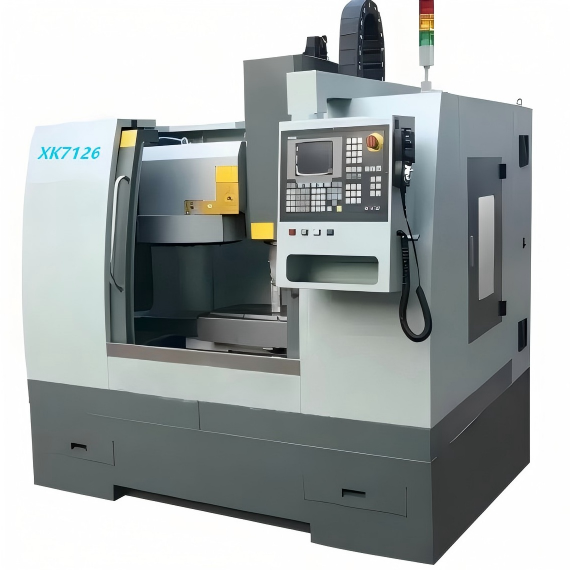
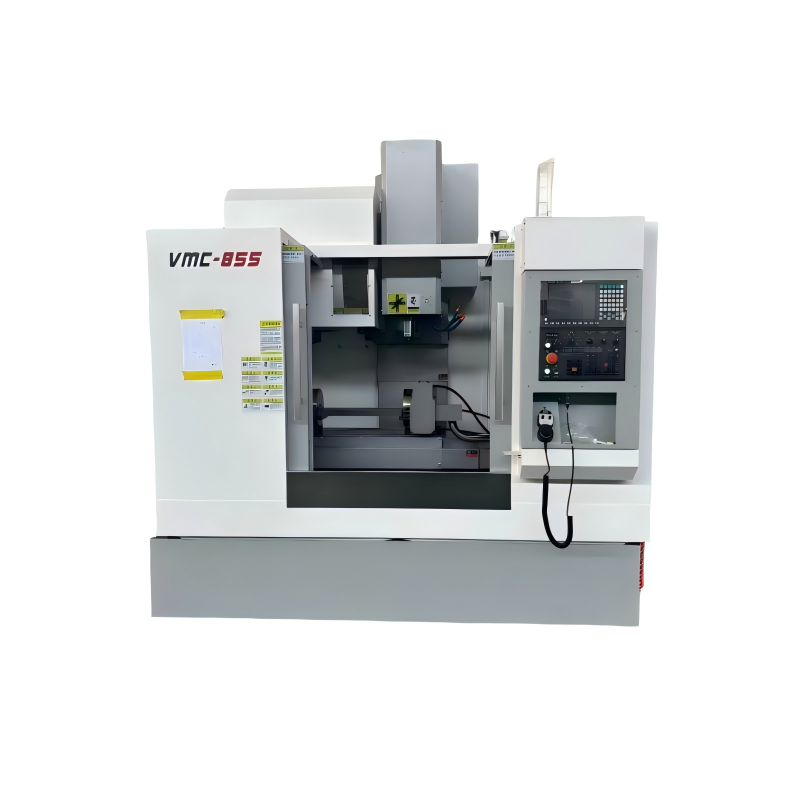
The first step towards mastery is a thorough understanding of the principles behind VMC. A VMC, or Vertical Machining Center, is a type of milling machine where the spindle axis is oriented vertically. This orientation allows for a variety of operations, including drilling, tapping, reaming, and milling, all of which are critical in mold making. In the context of mold making, VMCs offer several advantages, such as high precision, versatility, and the ability to handle complex geometries. It is crucial to familiarize yourself with the specific capabilities and limitations of the VMC you are using, as this will form the foundation of your expertise.
Moreover, understanding the software and control systems associated with the VMC is equally important. Modern VMCs often come equipped with advanced Computer Numerical Control (CNC) systems that allow for precise and automated machining. Familiarity with these systems, including programming and troubleshooting, will enable you to leverage the full potential of the VMC in your mold making processes.
Optimizing Tool Selection and Management
One of the most critical factors in achieving high-quality results in Mold Making VMC is the selection and management of cutting tools. The right tool can make a significant difference in the surface finish, dimensional accuracy, and overall efficiency of the machining process. When selecting tools, consider the material being machined, the desired surface finish, and the specific requirements of the mold design.
Tool management is another key aspect. Proper storage, maintenance, and regular inspection of tools can extend their lifespan and ensure consistent performance. Implementing a tool management system, such as a digital database, can help track tool usage, wear, and replacement schedules, thereby reducing downtime and improving productivity. Additionally, using high-quality, reliable tools from reputable manufacturers is essential to achieve the best results in mold making VMC.
Implementing Advanced Programming Techniques
Advanced programming techniques can significantly enhance the efficiency and accuracy of mold making VMC. CNC programming is at the heart of this, and mastering it requires a deep understanding of G-code and other programming languages used in CNC machines. Advanced features such as high-speed machining, 5-axis machining, and adaptive toolpaths can be leveraged to optimize the machining process.
High-speed machining, for instance, involves using higher spindle speeds and feed rates to reduce machining time and improve surface finish. 5-axis machining, on the other hand, allows for the machining of complex geometries by providing additional axes of motion. Adaptive toolpaths adjust the toolpath based on the geometry of the part, ensuring optimal tool engagement and reducing the risk of tool breakage. These techniques, when combined with a well-optimized program, can lead to significant improvements in both the quality and speed of mold fabrication.
Ensuring Quality Control and Inspection
Maintaining strict quality control and inspection protocols is essential to ensure that the molds produced meet the required specifications. Regular inspections during the machining process can help identify and address any issues early on, preventing costly rework and delays. Utilizing advanced metrology tools, such as Coordinate Measuring Machines (CMM), can provide highly accurate measurements and detailed reports, ensuring that the molds are within the specified tolerances.
Additionally, implementing a robust quality management system (QMS) can help standardize processes and ensure consistency across different projects. A QMS should include procedures for documentation, calibration of equipment, and training of personnel. By integrating these practices into your mold making VMC workflow, you can achieve a higher level of quality and reliability in your products.
Continuous Improvement and Training
The field of mold making VMC is constantly evolving, with new technologies and techniques emerging regularly. Staying updated with the latest advancements and continuously improving your skills is crucial to maintaining a competitive edge. Regular training and professional development programs can help you stay abreast of the latest trends and best practices in the industry.
Furthermore, fostering a culture of continuous improvement within your organization can drive innovation and enhance overall performance. Encourage your team to share knowledge, participate in workshops and seminars, and engage in ongoing learning. By investing in your team's growth and development, you can ensure that your mold making VMC operations remain at the forefront of the industry.
In conclusion, mastering VMC in mold making requires a comprehensive approach that encompasses a deep understanding of the technology, optimized tool selection and management, advanced programming techniques, stringent quality control, and a commitment to continuous improvement. By following these essential tips, you can significantly enhance the quality and efficiency of your mold fabrication processes, ultimately leading to greater success and customer satisfaction.
 27/06/2026



