As the manufacturing landscape continues to evolve, the integration of advanced technologies into traditional processes has become a critical factor for staying competitive. One such area that has seen significant transformation is mold making, where VMC (Vertical Machining Center) technologies are unlocking new possibilities and enhancing efficiency. This report delves into how VMC technologies are reshaping the mold-making industry, focusing on their impact on precision, productivity, and innovation.
Enhanced Precision through Advanced VMC Technologies
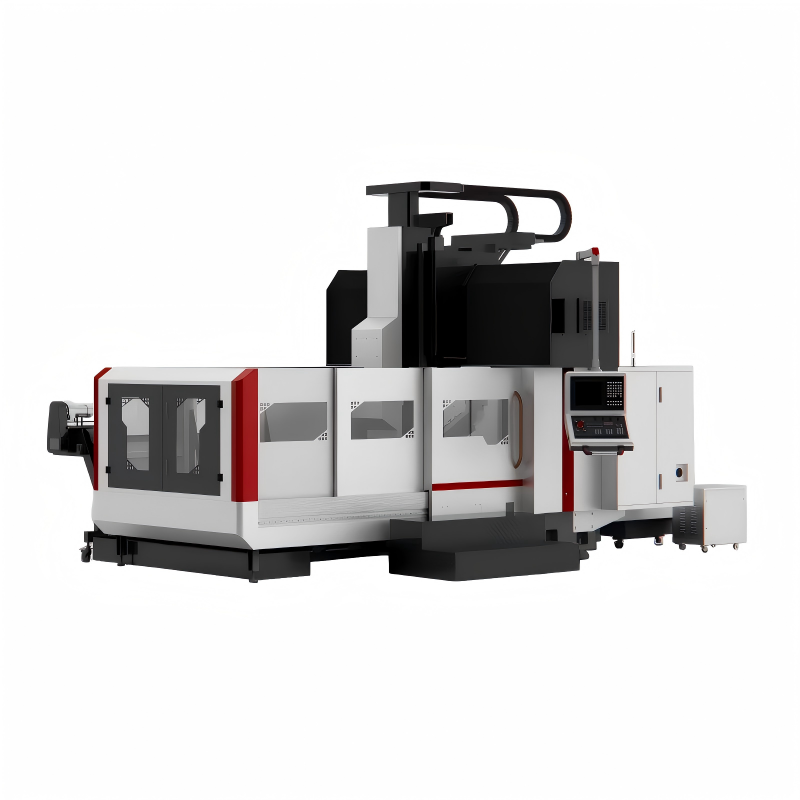
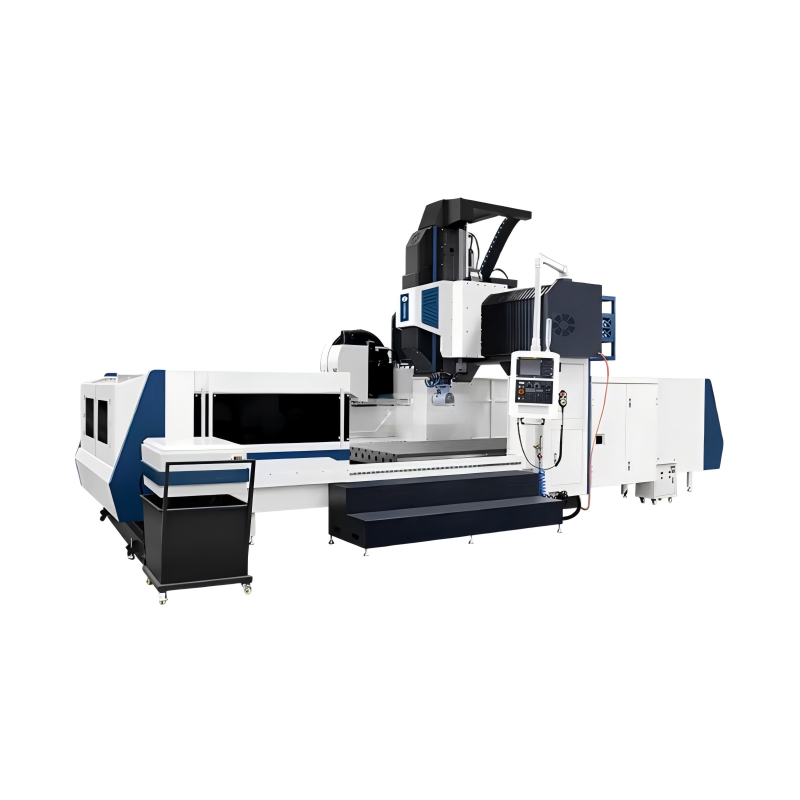
The advent of VMCs in mold making has significantly improved the level of precision achievable in the production process. Unlike conventional milling machines, VMCs offer a more stable platform with reduced vibration, which is crucial when working with high-precision molds. The use of direct drive spindles and linear scales in modern VMCs ensures that the machine can maintain tight tolerances over extended periods, leading to higher quality mold components. Additionally, the ability to perform multi-axis machining allows for the creation of complex geometries that were previously difficult or impossible to achieve. This capability not only enhances the functionality of the final product but also reduces the need for secondary operations, thereby streamlining the overall manufacturing process.
Boosting Productivity with Automated VMC Solutions
One of the most significant advantages of VMCs in mold making is their potential to boost productivity. Modern VMCs are equipped with advanced automation features, including automatic tool changers, pallet changers, and robotic loading systems. These features enable continuous operation with minimal human intervention, reducing downtime and increasing throughput. For example, an automatic tool changer can switch between different cutting tools in seconds, allowing the machine to perform multiple operations without the need for manual setup. Similarly, pallet changers can load and unload workpieces automatically, ensuring that the VMC remains in constant operation. This level of automation not only increases the number of parts produced per hour but also reduces labor costs, making the process more cost-effective.
Innovative Design and Manufacturing Capabilities
VMC technologies have also opened up new avenues for innovation in mold design and manufacturing. With the ability to handle a wide range of materials, from metals to composites, VMCs provide greater flexibility in the types of molds that can be created. This versatility is particularly beneficial in industries such as automotive and aerospace, where the demand for lightweight and high-strength components is growing. Furthermore, the integration of CAD/CAM software with VMCs allows for seamless data transfer and real-time adjustments during the machining process. This integration enables designers and engineers to experiment with new designs and quickly iterate on prototypes, leading to faster time-to-market and more innovative products. Additionally, the use of simulation software can predict and optimize the machining process, reducing the risk of errors and improving the overall quality of the mold.
In conclusion, the adoption of VMC technologies in mold making has brought about a paradigm shift in the industry. By enhancing precision, boosting productivity, and enabling innovative design and manufacturing capabilities, VMCs are setting new standards for what is possible in mold making. As these technologies continue to advance, it is clear that they will play an increasingly important role in shaping the future of the manufacturing sector.
 27/06/2026



