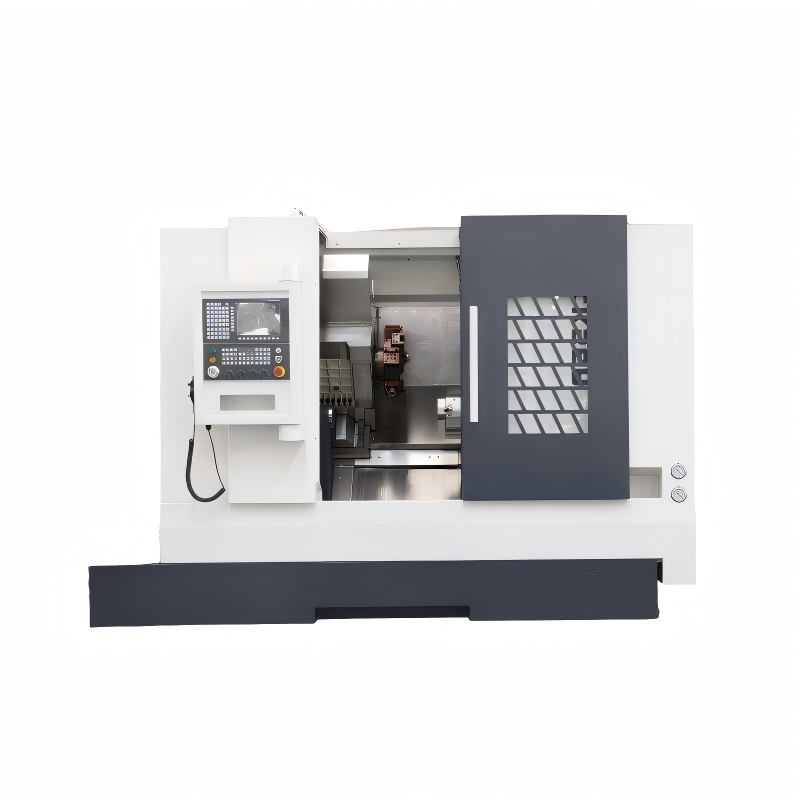
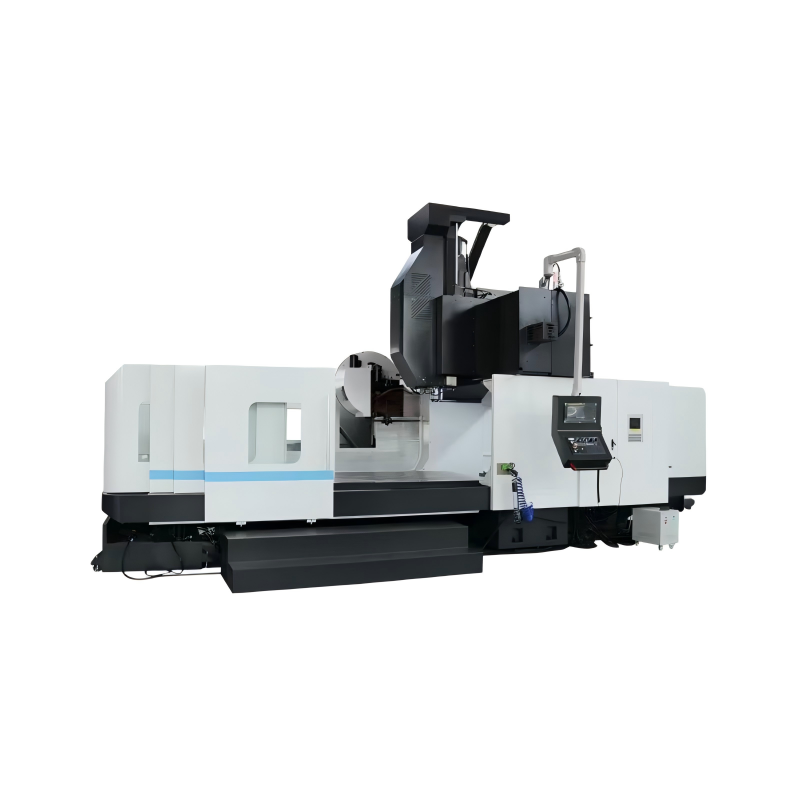
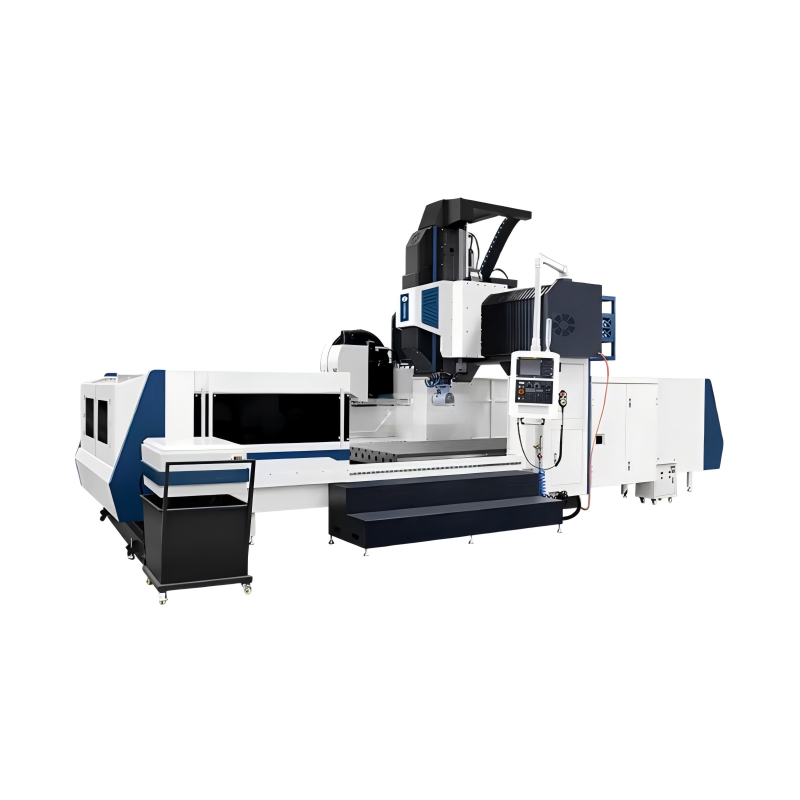
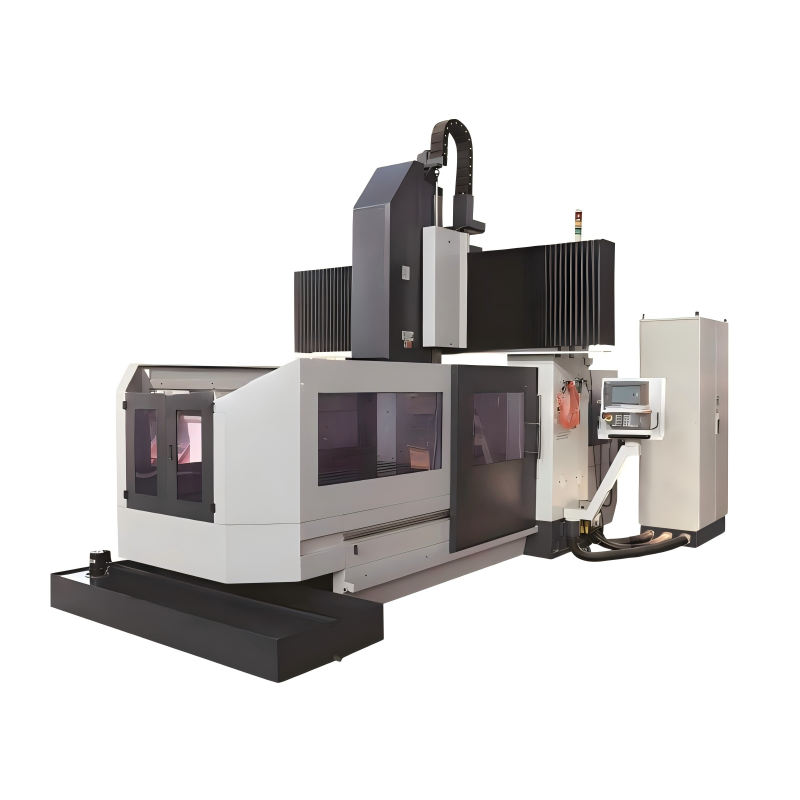
In today’s manufacturing landscape, the role of a conventional lathe supplier goes beyond merely providing machinery. It involves building a partnership that supports your production goals, enhances operational efficiency, and ensures long-term success. This report aims to explore how companies can establish and maintain a fruitful relationship with their conventional lathe supplier, focusing on key areas such as communication, quality assurance, and mutual growth.
Communication is the cornerstone of any successful business relationship. When it comes to working with a conventional lathe supplier, clear and consistent communication is essential. Establishing open lines of communication from the outset helps in setting expectations, addressing concerns, and ensuring that both parties are aligned on project goals and timelines. Regular check-ins, whether through meetings or digital updates, allow for real-time feedback and adjustments, which can prevent minor issues from escalating into major problems. Furthermore, maintaining transparency about changes in production needs, budget constraints, or technological advancements can help the supplier tailor their offerings to better meet your specific requirements. By fostering a culture of open dialogue, you create a foundation for trust and collaboration, which are critical for a long-term relationship.
One of the primary reasons for choosing a conventional lathe supplier is the expectation of high-quality machinery that meets or exceeds industry standards. A reliable supplier will not only provide top-tier equipment but also offer robust after-sales support, including maintenance, repairs, and training. To ensure the longevity and performance of the lathes, it is crucial to establish a comprehensive quality assurance (QA) program. This program should include regular inspections, preventive maintenance schedules, and a system for tracking and resolving any issues that arise. Additionally, the supplier should be able to provide documentation and certifications that verify the quality and compliance of their products. By prioritizing QA, you can minimize downtime, reduce costs, and enhance overall productivity, which ultimately contributes to a more stable and profitable operation.
A sustainable and beneficial relationship with a conventional lathe supplier is one where both parties are committed to mutual growth. This means aligning your business goals and strategies with those of your supplier. For example, if your company is looking to expand its product line or enter new markets, your supplier should be capable of supporting these initiatives by offering flexible solutions, such as customized lathes or additional services. Conversely, you can contribute to your supplier's growth by providing valuable feedback, participating in beta testing of new products, and even collaborating on research and development projects. Such a partnership can lead to innovative solutions that give both your company and the supplier a competitive edge in the market. Moreover, investing in the relationship by sharing insights, best practices, and industry trends can foster a sense of shared purpose and drive continuous improvement.
To ensure that the relationship with your conventional lathe supplier remains strong and effective, it is important to regularly evaluate their performance. This evaluation should be based on predefined criteria, such as delivery times, product quality, customer service, and cost-effectiveness. Feedback from internal stakeholders, such as production managers and engineers, can provide valuable insights into the supplier’s strengths and areas for improvement. Additionally, conducting periodic reviews and performance assessments can help identify any gaps or issues that need to be addressed. By actively engaging in this process, you can work with your supplier to implement corrective actions and make necessary adjustments, ensuring that the relationship continues to evolve and improve over time.
Building a long-term relationship with your conventional lathe supplier is a strategic investment that can yield significant benefits for your organization. By focusing on effective communication, quality assurance, and mutual growth, you can create a partnership that not only meets your current needs but also supports your future aspirations. Regular evaluation and continuous improvement further strengthen this relationship, ensuring that both parties remain aligned and committed to each other’s success. In an ever-changing manufacturing environment, a strong and enduring relationship with a reliable conventional lathe supplier is a key factor in achieving and maintaining a competitive advantage.
 27/06/2026
In the dynamic world of manufacturing, a conventional lathe supplier plays an indispensable role in supporting various industries with their machinery needs. One key aspect that often sets apart a successful conventional lathe supplier from its competitor
Read More27/06/2026In today’s competitive manufacturing landscape, the choice of a Conventional Lathe Supplier can significantly impact operational efficiency and product quality. This technical report delves into the importance of selecting a high-quality conventional lath
Read More27/06/2026In today's highly competitive manufacturing industry, the role of a reliable Conventional Lathe Supplier cannot be overstated. A good supplier not only provides high-quality machinery but also contributes significantly to the overall growth and efficiency
Read More26/06/2026Understanding the Basics of Conventional LathesIn the realm of machining, a conventional lathe stands as one of the most fundamental and versatile tools. It is used to shape metal, wood, or other materials by rotating them against cutting tools. The choic
Read More26/06/2026In today's manufacturing landscape, the role of a Conventional Lathe Supplier is more critical than ever. As industries seek to optimize their production processes, the selection of the right machinery becomes a cornerstone for success. This report delves
Read More26/06/2026When it comes to the world of precision machining, selecting a Conventional Lathe Supplier that can provide not just equipment but also comprehensive support and innovative solutions is crucial. This technical report aims to explore what one should expect
Read More26/06/2026Understanding the Role of a Conventional Lathe in Modern ManufacturingIn today’s fast-paced manufacturing environment, the choice of machinery plays a critical role in determining the efficiency and productivity of an operation. Among the various types of
Read More25/06/2026In the world of manufacturing, selecting the right conventional lathe supplier is crucial for ensuring that your production processes run smoothly and efficiently. A conventional lathe is a fundamental tool in many machining operations, and choosing the b
Read More25/06/2026In the realm of manufacturing, selecting a conventional lathe supplier is a critical decision that can significantly impact production efficiency, product quality, and overall business success. A conventional lathe, being one of the fundamental tools in m
Read More25/06/2026In the realm of manufacturing, the conventional lathe remains a cornerstone tool for shaping and machining metal components. Its versatility and precision make it indispensable across various industries, from automotive to aerospace. However, the role of
Read More25/06/2026In the realm of manufacturing and machining, conventional lathes remain a cornerstone tool for precision work. As businesses seek to optimize their operations, choosing the right Conventional Lathe Supplier is crucial. This guide provides a detailed analy
Read More24/06/2026In the realm of manufacturing and machining, the choice of a conventional lathe supplier is a decision that can significantly impact the quality, efficiency, and cost-effectiveness of production processes. This report aims to highlight the importance of q
Read More24/06/2026When it comes to selecting a Conventional Lathe Supplier, the decision can significantly impact the efficiency, quality, and cost-effectiveness of your manufacturing processes. A conventional lathe is a versatile machine tool used for shaping metal, wood,
Read More24/06/2026In the world of manufacturing, the selection of a conventional lathe supplier is not just about finding a vendor but also about ensuring that the quality of the machines and the service provided meets or exceeds expectations. This report aims to explore w
Read More24/06/2026In the world of manufacturing, precision and reliability are paramount. One of the key tools that enable this is the conventional lathe, a machine that has been a staple in the industry for decades. Partnering with an experienced Conventional Lathe Suppli
Read More23/06/2026In the world of machining, finding the right conventional lathe supplier is crucial for ensuring that your operations run smoothly and efficiently. A conventional lathe is a fundamental tool in many manufacturing processes, and selecting the appropriate s
Read More23/06/2026Choosing the right conventional lathe supplier is a critical decision for any manufacturing or engineering company. The quality of lathes, as well as the support and service provided by the supplier, can significantly impact your production efficiency and
Read More23/06/2026In the rapidly evolving world of manufacturing, choosing a reliable conventional lathe supplier is more critical than ever. A conventional lathe is a fundamental tool in many industries, from automotive to aerospace, and its quality directly impacts the e
Read More23/06/2026Understanding the Importance of Conventional Lathes in Modern Workshops The conventional lathe, a machine that has been around for centuries, continues to play a vital role in modern workshops. Its ability to perform a wide range of operations, from turni
Read MoreOur professional sales team is always ready to assist you.