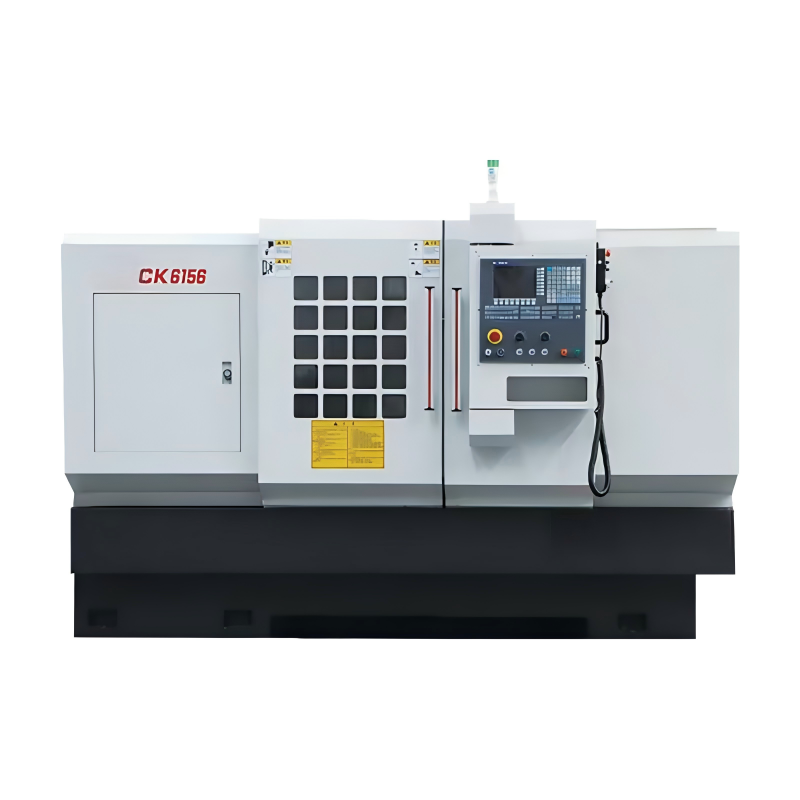
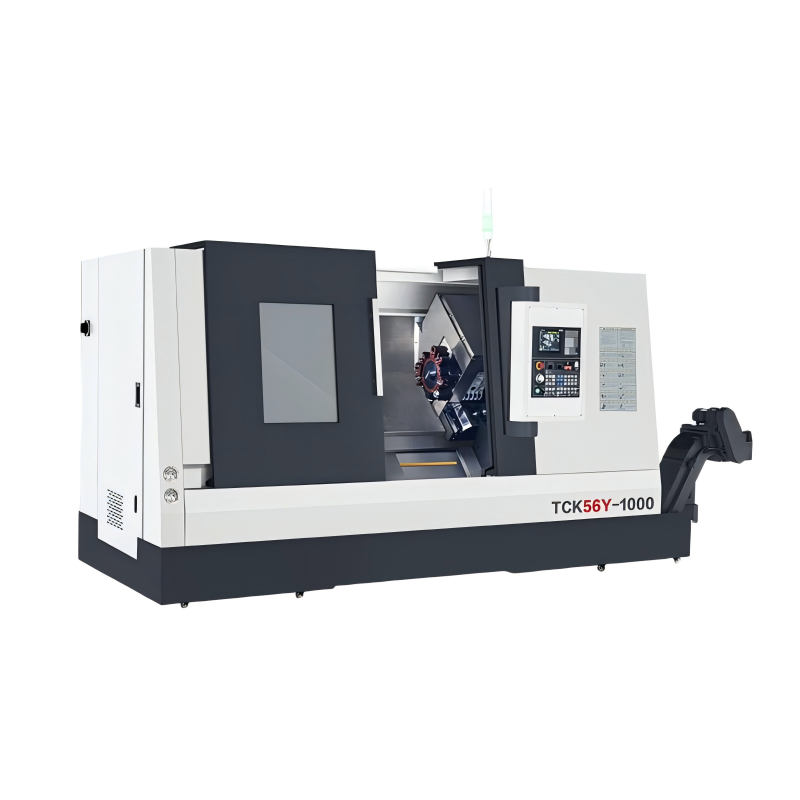
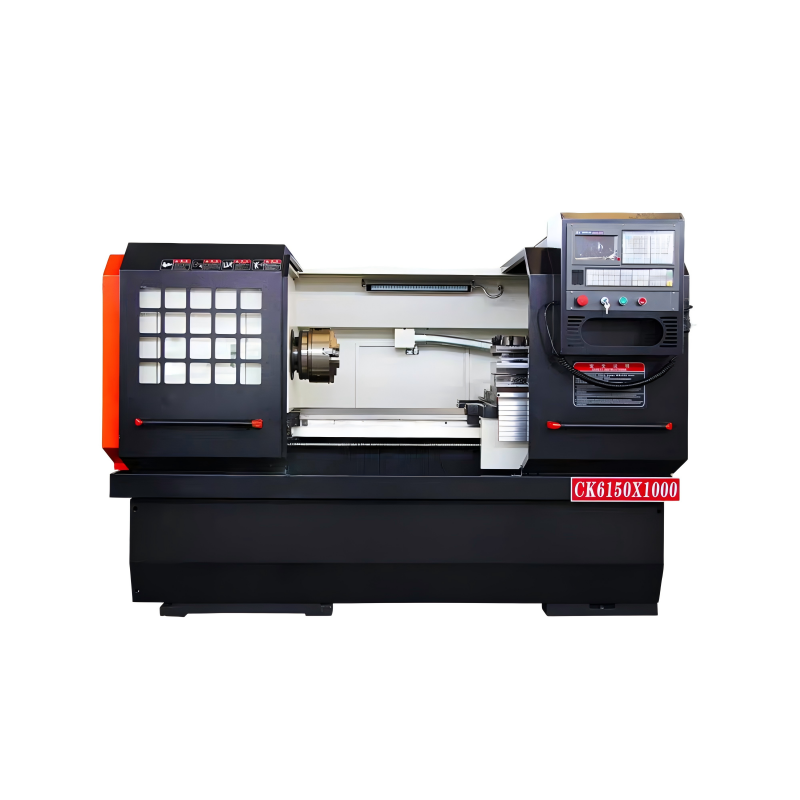
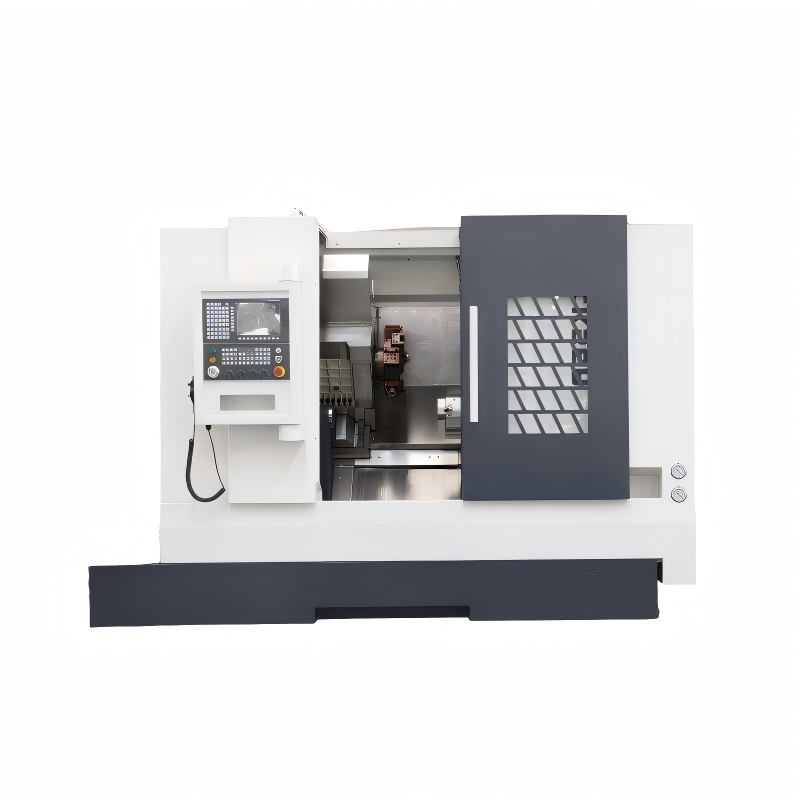
In the dynamic world of manufacturing, a conventional lathe supplier plays an indispensable role in supporting various industries with their machinery needs. One key aspect that often sets apart a successful conventional lathe supplier from its competitors is the quality and effectiveness of its customer service. This report delves into how customer service influences the operations, client satisfaction, and overall success of a conventional lathe supplier.
For any business relying on machinery as critical as lathes, downtime can be extremely costly. A conventional lathe supplier must, therefore, prioritize offering responsive support to ensure minimal disruption in their clients' production processes. Quick response times, whether it's through phone, email, or even remote diagnostics, are crucial. This not only helps in resolving issues faster but also demonstrates the supplier’s commitment to keeping their customers’ operations running smoothly. Furthermore, by providing comprehensive troubleshooting guides and maintaining a knowledgeable technical team, suppliers can empower their clients to address minor issues independently, further reducing potential downtime.
Every manufacturing setup has unique requirements, and a one-size-fits-all approach rarely suffices. A top-tier conventional lathe supplier understands this and offers customization options to better suit individual client needs. This could range from adjusting the specifications of the lathe to fit specific applications, to providing specialized training for operators. By being flexible and willing to tailor solutions, these suppliers build stronger, more lasting relationships with their customers. Moreover, this adaptability allows the supplier to stay relevant in a rapidly evolving industry, ensuring they remain the go-to choice for both new and existing clients.
A forward-thinking conventional lathe supplier recognizes the value of proactive engagement with their clients. This involves regularly checking in with customers to understand their ongoing needs, offering updates on the latest technologies, and even suggesting improvements that could enhance productivity or reduce costs. Such engagement goes beyond merely selling a product; it fosters a partnership where both parties benefit. For instance, by conducting periodic reviews of the equipment's performance and advising on maintenance schedules, the supplier can help prevent major breakdowns, thereby extending the life of the machinery. This level of involvement not only boosts customer loyalty but also opens up opportunities for upselling and cross-selling, contributing to the supplier’s growth.
An informed customer is a satisfied customer. Leading conventional lathe suppliers invest in creating and sharing educational resources such as manuals, video tutorials, and case studies. These materials not only assist in the initial setup and operation of the lathe but also provide valuable insights into best practices and advanced techniques. By empowering their customers with knowledge, suppliers can reduce the learning curve associated with using new equipment, leading to faster adoption and increased efficiency. Additionally, hosting webinars or workshops on topics like machine maintenance, safety protocols, and innovative machining methods can further cement the supplier’s position as a trusted advisor in the field.
Customer service is undeniably a cornerstone of success for a conventional lathe supplier. From ensuring prompt and effective support to offering customized solutions, and from fostering long-term partnerships to providing educational resources, every aspect of customer service contributes to building a strong, reliable brand. As the manufacturing landscape continues to evolve, those suppliers who prioritize and excel in customer service will not only meet but exceed their clients' expectations, securing their place as leaders in the industry.
 27/06/2026
In today’s competitive manufacturing landscape, the choice of a Conventional Lathe Supplier can significantly impact operational efficiency and product quality. This technical report delves into the importance of selecting a high-quality conventional lath
Read More27/06/2026In today's highly competitive manufacturing industry, the role of a reliable Conventional Lathe Supplier cannot be overstated. A good supplier not only provides high-quality machinery but also contributes significantly to the overall growth and efficiency
Read More27/06/2026In today’s manufacturing landscape, the role of a conventional lathe supplier goes beyond merely providing machinery. It involves building a partnership that supports your production goals, enhances operational efficiency, and ensures long-term success. T
Read More26/06/2026Understanding the Basics of Conventional LathesIn the realm of machining, a conventional lathe stands as one of the most fundamental and versatile tools. It is used to shape metal, wood, or other materials by rotating them against cutting tools. The choic
Read More26/06/2026In today's manufacturing landscape, the role of a Conventional Lathe Supplier is more critical than ever. As industries seek to optimize their production processes, the selection of the right machinery becomes a cornerstone for success. This report delves
Read More26/06/2026When it comes to the world of precision machining, selecting a Conventional Lathe Supplier that can provide not just equipment but also comprehensive support and innovative solutions is crucial. This technical report aims to explore what one should expect
Read More26/06/2026Understanding the Role of a Conventional Lathe in Modern ManufacturingIn today’s fast-paced manufacturing environment, the choice of machinery plays a critical role in determining the efficiency and productivity of an operation. Among the various types of
Read More25/06/2026In the world of manufacturing, selecting the right conventional lathe supplier is crucial for ensuring that your production processes run smoothly and efficiently. A conventional lathe is a fundamental tool in many machining operations, and choosing the b
Read More25/06/2026In the realm of manufacturing, selecting a conventional lathe supplier is a critical decision that can significantly impact production efficiency, product quality, and overall business success. A conventional lathe, being one of the fundamental tools in m
Read More25/06/2026In the realm of manufacturing, the conventional lathe remains a cornerstone tool for shaping and machining metal components. Its versatility and precision make it indispensable across various industries, from automotive to aerospace. However, the role of
Read More25/06/2026In the realm of manufacturing and machining, conventional lathes remain a cornerstone tool for precision work. As businesses seek to optimize their operations, choosing the right Conventional Lathe Supplier is crucial. This guide provides a detailed analy
Read More24/06/2026In the realm of manufacturing and machining, the choice of a conventional lathe supplier is a decision that can significantly impact the quality, efficiency, and cost-effectiveness of production processes. This report aims to highlight the importance of q
Read More24/06/2026When it comes to selecting a Conventional Lathe Supplier, the decision can significantly impact the efficiency, quality, and cost-effectiveness of your manufacturing processes. A conventional lathe is a versatile machine tool used for shaping metal, wood,
Read More24/06/2026In the world of manufacturing, the selection of a conventional lathe supplier is not just about finding a vendor but also about ensuring that the quality of the machines and the service provided meets or exceeds expectations. This report aims to explore w
Read More24/06/2026In the world of manufacturing, precision and reliability are paramount. One of the key tools that enable this is the conventional lathe, a machine that has been a staple in the industry for decades. Partnering with an experienced Conventional Lathe Suppli
Read More23/06/2026In the world of machining, finding the right conventional lathe supplier is crucial for ensuring that your operations run smoothly and efficiently. A conventional lathe is a fundamental tool in many manufacturing processes, and selecting the appropriate s
Read More23/06/2026Choosing the right conventional lathe supplier is a critical decision for any manufacturing or engineering company. The quality of lathes, as well as the support and service provided by the supplier, can significantly impact your production efficiency and
Read More23/06/2026In the rapidly evolving world of manufacturing, choosing a reliable conventional lathe supplier is more critical than ever. A conventional lathe is a fundamental tool in many industries, from automotive to aerospace, and its quality directly impacts the e
Read More23/06/2026Understanding the Importance of Conventional Lathes in Modern Workshops The conventional lathe, a machine that has been around for centuries, continues to play a vital role in modern workshops. Its ability to perform a wide range of operations, from turni
Read MoreOur professional sales team is always ready to assist you.