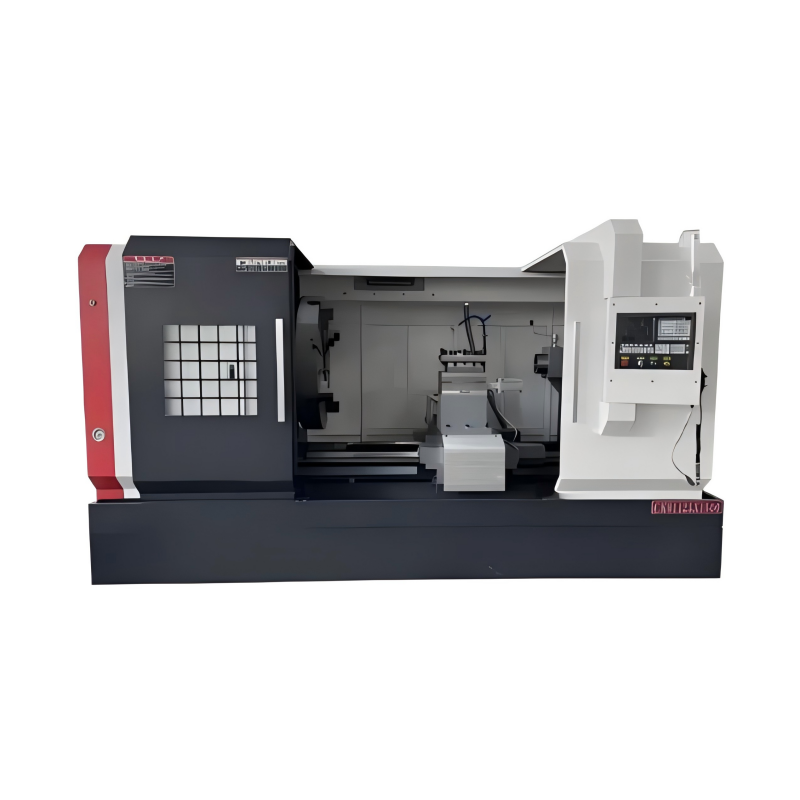
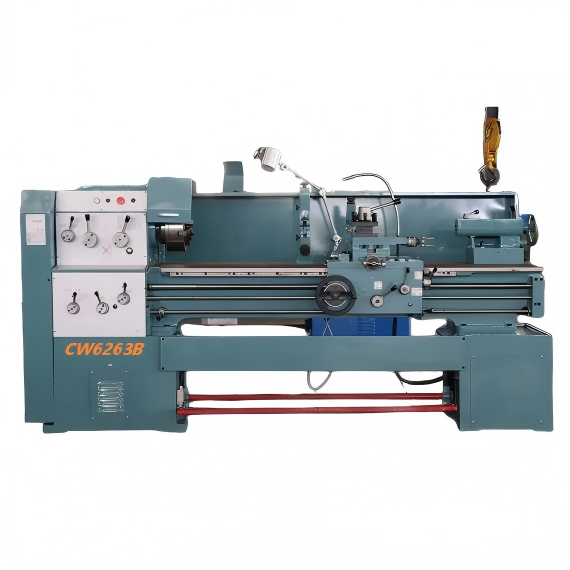
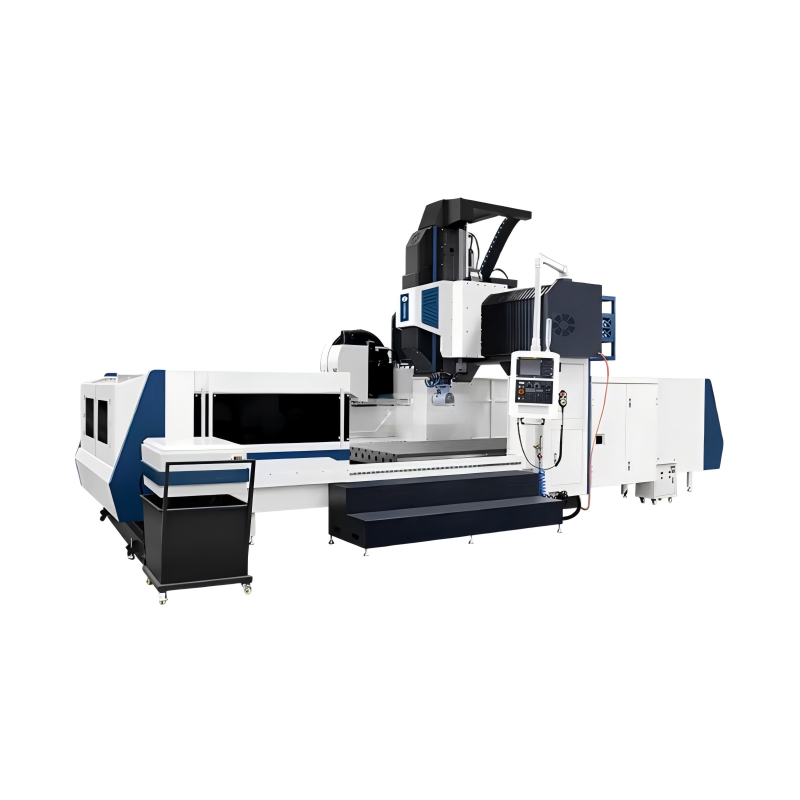
The 3 Axis Vertical Machining Center (VMC) stands as a cornerstone in the world of precision manufacturing, offering unparalleled accuracy and efficiency. This type of machining center is designed with three axes—X, Y, and Z—which allow for complex and precise movements necessary for a wide range of applications. The versatility and reliability of 3 Axis VMCs make them indispensable in industries such as aerospace, automotive, and medical device manufacturing, where high precision and repeatability are critical.
A 3 Axis Vertical Machining Center is composed of several key components that work together to achieve the desired level of accuracy and performance. These include the spindle, which rotates at high speeds to cut or shape materials; the table, which holds the workpiece and can move along the X and Y axes; and the column, which supports the spindle and allows for movement along the Z axis. Additionally, modern 3 Axis VMCs often come equipped with advanced features such as automatic tool changers, coolant systems, and integrated software for programming and monitoring.
One of the most significant advantages of a 3 Axis VMC is its ability to perform multiple operations in a single setup, reducing the need for repositioning the workpiece and minimizing the potential for errors. This not only enhances productivity but also ensures consistent quality across all parts produced.
To further enhance the accuracy of 3 Axis VMCs, manufacturers have integrated various advanced technologies. One such technology is the use of linear scales, which provide real-time feedback on the position of the axes, allowing for micrometer-level precision. Another important feature is thermal compensation, which adjusts for temperature variations that can affect the machine's performance and accuracy. By incorporating these technologies, 3 Axis VMCs can achieve extremely tight tolerances, making them ideal for applications requiring the highest levels of precision.
Moreover, the integration of computer-aided design (CAD) and computer-aided manufacturing (CAM) software has revolutionized the way 3 Axis VMCs are programmed and operated. These software tools enable operators to create detailed 3D models of parts and generate optimized toolpaths, ensuring that the machining process is both efficient and accurate. The combination of advanced hardware and software solutions has significantly improved the overall performance of 3 Axis VMCs, making them a preferred choice for many manufacturing operations.
The 3 Axis Vertical Machining Center finds extensive use in a variety of industries, each benefiting from its unique capabilities. In the aerospace industry, 3 Axis VMCs are used to manufacture critical components such as engine parts, landing gear, and structural elements. The high precision and repeatability of these machines ensure that each part meets the stringent safety and performance standards required in this field.
In the automotive sector, 3 Axis VMCs play a crucial role in producing engine blocks, transmission components, and other intricate parts. The ability to handle a wide range of materials, from aluminum and steel to composites, makes these machines versatile and cost-effective. Additionally, the medical device industry relies on 3 Axis VMCs to produce surgical instruments, implants, and other precision components, where accuracy is paramount to patient safety and treatment outcomes.
Overall, the 3 Axis Vertical Machining Center offers a multitude of benefits, including enhanced accuracy, increased productivity, and the ability to handle complex geometries. These advantages make it an essential tool for manufacturers seeking to deliver high-quality products while maintaining competitive edge in their respective markets.
To ensure the long-term reliability and optimal performance of a 3 Axis VMC, regular maintenance and adherence to best practices are essential. Routine maintenance tasks include cleaning and lubricating moving parts, checking and adjusting the alignment of the axes, and inspecting the spindle and tool holders for wear and damage. Additionally, it is important to follow the manufacturer's recommended service intervals and replace worn components promptly to prevent unexpected downtime and maintain the machine's accuracy.
Training and certification of machine operators are also crucial for achieving the best results. Operators should be well-versed in the machine's capabilities, limitations, and safety protocols. Regular training sessions and updates on the latest machining techniques and software can help operators stay proficient and maximize the potential of the 3 Axis VMC. By following these best practices, manufacturers can ensure that their 3 Axis VMCs continue to deliver high-precision results and contribute to the success of their operations.
The 3 Axis Vertical Machining Center is a powerful and versatile tool that has become an integral part of modern manufacturing. Its ability to deliver high accuracy, combined with advanced features and technologies, makes it an invaluable asset in a wide range of industries. By understanding the key components, leveraging advanced technologies, and following best practices for maintenance and operation, manufacturers can fully harness the potential of 3 Axis VMCs to enhance their production processes and meet the demands of today's competitive market.
 26/06/2026
The Evolution of 3 Axis Vertical Machining CentersOver the past few decades, the manufacturing industry has witnessed a significant transformation, driven by advancements in technology and automation. One such innovation that has played a pivotal role is
Read More26/06/2026Understanding the Importance of Regular MaintenanceA 3 axis vertical machining center is a crucial piece of equipment in many manufacturing and production environments. Its ability to perform complex operations with high precision makes it indispensable.
Read More25/06/2026IntroductionThe 3 Axis Vertical Machining Center (VMC) has become a cornerstone in modern manufacturing, offering unparalleled precision and efficiency for a wide range of applications. This report aims to explore the key strategies that can be employed t
Read More25/06/2026The evolution of manufacturing technology has been marked by significant advancements, with the 3 Axis Vertical Machining Center (VMC) standing out as a pivotal innovation. This report delves into the latest developments in VMC technology, exploring how t
Read More25/06/2026When it comes to investing in a 3 Axis Vertical Machining Center, making the right decision can significantly impact your manufacturing process's efficiency and output quality. This type of machine is a versatile tool capable of performing a wide range of
Read More25/06/2026The advent of 3 Axis Vertical Machining Centers (VMCs) has significantly transformed the landscape of industrial manufacturing, enhancing productivity, precision, and operational efficiency. This report delves into the impact of 3 Axis VMCs on industrial
Read More24/06/2026Introduction to 3 Axis Vertical Machining Centers A 3 Axis Vertical Machining Center is a versatile and powerful tool in the manufacturing industry, capable of performing a wide range of machining operations. This type of machine is designed to move along
Read More24/06/2026Introduction to 3 Axis Vertical Machining CentersA 3 axis vertical machining center is a fundamental piece of equipment in modern manufacturing, designed for the precision cutting and shaping of materials. This type of machine tool operates on three prima
Read More24/06/2026A Comprehensive Guide to Selecting the Right 3 Axis Vertical Machining CenterChoosing the right 3 axis vertical machining center is a critical decision for any manufacturing operation. These machines are essential for precision and efficiency in a wide ra
Read More24/06/2026Understanding the Core Components of a 3 Axis Vertical Machining CenterA 3 Axis Vertical Machining Center is an essential piece of equipment in many manufacturing and engineering environments, designed to perform a wide range of machining operations with
Read More23/06/2026The 3 Axis Vertical Machining Center (VMC) is a versatile and efficient tool in the world of manufacturing, capable of producing complex parts with high precision. This type of machining center plays a crucial role in various industries, from automotive t
Read More23/06/2026The 3 Axis Vertical Machining Center is a cornerstone in modern manufacturing, providing unparalleled precision and efficiency. This technical report delves into the advanced features and capabilities that make this machine a preferred choice for many ind
Read More23/06/2026In the realm of precision engineering, the role of 3 Axis Vertical Machining Centers (VMCs) is pivotal. These advanced machines have become indispensable in a variety of manufacturing processes, from aerospace to automotive, and from medical devices to co
Read More23/06/2026In the realm of modern manufacturing, the 3 Axis Vertical Machining Center (VMC) stands out as a pivotal tool for precision and efficiency. This report delves into the advantages that 3 Axis VMCs offer, highlighting their significance in contemporary indu
Read MoreOur professional sales team is always ready to assist you.