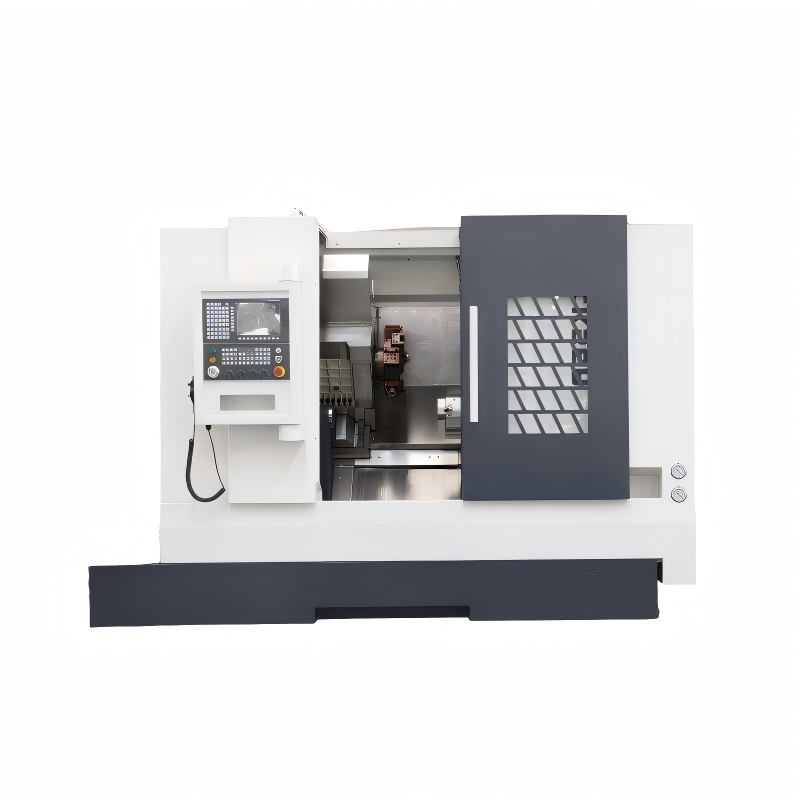
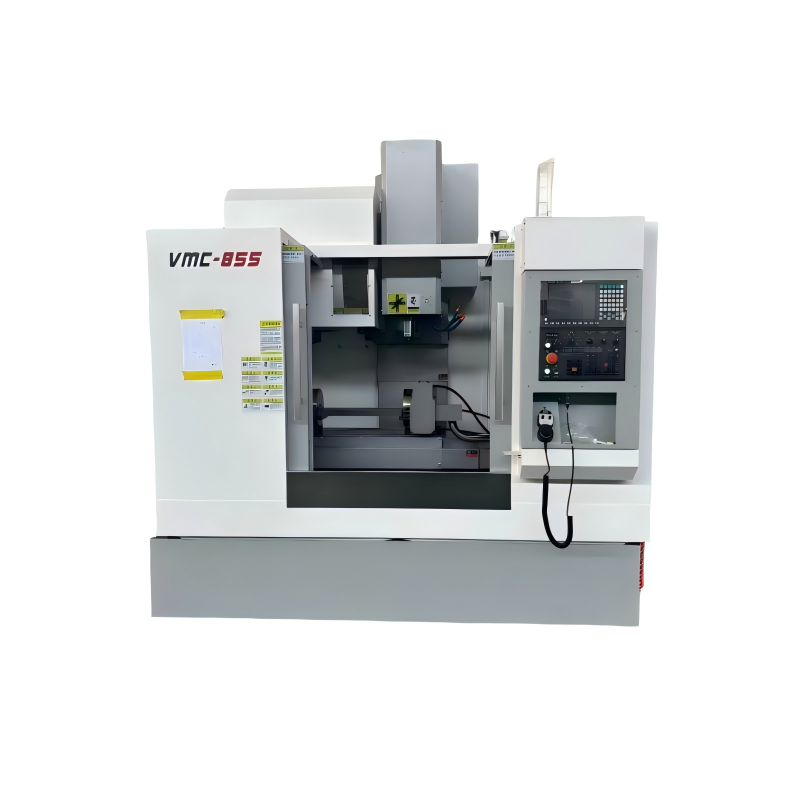
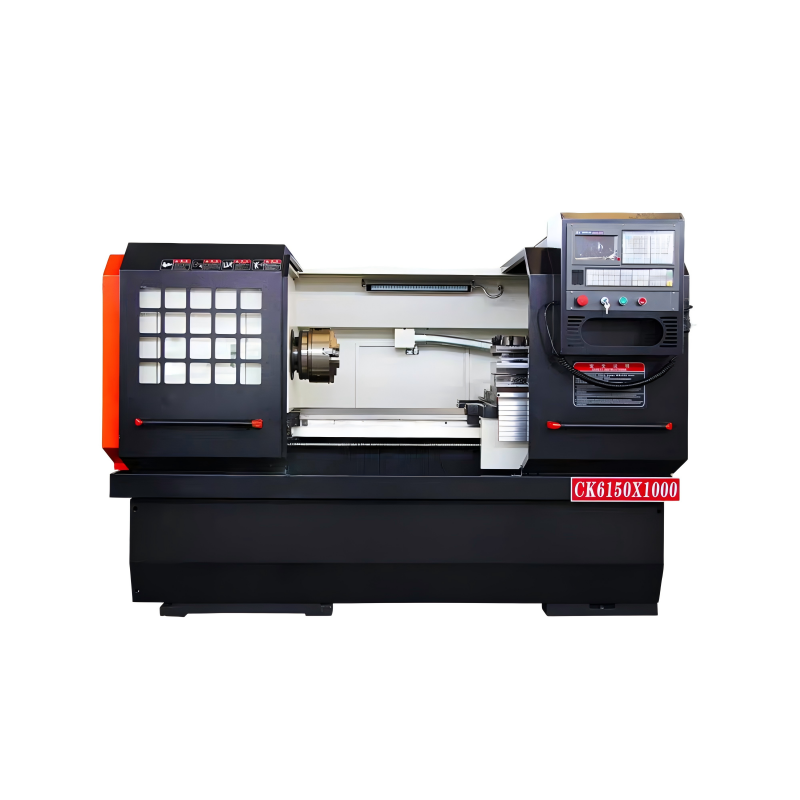
Over the past few decades, the manufacturing industry has witnessed a significant transformation, driven by advancements in technology and automation. One such innovation that has played a pivotal role is the 3 Axis Vertical Machining Center. This versatile machine tool has become an indispensable asset for manufacturers, offering precision, efficiency, and flexibility in various applications. The evolution of 3 Axis Vertical Machining Centers can be traced back to the early 20th century, with the first computer numerical control (CNC) machines appearing in the 1950s. Since then, these machines have undergone continuous improvements, incorporating advanced features and capabilities that enhance their performance and usability.
One of the key factors contributing to the evolution of 3 Axis Vertical Machining Centers is the integration of computer-aided design (CAD) and computer-aided manufacturing (CAM) software. These tools enable engineers and designers to create complex 3D models and generate precise machining instructions, which are then executed by the machining center. This seamless integration has not only improved the accuracy and repeatability of machining processes but also reduced the time and cost associated with manual programming and setup.
Another significant development in the evolution of 3 Axis Vertical Machining Centers is the introduction of high-speed spindles and advanced cutting tools. High-speed spindles, capable of operating at speeds up to 20,000 RPM or more, allow for faster material removal rates and improved surface finish. Additionally, the use of advanced cutting tools, such as carbide and ceramic inserts, has further enhanced the performance of these machines, enabling them to handle a wide range of materials, from soft plastics to hard metals.
Automation and integration have been at the forefront of the manufacturing industry's digital transformation, and 3 Axis Vertical Machining Centers are no exception. The integration of automation technologies, such as robotic arms and automated material handling systems, has significantly improved the productivity and efficiency of these machines. Robotic arms can load and unload workpieces, perform tool changes, and even conduct in-process inspections, reducing the need for human intervention and minimizing downtime.
Furthermore, the adoption of Industry 4.0 principles, including the Internet of Things (IoT) and data analytics, has enabled real-time monitoring and predictive maintenance of 3 Axis Vertical Machining Centers. Sensors and smart devices embedded in the machine can collect data on various parameters, such as spindle speed, temperature, and vibration. This data is then analyzed to identify potential issues before they lead to equipment failure, thereby extending the lifespan of the machine and reducing maintenance costs.
Another aspect of automation and integration is the use of modular and flexible manufacturing systems. These systems allow 3 Axis Vertical Machining Centers to be easily reconfigured to accommodate different production requirements, making them ideal for high-mix, low-volume manufacturing environments. By leveraging modular components and standardized interfaces, manufacturers can quickly adapt to changing market demands and optimize their production processes.
Sustainability has become a critical consideration for the manufacturing industry, and 3 Axis Vertical Machining Centers play a vital role in achieving environmental and economic sustainability. One of the primary ways these machines contribute to sustainability is through energy efficiency. Modern 3 Axis Vertical Machining Centers are designed with energy-efficient components, such as variable frequency drives (VFDs) and regenerative braking systems, which help reduce power consumption and lower operational costs.
Additionally, 3 Axis Vertical Machining Centers support the concept of lean manufacturing, which aims to minimize waste and maximize resource utilization. By optimizing machining processes and reducing material scrap, these machines help manufacturers achieve higher yields and lower production costs. For example, advanced CAM software can simulate machining operations and identify areas for improvement, such as toolpath optimization and fixture design, leading to more efficient and sustainable manufacturing practices.
Moreover, the use of 3 Axis Vertical Machining Centers in additive manufacturing (AM) and hybrid manufacturing processes further enhances their sustainability. Additive manufacturing, also known as 3D printing, allows for the creation of complex geometries with minimal material waste. Hybrid manufacturing combines the benefits of both subtractive and additive processes, enabling the repair and enhancement of existing parts. This approach not only extends the life of components but also reduces the need for new raw materials, contributing to a more circular and sustainable manufacturing ecosystem.
While 3 Axis Vertical Machining Centers offer numerous advantages, their adoption is not without challenges. One of the primary challenges is the initial investment cost, which can be substantial for small and medium-sized enterprises (SMEs). However, the long-term benefits, such as increased productivity, reduced labor costs, and improved quality, often outweigh the upfront expenses. To address this challenge, many manufacturers are exploring financing options, such as leasing and rental programs, to make these machines more accessible.
Another challenge is the need for skilled operators and maintenance personnel. As 3 Axis Vertical Machining Centers become more advanced, the demand for highly trained and experienced workers increases. To bridge this skills gap, manufacturers are investing in training programs and partnerships with educational institutions to develop a workforce capable of operating and maintaining these machines. Additionally, the use of intuitive user interfaces and simplified programming tools can help reduce the learning curve and make these machines more user-friendly.
On the other hand, the adoption of 3 Axis Vertical Machining Centers presents several opportunities for manufacturers. One of the most significant opportunities is the ability to produce high-quality, precision parts with consistent accuracy. This capability is particularly valuable in industries such as aerospace, automotive, and medical, where tight tolerances and high standards are essential. By leveraging the advanced features of 3 Axis Vertical Machining Centers, manufacturers can meet these stringent requirements and gain a competitive edge in the market.
Furthermore, the integration of 3 Axis Vertical Machining Centers with other manufacturing technologies, such as 3D printing and robotics, opens up new possibilities for innovation and product development. For example, the combination of subtractive and additive processes can enable the creation of lightweight, high-performance components with complex internal structures. This hybrid approach not only enhances the functionality of the final product but also reduces the overall weight and material usage, contributing to more sustainable and efficient manufacturing practices.
The future of 3 Axis Vertical Machining Centers in the manufacturing industry is bright, with ongoing advancements in technology, automation, and sustainability. These machines continue to evolve, offering greater precision, efficiency, and flexibility, and are becoming increasingly integrated into modern manufacturing ecosystems. While there are challenges to overcome, the opportunities presented by 3 Axis Vertical Machining Centers make them a valuable and indispensable tool for manufacturers seeking to stay competitive and innovative in the rapidly changing global market.
 26/06/2026
Introduction to 3 Axis Vertical Machining CentersThe 3 Axis Vertical Machining Center (VMC) stands as a cornerstone in the world of precision manufacturing, offering unparalleled accuracy and efficiency. This type of machining center is designed with thre
Read More26/06/2026Understanding the Importance of Regular MaintenanceA 3 axis vertical machining center is a crucial piece of equipment in many manufacturing and production environments. Its ability to perform complex operations with high precision makes it indispensable.
Read More25/06/2026IntroductionThe 3 Axis Vertical Machining Center (VMC) has become a cornerstone in modern manufacturing, offering unparalleled precision and efficiency for a wide range of applications. This report aims to explore the key strategies that can be employed t
Read More25/06/2026The evolution of manufacturing technology has been marked by significant advancements, with the 3 Axis Vertical Machining Center (VMC) standing out as a pivotal innovation. This report delves into the latest developments in VMC technology, exploring how t
Read More25/06/2026When it comes to investing in a 3 Axis Vertical Machining Center, making the right decision can significantly impact your manufacturing process's efficiency and output quality. This type of machine is a versatile tool capable of performing a wide range of
Read More25/06/2026The advent of 3 Axis Vertical Machining Centers (VMCs) has significantly transformed the landscape of industrial manufacturing, enhancing productivity, precision, and operational efficiency. This report delves into the impact of 3 Axis VMCs on industrial
Read More24/06/2026Introduction to 3 Axis Vertical Machining Centers A 3 Axis Vertical Machining Center is a versatile and powerful tool in the manufacturing industry, capable of performing a wide range of machining operations. This type of machine is designed to move along
Read More24/06/2026Introduction to 3 Axis Vertical Machining CentersA 3 axis vertical machining center is a fundamental piece of equipment in modern manufacturing, designed for the precision cutting and shaping of materials. This type of machine tool operates on three prima
Read More24/06/2026A Comprehensive Guide to Selecting the Right 3 Axis Vertical Machining CenterChoosing the right 3 axis vertical machining center is a critical decision for any manufacturing operation. These machines are essential for precision and efficiency in a wide ra
Read More24/06/2026Understanding the Core Components of a 3 Axis Vertical Machining CenterA 3 Axis Vertical Machining Center is an essential piece of equipment in many manufacturing and engineering environments, designed to perform a wide range of machining operations with
Read More23/06/2026The 3 Axis Vertical Machining Center (VMC) is a versatile and efficient tool in the world of manufacturing, capable of producing complex parts with high precision. This type of machining center plays a crucial role in various industries, from automotive t
Read More23/06/2026The 3 Axis Vertical Machining Center is a cornerstone in modern manufacturing, providing unparalleled precision and efficiency. This technical report delves into the advanced features and capabilities that make this machine a preferred choice for many ind
Read More23/06/2026In the realm of precision engineering, the role of 3 Axis Vertical Machining Centers (VMCs) is pivotal. These advanced machines have become indispensable in a variety of manufacturing processes, from aerospace to automotive, and from medical devices to co
Read More23/06/2026In the realm of modern manufacturing, the 3 Axis Vertical Machining Center (VMC) stands out as a pivotal tool for precision and efficiency. This report delves into the advantages that 3 Axis VMCs offer, highlighting their significance in contemporary indu
Read MoreOur professional sales team is always ready to assist you.