Introduction
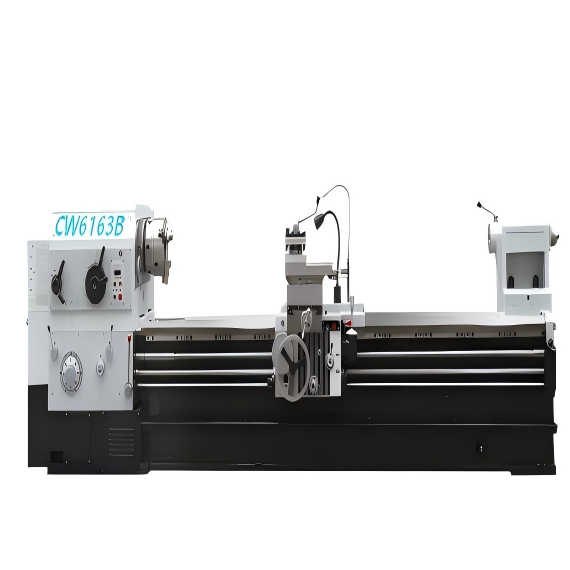
The conventional lathe has been a cornerstone in the metalworking industry for decades, especially when it comes to machining long shafts. This report aims to explore how the use of a conventional lathe can be optimized to enhance efficiency in the production of long shafts. By examining various aspects of the process, from setup to tooling and operational techniques, we will identify key strategies that can significantly improve productivity while maintaining high standards of quality.
One of the primary challenges in using a Conventional lathe for long shafts is the time required for setting up the machine. Efficient setup procedures are crucial as they directly impact the overall production cycle. To minimize setup times, it is essential to streamline the process through standardized procedures and the use of quick-change tooling systems. Additionally, employing advanced workholding solutions, such as hydraulic chucks or collets, can further reduce the time needed to secure the workpiece. These measures not only speed up the setup but also ensure consistent and accurate clamping, which is vital for maintaining dimensional tolerances over long lengths.
Another aspect to consider is the alignment of the workpiece. Proper alignment is critical to avoid deflection and ensure uniform cutting forces. Utilizing laser alignment tools or precision indicators can help achieve this, leading to more efficient and accurate machining. Furthermore, implementing a systematic approach to changeover processes, such as using checklists and standard operating procedures (SOPs), can help maintain consistency and reduce the likelihood of errors during setup.
The choice of tooling plays a significant role in the performance of a conventional lathe, particularly when working with long shafts. High-quality, durable cutting tools are essential to achieve consistent results and minimize downtime due to tool changes. Modern carbide and ceramic inserts offer excellent wear resistance and can handle the high cutting speeds and feeds required for efficient machining. Additionally, the use of coolant delivery systems, such as through-tool or high-pressure coolant, can enhance tool life and improve surface finish by reducing heat buildup and chip evacuation issues.
Another important consideration is the selection of the appropriate tool geometry. For long shafts, tools with positive rake angles and sharp cutting edges are preferred as they reduce cutting forces and minimize deflection. The use of multi-functional tools, such as grooving and threading tools, can also streamline the machining process by reducing the number of tool changes required. Implementing these advanced tooling techniques can lead to significant improvements in both productivity and part quality.
To maximize the efficiency of a conventional lathe for long shafts, it is essential to adopt effective operational strategies. One such strategy is the use of optimal cutting parameters. By carefully selecting the right combination of cutting speed, feed rate, and depth of cut, operators can achieve the best balance between productivity and tool life. This requires a thorough understanding of the material properties and the specific requirements of the job at hand. Conducting regular tests and monitoring the performance of the lathe can help fine-tune these parameters to achieve the desired outcomes.
Another key strategy is the implementation of in-process inspection and quality control measures. Real-time monitoring of the machining process, using sensors and data analytics, can help detect any deviations from the specified tolerances early on. This allows for immediate corrective actions, reducing the risk of producing defective parts and minimizing scrap rates. Additionally, incorporating automated measurement systems, such as CMMs (Coordinate Measuring Machines) or on-machine probing, can further enhance the accuracy and reliability of the machining process.
In conclusion, optimizing the use of a conventional lathe for long shafts involves a multifaceted approach that encompasses efficient setup, advanced tooling, and robust operational strategies. By focusing on these key areas, manufacturers can significantly enhance their productivity, maintain high levels of quality, and stay competitive in the ever-evolving manufacturing landscape.
 25/06/2026
The manufacturing industry is constantly seeking ways to improve the efficiency and accuracy of its processes. One area where significant advancements can be made is in the turning of long shafts using conventional lathes. This report explores how enhanci
Read More24/06/2026In the field of manufacturing, particularly in the production of long shafts, the conventional lathe continues to play an indispensable role. This tool, with its robust design and versatile capabilities, remains a cornerstone for many workshops and factor
Read More24/06/2026The conventional lathe has been a staple in the manufacturing industry for centuries, playing an essential role in the production of long shafts. This report aims to explore the significance of conventional lathes in the context of long shaft manufacturin
Read More23/06/2026When it comes to machining long shafts, a conventional lathe for long shaft offers a reliable and versatile solution. However, working with such components presents unique challenges that require advanced setups and techniques to ensure precision, efficie
Read More23/06/2026Choosing the right conventional lathe for long shaft production is a critical decision that can significantly impact the quality, efficiency, and cost-effectiveness of your manufacturing process. This technical report aims to guide you through the essenti
Read More23/06/2026In the realm of machining, working with long shafts on a conventional lathe presents unique challenges that require careful planning and execution. This report aims to provide practical advice for maximizing efficiency when using a conventional lathe on l
Read More23/06/2026IntroductionThe conventional lathe, a fundamental machine tool in the manufacturing industry, has been a cornerstone of precision machining for centuries. Its versatility and reliability have made it an indispensable asset, especially when it comes to the
Read More23/06/2026The machining of long shafts is a critical process in many industries, from automotive to aerospace. Achieving high precision and quality on conventional lathes for long shafts requires a deep understanding of the techniques and principles involved. This
Read More23/06/2026Understanding the Basics of Conventional Lathe for Long Shaft Machining In the realm of precision engineering, conventional lathes play a crucial role in manufacturing long shafts. A conventional lathe for long shaft is designed to handle workpieces that
Read More17/06/2026Introduction to the CW61 Series Universal Turning Lathe The CW61 series universal turning lathe is a versatile and reliable machine that has been widely used in various industries for its ability to handle a wide range of machining tasks. This article aim
Read More15/06/2026The application of conventional lathes for long shafts in engineering projects is a well-established practice, offering numerous advantages that make it an indispensable tool in the manufacturing industry. This report aims to provide a comprehensive under
Read More15/06/2026The CW61 series universal turning lathe, designed with precision and versatility in mind, has become an indispensable tool in modern workshops, particularly for the machining of long shafts. This technical report explores how the CW61 series not only meet
Read MoreOur professional sales team is always ready to assist you.