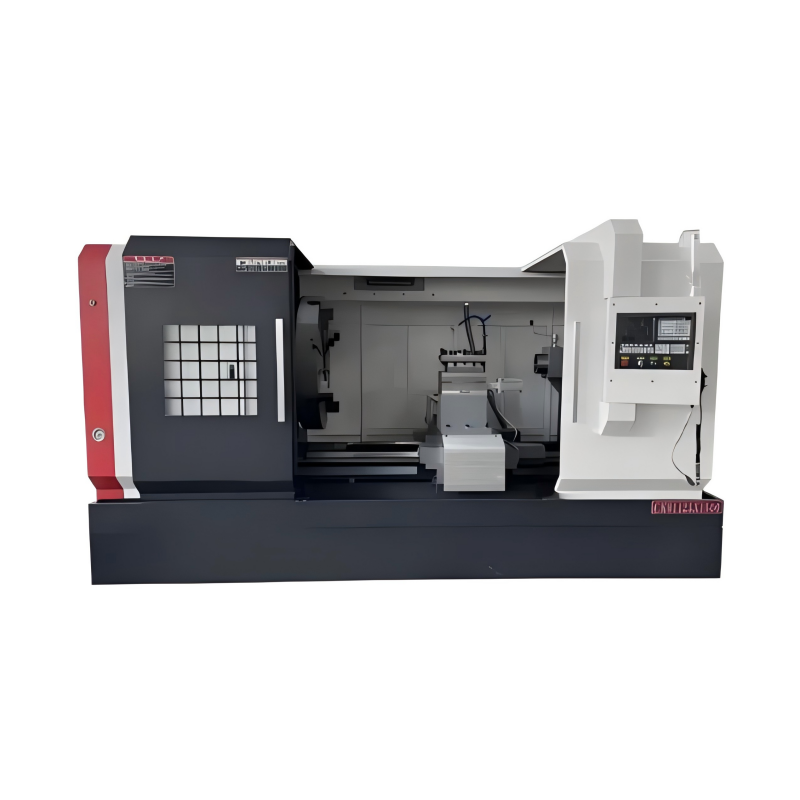
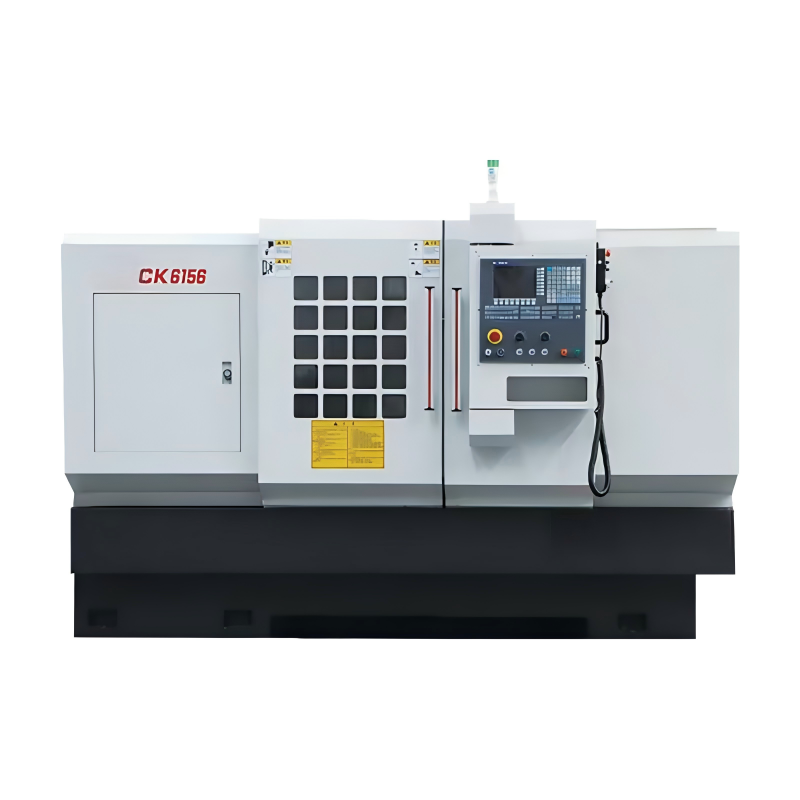
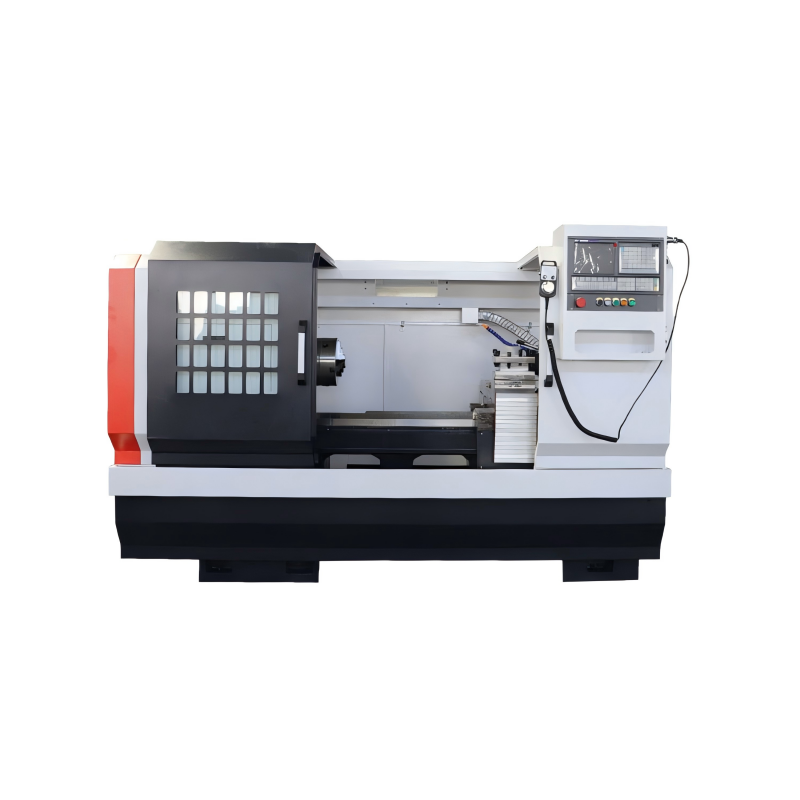
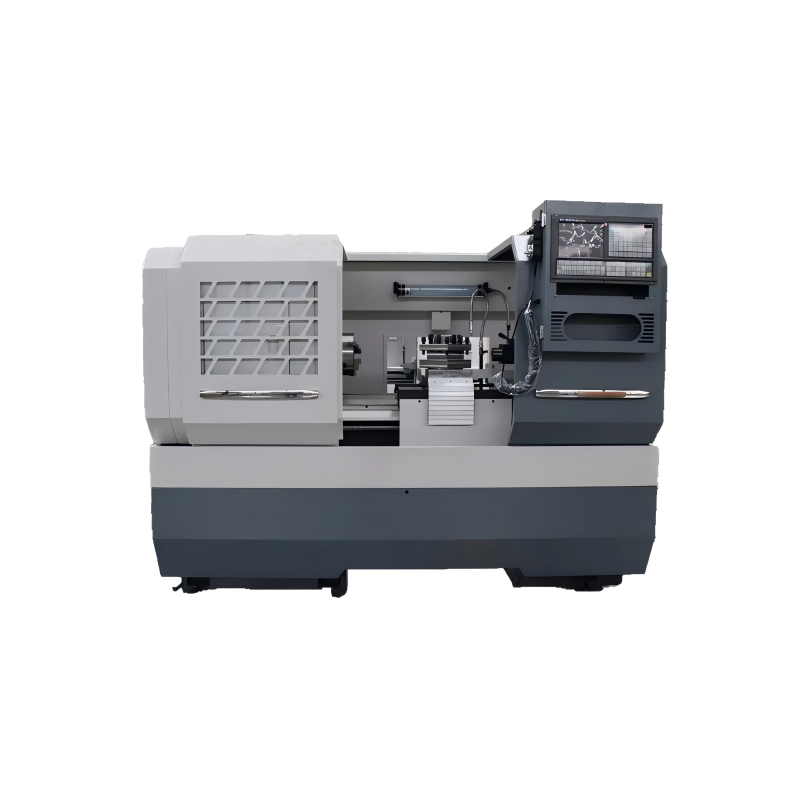
In the realm of precision machining, the introduction and evolution of Computer Numerical Control (CNC) lathes have significantly transformed manufacturing processes. Among these, 2 axis and 3 axis horizontal CNC Lathes from China stand out as essential tools for achieving high-precision components in various industries. This technical report explores how 3 axis horizontal CNC lathes, in particular, enhance precision machining, offering a detailed analysis of their capabilities, advantages, and applications.
The transition from 2 axis to 3 axis horizontal CNC lathes represents a significant leap in machining technology. While a 2 axis lathe can handle operations along two axes—typically the X (horizontal) and Z (vertical) axes—a 3 axis lathe adds an additional Y-axis, allowing for more complex and precise machining. This third axis enables the machine to perform operations that would otherwise require multiple setups or additional machines, thus reducing production time and increasing accuracy. The inclusion of the Y-axis allows for off-center drilling, milling, and tapping, which are critical for producing intricate parts with tight tolerances. In the context of 3 axis horizontal CNC lathes from China, this capability is particularly valuable in industries such as automotive, aerospace, and medical devices, where precision and consistency are paramount.
One of the primary advantages of 3 axis horizontal CNC lathes is their ability to increase efficiency and productivity. These machines can perform a wide range of operations in a single setup, eliminating the need for multiple machines and reducing the time required for tool changes and part repositioning. This streamlined process not only saves time but also minimizes the risk of errors that can occur during manual handling. For example, in the production of complex engine components, a 3 axis lathe can complete all necessary operations, including turning, facing, grooving, and threading, without the need to move the part to another machine. This continuous operation ensures that the final product meets the required specifications with minimal human intervention, leading to higher throughput and lower production costs.
Another key benefit of 3 axis horizontal CNC lathes is their ability to produce superior surface finishes and overall part quality. The precision control offered by these machines allows for consistent and accurate cutting, resulting in smoother surfaces and tighter tolerances. This is particularly important in applications where the surface finish can affect the performance and longevity of the part. For instance, in the manufacturing of hydraulic components, a smooth surface finish is crucial to ensure proper sealing and prevent leaks. The 3 axis horizontal CNC lathe's ability to maintain consistent feed rates and spindle speeds, combined with advanced tooling, results in parts that meet or exceed industry standards. Additionally, the use of high-quality materials and advanced coatings on the cutting tools further enhances the durability and performance of the finished products.
3 axis horizontal CNC lathes offer a high degree of flexibility and versatility, making them suitable for a wide range of machining operations. These machines can handle a variety of materials, including metals, plastics, and composites, and can be programmed to perform a multitude of tasks, from simple turning to complex multi-step operations. The ability to program and store multiple jobs means that the machine can quickly switch between different tasks, making it ideal for both small-batch and large-scale production. Furthermore, the integration of advanced software and control systems allows for real-time monitoring and adjustments, ensuring that the machine operates at optimal efficiency. This flexibility is especially beneficial in industries that require frequent changes in production, such as the electronics and consumer goods sectors, where 3 axis horizontal CNC lathes from China have gained significant traction.
While the initial investment in a 3 axis horizontal CNC lathe may be higher than that of a 2 axis lathe, the long-term benefits in terms of cost savings and improved quality make it a worthwhile investment. The increased efficiency and reduced production time lead to lower labor costs and faster turnaround times, which can significantly impact the bottom line. Additionally, the ability to produce high-quality parts with fewer defects reduces scrap rates and rework, further contributing to cost savings. In the competitive global market, manufacturers in China have been able to leverage the capabilities of 3 axis horizontal CNC lathes to offer high-quality products at competitive prices, making them a preferred choice for many international buyers. The combination of advanced technology, skilled labor, and efficient production processes has positioned China as a leading supplier of 3 axis horizontal CNC lathes, meeting the demands of a diverse range of industries.
In conclusion, 3 axis horizontal CNC lathes from China have revolutionized precision machining by offering enhanced capabilities, increased efficiency, improved surface finish, and greater flexibility. These machines are essential for manufacturers looking to produce high-quality components with tight tolerances, and they provide a cost-effective solution for a wide range of applications. As technology continues to advance, the role of 3 axis horizontal CNC lathes in precision machining will only become more significant, driving innovation and excellence in manufacturing.
 15/06/2026
In the realm of precision manufacturing, the selection of the right CNC lathe is crucial for achieving high-quality output and operational efficiency. This guide delves into the specifics of choosing a 2-axis horizontal CNC lathe, with insights that can b
Read More15/06/2026As the global manufacturing landscape continues to evolve, so too does the technology that underpins it. One area where significant advancements have been made is in the development of 3 axis CNC lathes, with Chinese manufacturers leading the way in innov
Read More15/06/2026In recent years, China has emerged as a global leader in manufacturing, with CNC (Computer Numerical Control) technology playing a pivotal role in this transformation. Among the various types of CNC machines, the 2 axis and 3 axis horizontal CNC lathes ha
Read More15/06/2026In the ever-evolving landscape of modern manufacturing, precision and efficiency are paramount. The introduction of Computer Numerical Control (CNC) lathes has revolutionized the way parts and components are machined. Among these, the 2-axis horizontal CN
Read More15/06/2026As the global manufacturing industry continues to evolve, the demand for high-precision and efficient machining solutions has never been higher. Among these, 3 axis horizontal CNC lathes from China have emerged as a popular choice for manufacturers worldw
Read More15/06/2026Introduction to 2 Axis CNC Lathes in China's Manufacturing Sector The manufacturing industry, particularly in China, has seen a significant shift towards automation and precision engineering. One of the key machines driving this transformation is the 2 ax
Read More15/06/2026The evolution of machining technology has been marked by significant advancements, with the development of 3 axis horizontal CNC lathes being a pivotal milestone. These machines, which are increasingly being manufactured in China, represent a new era in p
Read More15/06/2026In the realm of high-volume manufacturing, selecting the right CNC (Computer Numerical Control) lathe is crucial for achieving efficiency, precision, and cost-effectiveness. This technical report focuses on the key features to look for in a 2 axis CNC lat
Read More15/06/2026China, a global leader in manufacturing, has been at the forefront of developing advanced machinery that boosts productivity and efficiency. One such innovation is the 3 axis horizontal CNC lathe, which offers significant advantages over its 2 axis counte
Read More15/06/2026In the evolving landscape of small-scale production, the integration of advanced machinery has become a necessity for businesses aiming to remain competitive. One such piece of equipment that stands out in this context is the 2 axis CNC lathe, which, alon
Read More15/06/2026In recent years, the advancements in 3 axis horizontal CNC lathe technology from China have significantly influenced the global manufacturing landscape. This report delves into the latest innovations and their implications for the industry, highlighting k
Read More15/06/2026Choosing the right 2 axis CNC lathe for your manufacturing needs is a critical decision that can significantly impact the efficiency and quality of your production processes. In this comprehensive guide, we will explore the key factors to consider when se
Read More15/06/2026In the realm of precision engineering, the adoption and application of advanced machinery play a crucial role in achieving high levels of accuracy and efficiency. One such piece of equipment that has revolutionized the manufacturing industry is the 3 axis
Read More14/06/2026With the rapid development of modern manufacturing, CNC (Computer Numerical Control) lathes have become an indispensable part of the industry. Among these, 2-axis and 3-axis horizontal CNC lathes from China have gained significant attention due to their v
Read MoreOur professional sales team is always ready to assist you.