Understanding the Basics of Two-Axis CNC Lathes
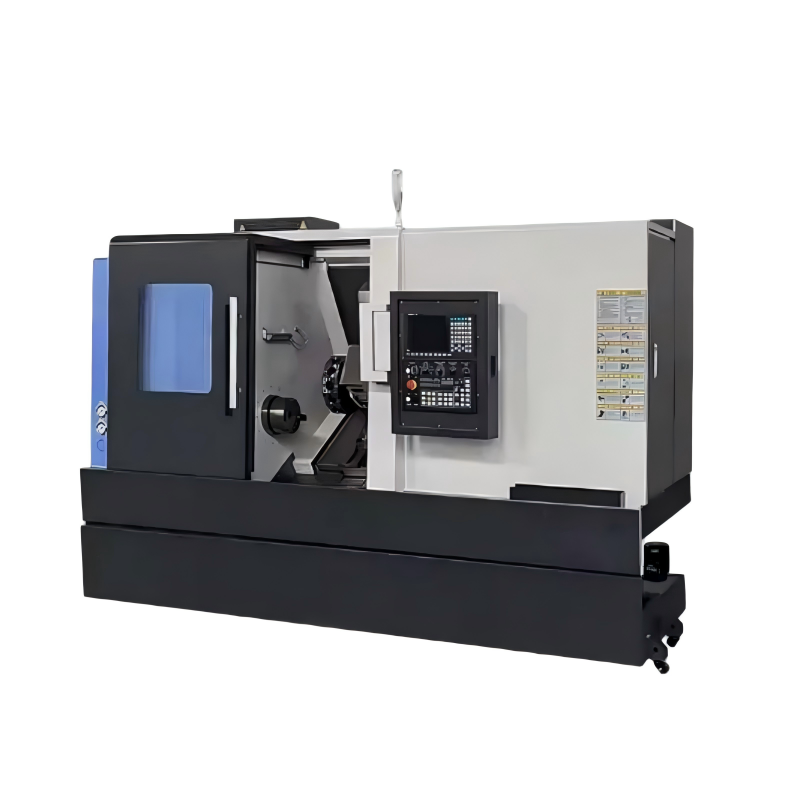
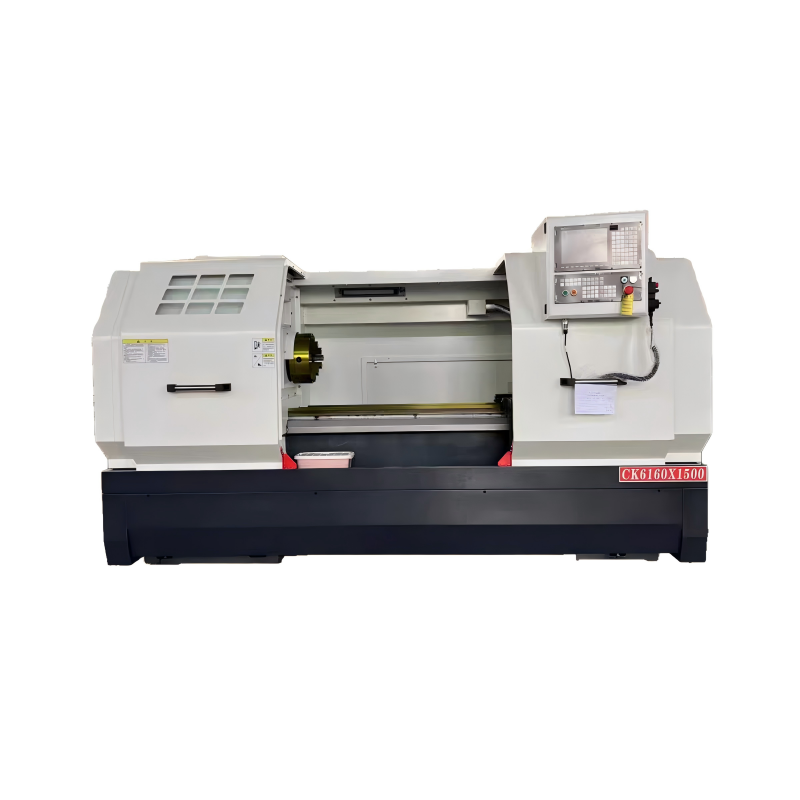
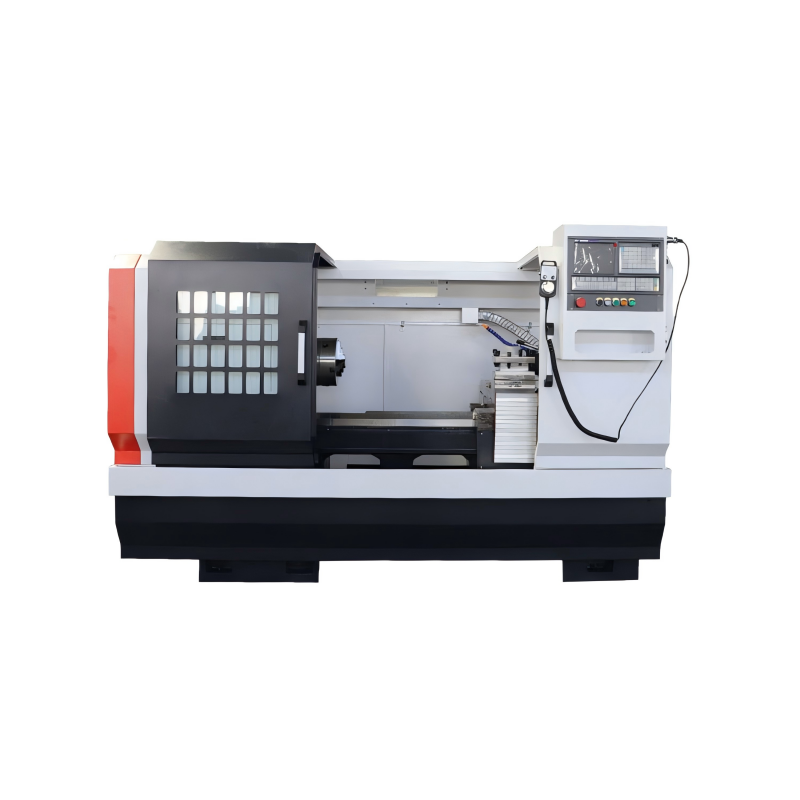
The two-axis CNC (Computer Numerical Control) lathe is a versatile machine used in manufacturing for turning and shaping metal or plastic parts. It operates on two axes: X, which controls the horizontal movement, and Z, which controls the longitudinal movement. This setup allows for precise control over the cutting process, making it ideal for producing cylindrical components with high accuracy.
Two-axis CNC Lathes are widely used in various industries, including automotive, aerospace, and medical device manufacturing, due to their ability to produce complex geometries with tight tolerances. Understanding the advantages and limitations of this technology is crucial for manufacturers looking to optimize their production processes.
Enhanced Precision and Consistency
One of the primary advantages of using a Two-Axis CNC Lathe is the enhanced precision and consistency it offers. The CNC system allows for precise control over the cutting tool's position and speed, ensuring that each part produced is identical to the last. This level of accuracy is particularly important in industries where even the slightest deviation can lead to significant performance issues.
Additionally, the use of advanced software and programming techniques enables the creation of complex profiles and intricate designs that would be difficult or impossible to achieve with manual lathes. This capability not only improves the quality of the final product but also reduces the need for post-processing, such as grinding or polishing, thereby saving time and reducing costs.
Increased Productivity and Efficiency
Two-axis CNC lathes significantly enhance productivity and efficiency in the manufacturing process. The automation provided by the CNC system allows for continuous operation with minimal human intervention, reducing the likelihood of errors and increasing the overall throughput. This is particularly beneficial for large-scale production runs, where maintaining a high output rate is essential.
Furthermore, the ability to program multiple operations into a single setup means that a single machine can perform a series of tasks without the need for frequent tool changes or repositioning. This not only speeds up the production process but also minimizes the risk of misalignment and other errors that can occur during manual setups.
Limitations in Complex Geometries
While two-axis CNC lathes excel in producing cylindrical and simple geometries, they have limitations when it comes to more complex shapes. The two-axis configuration restricts the machine's ability to create features that require additional axes, such as undercuts, off-center holes, or intricate surface details. In such cases, a multi-axis CNC lathe or a combination of different machines may be necessary to achieve the desired results.
However, for many applications, the two-axis CNC lathe provides a cost-effective solution that balances functionality and complexity. Manufacturers often choose this type of machine for its simplicity and reliability, especially when the required geometries do not demand the additional capabilities of a multi-axis system.
Initial Investment and Maintenance Costs
Another limitation of two-axis CNC lathes is the initial investment and ongoing maintenance costs. While these machines offer long-term benefits in terms of precision and efficiency, the upfront cost can be substantial, especially for small- to medium-sized enterprises. Additionally, the need for regular maintenance, including software updates, lubrication, and calibration, can add to the overall operational expenses.
However, the return on investment (ROI) for a two-axis CNC lathe can be significant, particularly in high-volume production environments. The increased productivity, reduced waste, and improved quality can offset the initial and maintenance costs over time. Moreover, the availability of financing options and leasing agreements can make the acquisition of a two-axis CNC lathe more accessible to a broader range of businesses.
Conclusion
In summary, the two-axis CNC lathe is a powerful and versatile tool for modern manufacturing. Its ability to deliver high precision and consistency, along with increased productivity and efficiency, makes it an attractive option for many industries. However, it is important to consider the limitations in handling complex geometries and the associated costs of acquisition and maintenance. By carefully evaluating these factors, manufacturers can determine whether a two-axis CNC lathe is the right choice for their specific needs and applications.
 25/06/2026



