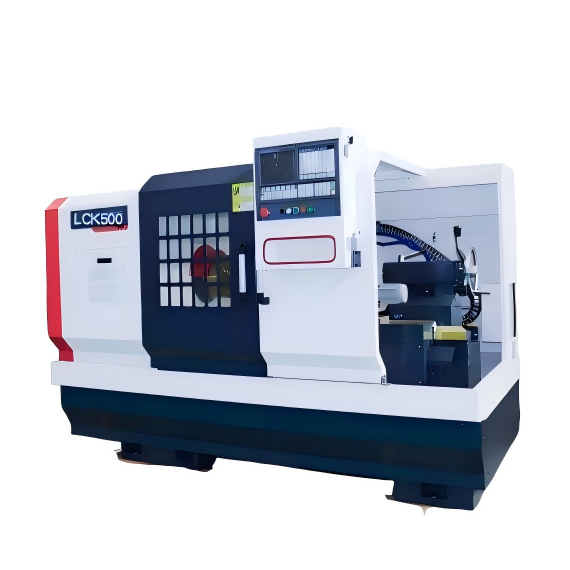
A Two-Axis CNC Lathe is an essential piece of equipment for many manufacturing processes, offering precision and efficiency in the production of cylindrical parts. This type of lathe operates on two primary axes - X (horizontal) and Z (vertical), allowing it to perform a wide range of operations including turning, threading, and facing. When selecting a high-quality Two-Axis CNC Lathe, several key features stand out as crucial for achieving optimal performance and longevity. In this technical report, we will explore these features, emphasizing their importance in enhancing both the quality and productivity of your machining projects.
Material Compatibility and Workpiece Capacity
The ability of a Two-Axis CNC Lathe to handle various materials efficiently is one of its most critical attributes. High-quality lathes are designed to work with a broad spectrum of materials, from soft metals like aluminum to harder alloys such as stainless steel. It's important that the machine can maintain its accuracy and cutting speed across different material types. Additionally, the maximum size and weight of the workpieces that the lathe can accommodate play a significant role in determining its suitability for specific applications. A versatile lathe should be capable of handling larger and heavier pieces without compromising on precision or stability during operation. Prospective buyers need to carefully assess their project requirements against the lathe’s specifications to ensure compatibility.
Accuracy and Precision Control Systems
One of the hallmarks of a superior Two-Axis CNC Lathe is its level of accuracy and precision, which directly impacts the final product's quality. Modern CNC lathes employ advanced control systems, often featuring high-resolution encoders and servo motors, to achieve micro-level adjustments and maintain consistent tool paths. The inclusion of thermal compensation technologies further enhances the machine's ability to counteract temperature-induced variations, ensuring stable performance over extended periods. Moreover, the use of rigid, vibration-dampening construction materials and designs contributes significantly to maintaining tight tolerances, even under heavy loads. Evaluating the manufacturer's stated accuracy levels, along with any third-party certifications or test results, provides valuable insights into the machine's real-world capabilities.
User Interface and Software Capabilities
An intuitive user interface and powerful software support are indispensable for maximizing the potential of a Two-Axis CNC Lathe. Today's top-tier machines come equipped with touch-screen interfaces, graphical displays, and easy-to-navigate menus, making setup and operation more accessible, even for less experienced operators. Advanced CAM (Computer-Aided Manufacturing) software allows for the creation of complex geometries and the simulation of machining processes before actual production begins, reducing errors and waste. Features such as automatic tool changers, integrated probing systems, and adaptive control algorithms not only boost productivity but also extend the life of the machine by minimizing wear and tear through optimized tool usage. When evaluating different models, pay close attention to the software's ease of use, compatibility with existing CAD/CAM packages, and the availability of ongoing support and updates from the manufacturer.
Maintenance and Reliability Considerations
Reliability and ease of maintenance are key factors in choosing a Two-Axis CNC Lathe that will provide years of trouble-free service. Look for machines built using high-grade components and robust design principles, which minimize the risk of mechanical failures. Regular maintenance, including lubrication, cleaning, and inspection, is necessary to keep the lathe running smoothly. Manufacturers who offer comprehensive service plans, readily available spare parts, and responsive customer support can greatly enhance the overall ownership experience. Furthermore, lathes with self-diagnostic capabilities and remote monitoring options allow for proactive maintenance, helping to prevent unexpected downtime and costly repairs. By prioritizing these aspects, you can ensure that your investment in a Two-Axis CNC Lathe remains productive and efficient over the long term.
In conclusion, when looking to invest in a high-quality Two-Axis CNC Lathe, focusing on material compatibility, accuracy, user-friendly controls, and reliability will help you make an informed decision. Each of these areas plays a vital role in determining the effectiveness and versatility of the machine, ultimately impacting the success of your manufacturing endeavors. Carefully considering these features alongside your specific needs and budget constraints will lead to the selection of a lathe that delivers exceptional performance and value.

 25/06/2026



