Industrial lathe machines have been a cornerstone of manufacturing processes for centuries, evolving from simple hand-operated devices to sophisticated, automated systems. In today's fast-paced industrial landscape, the transition towards automation is not just a trend but a necessity for businesses aiming to stay competitive. This report explores how automated industrial lathe machines are revolutionizing productivity, precision, and efficiency in modern manufacturing environments.
Streamlining Operations through Automation
The introduction of automation into industrial lathe machine operations marks a significant step forward in streamlining production processes. By automating repetitive tasks, these advanced machines reduce the need for manual labor, which in turn minimizes human error, enhances consistency, and allows for 24/7 operation. Automated industrial lathe machines can be programmed to perform complex sequences of operations with high accuracy, ensuring that each part produced meets stringent quality standards. Moreover, the ability to run continuously without breaks or shifts means that output levels can be significantly increased, leading to higher overall productivity.
Enhancing Precision and Quality
Precision is paramount in many industries, especially those involving the manufacture of intricate components where even the slightest deviation can lead to failure. Automated industrial lathe machines offer unprecedented levels of precision thanks to their advanced control systems and sensors. These technologies enable the machines to make real-time adjustments during the machining process, compensating for any variations in material properties or environmental conditions. The result is a consistently high-quality finish on every piece, reducing waste and rework. Additionally, the use of computer-aided design (CAD) software in conjunction with these machines allows for more complex and precise designs to be realized, opening up new possibilities for innovation within the manufacturing sector.
Cost Efficiency and Return on Investment
While the initial investment in an automated industrial lathe machine may be higher than that of its manual counterpart, the long-term benefits far outweigh the costs. Over time, these machines deliver substantial savings by increasing throughput, decreasing scrap rates, and lowering labor costs. Furthermore, they require less maintenance compared to traditional lathes due to fewer moving parts and improved wear resistance. This reduction in downtime contributes to a faster return on investment. It's also worth noting that as technology continues to advance, the cost of implementing automation solutions is gradually decreasing, making it a more accessible option for businesses of all sizes.
Flexibility and Adaptability in Manufacturing
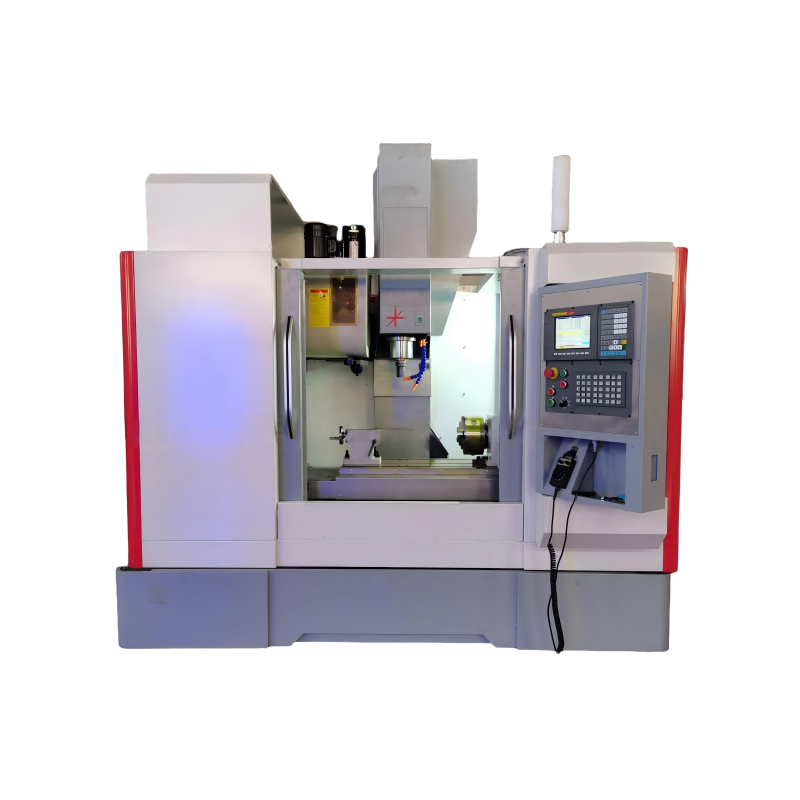
One of the most compelling advantages of automated industrial lathe machines is their flexibility and adaptability. Modern CNC (Computer Numerical Control) lathes can easily switch between different tasks and product types, allowing manufacturers to respond quickly to changing market demands. This versatility is particularly valuable in industries characterized by short product lifecycles or frequent design changes. With minimal setup time required for switching jobs, companies can efficiently manage small batch sizes and customized orders, thereby enhancing customer satisfaction and securing a competitive edge in the marketplace.
Safety Improvements in the Workplace
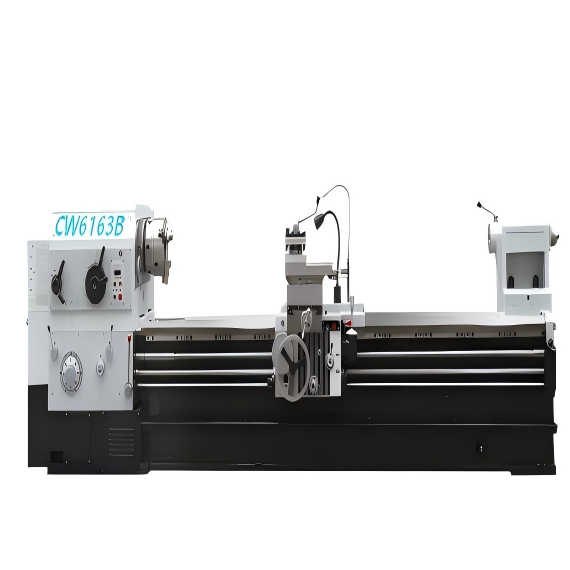
Automated industrial lathe machines contribute significantly to improving workplace safety. Traditional manual lathes pose risks such as entanglement, cuts, and other injuries when operators come into close contact with moving parts. By removing the need for direct human interaction with the machinery, automated systems greatly reduce the likelihood of accidents. Additionally, many of these machines incorporate safety features like emergency stop buttons, protective barriers, and automatic shut-off mechanisms, further safeguarding workers. A safer working environment not only protects employees but also reduces liability and insurance costs for the business.
In conclusion, the adoption of automated industrial lathe machines represents a transformative shift in manufacturing, offering enhanced productivity, superior quality, cost savings, greater flexibility, and improved safety. As technological advancements continue to drive innovation in this field, we can expect to see even more impressive capabilities and efficiencies in the future. For companies looking to remain at the forefront of their industry, investing in automation is no longer an option but a strategic imperative.

 25/06/2026



