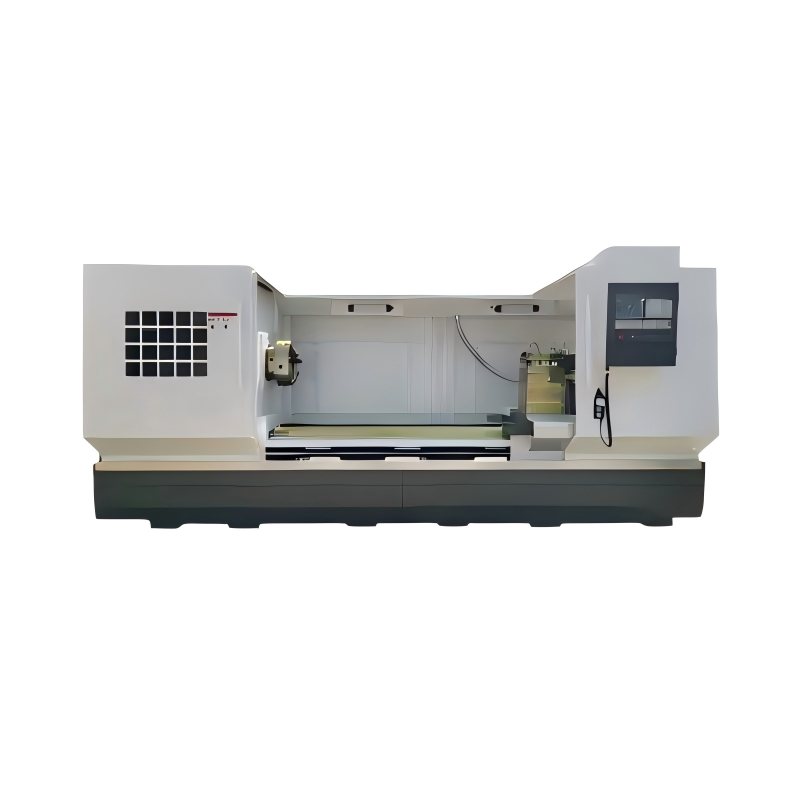
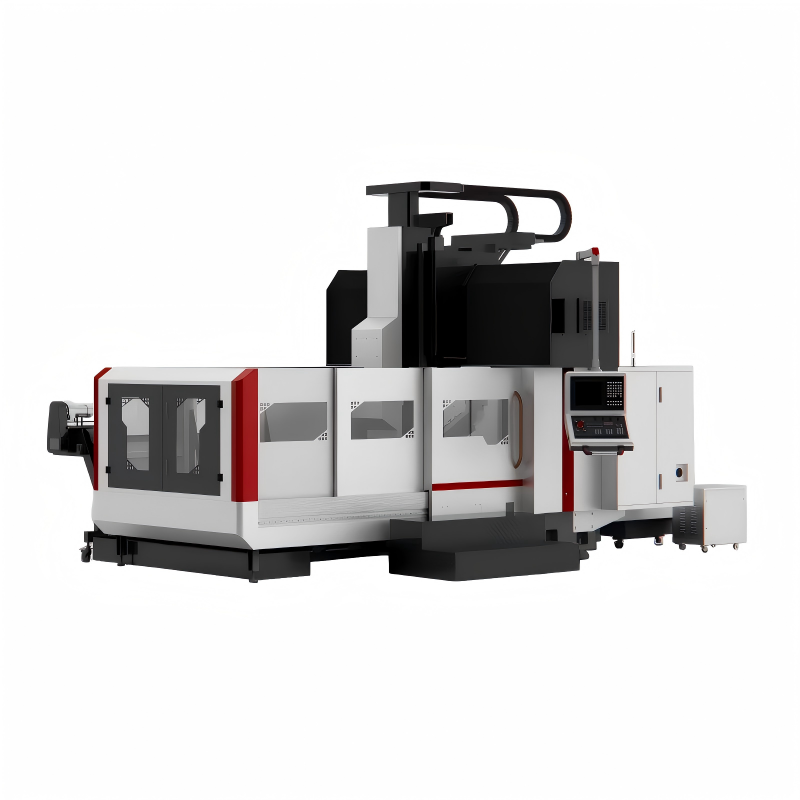
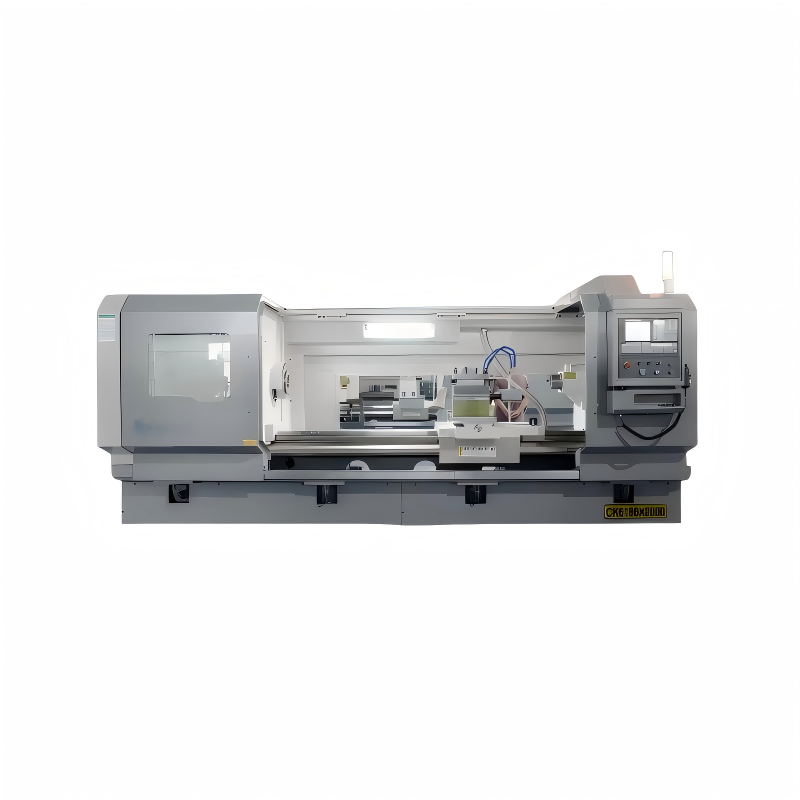
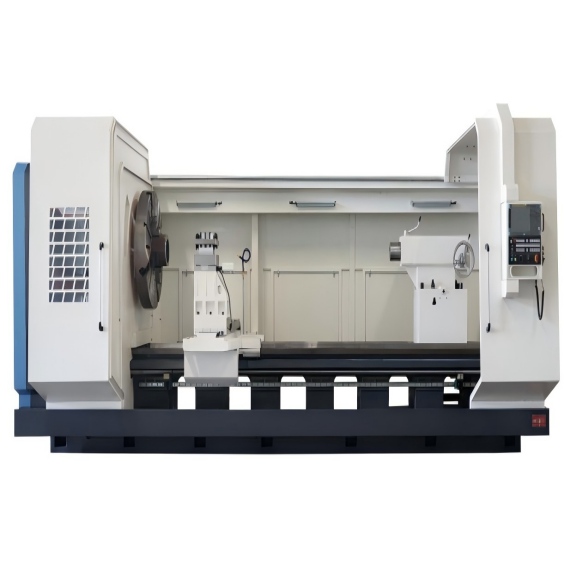
The evolution of industrial lathe machines has been a significant driving force behind the advancement of manufacturing processes, enabling more precise, efficient, and versatile production capabilities. This report delves into the historical development of these critical tools, their technological advancements, and the profound impact they have had on various industries.
The origins of the lathe can be traced back to ancient Egypt, where simple lathes were used for woodworking. However, it was not until the Industrial Revolution that the lathe machine truly began to evolve. The introduction of steam power in the 18th century marked a turning point, as it allowed for the mechanization of lathes, increasing their speed and precision. By the 19th century, the invention of the slide rest by Henry Maudslay further revolutionized the lathe, making it possible to perform more complex operations with greater accuracy.
As the 20th century dawned, the advent of electricity and the development of new materials such as steel and aluminum led to even more advanced industrial lathe machines. The integration of electric motors provided consistent and reliable power, while the use of hardened and ground steel in the construction of lathes improved their durability and performance. These advancements laid the foundation for the modern industrial lathe machine, which is now a cornerstone of manufacturing across multiple sectors.
The 21st century has seen a rapid acceleration in the technological sophistication of industrial lathe machines. One of the most significant developments is the integration of computer numerical control (CNC) systems. CNC Lathes are capable of performing highly complex and precise operations, guided by pre-programmed instructions. This automation not only enhances the accuracy and repeatability of the machining process but also significantly reduces the need for manual intervention, thereby increasing productivity and reducing labor costs.
Another notable advancement is the use of advanced materials and coatings. Modern industrial lathe machines often feature cutting tools made from high-performance materials such as tungsten carbide, ceramic, and polycrystalline diamond (PCD). These materials offer superior wear resistance and thermal stability, allowing for higher cutting speeds and longer tool life. Additionally, the application of advanced coatings, such as titanium nitride (TiN) and chromium nitride (CrN), further enhances the performance and durability of cutting tools.
Furthermore, the integration of real-time monitoring and data analytics has become increasingly common in modern industrial lathe machines. Sensors and IoT (Internet of Things) devices are used to collect data on various parameters such as temperature, vibration, and tool wear. This data is then analyzed to optimize the machining process, predict maintenance needs, and ensure consistent quality. The result is a more efficient and cost-effective manufacturing operation.
The evolution of industrial lathe machines has had a transformative impact on the manufacturing industry. One of the key benefits is the ability to produce parts with extremely tight tolerances and high surface finishes. This level of precision is crucial in industries such as aerospace, automotive, and medical devices, where the performance and reliability of components are paramount. For example, in the aerospace industry, the ability to manufacture highly accurate and lightweight components is essential for improving fuel efficiency and overall performance.
Moreover, the versatility of modern industrial lathe machines has enabled manufacturers to handle a wide range of materials and part geometries. From soft metals like aluminum to hard materials like stainless steel and titanium, these machines can adapt to various applications. This flexibility allows manufacturers to diversify their product offerings and respond quickly to changing market demands. In the automotive industry, for instance, the ability to produce a variety of components with different specifications and materials is critical for meeting the diverse needs of vehicle manufacturers.
Finally, the increased efficiency and reduced labor costs associated with modern industrial lathe machines have contributed to the competitiveness of manufacturing operations. By automating repetitive and time-consuming tasks, these machines free up human operators to focus on more value-added activities such as quality control and process optimization. This not only improves the overall efficiency of the manufacturing process but also helps to reduce operational costs, making it easier for companies to stay competitive in a global market.
In conclusion, the evolution of industrial lathe machines has been a pivotal factor in the advancement of manufacturing technologies. From the early days of hand-operated lathes to the sophisticated CNC machines of today, each stage of development has brought about significant improvements in precision, efficiency, and versatility. The ongoing integration of advanced materials, automation, and data analytics continues to drive innovation, ensuring that industrial lathe machines remain at the forefront of manufacturing excellence.
 25/06/2026
The Emergence and Early Development of Industrial Lathe MachinesIn the annals of manufacturing history, the industrial lathe machine has been a cornerstone in the evolution of precision engineering. Its origins can be traced back to ancient civilizations
Read More25/06/2026Industrial lathe machines have been a cornerstone of manufacturing processes for centuries, evolving from simple hand-operated devices to sophisticated, automated systems. In today's fast-paced industrial landscape, the transition towards automation is no
Read More25/06/2026Understanding the Basics of an Industrial Lathe MachineAn industrial lathe machine is a fundamental tool in the manufacturing industry, used for shaping materials by rotating them against a cutting tool. This process, known as turning, can create complex
Read More24/06/2026Industrial lathe machines play a crucial role in manufacturing processes, providing the precision and efficiency needed for turning, facing, and threading operations. Proper maintenance of these machines is essential to ensure their longevity, performance
Read More24/06/2026The industrial lathe machine stands as a cornerstone in the world of manufacturing, playing an indispensable role in shaping materials with precision and efficiency. As technology advances, so too does the potential for optimizing these machines to delive
Read More24/06/2026IntroductionSelecting the right industrial lathe machine is a critical decision for any workshop, as it directly impacts productivity, precision, and overall efficiency. An industrial lathe machine is an essential tool in manufacturing, capable of perform
Read More23/06/2026The industrial lathe machine has long been a cornerstone of manufacturing, providing the precision and versatility needed to shape materials into intricate parts. As technology advances, these machines continue to evolve, incorporating new features that e
Read More23/06/2026Industrial Lathe Machines play a crucial role in the manufacturing industry, particularly when it comes to creating cylindrical parts with high precision. The importance of precision cannot be overstated, as even the slightest deviation can result in subs
Read More23/06/2026Industrial lathe machines are essential tools in the manufacturing and engineering sectors, playing a crucial role in shaping and machining various materials. These machines are designed to rotate a workpiece on its axis to perform operations such as cutt
Read More23/06/2026In the realm of modern manufacturing, the Industrial Lathe Machine stands as a cornerstone, enabling precise and efficient production processes. This versatile tool has evolved significantly over the years, adapting to the changing demands of the industry
Read MoreOur professional sales team is always ready to assist you.