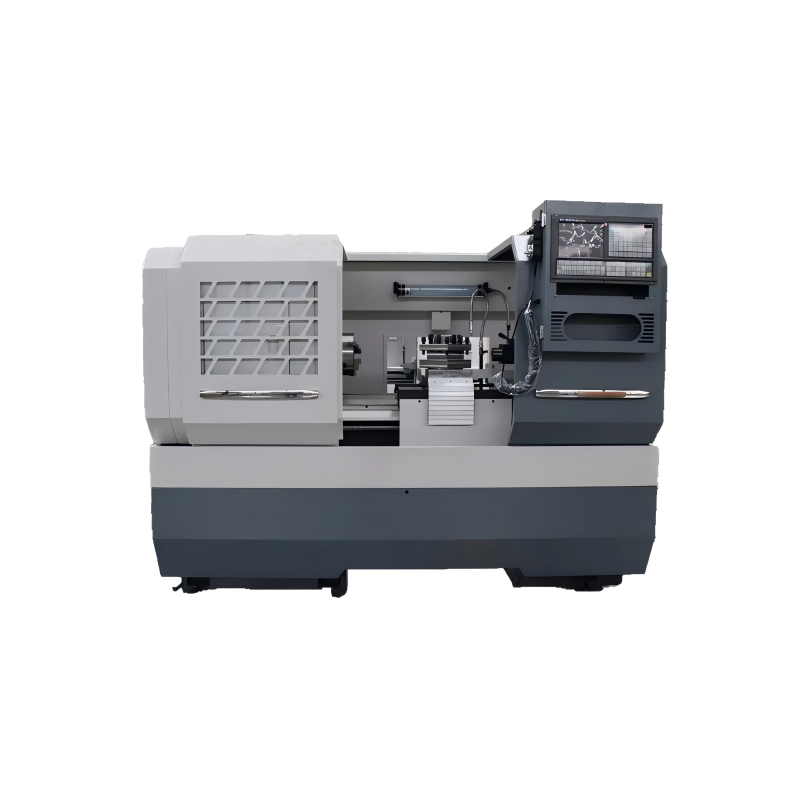
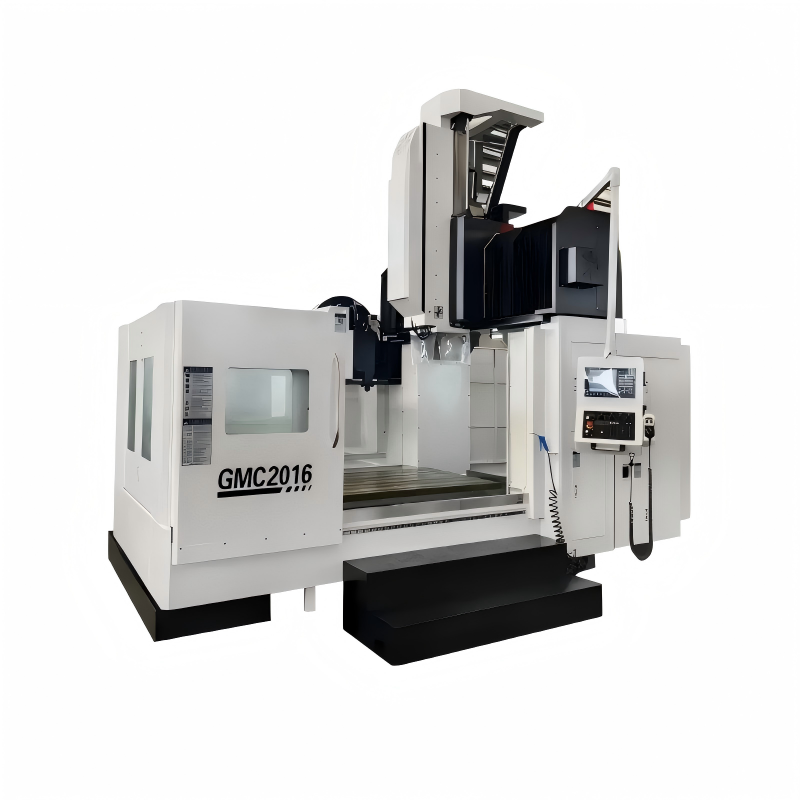
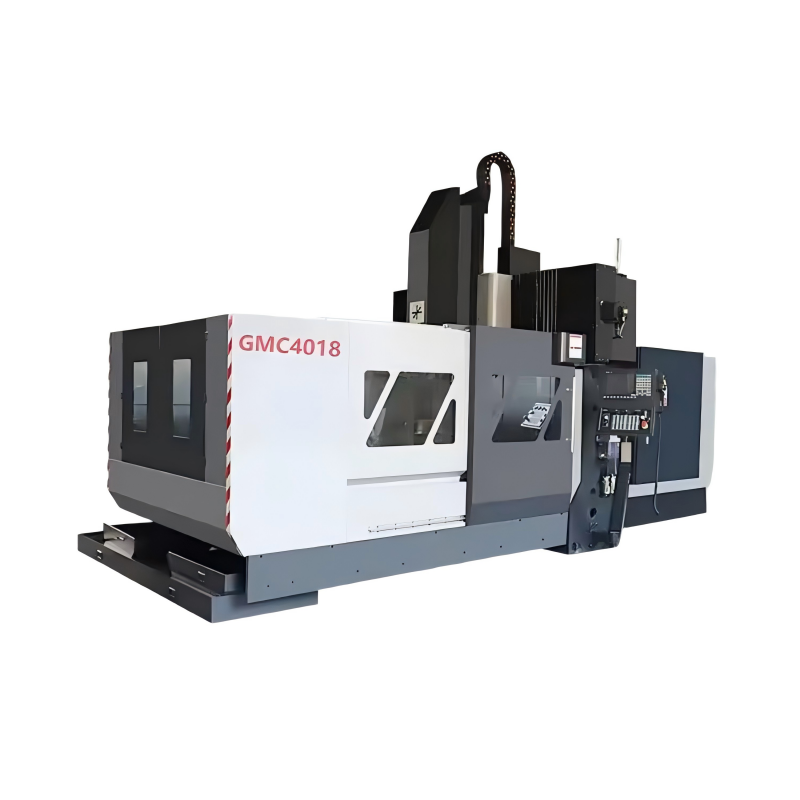
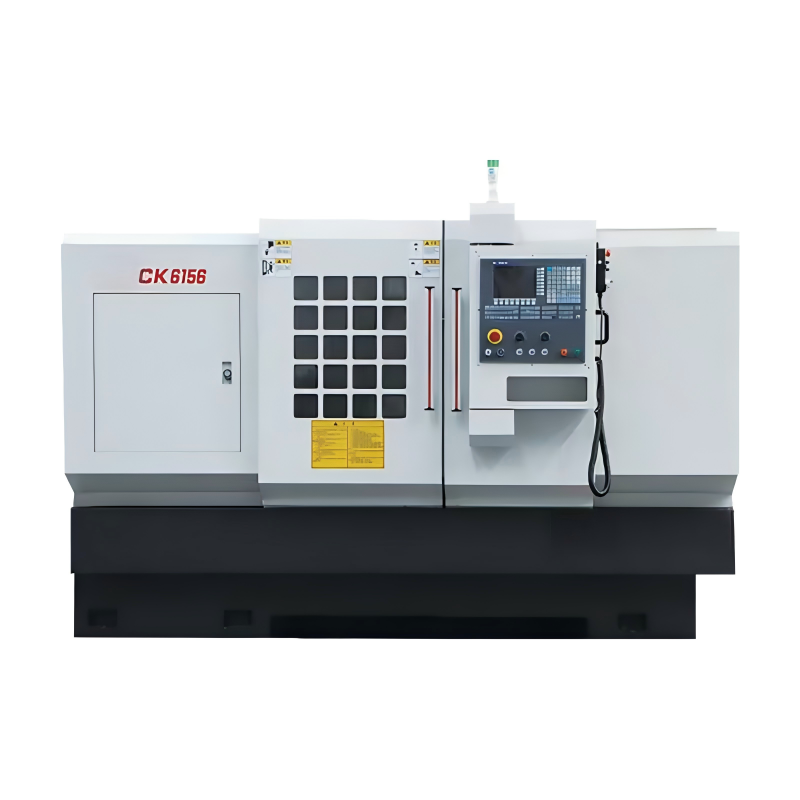
An industrial lathe machine is a fundamental tool in the manufacturing industry, used for shaping materials by rotating them against a cutting tool. This process, known as turning, can create complex shapes and precise dimensions, making lathes indispensable in various applications from automotive parts to artistic creations. For beginners, understanding the basic components and operations of a lathe is crucial before delving into more advanced techniques. The primary elements include the headstock, which holds the workpiece; the tailstock, providing additional support; and the carriage, housing the cutting tools. Familiarizing oneself with these parts not only enhances safety but also improves efficiency and accuracy in the machining process.
Safety should always be a top priority when operating any machinery, including an industrial lathe machine. One of the first steps towards ensuring a safe working environment is wearing appropriate personal protective equipment (PPE), such as safety glasses, ear protection, and non-slip shoes. Additionally, it's important to keep the work area clean and free of clutter to prevent accidents. Regular maintenance of the lathe, including lubrication and inspection of all moving parts, is another critical aspect of safety. Beginners must also learn how to properly secure the workpiece to avoid it coming loose during operation, which could lead to serious injury or damage to the machine. Lastly, never operate the lathe without fully understanding its controls and functions, and always follow the manufacturer’s guidelines for safe use.
The choice of cutting tools significantly impacts the outcome of your project on an industrial lathe machine. There are several types of cutting tools available, each designed for specific tasks. High-speed steel (HSS) tools, for example, are versatile and suitable for a wide range of materials, while carbide-tipped tools offer superior hardness and wear resistance, ideal for harder materials like stainless steel. Selecting the right tool involves considering factors such as the material being machined, the desired finish, and the type of cut required. It's also essential to ensure that the cutting tool is properly sharpened and securely mounted in the tool holder. Proper selection and maintenance of cutting tools not only enhance the quality of the final product but also prolong the lifespan of both the tools and the lathe itself. Beginners should start with basic HSS tools and gradually experiment with more specialized options as they gain experience and confidence in their skills.
One of the key factors in achieving optimal performance with an industrial lathe machine is mastering the correct speed and feed rates. The speed at which the workpiece rotates, known as the spindle speed, and the rate at which the cutting tool moves, called the feed rate, directly affect the quality of the cut and the overall efficiency of the machining process. For beginners, it's important to start with conservative settings and gradually adjust based on the material and the desired finish. Generally, softer materials require higher speeds and lower feeds, while harder materials benefit from lower speeds and higher feeds. Experimenting with different combinations and documenting the results can help in developing a better understanding of how these variables interact. Additionally, modern lathes often come equipped with programmable settings, allowing for more precise control over the machining parameters. By carefully adjusting and monitoring these settings, operators can achieve consistent, high-quality results and minimize the risk of tool breakage or workpiece damage.
As beginners gain more experience with an industrial lathe machine, they can start exploring advanced techniques to increase precision and efficiency. One such technique is threading, which involves creating a helical ridge (or thread) around the circumference of a cylindrical workpiece. Threading requires careful setup and precise control over the lathe's speed and feed rates. Another advanced method is taper turning, where the diameter of the workpiece changes uniformly along its length. This technique is commonly used in the production of shafts, cones, and other tapered components. Utilizing accessories like digital readouts (DROs) and live tooling can further enhance the capabilities of the lathe, allowing for more complex and accurate machining. DROs provide real-time feedback on the position of the cutting tool, while live tooling enables the lathe to perform milling and drilling operations in addition to turning. By mastering these advanced techniques and leveraging the latest technology, operators can take their machining skills to the next level and tackle a wider range of projects with greater confidence and precision.
 25/06/2026
The Emergence and Early Development of Industrial Lathe MachinesIn the annals of manufacturing history, the industrial lathe machine has been a cornerstone in the evolution of precision engineering. Its origins can be traced back to ancient civilizations
Read More25/06/2026Industrial lathe machines have been a cornerstone of manufacturing processes for centuries, evolving from simple hand-operated devices to sophisticated, automated systems. In today's fast-paced industrial landscape, the transition towards automation is no
Read More25/06/2026The evolution of industrial lathe machines has been a significant driving force behind the advancement of manufacturing processes, enabling more precise, efficient, and versatile production capabilities. This report delves into the historical development
Read More24/06/2026Industrial lathe machines play a crucial role in manufacturing processes, providing the precision and efficiency needed for turning, facing, and threading operations. Proper maintenance of these machines is essential to ensure their longevity, performance
Read More24/06/2026The industrial lathe machine stands as a cornerstone in the world of manufacturing, playing an indispensable role in shaping materials with precision and efficiency. As technology advances, so too does the potential for optimizing these machines to delive
Read More24/06/2026IntroductionSelecting the right industrial lathe machine is a critical decision for any workshop, as it directly impacts productivity, precision, and overall efficiency. An industrial lathe machine is an essential tool in manufacturing, capable of perform
Read More23/06/2026The industrial lathe machine has long been a cornerstone of manufacturing, providing the precision and versatility needed to shape materials into intricate parts. As technology advances, these machines continue to evolve, incorporating new features that e
Read More23/06/2026Industrial Lathe Machines play a crucial role in the manufacturing industry, particularly when it comes to creating cylindrical parts with high precision. The importance of precision cannot be overstated, as even the slightest deviation can result in subs
Read More23/06/2026Industrial lathe machines are essential tools in the manufacturing and engineering sectors, playing a crucial role in shaping and machining various materials. These machines are designed to rotate a workpiece on its axis to perform operations such as cutt
Read More23/06/2026In the realm of modern manufacturing, the Industrial Lathe Machine stands as a cornerstone, enabling precise and efficient production processes. This versatile tool has evolved significantly over the years, adapting to the changing demands of the industry
Read MoreOur professional sales team is always ready to assist you.