In the realm of modern manufacturing, the role of a Vertical Machining Center Supplier has become increasingly vital. These suppliers provide advanced Vertical Machining Centers that are designed to meet the demands of high-precision and high-efficiency production. This report explores the capabilities of these advanced machines, highlighting their key features, applications, and the benefits they offer to manufacturers.
Advanced Design and Construction
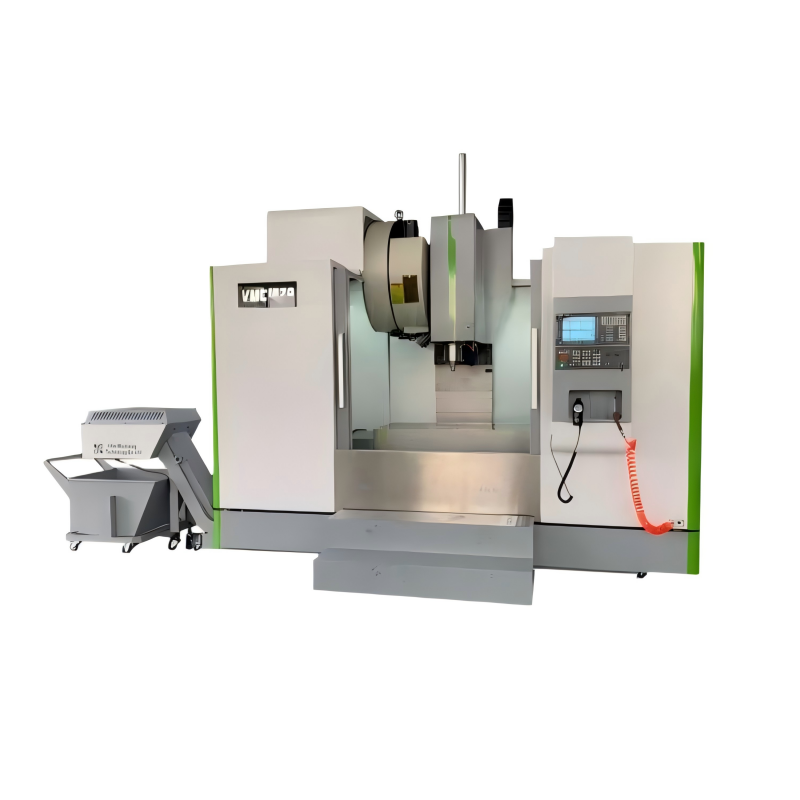
One of the most significant aspects of advanced vertical machining centers is their design and construction. These machines are built with robust materials and precision engineering, ensuring durability and reliability. The use of high-quality components, such as linear guides and ball screws, ensures smooth and accurate movement. Additionally, the rigid structure of the machine minimizes vibration, which is crucial for achieving high-precision results. Advanced vertical machining centers also feature ergonomic designs, making them user-friendly and easy to operate. This combination of robustness and user-friendliness makes these machines a top choice for manufacturers looking to enhance their production capabilities.
High-Precision Machining Capabilities
Advanced vertical machining centers are equipped with state-of-the-art technology that enables them to perform high-precision machining tasks. These machines often come with high-resolution encoders and advanced control systems, allowing for precise positioning and cutting. The use of high-speed spindles, typically ranging from 10,000 to 30,000 RPM, ensures that the machine can handle a wide range of materials and cutting operations with ease. Furthermore, the ability to perform multi-axis machining, including 3+2 and full 5-axis machining, allows for complex part geometries to be machined in a single setup. This not only improves accuracy but also reduces the overall production time, making these machines highly efficient for both small and large-scale manufacturing.
Integration with Modern Manufacturing Systems
Another key capability of advanced vertical machining centers is their seamless integration with modern manufacturing systems. These machines are designed to work with various software solutions, including CAD/CAM, ERP, and MES systems. This integration allows for streamlined production processes, from design to final product. For example, CAD/CAM software can be used to create and optimize toolpaths, which are then directly transferred to the machine. This eliminates the need for manual programming and reduces the risk of errors. Additionally, the integration with ERP and MES systems enables real-time monitoring and data collection, providing valuable insights into the production process. This data can be used to optimize machine performance, improve quality control, and enhance overall productivity. The ability to integrate with these systems makes advanced vertical machining centers a critical component of smart factories and Industry 4.0 initiatives.
Enhanced Productivity and Flexibility
Advanced vertical machining centers are designed to enhance productivity and flexibility in manufacturing operations. These machines often come with features such as automatic tool changers, pallet changers, and robotic loading and unloading systems. Automatic tool changers allow for quick and efficient tool changes, reducing downtime and increasing throughput. Pallet changers enable the machine to work on multiple parts simultaneously, further boosting productivity. Robotic loading and unloading systems automate the material handling process, reducing the need for manual labor and minimizing the risk of human error. Additionally, the ability to perform a wide range of machining operations, from milling and drilling to tapping and reaming, makes these machines highly versatile. This versatility allows manufacturers to produce a variety of parts and components, adapting to changing market demands and customer requirements.
Energy Efficiency and Sustainability
In today’s manufacturing landscape, energy efficiency and sustainability are becoming increasingly important. Advanced vertical machining centers are designed with these considerations in mind. Many of these machines feature energy-efficient motors and drives, which reduce power consumption during operation. Additionally, some models include features such as regenerative braking, which captures and reuses energy generated during deceleration. This not only reduces energy costs but also contributes to a more sustainable manufacturing process. Furthermore, the use of advanced lubrication systems and coolant management systems helps to minimize waste and reduce the environmental impact of the machine. By choosing an advanced vertical machining center, manufacturers can achieve both high performance and environmental responsibility, aligning with global sustainability goals.
In conclusion, the capabilities of advanced vertical machining centers make them indispensable tools for modern manufacturing. Their advanced design and construction, high-precision machining capabilities, integration with modern manufacturing systems, enhanced productivity and flexibility, and focus on energy efficiency and sustainability set them apart from traditional machining solutions. As the demand for high-precision and high-efficiency production continues to grow, the role of a Vertical Machining Center Supplier becomes even more critical in providing the necessary tools and support for manufacturers to stay competitive and innovative.


 28/06/2026



