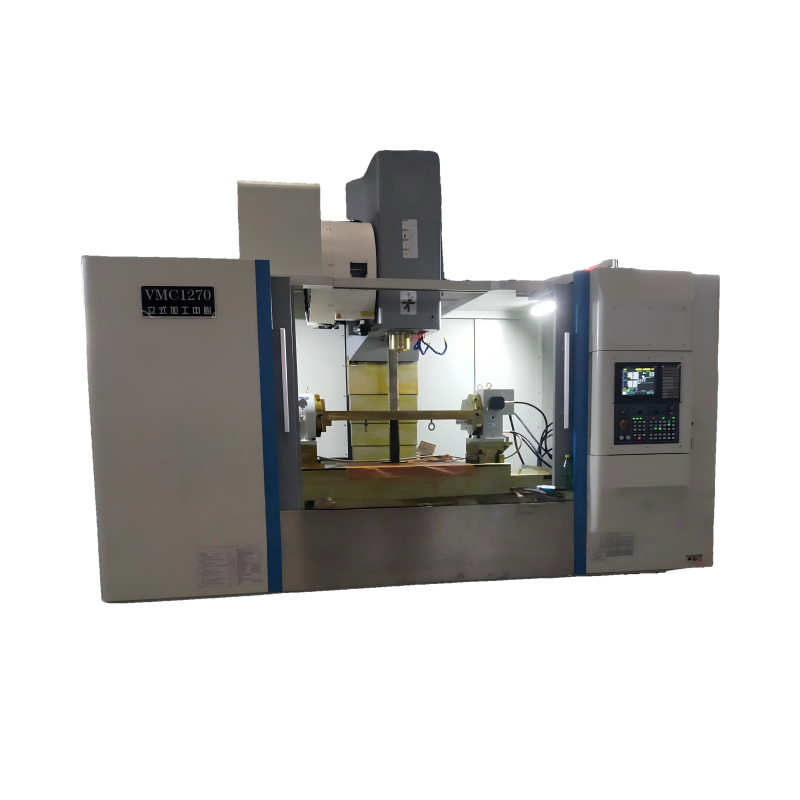
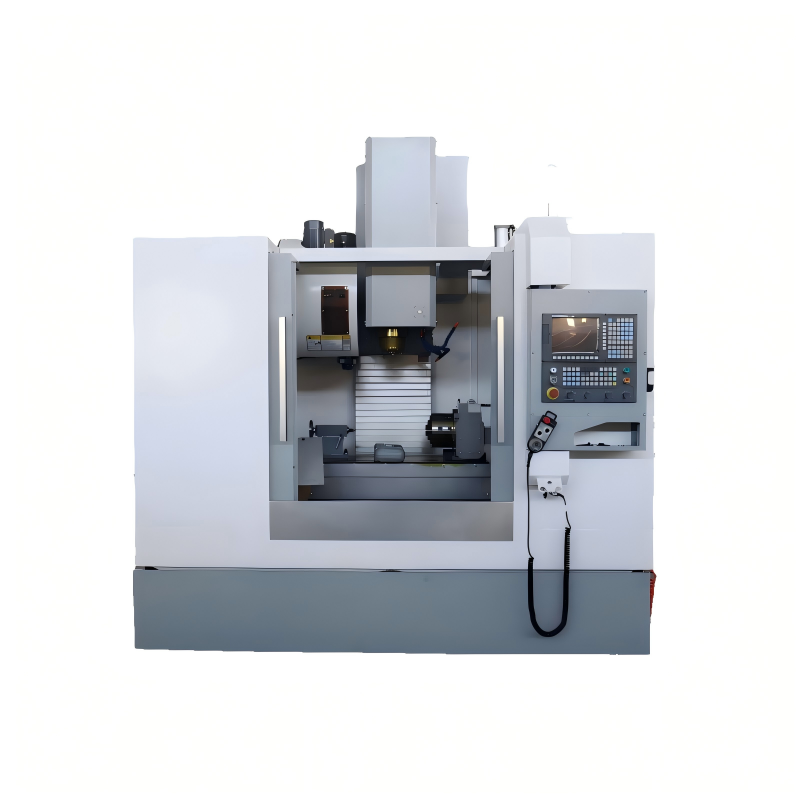
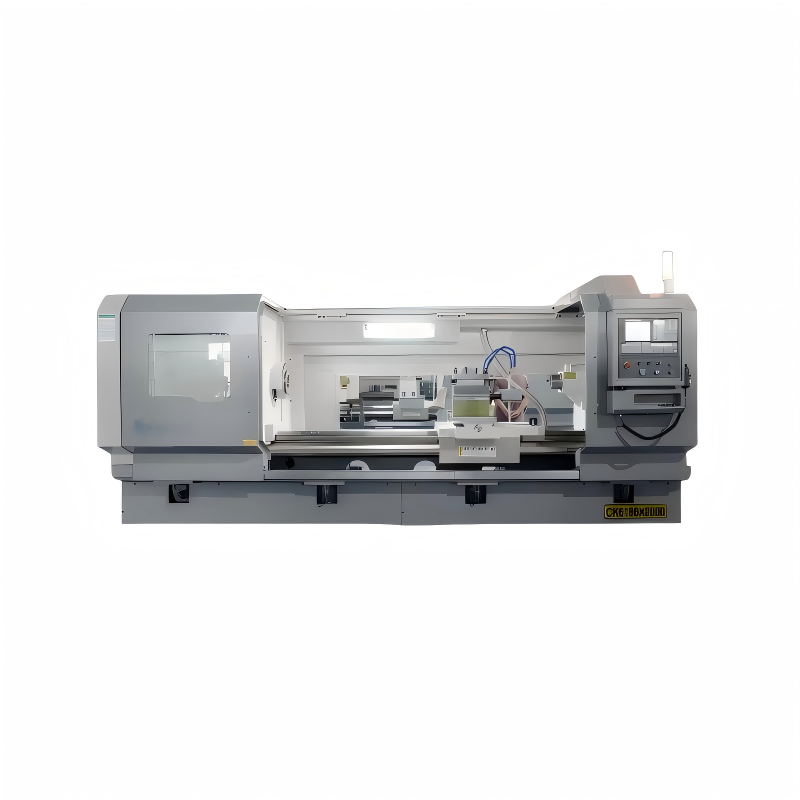
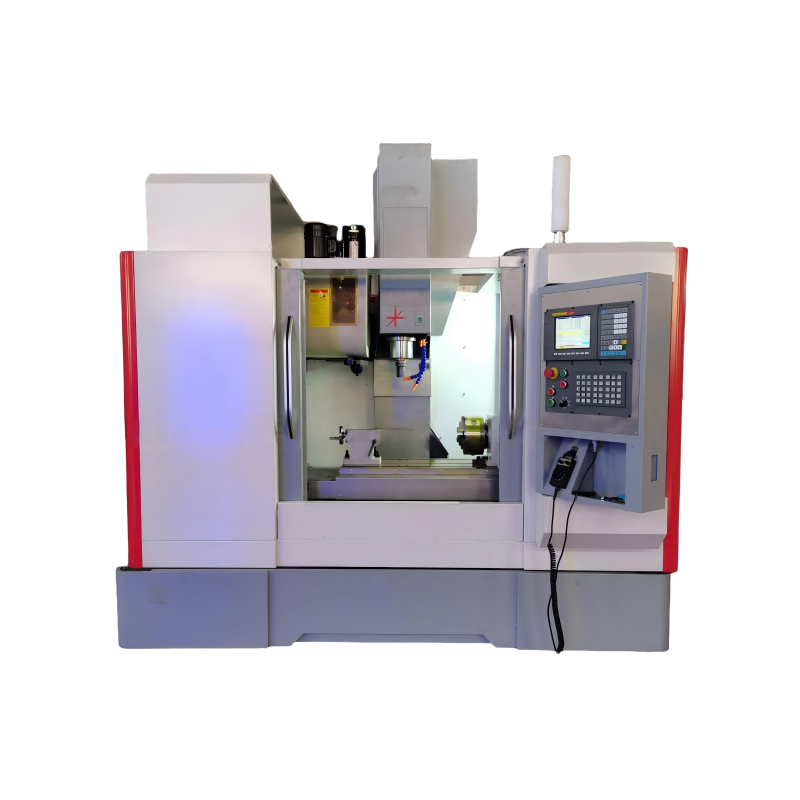
A Vertical Machining Center (VMC) is a type of milling machine where the spindle axis is vertically oriented. This setup allows for the efficient and precise machining of parts, making VMCs a popular choice in manufacturing environments. The versatility of a VMC lies in its ability to perform a wide range of operations, from drilling and boring to tapping and contouring. For a Vertical Machining Center Supplier, it's crucial to understand these capabilities to better serve their clients' needs, ensuring that they can offer machines capable of meeting diverse manufacturing requirements.
One key advantage of using a VMC over other types of machining centers is the ease of access to the workpiece. Since the spindle is vertically aligned, chips and coolant naturally fall away from the cutting area, reducing the risk of recutting and improving overall surface finish. Moreover, the design of a VMC typically includes a large table, allowing for the processing of both small and large components, thus increasing its application scope across various industries.
Efficiency in any manufacturing process is highly dependent on minimizing non-productive time. In the context of a vertical machining center, one of the most significant contributors to downtime is the setup time between jobs. To optimize productivity, strategies must be implemented to reduce this critical period. One effective approach is the use of quick-change tooling systems. These systems allow operators to rapidly switch out tools without the need for extensive recalibration, significantly cutting down on preparation time.
Another strategy involves the implementation of pallet changers. Pallet changers enable the pre-loading of workpieces onto a secondary pallet while the primary pallet is being machined. Once the first job is complete, the pallets can be swapped almost instantaneously, virtually eliminating idle time. Additionally, advanced software solutions such as CAM (Computer-Aided Manufacturing) packages can simulate and optimize tool paths before actual machining begins, further streamlining the setup process.
For a Vertical Machining Center Supplier, offering machines with these features not only enhances the appeal of their products but also directly contributes to the operational efficiency of their customers. By focusing on reducing setup times, suppliers can help their clients achieve higher throughput and lower production costs, ultimately leading to increased competitiveness in the market.
The integration of automation into the operation of a vertical machining center represents a significant leap forward in terms of productivity. Automated systems can take over repetitive tasks, freeing up human operators to focus on more complex and value-adding activities. Robotic loading and unloading systems, for instance, can handle the placement and removal of workpieces, ensuring continuous operation even during off-peak hours or when staff levels are low.
Moreover, the use of automated tool changers and automatic probing systems can greatly enhance the precision and speed of machining processes. Automatic probing allows for the accurate measurement of workpiece dimensions and positions, enabling real-time adjustments to be made during the machining cycle. This level of automation not only improves the accuracy and consistency of the final product but also reduces the likelihood of errors, thereby decreasing scrap rates and rework.
In addition, incorporating data analytics and predictive maintenance technologies into the operation of a VMC can provide valuable insights into machine performance and potential issues. By analyzing data collected from sensors and other monitoring devices, operators can predict when maintenance is required, preventing unexpected breakdowns and extending the lifespan of the equipment. A Vertical Machining Center Supplier that embraces these advancements in automation and data analysis can offer a more robust and reliable solution to their customers, setting them apart in an increasingly competitive industry.
While technology plays a vital role in optimizing the productivity of a vertical machining center, the skills and knowledge of the operators remain a critical factor. Investing in comprehensive training programs for operators can lead to significant improvements in efficiency and quality. Well-trained operators are better equipped to utilize the full potential of the VMC, make informed decisions, and troubleshoot issues quickly, all of which contribute to smoother and more productive operations.
Training should cover a wide range of topics, including the proper use of the machine, understanding of the control systems, and best practices for tool selection and maintenance. Additionally, advanced training in areas such as CNC programming, G-code, and CAD/CAM software can empower operators to create more efficient and optimized machining processes. Regular refresher courses and ongoing education can also help keep operators up-to-date with the latest technologies and techniques, ensuring that they remain at the forefront of their field.
For a Vertical Machining Center Supplier, providing robust training and support services can be a key differentiator. By offering comprehensive training programs, suppliers can ensure that their customers' operators are fully capable of maximizing the benefits of their VMCs, leading to higher customer satisfaction and long-term loyalty.
Optimizing productivity with a vertical machining center requires a multifaceted approach that encompasses both technological and human elements. By leveraging the unique capabilities of a VMC, implementing strategies to minimize setup times, integrating advanced automation and data analysis, and investing in operator training, manufacturers can achieve significant gains in efficiency and output. For a Vertical Machining Center Supplier, understanding and addressing these key areas can help them provide more value to their customers, driving growth and success in the dynamic and competitive manufacturing landscape.
 27/06/2026
In the realm of modern manufacturing, precision engineering plays a crucial role in determining the success and efficiency of vertical machining centers. This report delves into the impact of precision engineering on the performance and reliability of ver
Read More27/06/2026When it comes to manufacturing and machining, the choice of equipment can significantly impact the efficiency, precision, and overall quality of the products. A Vertical Machining Center (VMC) is a critical piece of machinery that offers versatility and h
Read More27/06/2026In the realm of modern manufacturing, the role of a Vertical Machining Center Supplier has become increasingly vital. These suppliers provide advanced vertical machining centers that are designed to meet the demands of high-precision and high-efficiency p
Read More26/06/2026The vertical machining center (VMC) has long been a cornerstone of the manufacturing industry, offering unparalleled precision and efficiency in metalworking. As technology advances, so too does the design and functionality of these machines. This report
Read More26/06/2026Understanding the Importance of Vertical Machining Centers in Modern ManufacturingA vertical machining center (VMC) is a crucial piece of equipment in modern manufacturing, especially for industries that require high precision and versatility in their pro
Read More26/06/2026In today's competitive manufacturing landscape, the selection of a reliable Vertical Machining Center Supplier is crucial for maintaining productivity and quality. This report aims to guide businesses through the process of identifying and choosing the be
Read More26/06/2026In today’s competitive manufacturing landscape, the adoption of advanced technology plays a crucial role in enhancing productivity and maintaining a competitive edge. A Vertical Machining Center Supplier can be instrumental in providing the machinery that
Read More25/06/2026In the realm of manufacturing, vertical machining centers (VMCs) have emerged as indispensable tools for precision and efficiency. This report delves into how advancements in technology are revolutionizing the performance of VMCs, with a focus on the role
Read More25/06/2026A vertical machining center is a critical piece of equipment in many manufacturing and engineering operations. These machines, provided by a reliable Vertical Machining Center Supplier, are designed to perform a wide range of tasks with precision and effi
Read More25/06/2026A vertical machining center (VMC) is a type of CNC machine that plays an essential role in modern manufacturing. This report explores the versatility and capabilities of high-end vertical machining centers, focusing on their applications, technological ad
Read More25/06/2026When it comes to selecting a high-quality Vertical Machining Center, the decision-making process can be quite complex. This is due to the wide array of features and specifications that these machines offer, which cater to different manufacturing needs. In
Read More24/06/2026Understanding the Importance of Supplier Reliability in Vertical Machining CentersIn the world of manufacturing, the reliability of a supplier is not just a preference but a necessity. When it comes to acquiring a vertical machining center, this principle
Read More24/06/2026The Evolution of Vertical Machining CentersVertical machining centers (VMCs) have come a long way since their inception, evolving from simple drilling machines to highly sophisticated and versatile tools capable of performing a wide range of operations. T
Read More24/06/2026In the modern manufacturing landscape, the vertical machining center has become an indispensable tool for a wide range of industries. These machines offer unparalleled precision, versatility, and efficiency, making them a preferred choice for many manufac
Read More24/06/2026In the modern manufacturing landscape, vertical machining centers (VMCs) have become indispensable for producing complex and high-precision components. The selection of a trusted Vertical Machining Center Supplier is crucial for ensuring not only the qual
Read More23/06/2026Vertical machining centers are pivotal in the manufacturing industry, offering precision and efficiency that can significantly boost productivity. As a vertical machining center supplier, it is essential to understand how to maximize the potential of thes
Read More23/06/2026Understanding the Importance of Reliability in a Vertical Machining Center SupplierThe foundation of any successful manufacturing operation lies in the reliability of its machinery and the partners that supply it. A Vertical Machining Center (VMC) is no e
Read More23/06/2026When it comes to selecting the right vertical machining center for your manufacturing needs, a comprehensive understanding of the machine's capabilities, along with the support and expertise of a reliable vertical machining center supplier, is crucial. Th
Read More23/06/2026When it comes to selecting the right vertical machining center for your specific needs, a thorough understanding of the available options and their capabilities is crucial. This decision can significantly impact the efficiency, productivity, and quality o
Read MoreOur professional sales team is always ready to assist you.