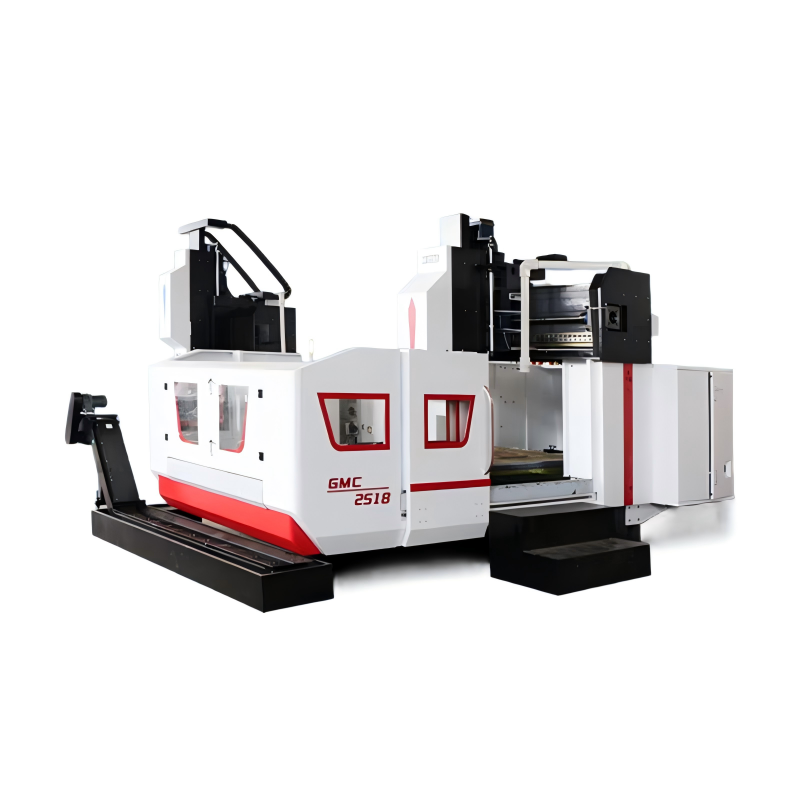
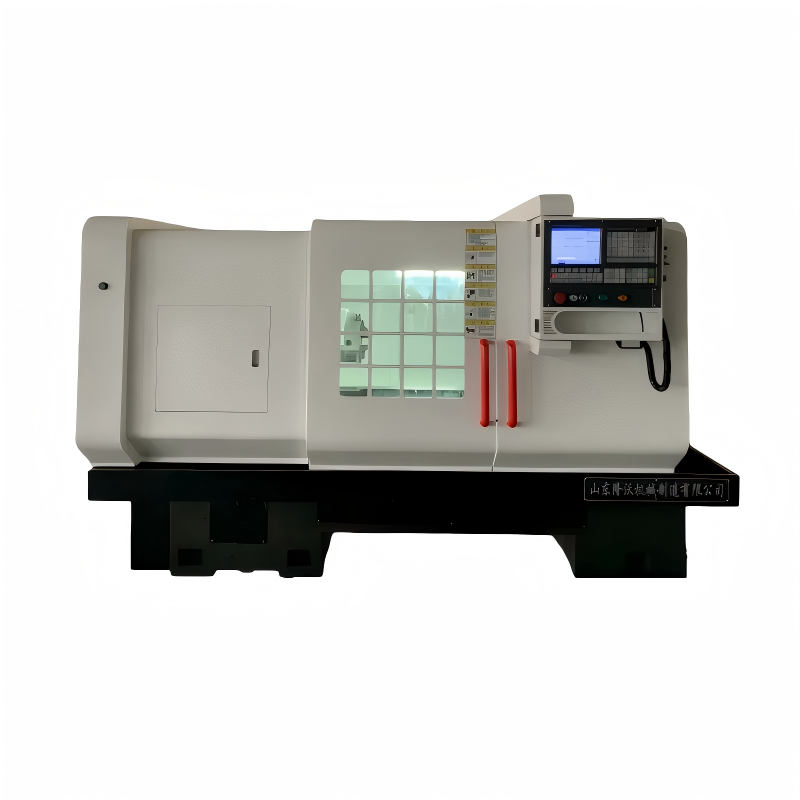
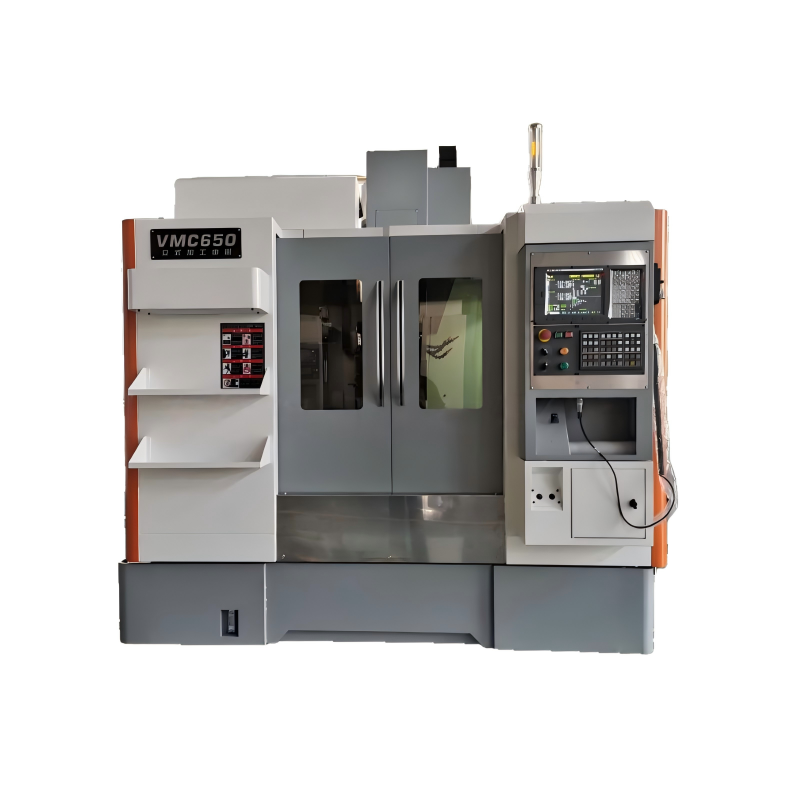
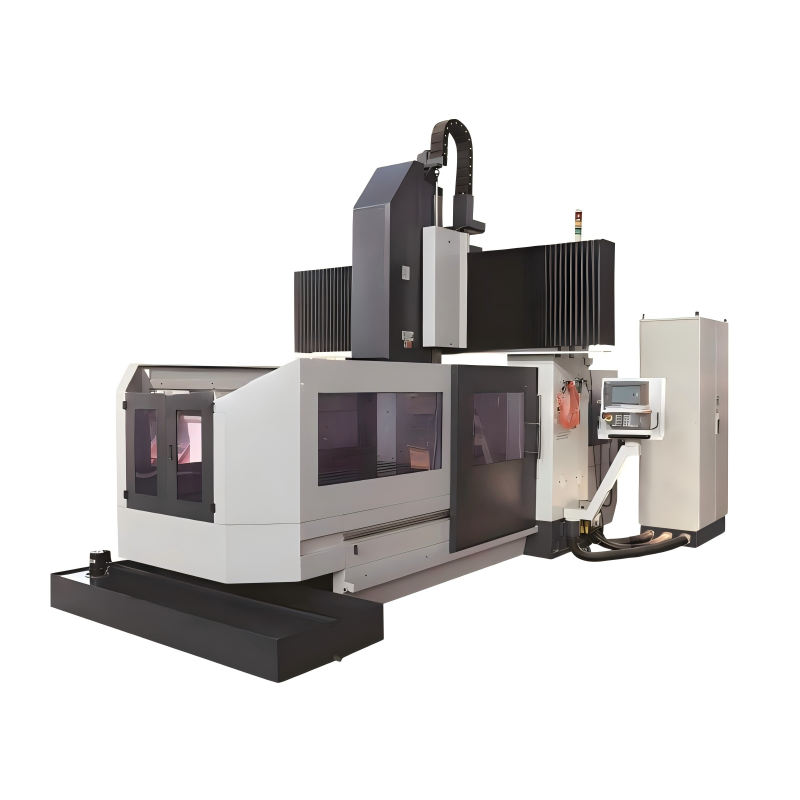
In the realm of modern manufacturing, precision engineering plays a crucial role in determining the success and efficiency of vertical Machining Centers. This report delves into the impact of precision engineering on the performance and reliability of Vertical Machining Centers, highlighting key areas where advancements have made significant contributions.
The foundation of any successful vertical machining center lies in its design and the techniques used to manufacture it. Over the years, there has been a paradigm shift towards more sophisticated and precise design methodologies. Computer-aided design (CAD) and computer-aided manufacturing (CAM) systems have become indispensable tools for Vertical Machining Center Suppliers. These systems allow for the creation of highly detailed and accurate 3D models, which can be simulated and tested before actual production begins. This not only reduces the likelihood of errors but also optimizes the overall design for better performance and longevity.
Moreover, the integration of advanced materials and coatings has further enhanced the durability and precision of these machines. For instance, the use of high-strength alloys and wear-resistant coatings ensures that the components of a vertical machining center can withstand the rigors of continuous operation without compromising on accuracy. This is particularly important in industries where tolerances are extremely tight, such as aerospace and medical device manufacturing.
Another critical aspect of precision engineering in vertical machining centers is the integration of advanced control systems. Modern vertical machining centers are equipped with state-of-the-art numerical control (NC) and computer numerical control (CNC) systems. These systems provide unparalleled control over the machining process, allowing for the execution of complex operations with high precision and repeatability.
CNC systems, in particular, have revolutionized the way vertical machining centers operate. They enable the machine to perform a wide range of tasks, from simple drilling and milling to more intricate processes like contouring and engraving. The ability to program these operations in advance and store them for future use not only saves time but also ensures consistency across multiple production runs. Additionally, real-time monitoring and feedback mechanisms in CNC systems help in maintaining the desired level of precision by making adjustments on the fly, thus minimizing the risk of errors and rework.
Precision engineering also extends to the tooling and fixturing solutions used in vertical machining centers. The quality and precision of the cutting tools and fixtures directly affect the final product's accuracy and surface finish. High-precision tooling, such as carbide and diamond-coated tools, offer superior cutting performance and longer tool life, reducing the need for frequent replacements and downtime.
Fixtures, on the other hand, play a vital role in holding the workpiece securely during the machining process. Custom-designed fixtures, often created using 3D printing or CNC machining, ensure that the workpiece is held in the correct position and orientation, thereby eliminating any potential for movement or vibration. This not only enhances the precision of the machining operation but also improves the overall efficiency of the process.
Furthermore, the use of modular fixturing systems allows for quick and easy setup changes, making it possible to switch between different parts and operations with minimal downtime. This flexibility is particularly beneficial in high-mix, low-volume production environments where the ability to adapt quickly to changing requirements is essential.
Ensuring the highest level of quality is a top priority for any vertical machining center supplier. Precision engineering in this context involves the implementation of robust quality assurance (QA) and metrology practices. Advanced metrology tools, such as coordinate measuring machines (CMMs) and laser scanners, are used to verify the dimensional accuracy and geometric tolerances of the machined parts. These tools provide detailed measurements and analysis, enabling the detection and correction of any deviations from the specified tolerances.
Additionally, in-process inspection and monitoring systems are increasingly being integrated into vertical machining centers. These systems use sensors and probes to continuously monitor the machining process, providing real-time data on the part's dimensions and surface finish. This data can be used to make immediate adjustments, ensuring that the final product meets the required specifications. The use of statistical process control (SPC) techniques further enhances the quality control process by identifying trends and patterns that may indicate potential issues, allowing for proactive measures to be taken.
The impact of precision engineering on the success of vertical machining centers is profound and multifaceted. From the design and manufacturing of the machines themselves to the integration of advanced control systems, tooling, and fixturing solutions, every aspect of the process benefits from the application of precision engineering principles. By leveraging these advancements, vertical machining center suppliers can deliver machines that offer unparalleled precision, efficiency, and reliability, ultimately contributing to the success of their customers in various industries.
 27/06/2026
Understanding the Capabilities of a Vertical Machining CenterA vertical machining center (VMC) is a type of milling machine where the spindle axis is vertically oriented. This setup allows for the efficient and precise machining of parts, making VMCs a po
Read More27/06/2026When it comes to manufacturing and machining, the choice of equipment can significantly impact the efficiency, precision, and overall quality of the products. A Vertical Machining Center (VMC) is a critical piece of machinery that offers versatility and h
Read More27/06/2026In the realm of modern manufacturing, the role of a Vertical Machining Center Supplier has become increasingly vital. These suppliers provide advanced vertical machining centers that are designed to meet the demands of high-precision and high-efficiency p
Read More26/06/2026The vertical machining center (VMC) has long been a cornerstone of the manufacturing industry, offering unparalleled precision and efficiency in metalworking. As technology advances, so too does the design and functionality of these machines. This report
Read More26/06/2026Understanding the Importance of Vertical Machining Centers in Modern ManufacturingA vertical machining center (VMC) is a crucial piece of equipment in modern manufacturing, especially for industries that require high precision and versatility in their pro
Read More26/06/2026In today's competitive manufacturing landscape, the selection of a reliable Vertical Machining Center Supplier is crucial for maintaining productivity and quality. This report aims to guide businesses through the process of identifying and choosing the be
Read More26/06/2026In today’s competitive manufacturing landscape, the adoption of advanced technology plays a crucial role in enhancing productivity and maintaining a competitive edge. A Vertical Machining Center Supplier can be instrumental in providing the machinery that
Read More25/06/2026In the realm of manufacturing, vertical machining centers (VMCs) have emerged as indispensable tools for precision and efficiency. This report delves into how advancements in technology are revolutionizing the performance of VMCs, with a focus on the role
Read More25/06/2026A vertical machining center is a critical piece of equipment in many manufacturing and engineering operations. These machines, provided by a reliable Vertical Machining Center Supplier, are designed to perform a wide range of tasks with precision and effi
Read More25/06/2026A vertical machining center (VMC) is a type of CNC machine that plays an essential role in modern manufacturing. This report explores the versatility and capabilities of high-end vertical machining centers, focusing on their applications, technological ad
Read More25/06/2026When it comes to selecting a high-quality Vertical Machining Center, the decision-making process can be quite complex. This is due to the wide array of features and specifications that these machines offer, which cater to different manufacturing needs. In
Read More24/06/2026Understanding the Importance of Supplier Reliability in Vertical Machining CentersIn the world of manufacturing, the reliability of a supplier is not just a preference but a necessity. When it comes to acquiring a vertical machining center, this principle
Read More24/06/2026The Evolution of Vertical Machining CentersVertical machining centers (VMCs) have come a long way since their inception, evolving from simple drilling machines to highly sophisticated and versatile tools capable of performing a wide range of operations. T
Read More24/06/2026In the modern manufacturing landscape, the vertical machining center has become an indispensable tool for a wide range of industries. These machines offer unparalleled precision, versatility, and efficiency, making them a preferred choice for many manufac
Read More24/06/2026In the modern manufacturing landscape, vertical machining centers (VMCs) have become indispensable for producing complex and high-precision components. The selection of a trusted Vertical Machining Center Supplier is crucial for ensuring not only the qual
Read More23/06/2026Vertical machining centers are pivotal in the manufacturing industry, offering precision and efficiency that can significantly boost productivity. As a vertical machining center supplier, it is essential to understand how to maximize the potential of thes
Read More23/06/2026Understanding the Importance of Reliability in a Vertical Machining Center SupplierThe foundation of any successful manufacturing operation lies in the reliability of its machinery and the partners that supply it. A Vertical Machining Center (VMC) is no e
Read More23/06/2026When it comes to selecting the right vertical machining center for your manufacturing needs, a comprehensive understanding of the machine's capabilities, along with the support and expertise of a reliable vertical machining center supplier, is crucial. Th
Read More23/06/2026When it comes to selecting the right vertical machining center for your specific needs, a thorough understanding of the available options and their capabilities is crucial. This decision can significantly impact the efficiency, productivity, and quality o
Read MoreOur professional sales team is always ready to assist you.